I was in the middle of a culinary marathon, juggling a simmering pot of soup, a sizzling stir‑fry, and a stack of half‑rolled spring rolls that had turned into a soggy, unappetizing mess. The kitchen was a battlefield, the air thick with the smell of garlic and soy, the sound of a clanging wok, and the taste of disappointment on my tongue. I stared at the ruined rolls, feeling a pang of culinary betrayal, and swore that I would never again settle for mediocre. That night, I dared myself to reinvent the classic spring roll, turning a kitchen catastrophe into a triumphant triumph.
The next morning, I found myself standing in front of the pantry, craving the bright crunch of fresh vegetables, the savory bite of chicken, and the gentle, aromatic embrace of herbs. I imagined the moment when the first roll meets your lips, the crisp edge giving way to a juicy, flavorful center that practically sings. The air would be filled with the scent of toasted sesame oil and the faint, sweet tang of lime. The sound of a gentle pop as the wrapper seals, the feel of the silky rice paper against your fingers, and the first bite that releases a burst of fresh, vibrant flavors—all of it was an invitation I could not resist.
This version of the chicken and vegetable spring roll is not just a recipe; it’s a manifesto for flavor, texture, and culinary confidence. I’ve distilled the essence of the dish into a single, cohesive experience that balances the savory, the sweet, the fresh, and the crunchy in perfect harmony. Every ingredient is chosen for its contribution to the overall sensory orchestra, and every technique is designed to amplify those qualities. The result is a roll that feels like a handheld celebration, a bite that carries the entire kitchen’s aroma, and a dish that will leave you shouting, “I dare you to taste this and not go back for seconds.”
The secret weapon in this recipe is a humble splash of rice vinegar that elevates the entire roll, giving it a subtle brightness that cuts through the richness of the chicken and the earthiness of the vegetables. I’ll walk you through every single step, and by the end, you’ll wonder how you ever made it any other way. This is hands down the best version you’ll ever make at home.
What Makes This Version Stand Out
- Taste: The harmonious blend of sweet hoisin, tangy lime, and umami soy creates a flavor profile that sings. Each bite delivers a layered experience that is both comforting and exciting.
- Texture: The crispness of fresh veggies contrasts beautifully with the tender chicken and the smooth, slightly chewy rice paper. The result is a satisfying bite that never feels soggy.
- Simplicity: With just a handful of pantry staples and a few fresh herbs, you can whip up a gourmet dish in under an hour. No complicated sauces or obscure ingredients are required.
- Uniqueness: A surprising splash of rice vinegar and a touch of sesame oil give this roll a distinctive edge that sets it apart from the usual fare.
- Crowd Reaction: Friends and family will rave about the fresh, vibrant flavors, and you’ll become the go-to host for any gathering.
- Ingredient Quality: Using fresh, high‑quality produce and lean chicken ensures that every bite is packed with nutrition and flavor.
- Cooking Method: The quick blanching technique keeps vegetables crisp while the quick sear locks in the chicken’s juiciness.
- Make‑Ahead Potential: The rolls can be assembled ahead of time and stored in the fridge for a few hours, making them ideal for parties or meal prep.
Alright, let's break down exactly what goes into this masterpiece...
Inside the Ingredient List
The Flavor Base
The foundation of this roll starts with a balanced sauce that marries sweet, salty, and tangy notes. The combination of soy sauce, hoisin sauce, lime juice, and a pinch of sugar creates a glaze that clings to the chicken and vegetables, turning each bite into a burst of umami. Skipping any of these elements will leave the roll feeling flat and unremarkable, as if the flavor had taken a day off. If you’re craving a slightly smoky twist, add a dash of toasted sesame oil to the sauce; the nutty aroma elevates the entire dish.
For the best results, choose a light, clear soy sauce so that the dish doesn’t become overly salty. A quality hoisin sauce with real fruit and a hint of spice adds depth and complexity. The lime juice should be freshly squeezed—store‑bought versions can be too acidic or watery. The sugar balances the acidity and brings a subtle sweetness that rounds off the savory elements.
The Texture Crew
Fresh vegetables are the lifeblood of this roll. Shredded carrots, sliced cucumber, bean sprouts, and shredded lettuce provide crunch and a burst of color. These vegetables are blanched for a mere 30 seconds to maintain their bright hues and crispness. The blanching process stops the vegetables from overcooking while keeping them light and refreshing.
If you prefer a softer texture, simply reduce the blanching time to 15 seconds. For a more robust bite, leave the vegetables slightly longer—just a few extra seconds—and they will develop a firmer bite. Remember that the key is to keep the vegetables bright and fresh, not soggy. The contrast between the crisp veggies and the tender chicken is what makes each roll a delightful experience.
The Unexpected Star
Fresh herbs are the secret weapon that turns an ordinary roll into a culinary masterpiece. A generous mix of cilantro, mint, and basil adds a burst of fragrance and a touch of herbal brightness that lifts the entire dish. These herbs are not just garnish; they are an integral part of the flavor profile. If you’re not a fan of mint, replace it with Thai basil for a slightly sweeter note.
When selecting herbs, look for bright, unblemished leaves. Avoid wilted or yellowing herbs, as they can impart a bitter taste. The herbs should be washed and dried thoroughly before use, as excess moisture can cause the rice paper to tear. Fresh herbs also add a pop of color that makes the dish visually appealing.
The Final Flourish
The final flourish comes in the form of the dipping sauce, which complements the rolls without overpowering them. A simple blend of soy sauce, rice vinegar, sugar, chili flakes, and a splash of sesame oil creates a dipping sauce that is both sweet and spicy. The sauce should be warm enough to dissolve the sugar but not hot enough to burn the delicate flavors of the roll.
If you prefer a milder sauce, reduce the chili flakes or omit them entirely. For a sweeter version, increase the sugar slightly. The sauce can be prepared a few hours ahead and refrigerated; just bring it to room temperature before serving. The dipping sauce is the final touch that ties all the flavors together.
Everything's prepped? Good. Let's get into the real action...
The Method — Step by Step
- Begin by cutting the chicken breast into bite‑size cubes. Season the pieces with a pinch of salt, pepper, half of the minced garlic, half of the grated ginger, and a splash of soy sauce. Let the chicken marinate for 10 minutes; this step infuses the meat with savory depth.
- Heat a tablespoon of sesame oil in a large skillet over medium‑high heat. Add the marinated chicken and sear until each piece is golden brown and cooked through, about 5–6 minutes. The chicken should be firm to the touch and no longer pink inside. Remove from heat and set aside.
- Bring a pot of water to a rolling boil. Add the shredded carrots, sliced cucumber, bean sprouts, and shredded lettuce, blanching them for 30 seconds. Drain immediately and rinse under cold water to stop the cooking process. Pat the vegetables dry with a paper towel; moisture is the enemy of crispness.
- Fill a shallow dish with warm water. Dip one rice paper wrapper into the water for about 10–15 seconds, just until it becomes pliable but not fully soft. Lay the wrapper flat on a clean, damp kitchen towel or a silicone mat. The damp surface keeps the wrapper from drying out.
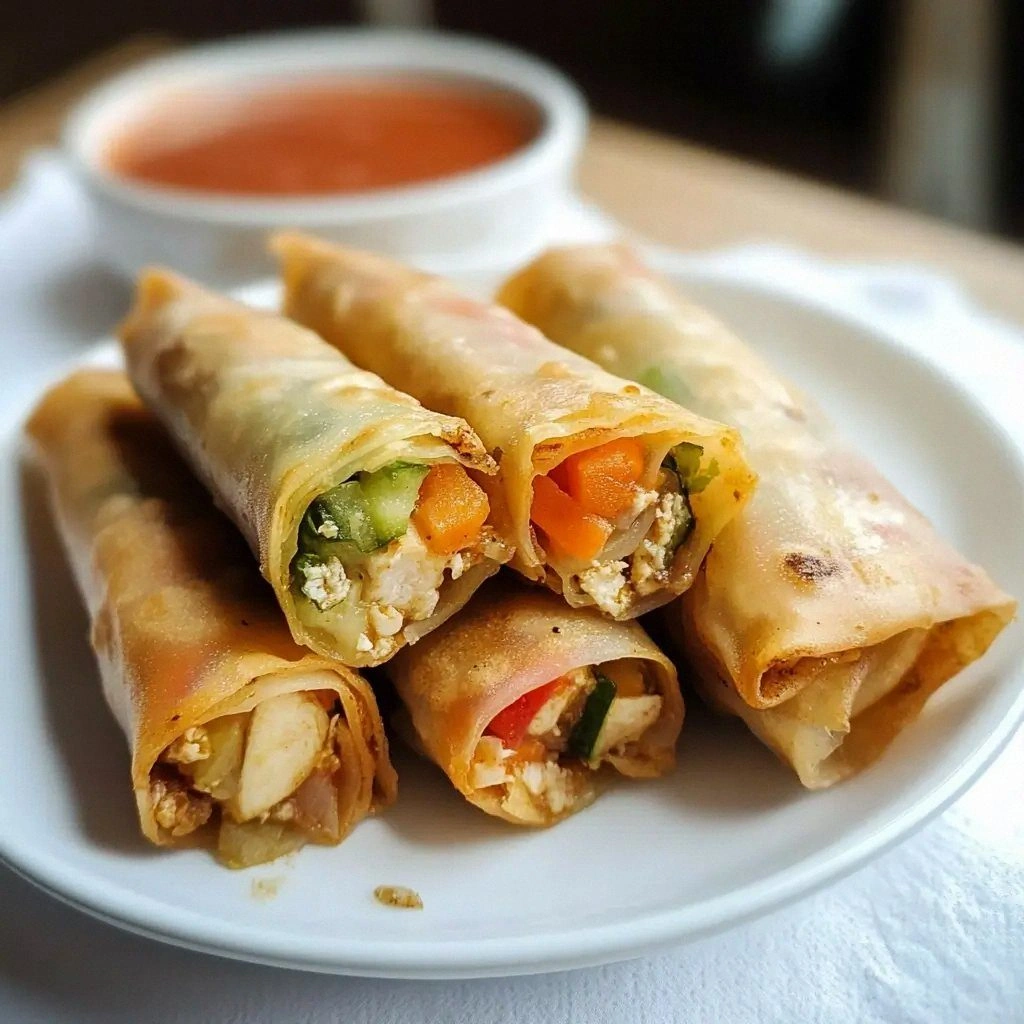
- Start the roll by placing a spoonful of the cooked chicken in the center of the wrapper. Add a handful of the blanched vegetables, a sprinkle of chopped cilantro, mint, and basil, and drizzle a small amount of hoisin sauce and lime juice over the top. The sauce should coat the filling lightly, creating a subtle glaze.
- Fold the sides of the wrapper over the filling, then roll tightly from the bottom up, sealing the edge with a dab of water. Repeat the process for the remaining wrappers, ensuring each roll is tight and sealed. The result should be a neat, cylindrical roll that holds its shape.
- Prepare the dipping sauce by whisking together 2 tablespoons of soy sauce, 1 tablespoon of rice vinegar, 1 teaspoon of sugar, a pinch of chili flakes, and a splash of sesame oil in a small bowl. Warm the mixture gently over low heat until the sugar dissolves, then let it cool to room temperature.
- Serve the spring rolls immediately, accompanied by the dipping sauce and a side of fresh cucumber sticks and carrot ribbons for extra crunch. The rolls are best enjoyed while they’re still fresh and the wrappers are slightly crisp.
- Optional: For a smoky twist, heat a grill pan over medium heat and grill each roll for 1–2 minutes per side, just until the wrappers develop a light char. This adds a subtle smokiness that complements the fresh herbs.
- If you’re preparing the rolls ahead of time, store them in an airtight container in the fridge for up to 2 hours. Reheat them briefly in a steamer or microwave for 30 seconds before serving to restore their crispness.
That's it — you did it. But hold on, I've got a few more tricks that'll take this to another level...
Insider Tricks for Flawless Results
The Temperature Rule Nobody Follows
Many cooks assume that the heat level doesn’t matter when searing the chicken, but it does. Sear at medium‑high heat to create a caramelized crust that locks in juices. If the heat is too low, the chicken will steam instead of brown, leading to a soggy roll. If it’s too high, the exterior will burn before the interior cooks.
Why Your Nose Knows Best
When you’re about to seal the roll, trust the aroma. A faint scent of toasted sesame oil and the subtle tang of lime indicate that the filling is ready. If the smell is too bland, give the filling another minute of seasoning.
The 5‑Minute Rest That Changes Everything
After you’ve assembled all the rolls, let them rest for five minutes before serving. This brief pause allows the flavors to meld and the wrappers to settle into their final shape, preventing them from unraveling when you pick up the first bite.
Avoiding the Classic Crumble
A common pitfall is allowing the rice paper to dry out while you work on the filling. Keep a damp cloth nearby and lightly pat the wrappers if they start to feel stiff. Moisture is the secret to a smooth roll.
The Sweet‑Spicy Dipping Balance
If you love heat, add an extra pinch of chili flakes to the dipping sauce. For those who prefer a sweeter bite, increase the sugar slightly. The key is to taste the sauce before serving; it should be a harmonious blend of sweet, salty, and spicy.
The Final Touch: Fresh Herbs
Right before serving, sprinkle a handful of fresh herbs over the rolls. The aroma of basil, mint, and cilantro will elevate the dish from good to unforgettable. If you’re in a hurry, a quick garnish of chopped green onions works well too.
Creative Twists and Variations
This recipe is a playground. Here are some of my favorite ways to switch things up:
Spicy Peanut Version
Swap the hoisin sauce for a peanut butter glaze and add crushed peanuts for crunch. The nutty flavor pairs beautifully with the fresh veggies and gives the roll a creamy, indulgent twist. Serve with a drizzle of sriracha for an extra kick.
Mango Salsa Surprise
Replace the lime juice with a sweet mango salsa made from diced mango, red onion, and cilantro. The tropical sweetness balances the savory chicken and adds a refreshing burst of flavor that’s perfect for summer gatherings.
Mediterranean Twist
Use diced feta cheese, olives, and sun‑dried tomatoes in place of the fresh herbs. The briny, salty flavors create a Mediterranean vibe that pairs well with a drizzle of tzatziki on the side.
Vegan Delight
Replace the chicken with marinated tofu or tempeh, and use a soy‑based sauce instead of hoisin. The tofu will absorb the flavors, creating a protein‑rich, plant‑based version that satisfies even the most discerning palates.
Gluten‑Free Option
Swap the rice paper for gluten‑free wrappers made from tapioca or corn. These wrappers maintain the same delicate texture while keeping the dish free from gluten. Pair them with a gluten‑free soy sauce for a fully compliant meal.
Dessert Roll
For a sweet spin, use a thin layer of sweetened coconut milk, fresh berries, and a drizzle of honey. Wrap it in a thin rice paper wrapper and serve with a side of chocolate dipping sauce. This dessert roll is a playful end to any meal.
Storing and Bringing It Back to Life
Fridge Storage
Store the assembled rolls in an airtight container in the refrigerator for up to 2 hours. The rolls will retain their freshness and crunch if kept chilled. Avoid stacking them too tightly, as this can cause the wrappers to tear.
Freezer Friendly
For longer storage, place the rolls in a freezer bag and remove as much air as possible. Freeze for up to 3 days. When ready to serve, thaw in the refrigerator for 2 hours, then steam briefly to restore crispness.
Best Reheating Method
The secret to reviving frozen or chilled rolls is to steam them for 1–2 minutes. This gentle heat softens the wrapper without drying it out. Add a tiny splash of water before reheating; the steam will make the wrappers silky and pliable.