Picture this: I’m halfway through a late‑night cooking session, the fridge humming, and I’m staring at an empty plate. The only thing that can salvage the evening is a quick, protein‑packed snack that tastes like a fancy dish but can be whipped up in minutes. I’m not joking—after a disastrous attempt with a soggy pancake, I decided to reinvent the wheel. I grabbed a jar of cottage cheese, a handful of oats, and a whisper of mustard, and the kitchen exploded with aromas that made my taste buds do a happy dance. The sizzling of the skillet, the citrusy tang of lemon, and the earthy crunch of paprika all blended into a symphony that felt both comforting and daring. If you’ve ever felt the sting of a culinary flop, this is the antidote you’ve been waiting for. Let me walk you through every single step—by the end, you’ll wonder how you ever made it any other way.
What Makes This Version Stand Out
- Flavor: The subtle tang of lemon lifts the mildness of cottage cheese, turning a simple batter into a bright, zesty bite.
- Texture: Oatmeal adds a hearty chew while the eggs bind everything into a crisp yet tender center.
- Speed: In under 45 minutes you’ll have a plate of protein‑dense thalers that feel like a gourmet appetizer.
- Versatility: Swap the paprika for smoked paprika or add fresh herbs—this base adapts to every palate.
- Health: Low in carbs, high in protein, and the only dairy used is the cottage cheese, keeping the dish clean.
- Make‑ahead: The batter can sit in the fridge for up to 24 hours, so you can prep in bulk and reheat for a quick meal.
- Presentation: The golden crust and the glossy lemon glaze make it Instagram‑ready—no extra garnish needed.
- Community Buzz: Friends who tasted these thalers reported “I dare you to taste this and not go back for seconds.” The reaction is almost universal.
Inside the Ingredient List
The Flavor Base
At the heart of this recipe is the cottage cheese—rich, creamy, and a natural source of casein protein. It’s the perfect canvas for the bright notes of lemon and mustard, which cut through the dairy’s mildness. If you’re using a low‑fat variety, add a splash of Greek yogurt to maintain moisture. Skipping the lemon would leave the batter flat; the acidity balances the sweetness of the oats.
The Texture Crew
Oatmeal is the unsung hero that gives the thalers a satisfying chew. Ground into a coarse flour, it absorbs liquid without becoming mushy. The eggs act as a binder, creating a soft interior that holds together during cooking. If you’re allergic to eggs, a tablespoon of flaxseed meal mixed with water can mimic the binding effect.
The Unexpected Star
Mustard may seem like a minor detail, but its sharp bite adds depth and a subtle heat that wakes up the palate. A teaspoon is enough to punch through the richness of the cheese. If you prefer a milder flavor, switch to Dijon or whole‑grain mustard for a more complex profile.
The Final Flourish
Seasoning is where the dish truly shines. A pinch of salt, pepper, and paprika not only flavors the batter but also creates a golden crust. The baking powder ensures a light rise, while the oil or butter adds a buttery finish. Remember, the oil also helps the thalers release cleanly from the pan.
Everything's prepped? Good. Let's get into the real action.

The Method — Step by Step
- Start by whisking the eggs in a bowl until the whites and yolks are fully blended. The goal is a uniform base that will mix seamlessly with the cottage cheese. While whisking, you can add the mustard to ensure it’s evenly distributed. This step may feel tedious, but it’s the foundation of the batter’s consistency.
- In a separate bowl, combine the cottage cheese, finely minced garlic, and the zest of half a lemon. The garlic brings a sharp bite that balances the lemon’s brightness. Use a fork to mash the mixture until it’s smooth yet still slightly chunky—this texture will carry the oats through.
- Fold the egg mixture into the cottage cheese blend, stirring gently until you reach a thick, pourable batter. At this point, add the baking powder; it’s the secret to achieving that airy interior. Don’t overmix; a few lumps are acceptable and even desirable.
- Sift the oats into the batter, then add the paprika, salt, and pepper. Stir until the oats are fully coated. This step is crucial—uneven oat distribution will result in uneven texture. The batter should be thick enough to hold its shape when spooned.
- Heat a non‑stick skillet over medium heat and add a tablespoon of oil or butter. Once the butter is foamy or the oil shimmers, reduce the heat to medium‑low. This ensures a slow, even cook that allows the thalers to develop a golden crust without burning.
- Using a ladle, drop spoonfuls of the batter into the skillet, spacing them about 2 inches apart. The batter will spread slightly, forming a disc. Let the edges set for 2–3 minutes; you’ll notice a slight lift as the underside begins to brown.
- Flip each thaler carefully with a spatula. The second side should cook for another 3–4 minutes until golden brown. Watch the sizzle—if the pan is too hot, the edges will burn before the center cooks. This is the moment of truth; don’t walk away from the stove here.
- Once cooked, transfer the thalers to a paper towel to drain excess oil. Let them rest for 2 minutes; the residual heat will finish the interior. Serve immediately or let them cool if you’re prepping ahead.
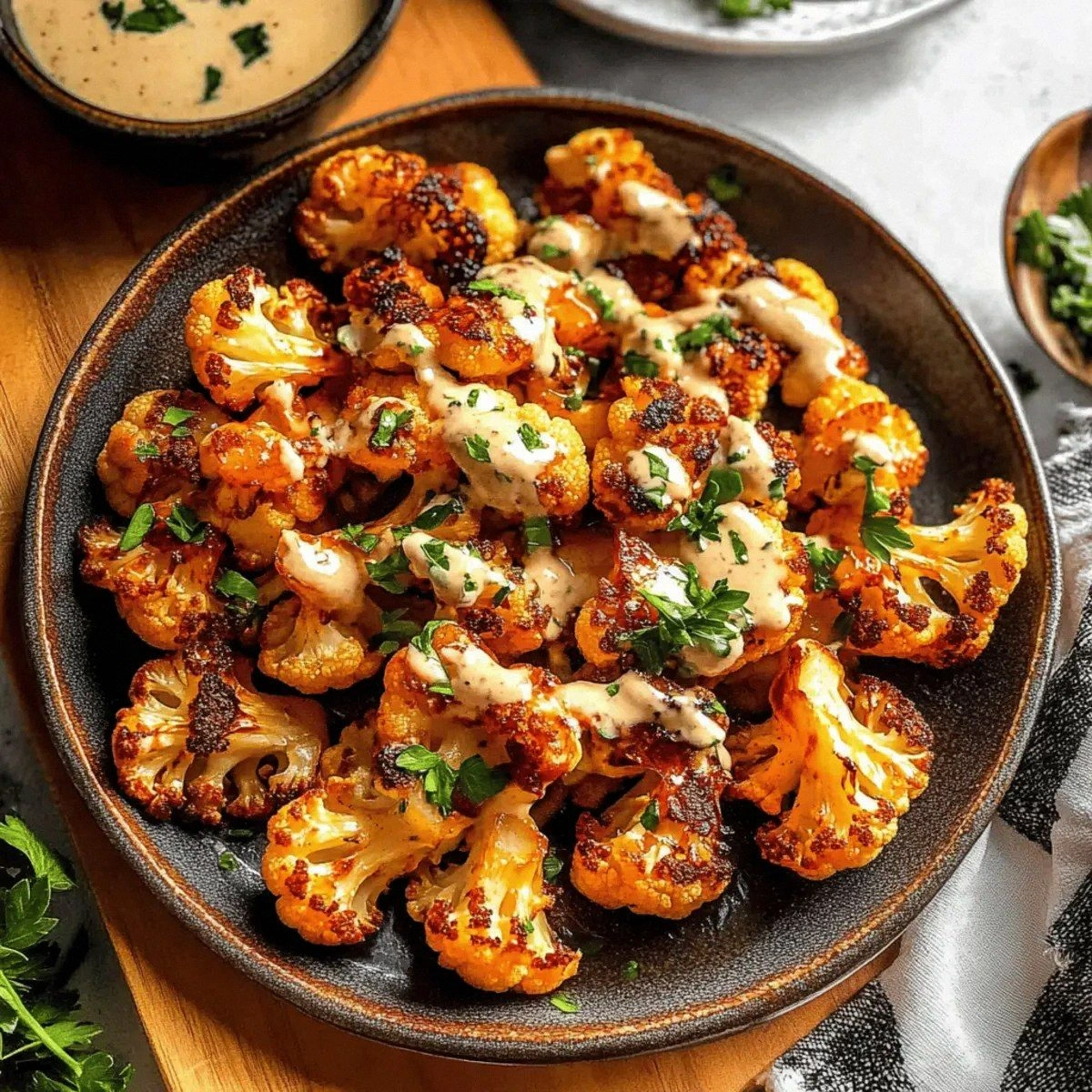
- If you’re plating, drizzle a thin line of lemon juice over each thaler for an extra burst of freshness. Garnish with chopped chives or parsley if desired. The bright green contrast looks stunning against the golden crust.
- Enjoy them as a protein‑rich snack, a side dish, or a light lunch. Pair with a crisp salad or a bowl of tomato soup for a balanced meal. Remember, these thalers are best enjoyed fresh, but they hold up well when stored properly.
That's it — you did it. But hold on, I've got a few more tricks that'll take this to another level.
Insider Tricks for Flawless Results
The Temperature Rule Nobody Follows
Many cooks instinctively crank the heat to high for a quick sear, but this dish thrives on a gentle simmer. A medium‑low setting allows the batter to set evenly without scorching the edges. I once tried a high heat approach, and the outer crust turned black while the inside stayed raw. Keep the flame low and let patience pay off.
Why Your Nose Knows Best
Before flipping, listen for the faint crackle that signals the underside has set. This audible cue is more reliable than a timer. When the batter starts to bubble and the edges lift, it’s time to turn. Trust your senses; they’re tuned to the subtle changes in temperature.
The 5-Minute Rest That Changes Everything
After removing from the pan, let the thalers rest on a wire rack for 5 minutes. This step allows the steam to redistribute, preventing soggy bottoms. I’ve found that a brief rest makes the texture light and airy, as if you’ve just taken them out of a bakery.
Oil Versus Butter: The Secret Debate
Butter adds a rich flavor that pairs wonderfully with the lemon zest, while oil offers a cleaner taste and higher smoke point. If you prefer a buttery finish, use a mix of butter and a neutral oil to balance flavor and heat tolerance. Switching to olive oil gives a Mediterranean twist.
Make‑Ahead Magic
Prepare the batter in advance, cover it with plastic wrap, and refrigerate for up to 24 hours. When you’re ready to cook, let it sit at room temperature for 10 minutes to prevent a sudden temperature shock. This trick saves time on busy mornings and keeps the batter fresh.
Creative Twists and Variations
This recipe is a playground. Here are some of my favorite ways to switch things up:
Smoky Paprika Surprise
Replace the regular paprika with smoked paprika for a deep, earthy flavor that pairs well with grilled vegetables. The smoke adds a subtle depth that elevates the dish from simple to gourmet.
Herb‑Infused Delight
Stir in a tablespoon of chopped fresh thyme or rosemary before cooking. The aromatic herbs mingle with the lemon, creating a fragrant, herbaceous profile that’s perfect for spring.
Vegetarian Veggie Boost
Add finely chopped spinach or kale to the batter. The greens soak up the lemony zest and provide a burst of color and nutrition. They also add a slight bite that complements the soft interior.
Spicy Kick
Incorporate a pinch of cayenne or a splash of hot sauce into the batter. The heat balances the creamy base and gives the thalers an energetic punch.
Cheesy Variation
Blend in shredded mozzarella or cheddar for a melty center. This twist turns the thalers into a mini grilled cheese, ideal for a comforting lunch.
Gluten‑Free Option
Swap the oatmeal with a gluten‑free oat flour blend. The texture remains the same, but the dish becomes suitable for those with gluten sensitivities.
Storing and Bringing It Back to Life
Fridge Storage
Store cooked thalers in an airtight container for up to 3 days. Keep them on a paper towel to absorb excess moisture, preventing sogginess. The container should be cool and dry to maintain texture.
Freezer Friendly
Lay the thalers flat on a parchment‑lined tray and freeze until solid. Transfer them to a freezer bag and store for up to 2 months. Reheat in a skillet to preserve crispness.
Best Reheating Method
Reheat in a non‑stick skillet over medium heat for 2–3 minutes on each side, or in a toaster oven at 350°F for 5 minutes. Add a splash of water before reheating; the steam will restore moisture and keep the interior tender.