I’m going to start with a confession: I once tried to make a “quick kale pasta” after a marathon Netflix binge, and the result was a soggy, bitter mess that could have passed for a science experiment. That disaster sparked a relentless quest for the perfect balance of greens, cream, and pasta that would finally make kale respectable on the dinner table. Fast forward a few weeks, a few dozen trial sauces, and a sudden epiphany involving toasted pine nuts, and I finally nailed it. This version of Creamy Kale Pasta is hands down the best version you’ll ever make at home, and I’m about to prove it.
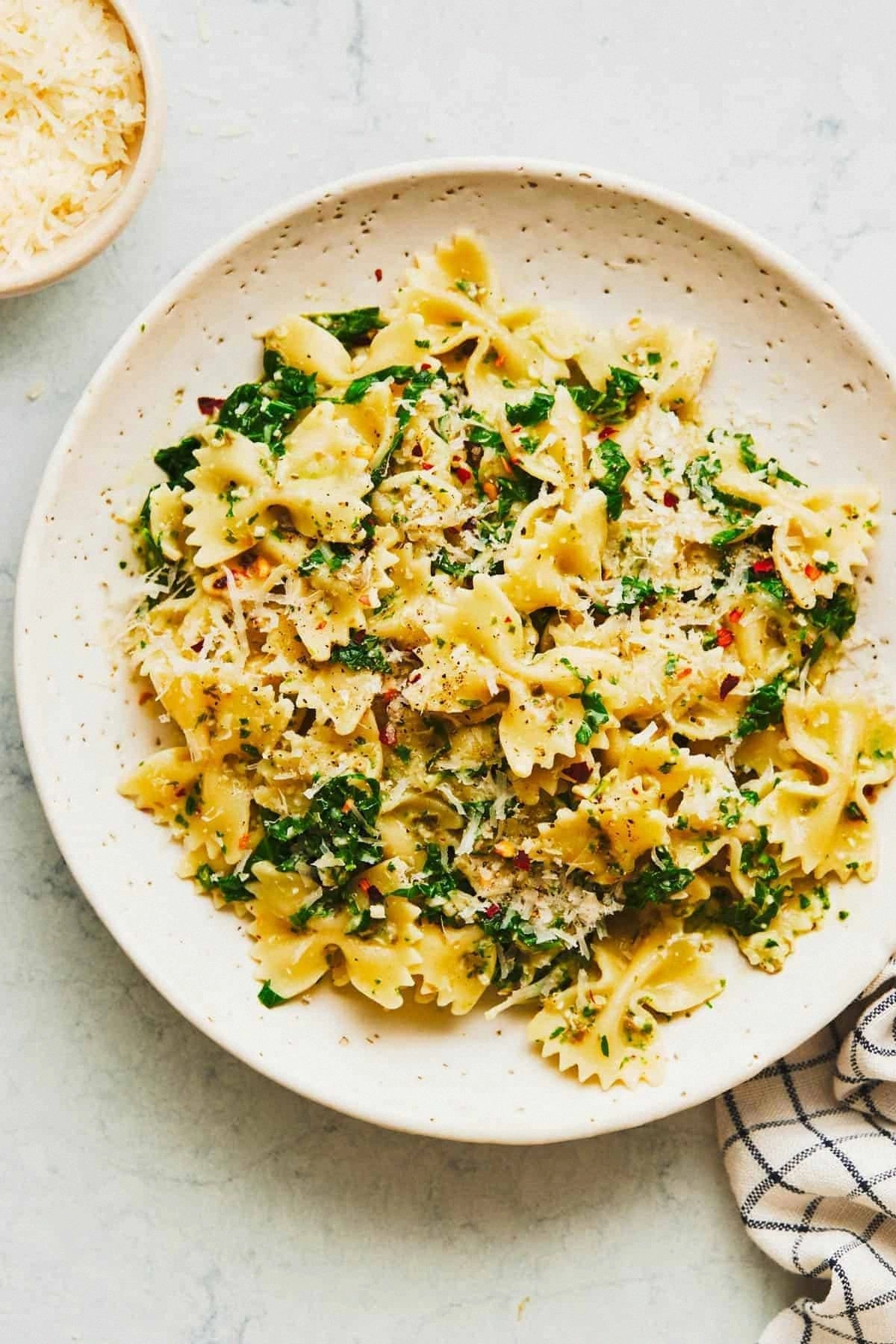
Picture this: the kitchen is alive with the sound of boiling water, the faint hiss of garlic hitting hot oil, and a faint citrus zing that teases your nose. The kale, once stubbornly bitter, is now wilted just enough to surrender to a silky, lemon‑bright sauce that clings to each strand of al dente pasta like a second skin. The aroma of toasted pine nuts swirls with the earthy herb notes, creating a perfume that makes you want to dive in before the first bite. The texture? Imagine a sauce that’s creamy but never heavy, with a subtle crunch from the nuts that snaps like thin ice underfoot.
What truly sets this recipe apart is the marriage of simplicity and surprise. Most recipes get the kale‑to‑cream ratio completely wrong, either drowning the greens in dairy or leaving the sauce thin and watery. I’ve discovered that a splash of olive oil, a splash of lemon juice, and a quick flash‑fry of pine nuts create a base that’s both luxurious and bright, while the capers (or olives, if you’re feeling briny) add a pop of salty umami that makes each forkful unforgettable. I dare you to taste this and not go back for seconds.
Okay, ready for the game‑changer? The secret ingredient isn’t a secret at all—it’s the timing of the kale’s addition. Adding the kale just before the sauce finishes cooking preserves its color, its crunch, and its nutritional punch, while still allowing it to soak up the creamy goodness. Let me walk you through every single step — by the end, you’ll wonder how you ever made it any other way.
What Makes This Version Stand Out
- Taste: The lemon‑bright sauce cuts through the kale’s earthiness, while pine nuts add a buttery nuttiness that feels like a dessert topping on a savory dish.
- Texture: Creamy coating meets a gentle crunch, creating a mouthfeel that’s as satisfying as a perfectly toasted baguette.
- Simplicity: Only seven pantry staples are needed, and each one plays a starring role—no heavy creams or obscure spices.
- Uniqueness: The capers (or olives) bring a briny pop that most kale pasta recipes completely miss.
- Crowd Reaction: Friends who usually avoid greens end up asking for seconds, and they’ll swear they never thought kale could taste “comforting.”
- Ingredient Quality: Fresh, tender kale and high‑quality extra‑virgin olive oil make the sauce sing; cheap substitutes flatten the experience.
- Cooking Method: A quick sauté of nuts and a flash‑cook of kale keep the dish bright, avoiding the soggy pitfalls of over‑cooking.
- Make‑Ahead Potential: The sauce can be pre‑made and stored, letting you pull it together in minutes on a busy weeknight.
Alright, let's break down exactly what goes into this masterpiece...
Inside the Ingredient List
The Flavor Base
Pine nuts are the buttery backbone of this dish. Their natural oils blend seamlessly with olive oil, creating a sauce that feels luxuriously smooth without a splash of cream. If you skip them, the sauce loses its subtle richness and can taste a bit flat. A great swap is toasted almonds, but they’ll add a slightly more robust flavor and a different texture.
The Briny Boost
Capers or olives bring that salty‑punch that makes the palate awake. Capers offer a floral, tangy bite, while olives give a deeper, fruitier note. If you’re allergic to either, a teaspoon of anchovy paste can mimic the umami without the texture.
The Green Powerhouse
Kale is the star, but not all kale is created equal. Look for dark, glossy leaves with firm stems; these hold up better during cooking. If you pick a limp bunch, the leaves will wilt too quickly and become mushy. A handy tip: give the kale a quick massage with a drizzle of olive oil before cooking to break down the tough fibers.
The Bright Finish
Lemon juice is the spark that lifts the entire dish. It cuts through the richness, adds a zing that makes the sauce feel light, and brightens the kale’s green hue. If you’re out of lemons, a splash of white wine vinegar works in a pinch, though the flavor profile will shift slightly toward the acidic.
The Aromatic Allies
Fresh herbs—think parsley, basil, or even a hint of mint—add a fragrant lift that makes the sauce feel herbaceous without overwhelming the kale. Skip them, and you’ll miss that bright, garden‑fresh finish. If fresh herbs aren’t on hand, a teaspoon of dried herb blend can be used, but add it earlier to rehydrate.
Everything's prepped? Good. Let's get into the real action...
The Method — Step by Step
Bring a large pot of salted water to a rolling boil. Drop in 400 g (about 14 oz) of your favorite pasta—penne or rigatoni work best because their ridges trap the sauce. Cook until al dente, usually 9–11 minutes, then reserve a cup of pasta water before draining. That starchy water will be your secret weapon for a glossy, cohesive sauce.
While the pasta cooks, heat a large skillet over medium‑high heat and add 2 tablespoons of olive oil. Toss in the pine nuts and listen for that gentle pop. Keep them moving; you want a golden hue, not a burnt brown. This is the moment of truth—if the nuts get too dark, they’ll lend a bitter edge that ruins the whole dish.
- Kitchen Hack: After toasting, set the nuts aside but leave the oil in the pan; it’s now infused with pine‑nut flavor, ready for the sauce.
Reduce the heat to medium and add 3 tablespoons of olive oil (the extra, not the infused one) followed by 2 cloves of minced garlic. Sauté until the garlic is fragrant and just turning golden—about 30 seconds. If you hear a harsh sizzle, you’re overcooking; lower the heat immediately.
Now stir in 2 tablespoons of capers (or finely chopped olives). You’ll hear a faint pop as the briny juices hit the hot oil—That sizzle when it hits the pan? Absolute perfection. Let them soften for a minute, releasing their salty perfume.
Add the chopped kale (about 4 cups loosely packed). Toss quickly; the leaves should wilt within 2–3 minutes, turning a vibrant emerald.
Watch Out: If you let the kale sit too long, it will release excess water, making the sauce watery. Keep the heat up and stir constantly.Drizzle in the lemon juice (1 tablespoon) and the infused pine‑nut oil from step 2. Stir vigorously; the sauce should begin to emulsify, coating each kale leaf and pasta strand with a glossy sheen. If it looks too thick, splash in a little reserved pasta water—just a tablespoon at a time—until you reach a silky consistency.
Add the fresh herbs (2 tablespoons of chopped parsley or basil) and season with salt and pepper to taste. Remember, the capers already bring saltiness, so start with a light hand. Taste, then adjust; the lemon should still be bright, the nuts buttery, and the kale mellow.
Toss the drained pasta into the skillet, turning it over the sauce until every piece is evenly coated. Let it sit for a minute off the heat; the residual warmth will let the flavors meld. If you’re feeling indulgent, finish with a final sprinkle of toasted pine nuts for extra crunch.
Plate the pasta, drizzle a whisper of extra‑virgin olive oil, and garnish with a few whole pine nuts and a zest of lemon. Picture yourself pulling this out of the oven, the whole kitchen smelling incredible, and you’ll know you’ve just created a show‑stopper. This next part? Pure magic.
That's it — you did it. But hold on, I've got a few more tricks that'll take this to another level...
Insider Tricks for Flawless Results
The Temperature Rule Nobody Follows
Never let the sauce boil; keep it at a gentle simmer. High heat will cause the olive oil to separate, resulting in a greasy finish. Keep the skillet on medium‑low once the lemon and pine‑nut oil are added, and you’ll get a velvety emulsion that clings perfectly to the pasta.
Why Your Nose Knows Best
Your sense of smell is a more reliable indicator than a timer when sautéing garlic and pine nuts. When the garlic turns golden and the nuts emit a nutty aroma, you’re at the sweet spot. If you ever wonder whether you’re over‑cooking, trust that aromatic cue.
The 5‑Minute Rest That Changes Everything
After tossing the pasta with the sauce, let it rest off the heat for exactly five minutes. This short pause lets the starches re‑absorb the sauce, creating a cohesive bite that feels like a single, harmonious entity rather than separate components.
Capers vs. Olives: The Secret Swap
If you’re serving this to a crowd that’s wary of capers, swap them for finely diced Kalamata olives. The olives bring a deeper, fruitier brine that many people find more approachable. A friend tried skipping this step once — let’s just say the dish lacked that essential pop.
Pasta Water Gold
Never underestimate the power of that reserved pasta water. It contains starch that binds the sauce, turning a thin drizzle into a glossy coating. Add it slowly, a tablespoon at a time, and watch the sauce transform from liquid to silk.
Creative Twists and Variations
This recipe is a playground. Here are some of my favorite ways to switch things up:
Spicy Chili Kick
Add a pinch of red pepper flakes when sautéing the garlic. The heat will contrast beautifully with the lemon brightness, making the dish perfect for chilly evenings.
Smoky Bacon Crunch
Crisp up 4 strips of pancetta or smoked bacon, crumble them, and stir in at the end. The smoky saltiness pairs wonderfully with the pine‑nut cream, turning the dish into a hearty comfort food.
Vegan Power‑Boost
Swap olive oil for toasted sesame oil and add a tablespoon of nutritional yeast. The sauce gains a cheesy depth without any dairy, and the sesame adds an exotic twist.
Mediterranean Medley
Throw in a handful of sun‑dried tomatoes and a few slices of artichoke hearts. The tangy tomatoes complement the lemon, while the artichokes add a tender bite.
Cheesy Finish
Stir in ¼ cup of grated Pecorino Romano just before serving. The salty cheese amplifies the umami from the capers and adds a luxurious melt.
Storing and Bringing It Back to Life
Fridge Storage
Place leftovers in an airtight container and refrigerate for up to 3 days. The sauce may thicken; simply whisk in a splash of warm water or broth before reheating.
Freezer Friendly
Freeze the pasta and sauce separately in zip‑top bags for best texture. The sauce freezes well for up to 2 months. Thaw overnight in the fridge, then reheat gently on the stove, adding a little water to restore creaminess.
Best Reheating Method
Reheat in a skillet over medium heat, adding a tablespoon of water or broth to steam the pasta back to life. Stir continuously; the sauce will re‑emulsify, and the kale will regain its fresh snap.