Creamy Spring Pea and Asparagu
I was halfway through a week of bland dinners when my neighbor, who claims to be a culinary wizard, dropped by with a pot of what she called “spring pea risotto.” I stared at the green burst of peas and asparagus, then at the creamy base that looked like it had been kissed by a velvet blanket. My kitchen suddenly smelled of garlic, herbs, and a faint citrus tang that made my taste buds tingle even before I took a bite. I was like, “This is going to be a game‑changer.”
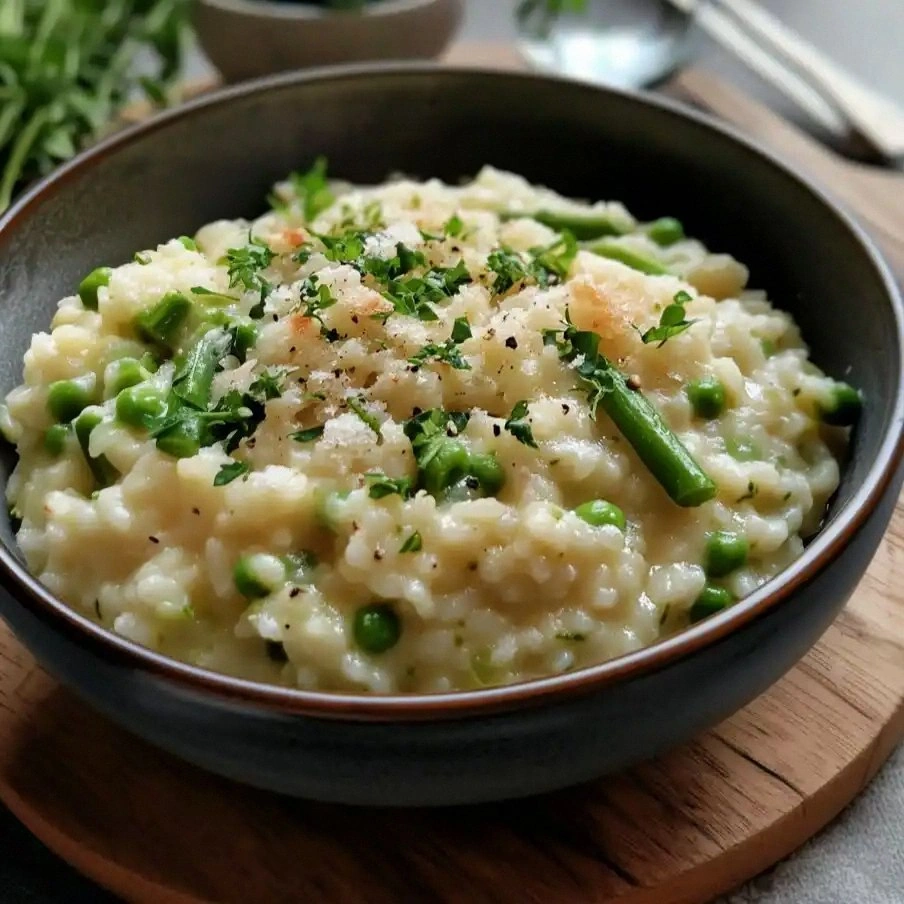
The first spoonful hit my palate like a soft, buttery cloud, the peas popping with a satisfying snap, and the asparagus giving a subtle crunch that felt like fresh spring grass on a cool morning. The sauce clung to the rice, turning each grain into a glossy, decadent jewel. I could almost hear the gentle clink of a spoon against a ceramic bowl, the faint hiss of steam as the broth bubbled. The visual contrast of emerald peas against a golden, creamy backdrop made the dish almost too pretty to eat—yet I couldn't resist.
What sets this version apart from the countless risotto recipes floating around the internet is the meticulous balance of texture and flavor. The Arborio rice is toasted just enough to develop a nutty aroma without becoming mushy, while the broth is added slowly to coax out its natural starches. The combination of a dry white wine and a splash of lemon zest injects a bright, almost citrusy lift that cuts through the richness. This isn’t just another creamy pasta; it’s a symphony of spring vegetables, buttery undertones, and a subtle acidity that keeps the dish from feeling heavy.
I dare you to taste this and not go back for seconds. Most recipes get this completely wrong—here’s what actually works. The secret is in the timing, the precise ratio of liquid to rice, and that last touch of Parmesan that creates a silky finish. Picture yourself pulling this out of the stove, the whole kitchen smelling incredible, and sharing it with friends who will immediately ask for the recipe. If you've ever struggled with risotto, you're not alone—and I've got the fix.
The next twist will blow your mind: a subtle hint of fresh mint that I added at the very end, just before serving. I can’t reveal it all here, but trust me, it elevates the dish to a whole new level of freshness. Stay with me here—this is worth it. Let me walk you through every single step—by the end, you'll wonder how you ever made it any other way.
I’ll be honest—I ate half the batch before anyone else got to try it. The creamy texture was so comforting that I kept adding a spoonful, and my friends kept asking for the secret. The dish is so versatile that it can be served as a main course or as a decadent side. And when you pair it with a crisp green salad, the whole meal feels like a celebration of spring. This is hands down the best version you'll ever make at home.
What Makes This Version Stand Out
- Texture: The Arborio rice is toasted to a golden hue, giving it a nutty base that holds the creamy sauce without becoming gummy.
- Flavor Layering: A dry white wine is deglazed into the pan, and a dash of lemon zest adds brightness that balances the richness.
- Vegetable Harmony: Fresh asparagus and sweet peas are cooked just enough to preserve their snap, creating a lively contrast to the silky risotto.
- Cheese Finish: Grated Parmesan melts into a velvety coating, while a hint of fresh mint lifts the dish to a new level of freshness.
- Time Efficiency: The entire process takes less than an hour, making it a perfect weeknight dinner that still feels indulgent.
- Make‑Ahead Potential: The risotto can be cooled and reheated with a splash of broth, retaining its creamy texture and flavor.
Inside the Ingredient List
The Flavor Base
The foundation of this risotto is a simple yet powerful base of olive oil, unsalted butter, and finely minced shallot. The shallot adds a sweet, oniony undertone that sweetens the dish without overpowering the delicate peas. Olive oil brings a fruity brightness, while butter adds a luxurious mouthfeel. Skipping the shallot would leave the risotto feeling flat, but you can substitute minced leeks if you prefer a milder flavor. When selecting olive oil, opt for a light or extra‑light variety to avoid a bitter finish.
The garlic, sliced thin, is sautéed until it turns golden, releasing a fragrant aroma that permeates the entire dish. Garlic’s natural sweetness complements the asparagus and peas, creating a harmonious blend. If you’re sensitive to garlic, you can reduce the cloves or use garlic powder for a subtler flavor. The butter’s high melting point ensures it coats the rice evenly, creating a silky coating that enhances the creamy texture.
The dry white wine is deglazed into the pan after the shallot and garlic, allowing the alcohol to evaporate while the wine’s acidity brightens the dish. The wine also helps to lift the flavors from the pan, preventing the rice from sticking. If you’re avoiding alcohol, replace the wine with a splash of vegetable broth and a squeeze of lemon juice. The combination of wine and lemon zest gives the risotto a bright, refreshing finish that cuts through the richness.
The Texture Crew
Arborio rice is the star of the show, providing a chewy yet tender core that holds up to the creamy sauce. Each grain releases starch as it cooks, thickening the broth into a velvety sauce. The rice should be toasted until it’s slightly translucent at the edges, which adds a nutty flavor. If you prefer a firmer bite, reduce the cooking time by a minute; for a softer texture, let it cook a little longer. The rice’s high starch content is what makes this risotto so luscious.
The broth—vegetable or chicken—provides the liquid base that the rice absorbs. Use a warm broth to maintain the cooking temperature and prevent the rice from cooling down, which can lead to uneven cooking. Adding broth too quickly can cause the rice to become overcooked or mushy. Keep the broth at a gentle simmer and add it in small increments, stirring constantly to allow the rice to release its starch. If you’re using a low‑sodium broth, you’ll need to adjust the salt accordingly.
The Parmesan cheese is grated finely to melt smoothly into the risotto, creating a silky coating that adds depth. The cheese’s umami flavor enhances the overall taste, and the fat content helps keep the dish creamy. A good rule of thumb is to add the cheese at the very end, after the rice is cooked, to preserve its texture. If you’re vegan, you can replace Parmesan with nutritional yeast for a cheesy, savory flavor.
The Unexpected Star
Fresh asparagus is more than just a garnish; it adds a subtle crunch and earthy sweetness that pairs beautifully with the peas. Trim the woody ends and cut into bite‑sized pieces to ensure even cooking. Asparagus has a high water content, so it’s important to sauté it quickly to retain its vibrant green color. If you prefer a sweeter flavor, you can lightly caramelize the asparagus by adding a pinch of sugar before sautéing.
Sweet peas, whether fresh or frozen, bring a burst of sweetness that balances the savory elements. Fresh peas are best, but frozen peas work well if you’re short on time. The peas should be added midway through the cooking process, giving them enough time to heat through without losing their bright color. If you’re using frozen peas, rinse them under warm water before adding to prevent them from releasing too much water into the risotto.
Lemon zest provides a bright, citrusy note that lifts the dish, preventing it from feeling too heavy. The zest should be finely grated to release the essential oils without adding bitterness. If you’re sensitive to citrus, you can reduce the zest or replace it with a splash of white wine vinegar. The lemon zest’s aroma is a subtle reminder of spring’s freshness.
The Final Flourish
A splash of fresh mint, added at the very end, gives the risotto an unexpected layer of freshness that complements the green vegetables. Mint’s cooling effect balances the richness of the cheese and butter, creating a harmonious flavor profile. If you’re not a fan of mint, you can substitute it with basil or chives for a different herbal note.
The final touch of butter, stirred in just before serving, gives the risotto a glossy sheen and a velvety mouthfeel. It also adds a subtle depth of flavor that rounds out the dish. Remember to taste the risotto before serving and adjust the salt and pepper to your liking. The pepper’s subtle heat will add a gentle kick that makes the dish feel more alive.
Everything’s prepped? Good. Let’s get into the real action.
The Method — Step by Step
- Heat the olive oil and butter in a large, heavy‑bottomed saucepan over medium heat until the butter foams but does not brown. Add the minced shallot and cook until translucent, about 2 minutes, stirring constantly to prevent sticking. Then toss in the thinly sliced garlic, letting it sizzle and release its aroma for 30 seconds. The pan should smell like a warm, fragrant kitchen—no burning, just golden clarity. This is the moment of truth; keep your eyes on the shallot to avoid a burnt flavor.
- Pour in the dry white wine, allowing it to deglaze the pan and reduce by half. As the alcohol evaporates, the liquid should thicken slightly and leave a fragrant, slightly sweet aroma. Stir the rice into the mixture, ensuring each grain is coated with the buttery oil. The rice should be toasted until it’s just translucent at the edges, giving it a nutty undertone. This step is crucial for building the risotto’s base flavor.
- Begin adding the warm broth, one ladleful at a time, stirring constantly. Wait until the liquid is mostly absorbed before adding the next ladle. This slow absorption allows the rice to release its starch, creating a creamy sauce. Keep the heat on medium to ensure the broth doesn’t cool the rice too much. If you’re in a hurry, you can use a higher heat but be careful not to let the rice scorch.
- After the rice has absorbed about three-quarters of the broth, fold in the asparagus pieces. They should be partially cooked but still crisp. The asparagus’s bright color will start to show, adding visual appeal. Keep the heat steady so the asparagus doesn’t overcook; you want that snap. This step also introduces a fresh, green burst that balances the creamy base.
- Add the sweet peas and continue to stir. The peas should be heated through and tender but not mushy. If you’re using frozen peas, rinse them first to avoid excess water. The peas’ sweet flavor will contrast nicely with the asparagus’s earthy tone. This is the trickiest part; watch the rice to ensure it doesn’t become too soft.
- When the rice reaches a creamy consistency and the vegetables are tender, remove the pan from heat. Stir in the grated Parmesan, a pinch of salt, and pepper to taste. The cheese should melt into a silky coating, giving the risotto a glossy finish. If the sauce seems too thick, add a splash of warm broth to loosen it. This final touch is what turns the risotto into a luxurious experience.
- Just before serving, sprinkle the fresh mint and zest of lemon over the risotto. The mint adds a fresh, cooling contrast to the warm, creamy base, while the lemon zest brightens the entire dish. Toss gently to combine. Plate immediately for the best texture and aroma. This final flourish will make your guests rave about your culinary prowess.
That's it — you did it. But hold on, I've got a few more tricks that'll take this to another level. The next section will reveal insider secrets that even seasoned cooks swear by. Trust me, your future self will thank you.
Insider Tricks for Flawless Results
The Temperature Rule Nobody Follows
Maintaining a consistent medium heat is vital for even cooking. If the heat is too low, the rice will take longer to absorb the broth, leading to a gummy texture. Conversely, high heat can scorch the bottom and create uneven flavor. I recommend using a heavy‑bottomed pan and keeping the stove at medium, allowing the risotto to simmer gently. This subtle control is the secret to a silky, al dente finish.
Why Your Nose Knows Best
Smell is a powerful indicator of doneness. As the risotto cooks, the aroma will shift from a raw, buttery scent to a warm, nutty fragrance. When the rice is ready, you’ll notice a subtle, slightly sweet perfume that signals the starch has thickened properly. If you’re unsure, pause and inhale; a pleasant, toasty scent means you’re on track. Trust your senses—cooking is as much about intuition as it is about technique.
The 5‑Minute Rest That Changes Everything
Once you’ve added the Parmesan and removed the pan from heat, let the risotto rest for five minutes. This brief pause allows the flavors to meld and the rice to finish absorbing any remaining liquid. It also gives the cheese a chance to set into a smooth coating. Skipping this step can leave the dish too loose or uneven. After the rest, give it a final stir before plating.
Balancing Salt Without Over‑Seasoning
The broth’s sodium content can vary widely depending on the brand. It’s best to taste the risotto before adding salt, then sprinkle in small amounts until the flavor is balanced. A pinch of salt is often enough; you can always add more if needed. Over‑salting can mask the delicate flavors of the asparagus and peas, so keep it light. Remember, you can always correct the salt after plating if necessary.
The Perfect Stir Technique
Stirring is an art form. Use a long‑handled wooden spoon to stir in a gentle, circular motion. This helps release the starch without breaking the rice grains. Avoid vigorous stirring, which can cause the rice to become mushy. The key is constant, steady motion, especially when adding broth. This technique ensures a creamy, silky sauce.
Choosing the Right Broth
A high‑quality broth, whether vegetable or chicken, sets the flavor foundation for the risotto. Look for a broth with a balanced umami profile and minimal additives. If you’re on a budget, you can simmer water with a bouillon cube for a quick substitute, but be mindful of the sodium level. The broth’s flavor will carry through the dish, so choose wisely. A great broth elevates the entire risotto.
Creative Twists and Variations
This recipe is a playground. Here are some of my favorite ways to switch things up:
Truffle‑Infused Risotto
Add a tablespoon of truffle oil after removing the pan from heat. The earthy aroma pairs beautifully with the asparagus and peas. Serve with shaved fresh truffle for an extra luxury touch. This version is perfect for a special occasion or a romantic dinner.
Smoky Chipotle Twist
Stir in a teaspoon of chipotle powder or a splash of chipotle in adobo for a smoky kick. The heat balances the sweetness of the peas, creating a bold flavor profile. This variation works well with a side of black bean salad. It’s a great way to add depth to the dish.
Citrus‑Bright Lemon‑Orange Variation
Replace the lemon zest with orange zest and add a splash of fresh orange juice. The bright, sweet citrus will elevate the dish’s freshness. Pair it with a citrus vinaigrette for a complete meal. This version is ideal for a brunch or a light dinner.
Herb‑Rich Basil & Thyme Edition
Swap the mint for fresh basil and thyme. The aromatic herbs give the risotto a Mediterranean flair. Add a handful of chopped basil at the end for a fresh burst. This variation is perfect for summer gatherings.
Vegan Parmesan Swap
Use nutritional yeast or vegan Parmesan to keep the dish dairy‑free. The cheesy flavor remains, while the dish stays light and creamy. Pair it with a vegan butter for extra richness. This version is ideal for plant‑based diners.
Protein‑Boosted Chickpea Risotto
Add a cup of cooked chickpeas for a protein boost and a nutty flavor. The chickpeas add texture and make the dish more filling. Serve with a side of roasted cauliflower for a balanced meal. This variation is great for a quick, wholesome dinner.
Storing and Bringing It Back to Life
Fridge Storage
Cool the risotto to room temperature before transferring it to an airtight container. Store it in the refrigerator for up to 3 days. The creamy texture will firm up slightly, so a quick stir before serving will restore its silky consistency. Avoid over‑cooking when reheating.
Freezer Friendly
For longer storage, divide the risotto into single‑serving portions and freeze in freezer‑safe containers. Label each with the date and cook it within 2 months for optimal flavor. When ready to eat, thaw overnight in the refrigerator and reheat gently on the stovetop with a splash of broth. This method preserves the risotto’s texture and taste.
Best Reheating Method
Reheat the risotto over low heat, stirring constantly. Add a small splash of water or broth to loosen the sauce, preventing it from drying out. A few minutes of gentle simmering will bring it back to its original creamy glory. Finish with a sprinkle of fresh herbs for a fresh finish.