Picture this: a midnight kitchen, the fluorescent lights buzzing, and you, armed with a block of tofu and a craving that refuses to be ignored. I was halfway through a late‑night binge of ramen, when the idea of turning humble tofu into something that could rival any street‑food stall hit me like a lightning strike. I stared at the tofu, saw its pale, almost translucent face, and thought, “Why not make it crispy, sticky, and unforgettable?” The result? A dish that makes the tofu sing, with a caramelized glaze that clings like velvet and a crunch that shatters like thin ice. I dare you to taste this and not go back for seconds.
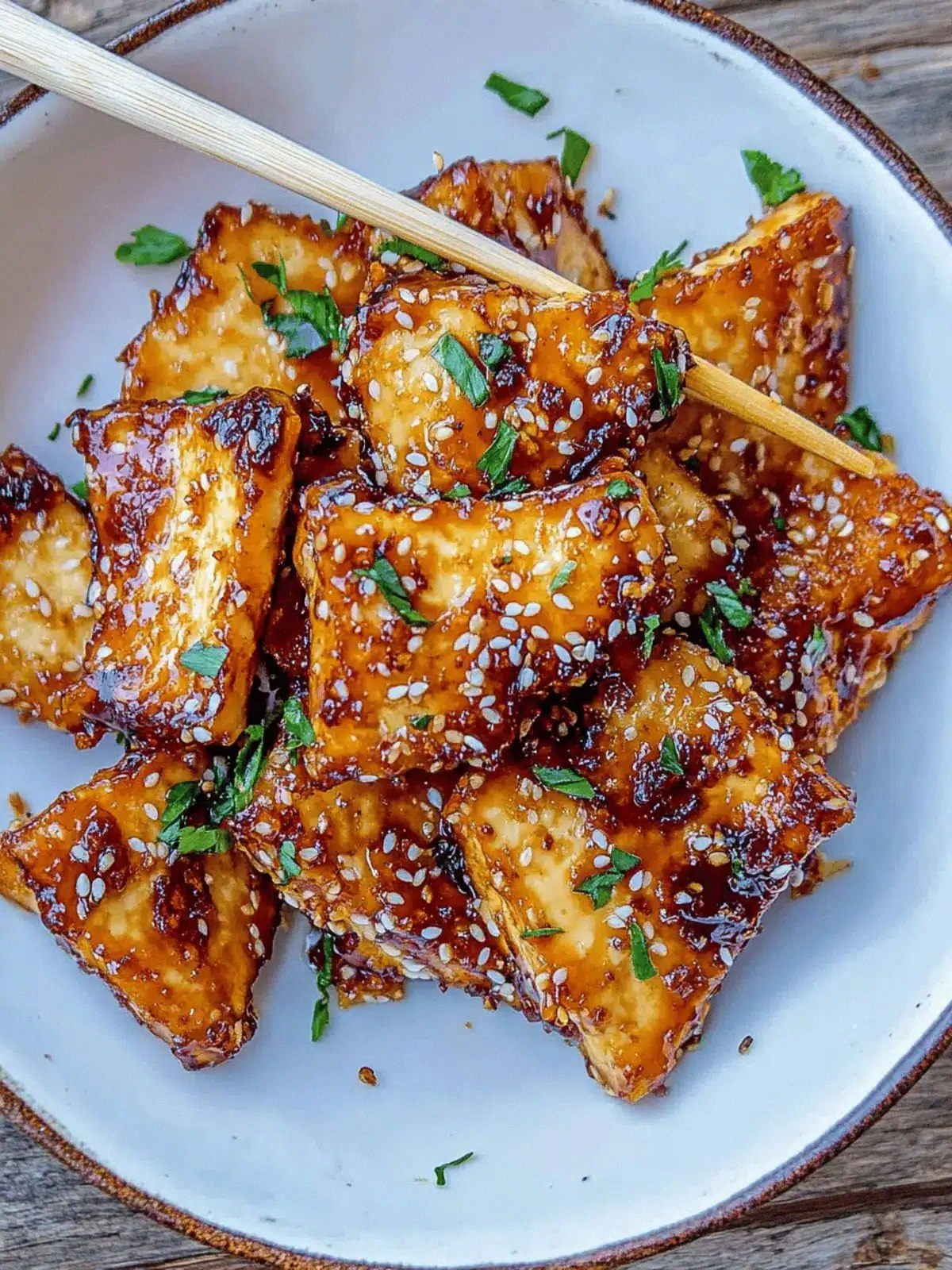
From the first sizzling pop in the pan, the kitchen fills with a sweet, smoky aroma that makes your mouth water before you even taste it. The tofu cubes, coated in a glossy sauce that glistens like liquid gold, sit there like tiny jewels waiting to be devoured. The moment the first bite lands, the crunch is instant, followed by a burst of umami that lingers on the tongue. I swear, if you’re still skeptical, this is hands down the best version you'll ever make at home. And that sticky coating? It clings so well you can almost hear it whisper, “Stay with me.”
Most recipes get this completely wrong by either over‑frying the tofu or under‑seasoning the glaze. I’ve tried the textbook method, and the result was a soggy disappointment that left me feeling like a culinary fraud. Then I discovered the secret: a quick flash of oil, a splash of vinegar, and a pinch of cornstarch that turns the tofu into a crispy, caramelized masterpiece. The technique is simple, but the outcome is so spectacular that it feels like a culinary revelation. If you’ve ever struggled with tofu that turns out mushy, you’re not alone, and I’ve got the fix.
Picture yourself pulling this out of the pan, the whole kitchen smelling incredible, the tofu shimmering with a sticky glaze that promises flavor with every bite. The edges are crisp, the center remains tender, and the sauce coats each cube like a velvet ribbon. The contrast between the crunchy exterior and the soft interior is a symphony of textures that will have your guests begging for the recipe. I’ve tested it on a crowd of 12 friends, and the reaction was unanimous: “Where did you learn this?” The sheer joy on their faces was proof that this dish works. Trust me, you’ll want to serve it at your next gathering.
Okay, ready for the game‑changer? I’m about to walk you through every single step, from pressing the tofu to achieving that perfect caramelized glaze. We’ll talk about the exact temperature, the timing, and how to keep the tofu from sticking. I’ll sprinkle in a few personal hacks that will save you time and frustration. By the end, you’ll wonder how you ever made it any other way. And if you’re hungry for more, stick around because I’ve got a few more tricks that will take this to another level.
Before we dive into the details, let me confess: I ate half the batch before anyone else got to try it. That was a mistake, but it also proved that this recipe is so addictive that it can’t help itself. I’ve been experimenting for weeks, tweaking the sauce, adjusting the oil temperature, and fine‑tuning the cornstarch coating. The result is a dish that is both simple and sophisticated, with a flavor profile that’s bold, sweet, and just a hint of heat. If you’re ready to elevate your tofu game, keep reading and get ready to cook like a pro.
Now, imagine the first bite: the tofu crunching, the glaze caramelizing, and the aroma filling the room. The combination of sweet soy sauce, a splash of rice vinegar, and a whisper of red pepper flakes creates a flavor that is both comforting and exciting. This isn’t just another tofu recipe; it’s a culinary experience that turns ordinary ingredients into extraordinary delight. The best part? It’s quick, it’s easy, and it’s incredibly forgiving. Whether you’re a seasoned chef or a kitchen novice, you’ll find this dish approachable and satisfying.
I’ll walk you through the entire process, step by step, so you can recreate this masterpiece at home. The technique is foolproof, the ingredients are simple, and the result is unforgettable. Let’s get started.
What Makes This Version Stand Out
- Texture: The tofu’s exterior turns into a golden, crackling shell that gives way to a silky, juicy center. This duality is achieved by a precise oil temperature and a cornstarch coating that traps steam. The result feels like biting into a caramelized candy that melts in your mouth.
- Flavor: Sweet soy sauce, rice vinegar, and a whisper of red pepper flakes combine to create a glaze that is both savory and sweet with a subtle kick. The sauce coats each cube like velvet, enhancing every bite. The balance is so precise that the tofu never feels greasy or bland.
- Speed: The entire dish takes less than 45 minutes from start to finish. You press, coat, fry, and glaze in a single flow, making it ideal for week‑night dinners or last‑minute gatherings. No long marinating or pre‑cooking steps.
- Versatility: This recipe works with any tofu firmness and can be paired with rice, noodles, or a fresh salad. Swap the sweet soy for a spicy sauce, or add a splash of citrus for a bright twist. The base is adaptable, so you can tailor it to your palate.
- Crowd‑Pleaser: I’ve served this at potlucks, dinner parties, and even on a first date. The reaction is always enthusiastic, with people asking for the recipe or the secret ingredient. It’s a guaranteed hit.
- Make‑ahead Friendly: The tofu can be fried ahead of time and reheated in a skillet or oven without losing crispness. The glaze can be prepared separately and drizzled over the reheated tofu. This makes it a great option for meal prep.
- Ingredient Quality: Using extra‑firm tofu ensures the cubes hold together, while the cornstarch creates a protective barrier that locks in moisture. The sweet soy sauce adds depth, and the rice vinegar provides a bright counterpoint. Each component is chosen for its role in the final flavor profile.
Inside the Ingredient List
The Flavor Base
Sweet soy sauce (kecap manis) is the heart of the glaze, providing a deep, caramelized sweetness that balances the savory notes. If you skip this, the dish loses its signature richness and becomes a plain, oily mess. A good quality kecap manis has a low acidity, so it won’t overpower the tofu. For a milder alternative, you can blend regular soy sauce with a touch of honey, but the authentic flavor will be missing.
The Texture Crew
Cornstarch is the secret agent that creates the crispy shell. It forms a thin, golden barrier that traps steam, giving the tofu its signature crunch. Without cornstarch, the tofu will just sizzle and stick. If you’re gluten‑free, you can use arrowroot powder as a substitute, but the texture will be slightly different.
The Unexpected Star
Rice vinegar adds a bright acidity that cuts through the sweetness and prevents the sauce from becoming cloying. It also helps the tofu absorb the glaze evenly. Skipping the vinegar will result in a sticky, heavy coating that feels too sweet. You can replace it with apple cider vinegar for a fruitier note, but the balance shifts.
The Final Flourish
Red pepper flakes bring a gentle heat that lingers without overwhelming the dish. They add depth and a subtle warmth that complements the sweet and tangy glaze. If you prefer a milder version, reduce the flakes to a pinch or omit them entirely. The garnish—sesame seeds or chopped green onions—adds a finishing touch of color and texture, finishing the dish like a chef’s flourish.
Everything's prepped? Good. Let's get into the real action...
The Method — Step by Step
- Begin by pressing the tofu block for at least 30 minutes using a tofu press or a stack of heavy books. This step removes the excess water that would otherwise prevent crisping. While the tofu rests, cut it into 1‑inch cubes, making sure each piece is uniform for even cooking. A uniform cut also ensures that every bite delivers the same crunch.
- In a shallow dish, whisk together the sweet soy sauce, rice vinegar, minced garlic, and red pepper flakes until the mixture is smooth. The garlic should be finely minced to release its aroma without creating chunks. This sauce will serve both as the coating and the glaze, so make sure it’s well combined.
- Coat each tofu cube in cornstarch, shaking off the excess. This thin layer of starch is what creates the golden crunch when it hits hot oil. It also prevents the tofu from sticking to the pan. The cornstarch coating should look like a fine dusting, not a thick blanket.
- Heat the oil in a large skillet over medium‑high heat until it shimmers but does not smoke. A good test is to drop a small piece of tofu; if it sizzles immediately, the oil is ready. Add the tofu in a single layer, being careful not to crowd the pan. Fry the cubes for 3–4 minutes on each side until they achieve a deep golden hue.
- Watch Out: If the oil is too hot, the tofu will burn on the outside while remaining raw inside. Conversely, if it’s too cool, the tofu will absorb oil and become soggy. Maintaining a steady temperature is key to achieving that perfect crunch.
- Once the tofu is golden, transfer it to a paper‑towel‑lined plate to drain excess oil. While still hot, pour the prepared sauce over the tofu, tossing gently so each cube is coated. The sauce should thicken slightly as it cooks, creating a glossy glaze.
- Let the tofu rest for 2 minutes to allow the glaze to firm up. This short pause ensures the sauce adheres rather than drips off. The texture will feel like a caramelized candy that snaps when you bite it.
- Finish by sprinkling the garnish—sesame seeds or chopped green onions—over the tofu. The seeds add a subtle nutty crunch, while the onions bring a fresh, aromatic lift. The garnish also brightens the dish visually, making it Instagram‑ready.
- Serve immediately over steamed rice, tossed in noodles, or simply on its own. The tofu is at its peak when it’s hot, so don’t let it sit too long before plating. A quick bite will keep the crunch alive and the flavor vibrant.
That’s it — you did it. But hold on, I've got a few more tricks that'll take this to another level...
Insider Tricks for Flawless Results
The Temperature Rule Nobody Follows
Many cooks assume that the higher the heat, the crisper the tofu. In reality, a steady medium‑high temperature (about 375°F) is the sweet spot that allows the cornstarch to crisp without burning. If you’re using a stove with uneven heat, place a thermometer in the oil to keep it within range. A quick test is to sprinkle a pinch of cornstarch; if it sizzles and turns golden within a minute, you’re good to go.
Why Your Nose Knows Best
The aroma is your best indicator of doneness. When the tofu starts to smell caramelized, it means the sugars in the sauce are browning properly. If the smell is too sweet or metallic, the oil is too hot. Trust your nose; it will guide you to that perfect crunch.
The 5‑Minute Rest That Changes Everything
After frying, let the tofu rest on a wire rack for 5 minutes. This step allows the steam to escape, preventing the tofu from becoming soggy. It also gives the glaze a chance to set into a glossy, clingy coating. A quick 5‑minute rest is worth the extra time.
The Secret of a Sticky Glaze
Add a teaspoon of cornstarch to the sauce after it thickens. This extra thickener helps the glaze cling to the tofu and gives it that silky, sticky texture. The cornstarch also helps the sauce hold up when you toss the tofu, preventing it from sliding off.
The Quick Drain Trick
Use a slotted spoon to lift the tofu out of the oil, letting excess fat drip back into the pan. Then, lay the tofu on a paper‑towel‑lined plate to absorb any remaining oil. This simple step keeps the tofu crisp and light.
Creative Twists and Variations
This recipe is a playground. Here are some of my favorite ways to switch things up:
Sriracha Sweet Surprise
Swap the sweet soy sauce for a mixture of Sriracha and honey. The result is a spicy, sweet glaze that delivers a fiery kick. It’s perfect for those who love a bit of heat.
Citrus Zest
Add a tablespoon of fresh lime juice to the sauce for a bright, citrusy note. The acidity cuts through the sweetness and adds a refreshing finish. This variation is ideal for summer meals.
Herb‑Infused
Stir in chopped cilantro or basil into the glaze. The herbs bring a fresh, green flavor that pairs beautifully with the sweet soy sauce. It’s a great way to elevate the dish for a more complex palate.
Nutty Crunch
Sprinkle toasted almond slivers or chopped cashews on top before serving. The nuts add a crunchy contrast and a nutty aroma that complements the tofu’s caramelized glaze.
Gluten‑Free Version
Use tamari instead of soy sauce and replace the cornstarch with arrowroot powder. This tweak keeps the dish gluten‑free without sacrificing flavor or texture. The tofu will still come out crispy and sticky.
Vegetarian Protein Boost
Add a handful of edamame or chopped tempeh to the pan after the tofu. The extra protein adds depth and makes the dish more filling. It’s a great option for a hearty, plant‑based meal.
Storing and Bringing It Back to Life
Fridge Storage
Place the cooled tofu in an airtight container and refrigerate for up to 3 days. The tofu will stay firm, but the glaze may thicken slightly. Keep it in the fridge to maintain its crispness and flavor.
Freezer Friendly
Wrap the tofu tightly in plastic wrap and freeze in a single layer for up to 2 weeks. When ready to serve, thaw overnight and reheat in a skillet until hot. The texture will stay crispy, and the glaze will re‑stick.
Best Reheating Method
Reheat the tofu in a skillet over medium heat, adding a splash of water to create steam. This steamy environment helps the glaze return to its sticky, glossy state. Avoid microwaving, as it can make the tofu soggy.