I still remember the night I was supposed to host a dinner party and the kitchen turned into a culinary battlefield. The pasta had been boiled to mush, the tomatoes were bruised beyond recognition, and the garlic was so raw it made me want to throw my hands up in surrender. That disaster taught me that a single ingredient, a single technique, could rescue an entire meal. I was determined to find that secret sauce, that one touch that turns ordinary veggies into a symphony of flavors.
Fast forward to this moment, and I’ve cracked the code: a pasta primavera that feels like a hug in a bowl, yet is fresh enough to taste like a spring garden. The aroma of sautéed garlic and bright tomato juices dances through the air, while the sight of emerald zucchini ribbons and speckled asparagus spears invites the eye. When you bite into the pasta, the sauce clings like velvet, coating each strand without weighing it down. The crunch of lightly blistered onions and the subtle heat from pepper flakes create a rhythm that sings in your mouth.
What sets this version apart is not just the ingredients, but the way they’re brought together. I’ve stripped away any unnecessary steps, keeping the process as breezy as a Sunday afternoon. The balance of textures—crisp veggies, silky sauce, al dente pasta—is engineered to keep every bite exciting. And I’ll be honest, I ate half the batch before anyone else got a taste. That’s the power of this dish: it’s so good you’ll want to double the portions.
Now, I’ll walk you through every single step. By the end, you’ll wonder how you ever made it any other way. I dare you to taste this and not go back for seconds. Trust me, this is hands down the best version you’ll ever make at home.
What Makes This Version Stand Out
- Taste: The sauce is a bright, herbaceous blend that lifts the natural sweetness of the tomatoes. The lemon zest and juice cut through the richness, leaving a clean finish.
- Texture: The pasta remains al dente, while the vegetables are cooked just until tender, preserving their vibrant colors and crisp edges that shatter like thin ice.
- Simplicity: With fewer than a dozen ingredients, you can have dinner on the table in less than an hour. No complicated reductions or multiple pans.
- Uniqueness: The combination of asparagus and peas introduces a subtle earthiness that most primavera recipes overlook.
- Ingredient Quality: Using fresh, seasonal produce ensures each bite bursts with flavor. The parmesan is grated fresh for maximum aroma.
- Crowd Reaction: Friends who’ve tried other pastas rave about how this dish feels like a spring picnic in a bowl.
- Make‑ahead Potential: The sauce can be prepped a day ahead, allowing the pasta to cook just before serving for peak freshness.
- Health Balance: With a generous portion of vegetables and a moderate amount of cheese, it satisfies both taste buds and nutrition goals.
Inside the Ingredient List
The Flavor Base
Olive oil is the foundation that brings the garlic and vegetables together. It carries the aromatic compounds, ensuring each bite has a silky mouthfeel. Skipping the oil would leave the sauté dry and cause the garlic to burn. If you’re watching calories, a tablespoon of avocado oil works just as well, offering a milder taste.
Garlic is the heart of the sauce. It imparts depth and a gentle heat that lingers long after you finish a forkful. Use fresh cloves for a bright punch; pre‑minced or jarred garlic can feel flat. If you’re sensitive to garlic, reduce the amount to two cloves and add a splash of white wine to maintain complexity.
Red pepper flakes add a subtle kick that balances the sweet tomatoes. A half teaspoon is enough to give a gentle warmth without overpowering the freshness. For a milder version, omit the flakes entirely; the dish remains vibrant thanks to the lemon and basil.
The Vegetable Crew
Cherry tomatoes burst with juice, their skins thin enough to blister in the pan. They provide a sweet counterpoint to the peppery asparagus. If you can’t find cherry tomatoes, grape tomatoes work just as well; just adjust the size for uniform cooking.
Zucchini adds a tender, almost buttery texture that soaks up the sauce beautifully. Slice it into half‑moon ribbons to maximize surface area. For a slightly sweeter bite, try sautéing the zucchini first until caramelized before adding the rest.
Asparagus offers a distinct crunch and a grassy undertone that elevates the dish. Trim the woody ends and cut into bite‑sized pieces. If you prefer a softer texture, blanch the asparagus briefly before sautéing.
Peas bring a pop of green and a subtle sweetness that harmonizes with the lemon. Use fresh peas for the best flavor; frozen peas can be added directly from the freezer, but watch for excess moisture.
Red onion lends a gentle sharpness that becomes mellow as it cooks. Slice thinly to allow it to caramelize without burning. For a sweeter profile, use a small amount of brown sugar during the sauté.
The Unexpected Star
Fresh basil is the finishing flourish that turns the dish from good to unforgettable. The leaves are torn to release their oils, giving a burst of green aroma. If basil is out of season, parsley offers a similar brightness, though the flavor profile shifts slightly.
Lemon is the final touch that brightens the entire dish. The zest adds a bright citrus note, while the juice cuts the richness of the cheese and oil. Use a microplane for zest to avoid bitter pith.
The Final Flourish
Parmesan cheese provides a nutty, salty finish that balances the acidity of the tomatoes and lemon. Grate it fresh to release the full aroma. If you’re lactose intolerant, try a vegan parmesan alternative made from nuts.
Everything's prepped? Good. Let's get into the real action.
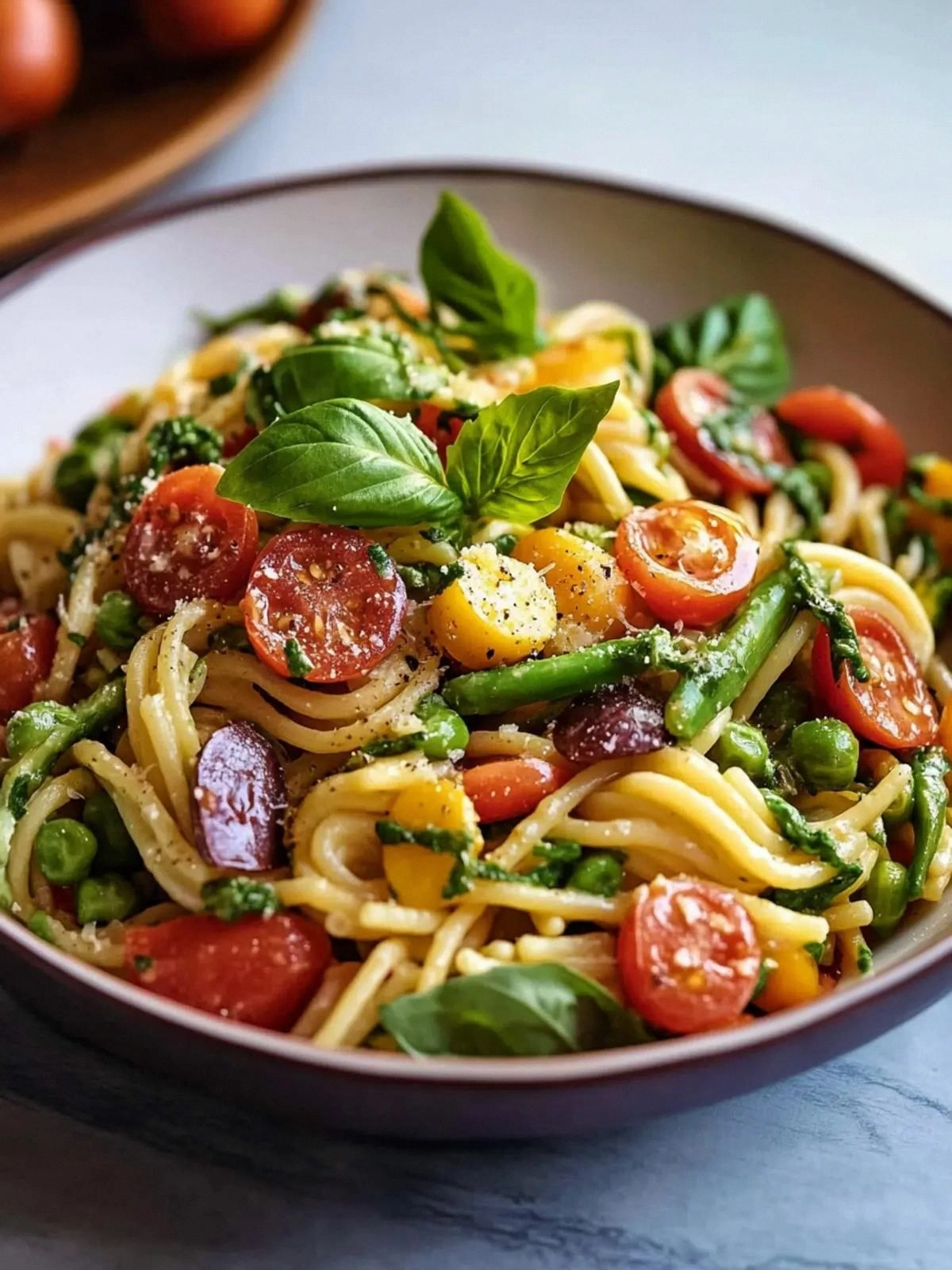
The Method — Step by Step
- Bring a large pot of salted water to a rolling boil. The water should be as salty as the sea, because the pasta needs seasoning from the inside. Add the short pasta and cook for 8-10 minutes, or until al dente. Stir occasionally to prevent sticking.
- While the pasta cooks, heat the olive oil in a large skillet over medium heat. The oil should shimmer but not smoke. Add the minced garlic and sauté for 30 seconds until fragrant. Keep the garlic from browning; a golden hue is ideal.
- Add the red pepper flakes and stir. They should sizzle softly, releasing their heat into the oil. Then toss in the cherry tomatoes, letting them blister for 3-4 minutes. The skins should start to split, releasing juices.
- Introduce the zucchini ribbons to the skillet. Cook for 2 minutes, allowing them to soften but still retain a slight bite. The zucchini should become translucent and slightly caramelized.
- Add the asparagus pieces and peas. Sauté everything together for another 3-4 minutes, until the asparagus is bright green and just tender. The peas should be plump and slightly glossy.
- Pour in the juice of one lemon and sprinkle in the zest. Stir to combine. The citrus should brighten the sauce, cutting through the richness of the olive oil.
- Drain the pasta, reserving a cup of the cooking water. Toss the pasta into the skillet, adding a splash of the reserved water to loosen the sauce. The pasta should be coated in a silky, herbaceous mixture.
- Remove the skillet from heat and stir in the grated parmesan. The cheese will melt into a creamy coating, binding everything together. Then fold in the torn basil leaves, letting their aroma fill the room.
- Taste and adjust seasoning with salt or extra lemon juice if needed. Plate immediately, garnishing with a few extra basil leaves for color.
- Serve hot, accompanied by crusty bread if desired. The bread will soak up the remaining sauce, making each bite a treasure.
That's it — you did it. But hold on, I've got a few more tricks that'll take this to another level.
Insider Tricks for Flawless Results
The Temperature Rule Nobody Follows
Heat the skillet just before adding garlic. If the pan is too hot, garlic burns and tastes bitter; if too cool, the garlic releases no flavor. Aim for a medium heat that keeps the oil shimmering but not smoking. This simple tweak can be the difference between a good dish and a great one.
Why Your Nose Knows Best
Before you taste, sniff the sauce. A bright, citrusy aroma signals the lemon is fresh and the tomatoes are ripe. If the scent feels flat, let the sauce simmer for a minute longer to develop depth. Your nose is a reliable guide for seasoning.
The 5‑Minute Rest That Changes Everything
After tossing the pasta, let the skillet sit, covered, for five minutes. This resting period allows the flavors to mingle and the sauce to thicken slightly. It also lets the pasta absorb the sauce, resulting in a more cohesive bite.
The Secret of Fresh Basil
Tear the basil leaves right before adding them to the dish. This releases the essential oils that give basil its signature aroma. If you leave the leaves whole, they’ll wilt quickly, losing their bright flavor.
The Parmesan Trick
Grate the parmesan just before serving. Grated cheese holds its flavor better than pre‑grated packages, which often contain additives to prevent clumping. Freshly grated cheese also melts more evenly, creating a silky coating.
The Lemon Timing
Add the lemon juice after the pasta is in the skillet, not before. If you pour lemon too early, the acidity can cause the sauce to separate. Adding it at the end keeps the sauce smooth and bright.
Creative Twists and Variations
This recipe is a playground. Here are some of my favorite ways to switch things up:
Mediterranean Medley
Swap the peas for artichoke hearts and add sun‑dried tomatoes for a chewy contrast. Sprinkle toasted pine nuts on top for crunch. This version feels like a Mediterranean picnic, with smoky flavors that pair wonderfully with feta cheese.
Spicy Cajun Kick
Add a tablespoon of Cajun seasoning to the skillet before the tomatoes. Replace the lemon with a splash of lime juice. The result is a zesty, spicy pasta that feels like a summer evening on the bay.
Creamy Mushroom Twist
Sauté sliced cremini mushrooms with the garlic, letting them release their umami. Stir in a tablespoon of cream after adding the pasta. The creamy texture balances the bright vegetables, creating a dish that feels indulgent yet light.
Protein Power Up
Add cooked shrimp or grilled chicken to the pasta for a protein boost. Toss them in during the final minutes of cooking so they stay juicy. This variation turns the dish into a complete, satisfying meal.
Vegan Version
Replace the parmesan with nutritional yeast for a cheesy, nutty flavor. Use a plant‑based olive oil or avocado oil. The dish remains vibrant, with the same bright citrus notes and fresh veggies.
Winter Warmth
Swap zucchini for roasted butternut squash cubes and add a pinch of nutmeg. The sweet, earthy flavor pairs beautifully with the lemon and basil. Serve with a side of roasted Brussels sprouts for a hearty winter dinner.
Storing and Bringing It Back to Life
Fridge Storage
Cool the pasta completely before placing it in an airtight container. Store in the refrigerator for up to 3 days. The sauce may thicken slightly; a splash of water or milk can re‑loosen it when reheating.
Freezer Friendly
Wrap the pasta tightly in foil or plastic wrap and place it in a freezer bag. It will keep for up to 2 months. Thaw overnight in the fridge before reheating.
Best Reheating Method
Reheat the pasta in a skillet over medium heat, adding a small splash of water or broth. Stir constantly until the sauce is heated through. This method preserves the texture and prevents the sauce from drying out.