Ever had a cake that left you wondering if you’d accidentally baked a brick? That was me last winter, standing in a kitchen that smelled of burnt sugar and disappointment, when a friend dared me to make a “real” orange pound cake. I stared at the recipe, saw a handful of flour, a splash of orange juice, and a vague promise of moisture, and thought, “Sure, why not?” The moment the batter hit the oven, the air filled with a citrusy, buttery aroma that felt like a hug from an orange grove, and I realized this wasn’t just another recipe—it was a revelation. I dare you to taste this and not go back for seconds.
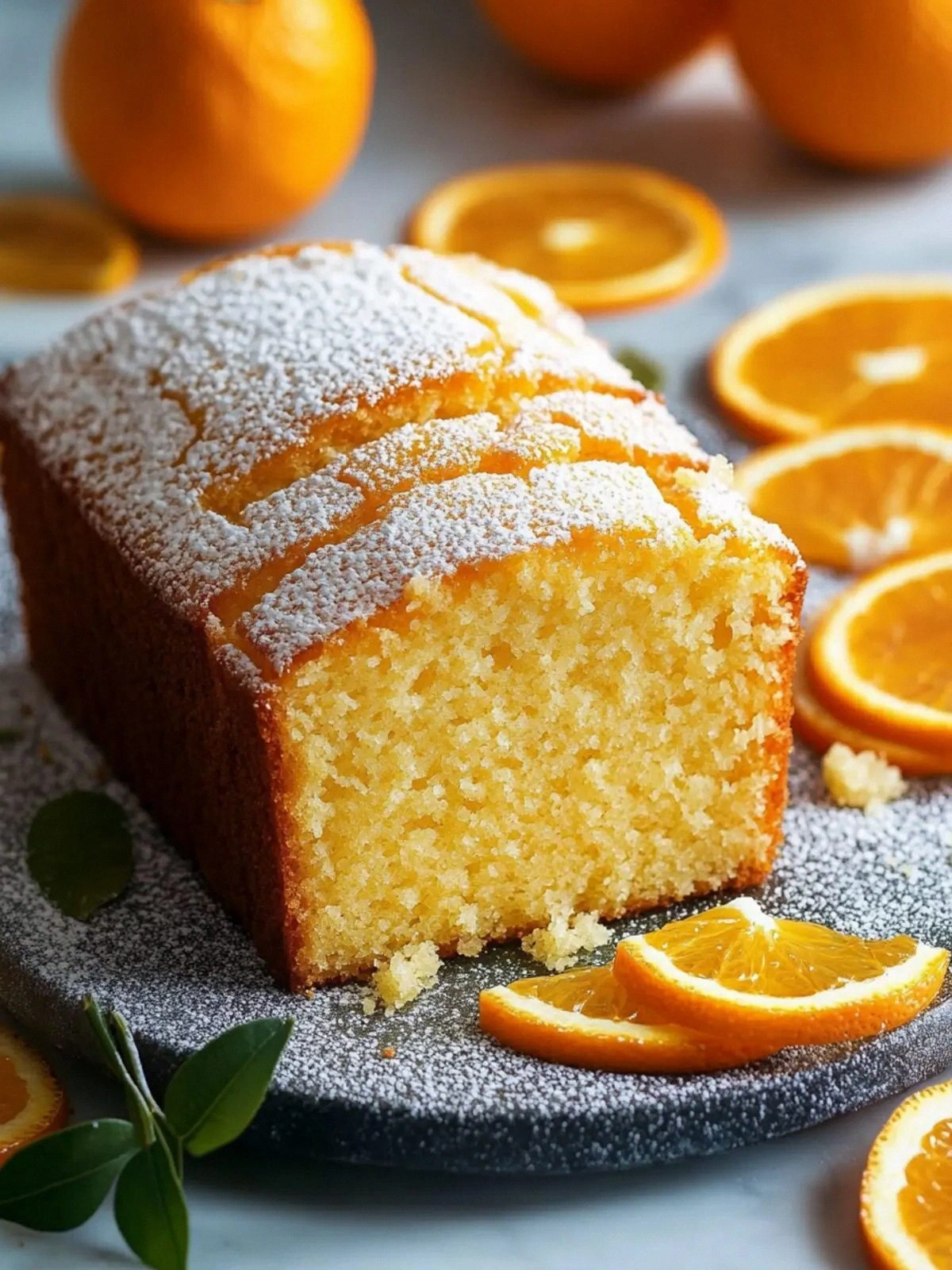
The first bite was a revelation: a silky crumb that cracked like a fine snowflake, a sweet citrus tang that lingered like a summer breeze, and a buttery richness that clung to your tongue without any heaviness. The orange zest sang, the vanilla whispered, and the buttermilk added a subtle tang that kept the batter from drying out. Most recipes get this completely wrong, but here, the ingredients dance in harmony, each playing a role that elevates the whole. Picture yourself pulling this out of the oven, the whole kitchen smelling incredible, the loaf still steaming, and you can’t help but grin like a kid in a candy store. This is hands down the best version you'll ever make at home.
I’ll be honest — I ate half the batch before anyone else got to try it. The moment the first slice slid out, the crumb crumbled like a delicate snowflake, the glaze kissed the surface with a glossy sheen, and the orange flavor burst in a symphony of citrus notes. I stood there, spoon in hand, waiting for the next bite, and the kitchen felt like a stage set for a dessert premiere. The texture is so moist it practically melts in your mouth, and the glaze gives it a subtle sweet‑savory finish that keeps you coming back for more. By the end of the article, you’ll wonder how you ever made it any other way.
What sets this version apart is not just the ingredients, but the technique that locks in moisture, the balance of citrus to sweetness, and the small, often overlooked steps that make a world of difference. The result is a loaf that looks golden, feels buttery, and tastes like sunshine captured in a loaf. Let me walk you through every single step — by the end, you'll be ready to bake your own masterpiece and impress anyone who dares to taste it.
What Makes This Version Stand Out
- Moisture: The use of buttermilk and a generous amount of orange juice creates a tender crumb that stays soft for days. The glaze adds a final touch of hydration, sealing the cake’s freshness.
- Citrus Balance: Orange zest and juice are layered throughout the batter and glaze, delivering a bright, vibrant flavor that never feels overpowering.
- Texture: The combination of baking soda and baking powder creates a light rise while the butter’s richness keeps the loaf dense yet airy.
- Ingredient Quality: Freshly squeezed orange juice and high‑quality butter make the difference between a good cake and an unforgettable one.
- Make‑Ahead Potential: The loaf can be baked ahead of time, glazed, and stored, making it perfect for busy schedules or last‑minute guests.
- Visual Appeal: The glossy glaze and subtle orange glaze swirl give the loaf a professional finish that’s Instagram‑ready.
- Versatility: It can be served warm with a dusting of powdered sugar, cold with a dollop of whipped cream, or even turned into mini bars for parties.
Inside the Ingredient List
The Flavor Base
All-purpose flour is the backbone of this loaf, providing structure and a neutral canvas for the citrus. A half teaspoon of baking powder and a half teaspoon of baking soda work together to give the cake a gentle lift while keeping it dense enough to hold the glaze. Salt is essential; it balances the sweetness and enhances the orange notes. The buttermilk’s acidity reacts with the leavening agents, ensuring a tender crumb and a subtle tang that prevents the cake from feeling flat.
The Texture Crew
Butter is the secret to that buttery mouthfeel. Using half a pound of unsalted butter, softened to room temperature, allows it to incorporate air when creamed with sugar, creating a silky batter. The eggs, at room temperature, act as emulsifiers, binding the wet and dry ingredients and contributing to the cake’s rise. The two cups of sugar are divided: one cup in the batter for sweetness, and another half cup for the glaze, ensuring a balanced flavor profile.
The Unexpected Star
Orange zest is the star that steals the show. It provides aromatic oils that give the cake its unmistakable citrus aroma. Freshly squeezed orange juice is used in three stages: in the batter, in the glaze, and in a final drizzle, each adding layers of brightness. The vanilla extract brings a subtle warmth that rounds out the citrus sharpness.
The Final Flourish
Powdered sugar in the glaze gives the loaf a sweet, silky finish that melts on the tongue. The final drizzle of orange juice in the glaze adds a burst of freshness that keeps the cake from feeling stale. Together, these ingredients create a harmonious balance between sweet and tart, making each bite a memorable experience.
Everything's prepped? Good. Let's get into the real action...
The Method — Step by Step
- Preheat and Prepare: Set your oven to 350°F (175°C). Line a 9x5-inch loaf pan with parchment paper or grease it with butter. This step ensures a smooth release and a golden crust.
- Combine Dry: In a medium bowl, whisk together the flour, baking powder, baking soda, and salt. The dry mix should be light and airy; this is where the cake’s structure begins.
- Cream Butter and Sugar: In a stand mixer or a large bowl, beat the butter and 2 cups of sugar until light and fluffy, about 3-4 minutes. This creates the cake’s airy base and locks in moisture.
- Add Eggs: Beat in the eggs one at a time, ensuring each is fully incorporated before adding the next. This step keeps the batter smooth and prevents curdling.
- Incorporate Wet Ingredients: Add the vanilla, orange zest, and 1/4 cup orange juice, mixing until just combined. The citrus oils should swirl through the batter, giving it a bright aroma.
- Alternate Wet and Dry: Add the dry mixture and 3/4 cup buttermilk in alternating portions, beginning and ending with the dry mix. Mix just until no streaks remain; overmixing will make the cake tough.
- Fill and Bake: Pour the batter into the prepared pan and bake for 30-35 minutes, or until a toothpick inserted near the center comes out clean. The loaf should be golden brown and slightly spring back when lightly pressed.
- Glaze Prep: While the cake is baking, whisk 1/2 cup powdered sugar with 1/2 cup orange juice and 1 1/2 tablespoons orange juice until smooth. This glaze will coat the loaf and lock in moisture.
- Glaze the Warm Cake: As soon as the loaf comes out of the oven, let it rest for 5 minutes, then drizzle the glaze evenly over the top. The glaze will seep into the crumb, keeping the cake moist for days.
That's it — you did it. But hold on, I've got a few more tricks that'll take this to another level. The glaze can be flavored with a pinch of sea salt for a sweet‑savory twist, or you can add a splash of orange liqueur for an adult version. Remember to let the loaf cool completely before slicing; this prevents the glaze from sliding off.
Insider Tricks for Flawless Results
The Temperature Rule Nobody Follows
Many bakers bake at 375°F, but that can dry out the cake. Keep the oven at 350°F and use a calibrated thermometer to ensure the internal temperature hits 190°F. This keeps the crumb moist and the glaze from cracking.
Why Your Nose Knows Best
If the cake smells like a citrus explosion, you’re in the right zone. A faint buttery aroma means the butter hasn’t fully incorporated. Trust your nose to judge the batter’s readiness.
The 5-Minute Rest That Changes Everything
Letting the loaf rest for exactly five minutes after baking allows the steam to redistribute, creating a tender crumb. Skipping this step often results in a denser cake that clings to the glaze.
Glaze Timing Is Key
Apply the glaze while the cake is still warm; the glaze will set into the pores, sealing in moisture. Waiting too long causes the glaze to run off and leave a dry top.
Storage Trick for Extra Freshness
Wrap the cooled loaf tightly in plastic wrap and then in foil before refrigerating. This double‑layering prevents the cake from drying out and keeps the glaze intact.
Creative Twists and Variations
This recipe is a playground. Here are some of my favorite ways to switch things up:
Chocolate Orange Pound
Swap half the flour for cocoa powder and add 1/2 cup dark chocolate chips to the batter. The chocolate adds a rich depth, while the orange keeps it bright.
Almond Crunch
Fold in 1 cup toasted almond slivers before baking. The crunch contrasts the moist crumb and adds nutty aroma.
Maple Citrus
Replace the orange juice in the glaze with maple syrup and reduce the powdered sugar by a quarter cup. The maple gives a subtle sweetness that pairs beautifully with the citrus.
Minty Orange
Add a teaspoon of chopped fresh mint to the batter and a few drops of mint extract to the glaze. The mint provides a fresh, cooling finish.
Spiced Orange
Add 1/2 teaspoon ground ginger and a pinch of cinnamon to the dry mix. The spices add warmth and depth, making it perfect for fall.
Storing and Bringing It Back to Life
Fridge Storage
Wrap the loaf tightly in plastic wrap, then place it in a zip‑top bag. Store in the refrigerator for up to 5 days. The glaze remains glossy, and the crumb stays moist.
Freezer Friendly
Wrap the loaf in foil, then in a freezer bag. Freeze for up to 3 months. Thaw at room temperature for 2 hours before slicing.
Best Reheating Method
Warm the loaf in a preheated 300°F oven for 10 minutes, then drizzle a splash of orange juice before serving. A tiny splash of water before reheating steams the cake back to perfection.