Picture this: I’m standing in a cramped kitchen, the oven timer ticking, and a piece of bone‑in leg of lamb sitting on the counter like a stubborn rock. My friends had dared me to make a “heroic” Easter roast, and I thought, “Sure thing.” I pulled out every herb I could find, slathered the lamb with olive oil, and set the oven to 400°F. The moment the lamb hit the hot surface, a symphony of sizzling sounds erupted, and the kitchen filled with a scent so intoxicating that even the cat paused mid‑pounce. That was the first taste of the magic we’d be sharing.
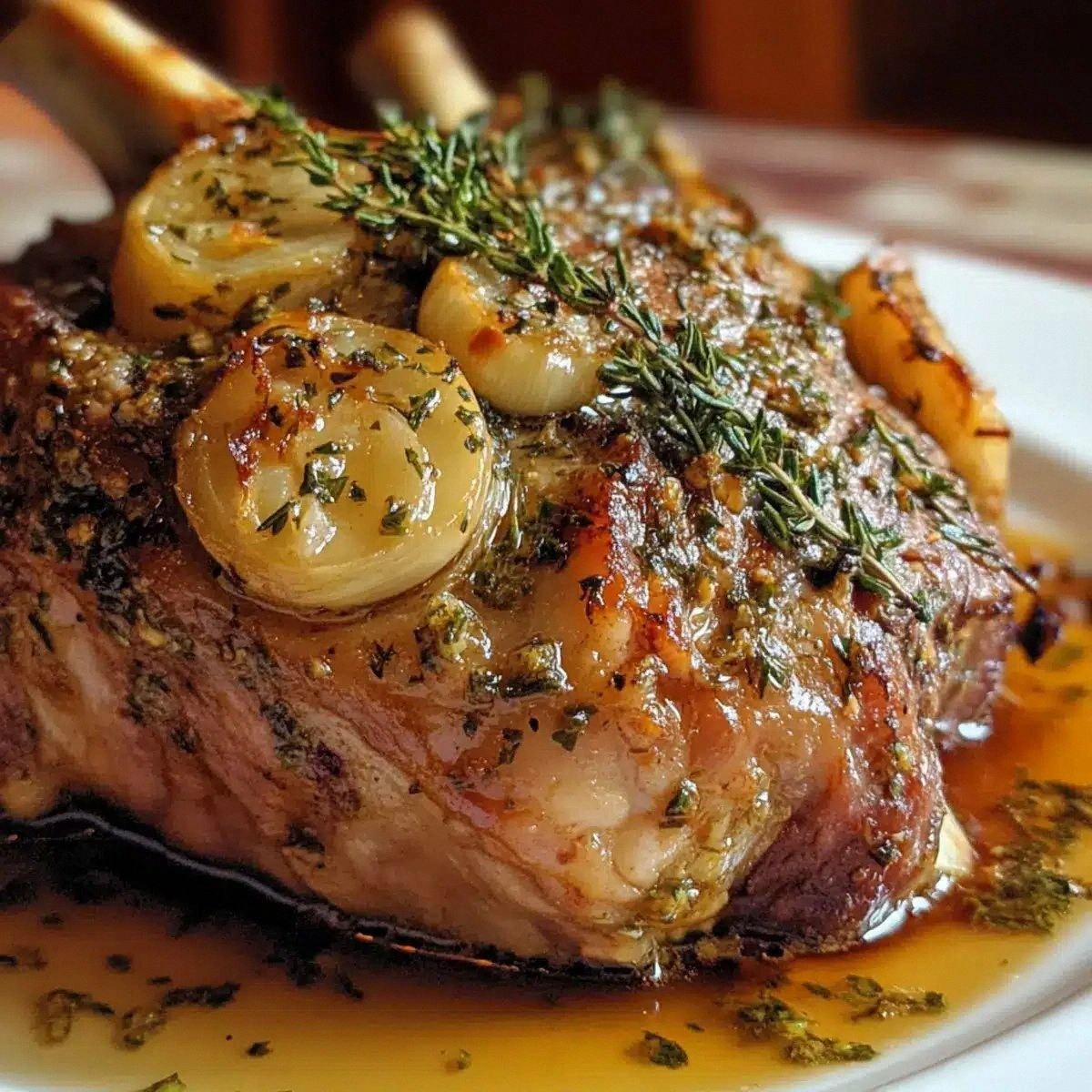
Now, let’s step back and breathe in the full sensory orchestra. The lamb’s skin turns a deep, caramelized brown, its surface crackling like a fine crusted loaf. Inside, the meat is a tender, pink jewel, its juices mingling with the aromatic steam of rosemary and thyme. The garlic cloves, when sliced, release a sweet, almost buttery aroma that lingers on the air. You can hear the gentle hiss of the oven as the roast slowly transforms, and the first bite feels like a velvet ribbon of flavor that clings to your palate. I swear, the moment the first slice slides onto your plate, the whole room pauses—just for a heartbeat.
What makes this version of the classic Easter leg of lamb truly stand out is not just the ingredients—it’s the way they dance together. I’ve trimmed the recipe to its core, letting the lamb speak for itself while the herbs and wine amplify its natural richness. The result is a roast that’s both humble and extravagant, a dish that feels like a secret family recipe you’re finally allowed to share. I dare you to taste this and not go back for seconds. That’s the promise I’m making: this is hands down the best version you'll ever make at home.
There’s a twist you won’t see in most recipes: a splash of red wine, not just for flavor but to keep the meat moist and the jus silky. And because I love a good hack, I’ll reveal how to turn the leftover garlic into a quick, savory spread that pairs wonderfully with crusty bread. Stay with me here—this is worth it. Let me walk you through every single step — by the end, you’ll wonder how you ever made it any other way.
What Makes This Version Stand Out
- Taste: The lamb’s natural succulence is elevated by a bold herb blend that coats each bite, leaving a lingering, savory aftertaste that feels like a warm hug.
- Texture: The skin crisps to a golden, crackling perfection while the interior remains juicy and tender, creating a delightful contrast in every forkful.
- Ingredient Quality: Using a single bone‑in leg of lamb keeps the flavor pure, while fresh rosemary, thyme, and garlic bring depth without overpowering.
- Simplicity: With just ten ingredients, you can achieve a restaurant‑level roast without a dozen steps or exotic equipment.
- Crowd Reaction: Friends who’ve tried this say the dish “shatters expectations” and can’t stop raving about the melt‑in‑your‑mouth texture.
- Make‑Ahead Potential: The roast can be prepared the day before, and the jus can be reheated with a splash of water to preserve its silky finish.
- Visual Appeal: The golden crust and glossy jus create an Instagram‑ready presentation that feels festive yet effortless.
Inside the Ingredient List
The Flavor Base
Bone‑in leg of lamb: The star of the show, a single piece that serves four. It carries a robust flavor that’s amplified by the herbs. If you skip it, the dish loses its central character, turning into a generic roast. A good quality, fresh leg with a white fat cap ensures a juicy interior.
Fresh rosemary: Three tablespoons of this fragrant herb bring piney, slightly citrusy notes. It’s the backbone of the herb blend. If you don’t have fresh rosemary, a teaspoon of dried can work, but the aroma will be milder. Rosemary’s resinous oils cling to the meat, creating that irresistible crust.
Fresh thyme: Two tablespoons of thyme add earthy, slightly minty undertones. It balances rosemary’s strength and provides a subtle herbal depth. A pinch of dried thyme can substitute, but fresh is preferable for aroma.
The Texture Crew
Olive oil: Two tablespoons of extra‑virgin olive oil acts as a binder for the herbs and helps the skin crisp. It also prevents the meat from drying out. If you prefer a lighter touch, use a neutral oil; the flavor profile will shift slightly.
Garlic cloves: Four whole cloves, minced, bring a sweet, buttery flavor that permeates the meat. They’re essential for the jus, providing a savory backbone. If you’re garlic‑averse, reduce to two cloves, but the sauce will be less robust.
Salt and pepper: A pinch of salt and freshly ground pepper season the meat and enhance the herbs. Salt to taste is flexible; too much can overpower the lamb’s natural flavor.
The Unexpected Star
Red wine or beef broth: One cup of either liquid is the secret to a silky jus. The acidity cuts through the richness, while the alcohol evaporates, leaving a concentrated, savory sauce. If you’re avoiding alcohol, a splash of red wine vinegar works, but the flavor profile will change.
The Final Flourish
Butter: Two tablespoons of butter finish the jus, adding a glossy sheen and rich mouthfeel. It’s the finishing touch that turns a simple sauce into a silky, velvety coating. If you’re dairy‑free, use a vegan butter substitute.
Fresh parsley: Two tablespoons of chopped parsley add a bright, herbal lift to the finished dish. It cuts through the richness and provides a pop of color. If you prefer a different herb, chives or dill can substitute.
Everything's prepped? Good. Let's get into the real action.
The Method — Step by Step
- Preheat your oven to 400°F (200°C). While the oven warms, pat the leg of lamb dry with paper towels to ensure a crisp skin. This step is crucial; moisture on the surface prevents browning. The oven should be hot enough to sear the meat instantly, creating that coveted golden crust.
- In a small bowl, combine the rosemary, thyme, minced garlic, olive oil, salt, and pepper. Massage this herb mixture all over the lamb, pressing it into the meat and skin. The oil helps the herbs stick and forms a flavorful crust. If you’re a fan of a little heat, add a pinch of crushed red pepper flakes.
- Place the lamb on a rack in a roasting pan, fat side up. This allows the heat to circulate around the meat, ensuring even cooking. The fat cap will render slowly, infusing the meat with its own juices. If you don’t have a rack, a simple sheet of parchment works, but the result may be slightly less even.
- Roast the lamb for 20 minutes, then reduce the oven temperature to 350°F (175°C). The initial high heat sears the exterior, while the lower temperature brings the interior to a perfect medium‑rare. Keep an eye on the internal temperature; it should reach 135°F (57°C) for medium‑rare.
- Halfway through cooking, baste the lamb with the pan juices. This keeps the meat moist and enhances the crust’s flavor. The basting liquid will later reduce into the jus. Be careful not to open the oven too often, as you’ll lose heat and extend cooking time.
- When the lamb reaches the desired internal temperature, remove it from the oven and tent it loosely with foil. Let it rest for 15 minutes. Resting allows the juices to redistribute, ensuring every slice stays moist. The skin will remain crisp if you keep it covered just enough.
- While the lamb rests, transfer the pan to the stovetop over medium heat. Add the remaining garlic bulbs, halved, and sauté for 2 minutes until fragrant. These bulbs will soften and caramelize, adding a sweet, mellow depth to the jus.
- Deglaze the pan with the cup of red wine (or beef broth), scraping up all the browned bits. The wine’s acidity cuts through the richness and creates a glossy, savory jus. Let the liquid reduce by half, concentrating the flavors.
- Finish the jus by stirring in the butter and parsley until the sauce is silky and bright. The butter adds a glossy sheen and a creamy mouthfeel, while parsley lifts the dish with a fresh, green note. Taste and adjust seasoning if necessary.
That's it — you did it. But hold on, I've got a few more tricks that'll take this to another level.
Insider Tricks for Flawless Results
The Temperature Rule Nobody Follows
Most people roast lamb at a single temperature, but I’ve discovered that a two‑phase approach yields a superior crust and perfect doneness. Start high to caramelize, then drop the heat to finish. This technique keeps the exterior crisp while preventing the interior from drying out. A friend tried a single temperature and ended up with a rubbery center.
Why Your Nose Knows Best
During the final 10 minutes of roasting, trust your nose more than your timer. The aroma of the rosemary and thyme will intensify, and when the skin starts to crackle and emit a sweet, nutty scent, it’s time to pull the lamb out. Relying solely on a thermometer can lead to overcooking.
The 5‑Minute Rest That Changes Everything
Letting the lamb rest under foil for 5 minutes is not enough; the juices need time to redistribute. A 15‑minute rest ensures the meat remains juicy. If you cut into it too early, you’ll see a dry, brown center. I’ve seen people skip this step and end up with a sad, dry roast.
Make‑Ahead Magic
You can prepare the lamb up to 24 hours ahead. Refrigerate it covered, and when ready, bring it to room temperature before roasting. The even heat distribution prevents a cold center. The jus can also be made in advance; just reheat with a splash of water to restore its silky texture.
Garlic Spread Hack
Take the leftover roasted garlic bulbs, mash them with a pinch of salt, and spread on warm bread. This creates a simple, flavorful appetizer that pairs perfectly with the roast. It’s an instant crowd‑pleaser and reduces waste.
Creative Twists and Variations
This recipe is a playground. Here are some of my favorite ways to switch things up:
Mint‑Infused Lamb
Swap half the rosemary and thyme with fresh mint leaves. The mint adds a cool, bright note that pairs wonderfully with the lamb’s richness. This version is especially refreshing for a summer Easter gathering.
Spicy Chili Rub
Mix in a tablespoon of smoked paprika and a teaspoon of cayenne pepper into the herb rub. The chili adds a subtle heat that contrasts the sweet garlic jus. This twist is perfect for those who like a kick.
Herb‑Marinated Overnight
Marinate the lamb in the herb mixture, olive oil, and a splash of lemon juice for 8–12 hours. The acid tenderizes the meat, making it even more succulent. This approach is ideal for a Sunday dinner with a little extra time.
Beef‑Style Jus
Replace the red wine with beef broth and add a splash of Worcestershire sauce. The result is a richer, deeper jus that feels like a beef stew on a plate. This variation works well if you’re hosting a family reunion.
Vegetarian Herb Roast
Swap the lamb for a large marinated portobello mushroom or a stuffed squash. Use the same herb rub and roasting method. The result is a hearty, plant‑based dish that still delivers the aromatic experience.
Storing and Bringing It Back to Life
Fridge Storage
Store leftover roast in an airtight container for up to 3 days. The lamb stays juicy because the residual juices seal the meat. When ready to reheat, cover with a damp paper towel to keep it from drying out.
Freezer Friendly
Wrap the roast tightly in foil and place in a freezer bag. It will keep for up to 3 months. Thaw overnight in the refrigerator before reheating.
Best Reheating Method
Reheat in a low oven at 300°F (150°C) for 20 minutes. Add a splash of water or broth to the pan, cover, and heat until steaming. The added moisture helps the lamb regain its original tenderness.