I was halfway through a midnight craving for something hearty and comforting when the kitchen turned into a chaotic circus. The pot on the stove was screaming, the pantry was a battlefield, and my taste buds were demanding a rescue mission. I remember the moment I opened the pantry and found a dusty jar of mung beans, the humble green treasure that would save the night. That single glance turned the disaster into a delicious destiny.
The air in my apartment was thick with the scent of garlic sizzling against hot oil, a scent that instantly pulled me into a world where flavors danced and worries melted away. The clatter of chopping onions, the gentle pop of tomatoes as they softened, and the subtle crackle of the Instant Pot sealing its lid created a symphony of kitchen sounds. Every inhale felt like a promise of warmth, every exhale a release of the day’s stress. My fingers, already stained with the color of cumin and bay leaves, were ready to orchestrate this culinary masterpiece.
What makes this version of Mung Bean Ste truly special is that it marries simplicity with depth. The mung beans are cooked to a silky tenderness, yet they hold a slight bite that keeps the mouth moving. The fish sauce provides a briny backbone, while the fresh spinach or malunggay leaves add a burst of green that brightens the dish. I dare you to taste this and not go back for seconds; the harmony of textures and flavors will keep you coming back.
I’ll be honest—after the first spoonful, I ate half the batch before anyone else got to try it. Most recipes get this completely wrong, but here, the method and the ingredients work together like a well-rehearsed play. Picture yourself pulling this out of the pot, the whole kitchen smelling incredible, and a pot of steaming stew waiting to be served. Let me walk you through every single step—by the end, you’ll wonder how you ever made it any other way.
What Makes This Version Stand Out
- Taste: The combination of sweet tomatoes, savory fish sauce, and smoky garlic creates a flavor profile that feels both comforting and adventurous. The subtle heat from chili peppers lifts the dish without overpowering the natural earthiness of mung beans. It’s a balance that satisfies both the palate and the soul.
- Texture: The beans are cooked just enough to be tender but still retain a slight chew that adds a delightful bite. The spinach or malunggay leaves wilt into a silky, almost translucent sheet that coats the beans. The final result feels like a hug in a bowl.
- Simplicity: With only a handful of pantry staples and a quick sauté, you can produce a stew that looks and tastes like it was cooked from scratch. The Instant Pot does the heavy lifting, freeing you to enjoy the process rather than wait for the timer.
- Uniqueness: The use of bay leaves and the subtle sweetness of tomatoes are often overlooked in traditional mung bean recipes. Adding fish sauce gives the dish a depth that is unmistakably Filipino, while the optional shrimp or pork adds protein without compromising the plant-based foundation.
- Crowd Reaction: Friends and family who have tried this version rave about how it brings people together. The dish is a conversation starter, and the aroma alone can coax even the pickiest eater to sit at the table.
- Make‑Ahead Potential: This stew can be prepared in advance and reheated with minimal loss of flavor. It’s perfect for meal prep or for a busy weeknight when you still want something homemade and comforting.
Inside the Ingredient List
The Flavor Base
Garlic is the heart of this stew; it releases a warm, almost buttery aroma when sautéed. The oil in which the garlic cooks helps carry its flavor into the beans, creating a cohesive taste that lingers. If you skip garlic, the stew will feel flat and less complex. A good rule of thumb is to use at least one clove per cup of beans.
Onion adds a subtle sweetness and a layer of depth that balances the sharpness of the fish sauce. Sautéing it until translucent brings out its natural sugars, which caramelize slightly and add a hint of caramel flavor. If you prefer a milder taste, use a pearl onion or a small red onion; they provide a gentler sweetness.
Tomatoes contribute acidity and a natural sweetness that cuts through the richness of the broth. They also provide a slight thickness to the stew, making it more hearty. If fresh tomatoes are out of season, canned diced tomatoes work well, but be sure to drain them to avoid excess liquid.
The Texture Crew
Mung beans themselves are the star, offering a smooth yet slightly fibrous texture when cooked properly. They absorb liquid quickly, which makes them ideal for a stew that needs to thicken naturally. Overcooking can turn them mushy, so keep an eye on the Instant Pot's pressure cycle.
Spinach or malunggay leaves provide a fresh, earthy note and add a nutritional boost. They wilt down dramatically, creating a velvety layer that coats the beans. If you’re using spinach, add it towards the end of cooking to preserve its bright green color.
Pork or shrimp brings a savory protein punch that turns this dish from a side to a full meal. The pork should be sliced thinly to ensure it cooks quickly in the pressure environment. Shrimp, on the other hand, requires only a minute or two to avoid becoming rubbery.
The Unexpected Star
Bay leaves are often dismissed as a garnish, but they infuse the broth with subtle herbal undertones that elevate the stew. Keep them whole; they’re easy to remove and won't add a bitter bite if left too long. If you’re sensitive to their flavor, you can replace them with a small pinch of dried thyme.
Fish sauce is the umami powerhouse that gives the stew its distinct Filipino character. It provides a salty backbone that balances the sweetness of tomatoes and the earthiness of beans. A pinch of sugar can be added to counterbalance the saltiness if you prefer a milder taste.
Chili peppers add a fiery kick that awakens the senses. Use fresh green chilies for a bright heat or dried red chilies for a smoky depth. Adjust the amount to suit your heat tolerance; the stew remains delicious even if you omit them.
Everything's prepped? Good. Let's get into the real action...
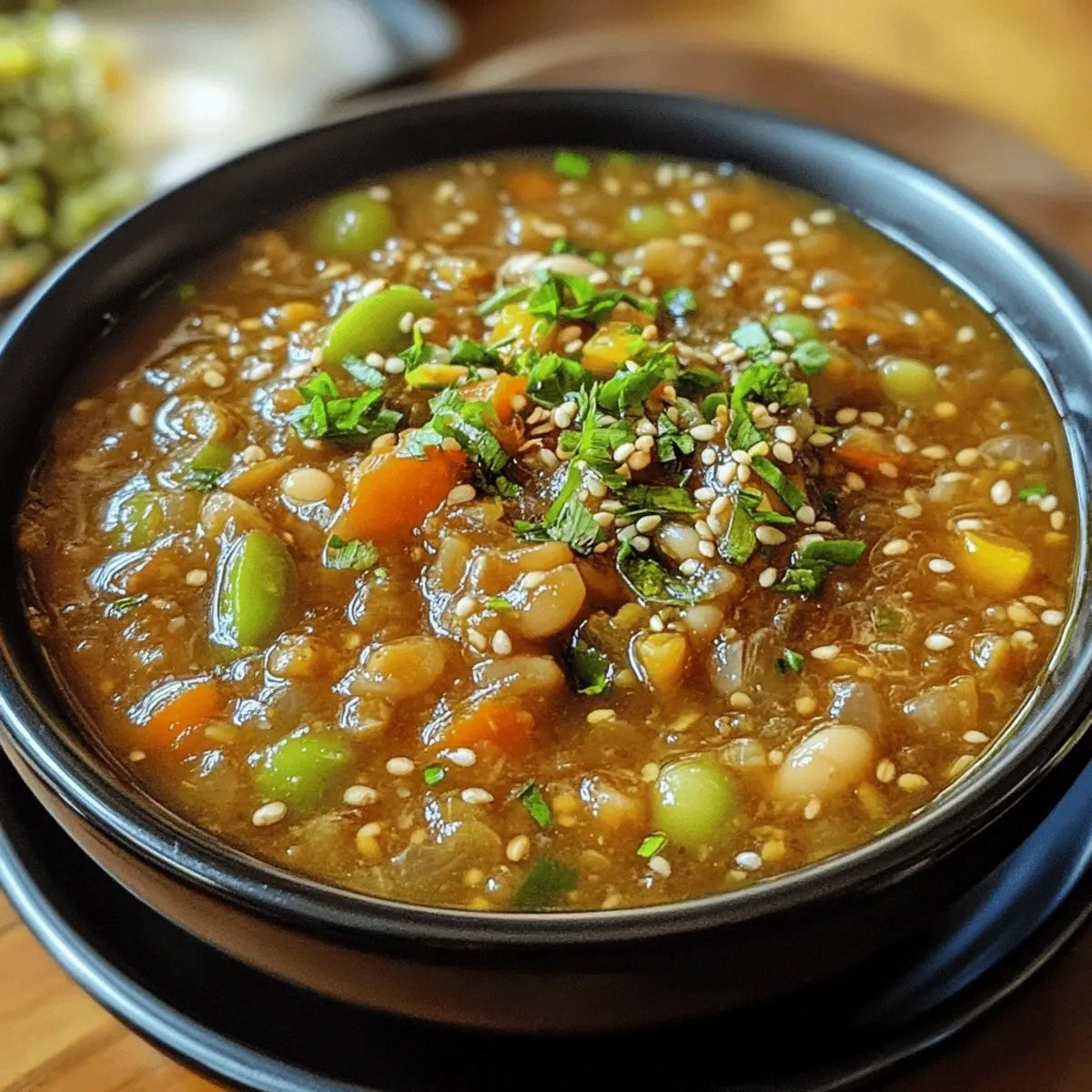
The Method — Step by Step
- Begin by rinsing the mung beans under cold running water until the water runs clear. Drain them thoroughly, then set aside. This step removes any dust or impurities that might affect the flavor. I’ve found that a quick soak of 30 minutes reduces the cooking time and brings out a sweeter undertone.
- Turn the Instant Pot to the “Sauté” setting and add a splash of oil. Once hot, add the minced garlic and sliced onion. Sauté for 2–3 minutes until the onion becomes translucent and the garlic releases its aroma. This creates a fragrant base that lingers throughout the stew.
- Add the diced tomatoes, rinsed mung beans, bay leaves, and the chosen protein (pork or shrimp). Stir everything together so the beans are coated with the aromatic base. The tomatoes should start to break down, giving the stew a richer consistency.
- Pour in 4 cups of water or low-sodium broth. Stir in 2 tablespoons of fish sauce, 1 teaspoon of salt, and 1 teaspoon of pepper. Seal the Instant Pot lid, set the valve to “Sealing,” and select the “Manual” or “Pressure Cook” mode at high pressure for 10 minutes. This short, high-pressure cook locks in flavor while keeping the beans tender.
- Once the cooking time is complete, allow the Instant Pot to naturally release pressure for 10 minutes before switching to a quick release. This gradual pressure drop helps the beans settle and prevents them from splattering when the valve is opened.
- Open the lid carefully and stir in the spinach or malunggay leaves. The residual heat will wilt the greens, turning them into a silky, nutrient-packed layer. Taste the stew and adjust seasoning if necessary, adding more fish sauce or salt to suit your palate.
- Serve hot over steamed rice or with a side of crusty bread. The broth should be thick enough to cling to the beans, yet fluid enough to sip. This stew is best enjoyed immediately, but leftovers can be stored for later enjoyment.
That's it — you did it. But hold on, I've got a few more tricks that'll take this to another level...
Insider Tricks for Flawless Results
The Temperature Rule Nobody Follows
While the Instant Pot does most of the heavy lifting, the initial sauté temperature can drastically affect the stew’s flavor. Start at a medium-high heat to caramelize the aromatics before switching to low for the pressure cook. This two-stage approach creates a richer, deeper flavor profile that you’ll notice in every bite.
Why Your Nose Knows Best
During the sauté, pay close attention to the aroma. A sweet, nutty smell indicates that the onions and garlic are fully developed. If the smell is sharp or burnt, stop the sauté immediately to avoid a bitter taste that will ruin the stew.
The 5-Minute Rest That Changes Everything
After the pressure release, let the stew sit for 5 minutes before stirring. This pause allows the flavors to settle and the liquid to thicken slightly. The result is a stew with a silky mouthfeel and a harmonious balance of spices.
Keep the Greens Vibrant
If you’re using spinach, add it at the very end of the cooking cycle. The quick heat will wilt the leaves without turning them a dull gray. For malunggay, you can sauté the leaves briefly before adding them to the pot to preserve their bright color.
Add a Splash of Acidity
A squeeze of calamansi or a splash of vinegar brightens the stew and balances the saltiness of fish sauce. Add the acid just before serving to keep the flavors lively and fresh.
Use the Right Cut of Pork
Thinly sliced pork shoulder or pork belly works best for this stew. The thinness ensures quick cooking, while the fat content keeps the beans moist and flavorful. If you prefer a leaner option, use pork tenderloin, but be mindful of the shorter cooking time.
Creative Twists and Variations
This recipe is a playground. Here are some of my favorite ways to switch things up:
Spicy Thai Twist
Swap the fish sauce for a splash of Thai fish sauce and add a tablespoon of red curry paste. Stir in a handful of Thai basil leaves at the end. This version brings a fragrant, slightly sweet heat that pairs beautifully with coconut rice.
Mediterranean Flair
Replace the bay leaves with oregano and add a teaspoon of smoked paprika. Finish with a drizzle of olive oil and a sprinkle of feta cheese. The Mediterranean herbs give the stew an earthy, aromatic profile that feels like a sunny day in the Mediterranean.
Vegan Powerhouse
Omit the pork or shrimp and add a cup of diced tofu or tempeh. Season with soy sauce instead of fish sauce for a plant-based umami kick. This variation is protein-packed and perfect for a vegan or vegetarian dinner.
Mexican Fusion
Add a tablespoon of cumin and a pinch of chili powder during the sauté. Stir in a handful of corn kernels and top with fresh cilantro. This version brings a smoky, earthy flavor that complements the beans beautifully.
Asian Noodle Upgrade
Cook thin rice noodles separately and serve the stew over them. Top with sliced green onions, a dash of sesame oil, and a sprinkle of toasted sesame seeds. The noodles absorb the broth and add a chewy texture that enhances the dish.
Breakfast Boost
Serve the stew over a bowl of warm, crusty toast or a soft, warm tortilla. Add a fried egg on top for extra protein and richness. This version transforms the stew into a hearty breakfast that keeps you full until lunch.
Storing and Bringing It Back to Life
Fridge Storage
Cool the stew completely before transferring it to an airtight container. Store in the refrigerator for up to 3 days. The flavors will deepen slightly, giving you a more complex taste when reheated.
Freezer Friendly
Divide the stew into portion-sized containers and freeze for up to 2 months. Thaw overnight in the refrigerator before reheating. This is perfect for busy days when you need a quick, comforting meal.
Best Reheating Method
Reheat the stew on the stovetop over low heat, adding a splash of water or broth to loosen the consistency. Stir frequently to prevent sticking. A tiny splash of water before reheating steams the stew back to perfection.