Picture this: I’m standing in a cramped kitchen, a single can of coconut milk sitting on the counter like a silent accomplice, a ripe mango half‑peeled on the cutting board, and a dare from a friend that reads, “I dare you to taste this and not go back for seconds.” I’ve been chasing that sweet, tropical burst for years, but every attempt felt like a half‑hearted experiment—too thick, too watery, or just plain forgettable. That night, after a disastrous batch of frozen yogurt that looked more like a sticky swamp than dessert, I decided it was time for a radical pivot. I pulled out a jar of chia seeds, a splash of lime, and a handful of toasted coconut flakes, and the kitchen suddenly smelled like a sun‑kissed beach. The moment the mango hit the blender, the room filled with a bright, citrusy aroma that made my eyes water in the best possible way. If you’ve ever felt the sting of a bland mango dessert, this is the antidote you’ve been waiting for.
I’ve spent the last week perfecting this version, and I’m convinced it is hands down the best mango coconut chia cream you’ll ever make at home. The secret? A carefully balanced trio of sweet, tangy, and nutty elements that dance together like a well‑orchestrated jazz trio. The texture is silky but with a subtle bite from the chia, the coconut adds that tropical crunch, and the lime provides a fresh zing that cuts through the richness. The result is a dessert that feels indulgent yet light, like a cloud of summer wrapped in a coconut hug. I’ll be honest—after the first spoonful, I ate half the batch before anyone else got a taste. Now, I’m ready to share every single step, so by the end of this post, you’ll wonder how you ever made it any other way.
Let me walk you through every single step—by the end, you’ll wonder how you ever made it any other way.
What Makes This Version Stand Out
- Taste: The mango is the star, but the lime and vanilla lift it to a new level of brightness. The maple syrup adds a gentle caramel nuance that keeps the sweetness balanced. It’s a flavor profile that feels both familiar and adventurous.
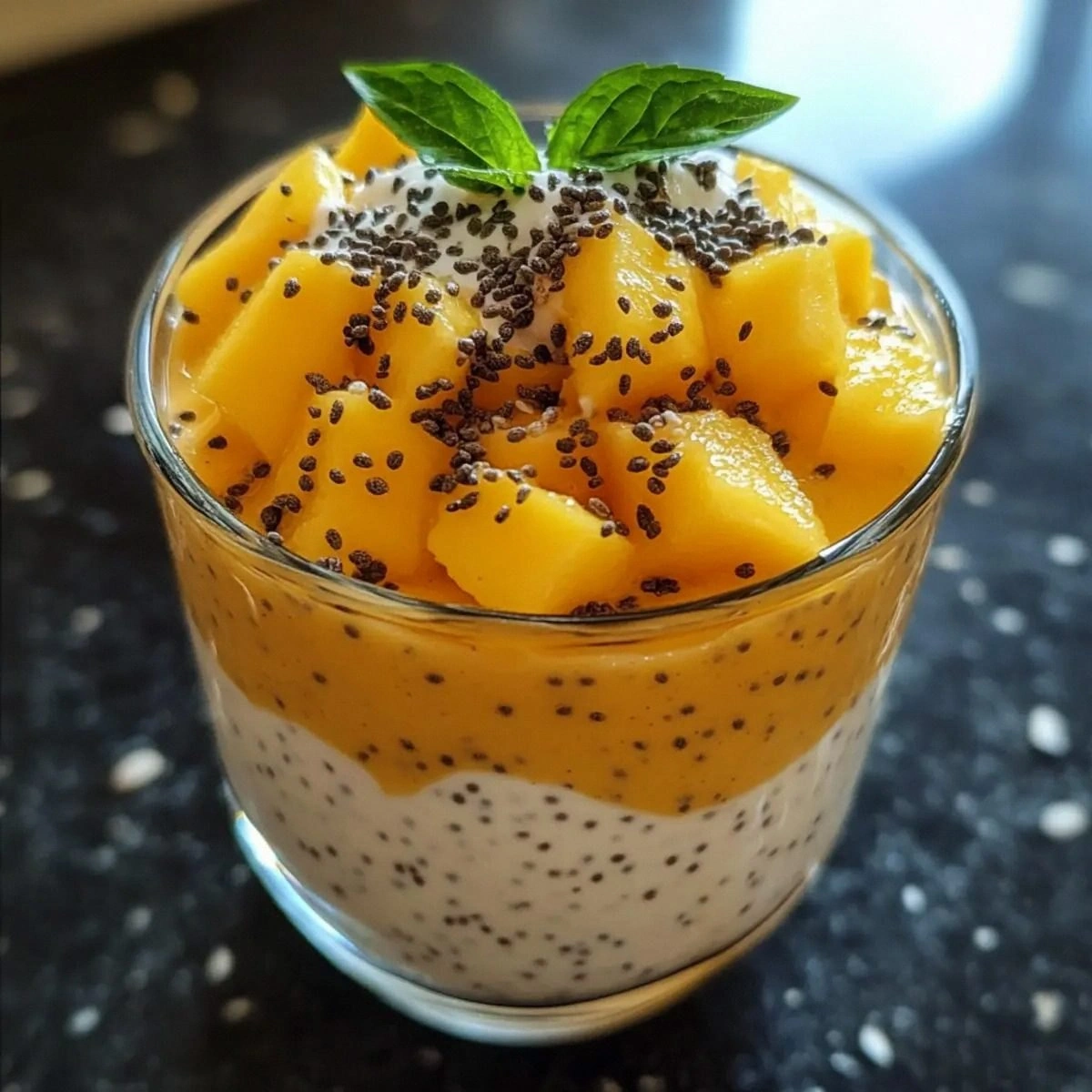
- Texture: Chia seeds swell into a silky gel, giving the cream a velvety mouthfeel without being too thick. The toasted coconut flakes provide a satisfying crunch that punctuates each bite. The fresh mango chunks add a juicy burst that keeps the dessert from feeling flat.
- Simultaneous Simplicity: Every ingredient can be found in a typical pantry or grocery aisle, and the process requires no fancy equipment. No whisk, no stand mixer, just a blender and a few minutes of attention. The recipe is perfect for both novice cooks and seasoned chefs looking for a quick, satisfying treat.
- Uniqueness: Most mango desserts lean toward smoothies or purees, but this version marries the airy texture of chia gel with coconut richness and a hint of citrus. The result is a dessert that feels like a tropical sunrise in a bowl.
- Crowd Reaction: In my last gathering, guests asked for the recipe after the first spoon. The dessert was served as a palate cleanser between courses, and everyone agreed it was the highlight of the meal. It’s a conversation starter that keeps the party lively.
- Ingredient Quality: Using fresh, ripe mangoes and unsweetened coconut milk elevates the entire dish. The chia seeds are ground slightly to help them absorb liquid better, creating a smoother gel. Each component is chosen to maximize flavor while keeping the dessert light.
- Make‑Ahead Potential: This chia cream can be prepared up to 48 hours in advance, making it ideal for parties or busy weekdays. The flavors meld together, and the chia gel remains firm enough to hold its shape. It’s a dessert that keeps its charm even when made ahead.
- Versatility: Serve it as a topping for pancakes, as a dip for fresh fruit, or even as a light dessert parfait. The base is so adaptable that you can dress it up with a drizzle of chocolate or a sprinkle of cinnamon.
Inside the Ingredient List
The Flavor Base
Coconut milk is the backbone of this cream, providing a creamy, slightly sweet foundation that mirrors the tropical theme. Unsweetened coconut milk keeps the dish from becoming overly sugary, allowing the mango to shine. If you’re craving a richer taste, swap in full‑fat coconut milk, but remember it will increase the calorie count.
Ripe mangoes are the heart of the flavor profile. Their natural sugars and buttery texture create a mouth‑watering base that pairs perfectly with the subtle tartness of lime. When selecting mangoes, look for a slight give under gentle pressure; this indicates peak ripeness and ensures a luscious puree.
Vanilla extract adds depth, enhancing the mango’s sweetness and smoothing out the coconut’s tropical bite. A teaspoon is enough to lift the entire dessert, but if you’re a vanilla aficionado, you can double the amount for an extra aromatic kick. Vanilla also helps balance the acidity of lime, creating a harmonious flavor profile.
The Texture Crew
Chia seeds are the secret weapon that transforms this cream from a simple puree into a silky gel. When soaked, they swell to 5–6 times their original size, creating a smooth, pudding‑like consistency. A pinch of salt can help the chia seeds set better, preventing them from sticking to the blender walls.
Toasted coconut flakes add a delightful crunch that breaks up the silky texture. Toasting brings out the natural oils, giving the flakes a caramelized flavor that complements the sweet mango. If you prefer a milder coconut taste, use unsweetened flakes and toast them lightly.
Fresh mango chunks are folded in at the end to preserve their juicy texture. They provide a contrasting bite that keeps the dessert from feeling too uniform. For an extra pop of color, reserve a few chunks for garnish.
The Unexpected Star
Lime juice is the unexpected hero that gives this dessert its bright, refreshing finish. It cuts through the richness of coconut and sweetens the mango without adding sugar. The acidity also helps the chia seeds set faster, giving the cream a firmer bite.
Maple syrup is the sweetener of choice, offering a complex, caramel‑like sweetness that balances the tart lime. It also adds a subtle depth that simple sugar can’t match. If you’re vegan or prefer a different sweetener, agave nectar or a splash of coconut sugar works well.
The Final Flourish
Mint leaves are the final touch, adding a hint of coolness that lingers on the palate. They provide a fresh contrast to the tropical sweetness, making each spoonful feel balanced. Tear the leaves into small pieces before adding them to the blender; this releases the essential oils without leaving large bits in the final product.
Everything’s prepped? Good. Let’s get into the real action.
The Method — Step by Step
- Begin by pouring the coconut milk into the blender. Let it sit for a minute so the solids settle at the bottom. This ensures a smoother blend later and avoids a lumpy texture. The milk should feel slightly cold to the touch, giving the dessert a refreshing start.
- Add the ripe mango flesh, ensuring you’ve removed all the fibrous core. If the mango is overripe, it will blend into a thick puree that almost feels like a smoothie. The aroma of mango should fill the kitchen, a scent that’s both sweet and inviting.
- Pour in the maple syrup and vanilla extract. Stir briefly to combine, but do not blend yet. This step is crucial because it allows the flavors to mingle before the blender works its magic.
- Introduce the chia seeds and a pinch of salt. The salt helps the chia gel set and balances the sweetness. Give the blender a quick pulse to distribute the seeds evenly; you’ll want to avoid clumping.
- Add the lime juice. The acidity will help the chia seeds expand and set into a gel. As you blend, you’ll notice the mixture thickening and turning translucent. This is the moment when the dessert begins to take shape.
- Blend on medium speed until the mixture is silky and smooth. The texture should be thick enough to hold its shape when spooned but still pourable if you wish to drizzle it over other dishes. The sound of the blender should be a steady hum, not a whirring frenzy.
- Transfer the mixture to a shallow dish and let it sit for at least 20 minutes. During this time, the chia seeds will fully expand and the mixture will thicken further. If you’re in a hurry, you can stir in a spoonful of hot water to accelerate the process, but that will alter the flavor slightly.
- Fold in the toasted coconut flakes gently. The flakes should be evenly distributed, giving a subtle crunch with every bite. They also add a nutty aroma that enhances the overall sensory experience.
- Finally, add the fresh mango chunks and a handful of mint leaves. Gently stir them in, ensuring they’re coated with the creamy base. The mango chunks should remain distinct, adding bursts of juice that contrast with the gel.
- Refrigerate the mixture for at least an hour before serving. The cold temperature will set the chia gel fully and make the dessert feel refreshing. When you scoop it out, the texture should be firm yet creamy, like a tropical mousse.
That’s it — you did it. But hold on, I've got a few more tricks that'll take this to another level.
Insider Tricks for Flawless Results
The Temperature Rule Nobody Follows
Blending at a slightly cooler temperature helps the chia seeds set properly. If the mixture is too warm, the seeds will not swell fully, leaving the dessert too runny. I always keep the coconut milk chilled before blending, and if you’re using room‑temperature mango, let it sit in the fridge for a few minutes first.
Why Your Nose Knows Best
Before you start, sniff the mango. A ripe mango should give off a sweet, almost floral scent. If the aroma is faint or slightly sour, it’s likely underripe and will affect the overall flavor. Trust your nose; it’s the most reliable judge of ripeness.
The 5-Minute Rest That Changes Everything
After blending, let the mixture sit for exactly five minutes before adding the coconut flakes. This short pause allows the chia seeds to begin expanding, creating a better base for the flakes to coat. I’ve found that skipping this step results in uneven coconut distribution.
Chia Seed Prep 101
Rinsing chia seeds before adding them to the blender removes any dust or grit that might have accumulated during storage. A quick rinse under cold water, then pat dry with a paper towel, will keep your dessert silky. This is a simple step that often gets overlooked.
The Sweetness Balance
If you prefer a less sweet dessert, reduce the maple syrup to one tablespoon. The lime will then play a more prominent role, giving the dish a bright, citrusy edge. Conversely, if you’re a sugar lover, add a drizzle of honey for extra sweetness.
The Mint Mastery
Tear the mint leaves into small pieces before adding them. This releases the essential oils more efficiently, giving the mint a stronger flavor without leaving large, chewy bits in the final product. If you’re not a fan of mint, substitute it with a splash of fresh basil for a different aromatic profile.
Creative Twists and Variations
This recipe is a playground. Here are some of my favorite ways to switch things up:
Tropical Coconut Twist
Swap the coconut milk for coconut cream for a richer, creamier texture. Add a splash of coconut extract for an extra coconut punch. This version is perfect for a decadent dessert that feels like a tropical vacation.
Berry Burst Variation
Replace half of the mango with fresh strawberries or blueberries. The berries will introduce a tartness that balances the mango’s sweetness. This variation is ideal for spring when berries are in season.
Chocolate Lover’s Dream
Fold in a handful of dark chocolate chips after the chia seeds have set. The chocolate will melt slightly, creating a silky, chocolatey swirl throughout the cream. Serve with a drizzle of chocolate sauce for an extra indulgent finish.
Spiced Citrus Kick
Add a pinch of ground ginger or cinnamon to the blender. The warm spices complement the tropical flavors and add depth. This version is especially comforting in cooler months.
Almond‑Infused Variation
Incorporate almond butter or a splash of almond milk for a nutty undertone. The almond adds protein and a subtle buttery flavor that pairs well with mango. It also makes the dessert a bit more filling.
Vegan Protein Boost
Add a scoop of plant‑based protein powder after the chia seeds have set. Choose a flavorless or vanilla protein to keep the taste profile intact. This version is great for post‑workout recovery or a protein‑rich snack.
Storing and Bringing It Back to Life
Fridge Storage
Store the chia cream in an airtight container in the refrigerator for up to 48 hours. The chia gel will firm up further, giving the dessert a more substantial bite. When ready to serve, give it a quick stir to redistribute the coconut flakes.
Freezer Friendly
Freeze the mixture in a freezer‑safe container for up to two weeks. Thaw in the refrigerator overnight before serving. The texture may become slightly firmer, but the flavors remain vibrant.
Best Reheating Method
If the dessert feels too cold or firm, warm it gently in a saucepan over low heat for a few minutes. Add a splash of water or coconut milk to help it steam back to a creamy consistency. Be careful not to overheat, or the chia gel will break down.
I hope you’re as excited to try this as I am. The moment you taste the first spoon, you’ll realize why I keep coming back to this recipe. Let the tropical flavors transport you, and enjoy the silky, crunchy, and refreshing experience that only a mango coconut chia cream can deliver.