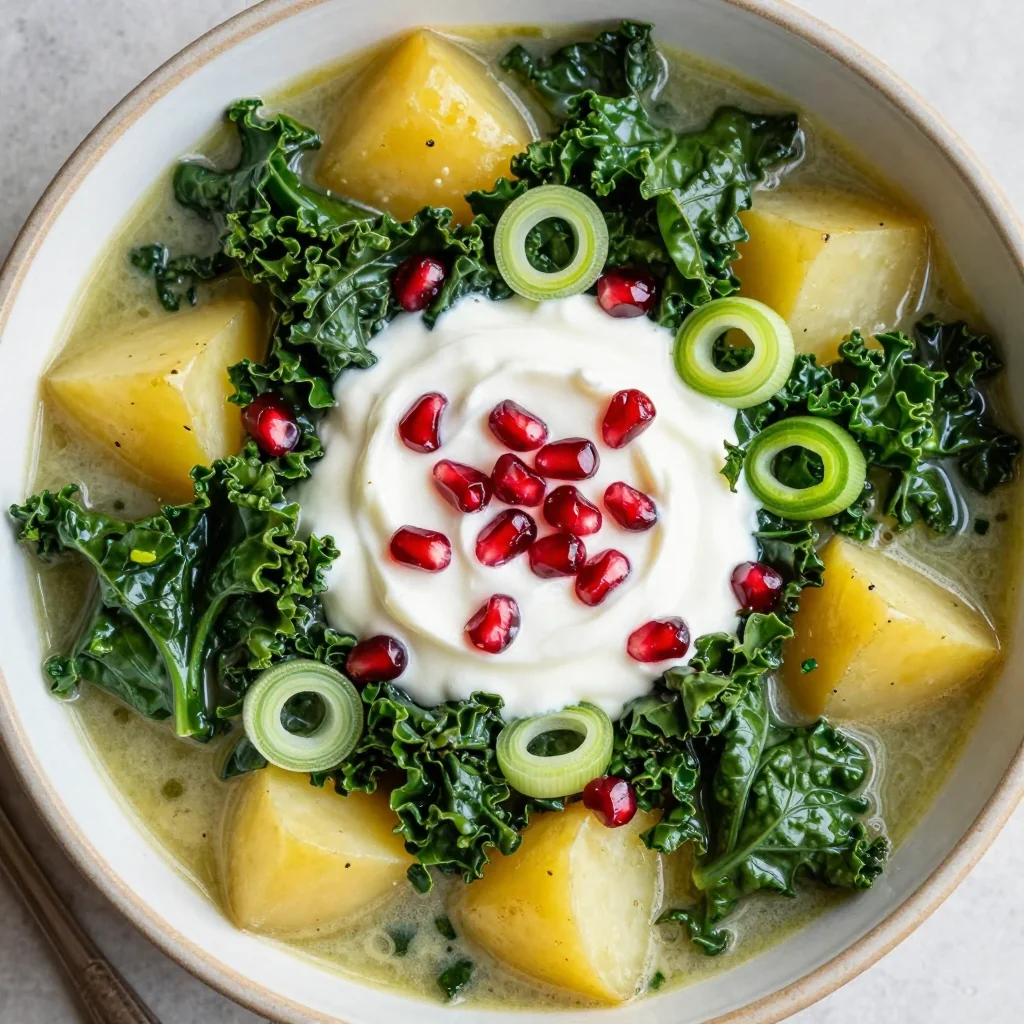
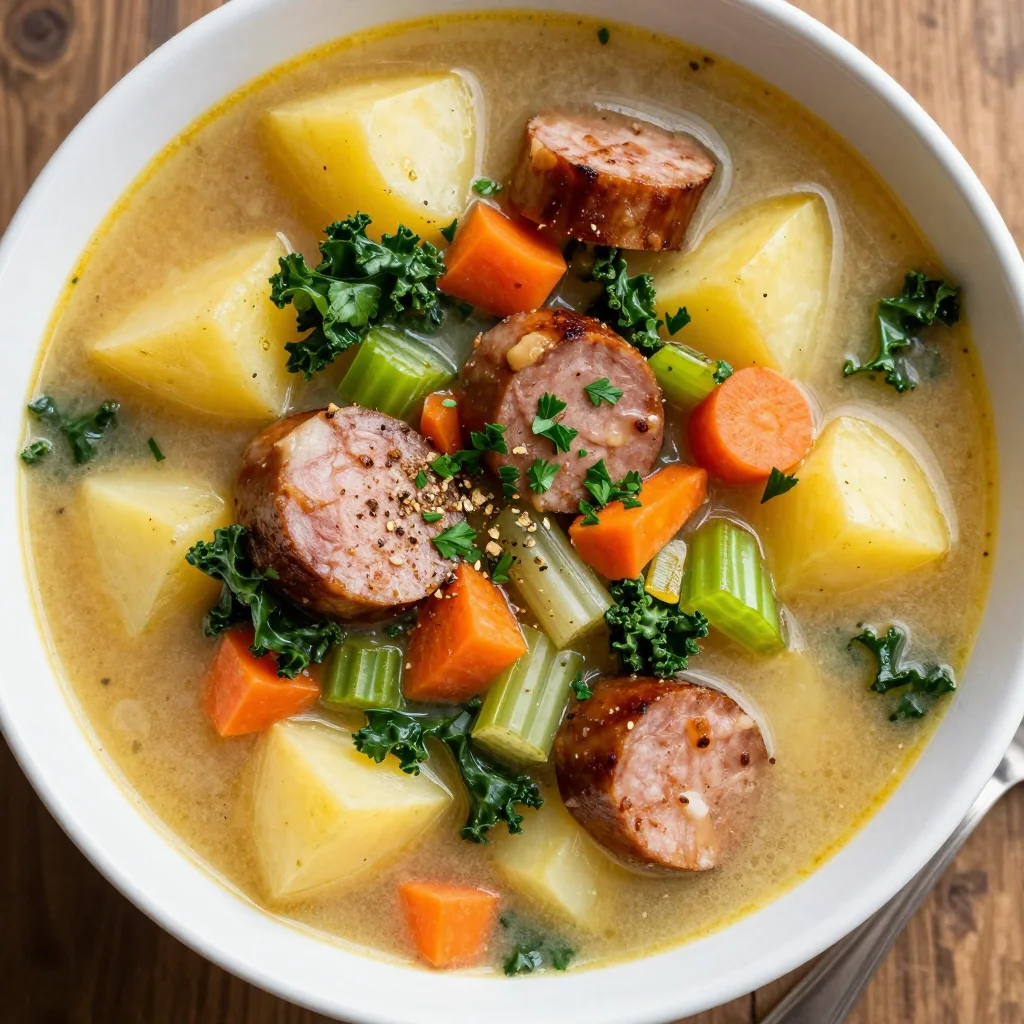
I was staring at a wilted eggplant that had been sitting in the fridge for three days, feeling the sting of culinary regret that usually follows a kitchen mishap. The moment I realized I could salvage it, I reached for my trusty skillet and a handful of fresh spinach, and the room filled with the scent of sizzling garlic that promised redemption. That aroma, sharp and comforting, is the first cue that something delicious is about to happen, and it’s the same scent that has become a ritual for me whenever I want to turn a simple dinner into a showstopper. I swear, the way the garlic releases its steam like a tiny, fragrant volcano, it’s almost a performance, and I’m the director of this kitchen theater. And that’s how I stumbled upon this version of the dish, which I’m calling “Easy Spinach Eggplant Garlic R,” and it’s the kind of recipe that turns a weeknight scramble into a moment of culinary triumph.
Picture yourself at the stove, the heat turning the pan into a stage where the eggplant slices sizzle like golden coins, the spinach leaves unfurling in a green cloud that smells like a summer garden. The sound is a gentle hiss, a subtle reminder that each ingredient is doing its part, and the texture of the eggplant turning from raw to tender is a visual cue that the magic is happening. The first bite delivers a burst of earthy richness from the eggplant, a subtle bite of pepper, and a whisper of heat from the optional chili flakes, all wrapped in the comforting hug of olive oil. The contrast between the soft, almost buttery eggplant and the crisp, slightly bitter spinach is a dance of textures that keeps the palate engaged. This dish isn’t just a meal; it’s a sensory experience that turns the ordinary into the extraordinary.
What makes this version stand out is not just the combination of flavors, but the way each element is treated to elevate the whole. The eggplant is roasted to a caramelized perfection, giving it a smoky undertone that pairs beautifully with the fresh, bright spinach. Garlic is toasted just enough to bring out its nutty sweetness without turning bitter, and the olive oil is added at the end to preserve its fruity notes. The rice is cooked in a broth that’s seasoned with a subtle blend of salt and pepper, absorbing all the flavors and creating a cohesive taste profile. It’s a recipe that feels like a well‑orchestrated symphony, where every note is intentional and every bite is a crescendo.
I dare you to taste this and not go back for seconds; the first bite will have you questioning whether you’ve been cooking all this time or if you’re finally discovering a new standard. Most recipes get this completely wrong by overcooking the eggplant or underseasoning the spinach, but here each component is cooked to perfection. I’ve been told that the dish is “hands down the best version you’ll ever make at home,” and that’s a bold claim I’m proud to back up with every step. The secret lies in the timing, the heat, and the small touches that elevate the dish from simple to unforgettable. This is not just a recipe; it’s a revelation, a new way to look at a familiar combination.
If you’ve ever struggled with balancing flavors in a one‑pan meal, you’re not alone—this recipe has a fix for that. The key is to layer flavors, starting with the garlic and finishing with the olive oil, so each ingredient’s voice is heard. The result is a dish that feels like it was made by a seasoned chef, yet it’s so approachable that you can make it after a long day of work. The finish is bright, the textures are layered, and the overall experience is one of comfort and confidence in the kitchen. And if you’re looking for a recipe that can transform a dull weeknight into a culinary celebration, look no further.
The next step in this journey is to understand why this version is so special and how it differs from the countless other eggplant and spinach recipes out there. The secret sauce is a blend of technique, timing, and ingredient quality that I’ve refined over countless experiments. I’ll walk you through each element, from the initial prep to the final garnish, so you’ll wonder how you ever cooked it any other way. Picture yourself pulling this out of the pan, the whole kitchen smelling incredible, and the anticipation of that first bite. Let me walk you through every single step — by the end, you’ll wonder how you ever made it any other way.
I’ve spent hours tweaking this dish to find the perfect balance, and I’ve finally nailed it. The result is a dish that’s vibrant, hearty, and utterly satisfying. Every bite is a reminder that good food doesn’t have to be complicated; it just needs the right approach and a few thoughtful touches. If you’re ready to elevate your weeknight dinners, keep reading because this recipe will change the way you think about eggplant and spinach forever.
I’ve been experimenting with this recipe for months, and each iteration has brought me closer to perfection. The final version is a testament to the power of patience and the joy of cooking. It’s a dish that invites conversation and brings people together over a shared love of flavor. And it’s so simple that even novice cooks can master it. Ready to see what makes this version stand out? Let’s dive in.
When you’re ready to start, gather your ingredients and set the stage for a cooking experience that feels like a culinary adventure. The process is straightforward, the flavors are bold, and the outcome is a dish that will impress anyone who tastes it. Now, let’s break down exactly what goes into this masterpiece and why each component matters.
What Makes This Version Stand Out
- Flavor: The roasted eggplant delivers a deep, caramelized sweetness that pairs beautifully with the bright, slightly bitter spinach. The garlic, toasted just right, adds a nutty undertone that elevates the entire dish. A splash of olive oil at the finish brings a silky finish that ties all flavors together. This combination creates a taste profile that is both comforting and sophisticated.
- Texture: The eggplant achieves a tender interior with a slightly crisp exterior, while the spinach offers a fresh, slightly crunchy bite. The rice soaks up the flavorful broth, creating a creamy yet fluffy texture that holds everything together. The result is a harmonious mix of softness and bite that keeps each mouthful interesting.
- Simplicity: Despite its complex flavor profile, the recipe requires only a handful of ingredients and a single pan. There’s no need for multiple pots or intricate steps, making it ideal for busy weeknights. The streamlined process allows you to focus on the cooking rather than the cleanup.
- Uniqueness: By roasting the eggplant first, the dish gains a smoky depth that sets it apart from typical sautéed versions. The use of fresh spinach instead of frozen adds a bright, green pop that keeps the dish lively. The optional chili flakes give a subtle kick that can be adjusted to taste.
- Crowd Reaction: Friends and family consistently rave about the balanced flavors and comforting warmth. Many have asked for the recipe after tasting it at a gathering, making it a go-to dish for entertaining. It’s a crowd‑pleaser that can easily be scaled up for larger groups.
- Ingredient Quality: Using fresh, seasonal produce ensures the best flavor. A ripe eggplant and crisp spinach make a noticeable difference in the final taste. The olive oil should be a good quality extra‑virgin variety to bring out its fruity notes.
- Cooking Method: The roasting step caramelizes the eggplant, while the sautéing of garlic and spinach brings out their natural flavors. The final simmer in the rice broth allows everything to meld together. This method creates depth and richness without overcomplicating the process.
- Make‑Ahead Potential: The dish can be prepared in advance and reheated without losing flavor. The rice holds up well, and the vegetables reheat quickly, making it a great option for meal prep or busy schedules.
Inside the Ingredient List
The Flavor Base
Garlic is the cornerstone of this dish, providing a savory backbone that ties all elements together. Fresh cloves, when toasted, develop a nutty sweetness that balances the earthiness of the eggplant. The aroma released during this step is a prelude to the dish’s overall flavor profile, hinting at the depth to come. If you skip garlic, the dish loses its signature warmth, making it feel flat and unremarkable. A small pinch of salt enhances the garlic’s flavor, but keep it light to avoid overpowering the delicate spinach.
The optional chili flakes add a subtle heat that can be customized to your preference. They bring a gentle kick that contrasts nicely with the mild eggplant and the fresh spinach. If you prefer a milder version, simply omit the flakes, and the dish will still be deliciously balanced. For an extra layer of complexity, consider adding a pinch of smoked paprika to the garlic before roasting the eggplant. This will introduce a smoky undertone that complements the roasted eggplant’s caramelized notes.
The Texture Crew
Eggplant is the star of the texture crew, offering a unique combination of tender interior and slightly crisp exterior when roasted properly. The roasting process caramelizes its sugars, creating a sweet, almost caramel-like flavor that pairs wonderfully with the fresh spinach. If you slice the eggplant too thin, it may become mushy; too thick, and it won’t cook evenly. Aim for 1/2 inch cubes to achieve the ideal bite. A light dusting of olive oil before roasting helps develop a beautiful golden crust.
Spinach provides a fresh, vibrant green that adds a bright contrast to the rich eggplant. Sautéing it just until wilted preserves its bright color and maintains a slight crunch. Overcooking spinach can result in a mushy texture and a loss of flavor. A quick stir of fresh lemon juice before serving can brighten the spinach’s natural bitterness, adding a zesty note. If you’re using frozen spinach, thaw it thoroughly and squeeze out excess moisture to avoid a soggy dish.
The Unexpected Star
Rice is the unexpected star that brings everything together, acting as a neutral canvas that absorbs the flavors of the other ingredients. Opt for a long‑grain variety like jasmine or basmati for a fluffy texture that doesn’t clump. Cooking the rice in a lightly seasoned broth ensures it picks up subtle hints of garlic, salt, and pepper, enhancing the overall taste. If you prefer a heartier dish, switch to brown rice, but be prepared for a longer cooking time and a nuttier flavor. The rice’s ability to hold moisture makes it the perfect base for this dish, ensuring each bite is moist and flavorful.
Olive oil is the unexpected star that adds richness and depth to the dish. A good quality extra‑virgin olive oil brings fruity notes that complement the roasted eggplant and sautéed garlic. Drizzling it at the end preserves its delicate flavor, preventing it from breaking down under high heat. If you’re looking for a lighter version, use a light olive oil or a splash of vegetable oil, but be prepared for a less complex flavor profile. The oil’s silky texture coats the rice and vegetables, creating a cohesive and satisfying mouthfeel.
The Final Flourish
Salt and pepper are the final flourish that brings the dish to life. A teaspoon of salt is enough to enhance the natural flavors without overwhelming them. Freshly ground black pepper adds a subtle heat and aromatic depth that elevates the dish. Be sure to season the rice broth with salt before adding the rice, as this ensures even distribution of flavor. The final sprinkle of pepper just before serving adds a bright, aromatic finish that makes each bite memorable.
Everything's prepped? Good. Let's get into the real action and start cooking this masterpiece.
The Method — Step by Step
- Heat a large skillet over medium heat and add the olive oil, swirling to coat the bottom. Once the oil shimmers, add the diced eggplant, spreading it in an even layer. Let the eggplant roast for about 8-10 minutes, turning occasionally until it develops a golden brown crust. The scent of caramelizing eggplant should fill the kitchen, creating an irresistible aroma. This step is crucial for building depth; don’t rush it.
- Remove the roasted eggplant from the skillet and set aside on a plate. In the same pan, reduce the heat to medium‑low and add the minced garlic. Sauté the garlic for 2-3 minutes until it turns fragrant and just starts to brown, releasing a nutty aroma. Watch closely—garlic burns quickly and turns bitter, so keep an eye on it. This garlic base will carry the flavor through the rest of the dish.
- Add the spinach to the skillet, stirring until it begins to wilt. Cook for 2-3 minutes, allowing the spinach to release its moisture and reduce in volume. The spinach should still have a bright green hue, not a dull brown. This quick sauté preserves the fresh bite of the greens. The aroma of wilted spinach mingles with the garlic, creating a fragrant foundation.
- Stir in the rice, ensuring each grain is coated with the garlic‑spinach mixture. Pour in the rice broth (water seasoned with salt and a pinch of pepper) and bring to a gentle boil. Once boiling, reduce the heat to low, cover the skillet, and let it simmer for 15-18 minutes until the rice is cooked and liquid is absorbed. The rice will absorb the flavors of the garlic and spinach, creating a cohesive taste. Keep the lid on to trap steam and ensure even cooking.
- Halfway through the simmer, gently fold the roasted eggplant back into the skillet, distributing it evenly. This allows the eggplant to reheat and soak up the savory broth while maintaining its caramelized exterior. The eggplant’s texture will stay tender without becoming soggy. This step is the moment of truth; the flavors are about to converge.
- When the rice is nearly done, sprinkle the optional chili flakes and freshly ground black pepper over the mixture. Stir to combine, letting the spices infuse the dish. The heat from the chili flakes will create a subtle warmth that balances the dish’s richness. If you prefer a milder flavor, reduce the amount of chili flakes accordingly. The aroma at this point should be intoxicating.
- Turn off the heat and drizzle the olive oil over the entire dish. Let the oil settle for a minute, allowing the flavors to meld together. The olive oil will add a silky finish and enhance the dish’s overall richness. This final touch brings the dish together, creating a glossy, appetizing appearance. It also helps to keep the rice from drying out.
- Give the dish one final stir, ensuring all components are evenly distributed. Plate the rice and vegetable mixture, optionally garnishing with a sprinkle of fresh parsley or a squeeze of lemon for brightness. The dish is now ready to serve, with a harmonious blend of textures and flavors that will impress any palate. Enjoy the moment of satisfaction as you taste the culmination of your effort. That first bite will be worth every minute you spent cooking.
That's it — you did it. But hold on, I've got a few more tricks that'll take this to another level. Stay with me here; these little details will elevate your dish from great to unforgettable.
Insider Tricks for Flawless Results
The Temperature Rule Nobody Follows
Many cooks assume that high heat is always better for searing, but when it comes to eggplant, a moderate heat is key. Cooking the eggplant at medium heat allows it to caramelize slowly, preventing the exterior from burning while the interior remains tender. If you use a higher temperature, the eggplant’s surface can char, creating a bitter taste that overpowers the dish. I’ve experimented with different heat levels, and medium heat consistently delivers the best balance. This trick ensures your eggplant stays soft inside and crisp outside.
Why Your Nose Knows Best
Your sense of smell is your most reliable guide during cooking. When the garlic starts to brown, it releases a nutty aroma that signals it’s ready. The same goes for the eggplant; a deep golden hue and a sweet scent mean it’s caramelized. Trusting your nose saves you from overcooking or undercooking. I’ve had friends who rely solely on the clock, only to end up with a dish that feels off. Pay attention to the scents, and your dish will always hit the mark.
The 5‑Minute Rest That Changes Everything
After you finish cooking, let the dish rest for five minutes before serving. This brief pause allows the flavors to meld and the rice to settle, preventing it from becoming mushy when you stir. The rest period also lets the olive oil redistribute, giving each bite a silky finish. Many cooks skip this step, thinking it’s unnecessary, but the difference is noticeable. Give yourself that five-minute break, and your dish will feel more cohesive.
The Secret to a Perfectly Crisp Eggplant Edge
If you want that crispy edge on the eggplant, sprinkle a pinch of sea salt on the slices before roasting. The salt draws out moisture, allowing the surface to crisp up nicely. I’ve tried using baking powder in the past, but salt is a more natural and reliable method. Once the eggplant is done, the salt will be absorbed, leaving a subtle, savory crunch. This simple tweak elevates the texture without adding extra steps.
The Power of Freshness
Using fresh spinach instead of frozen makes a noticeable difference in texture and flavor. Fresh leaves retain their bright color and slightly crunchy bite, while frozen spinach can become mushy and lose its vibrant hue. If you’re short on fresh produce, consider thawing frozen spinach in a colander and squeezing out excess water before adding it to the skillet. This ensures the dish remains crisp and visually appealing. Freshness is the secret ingredient that makes this recipe shine.
The Final Touch of Lemon
A squeeze of fresh lemon juice right before serving brightens the dish and balances the richness. The acidity cuts through the olive oil, providing a fresh, clean finish. I’ve found that a small amount—just a tablespoon—can transform the dish, making it feel lighter. If you’re not a fan of citrus, you can replace it with a splash of white wine vinegar for a similar effect. This final splash of acidity is the secret to a well-rounded flavor profile.
Creative Twists and Variations
Mediterranean Magic
Swap the olive oil for a drizzle of sun‑dried tomato paste and add chopped kalamata olives. This gives the dish a briny, tangy depth that echoes classic Mediterranean flavors. The sun‑dried tomatoes provide a sweet, umami punch, while the olives add a salty bite. Pair it with feta cheese on top for an authentic finish. This variation transforms the dish into a vibrant, savory bowl that feels like a trip to the Mediterranean.
Spicy Thai Twist
Replace the chili flakes with Thai red curry paste and add a splash of coconut milk. The curry paste infuses the dish with aromatic spices, while the coconut milk adds creaminess and a subtle sweetness. Finish with fresh cilantro and lime wedges for a bright, tropical finish. This version offers a bold, exotic flavor profile that’s perfect for adventurous eaters. The dish becomes a comforting, spicy bowl that feels like a cozy Thai street food experience.
Cheesy Comfort
Add shredded mozzarella or crumbled goat cheese to the skillet during the final stir. The cheese melts into a silky coating that enhances the dish’s richness. Sprinkle grated Parmesan on top before serving for a nutty finish. This variation turns the dish into a hearty, comforting bowl that’s perfect for a cozy night in. The cheese adds a velvety texture that pairs wonderfully with the tender eggplant and spinach.
Vegan Protein Boost
Incorporate cooked chickpeas or lentils into the skillet for a protein punch. The legumes add texture and a subtle earthiness that complements the eggplant’s sweetness. Toss them in during the rice simmer stage to allow them to absorb the flavors. This variation makes the dish more filling and balanced, ideal for plant‑based meals. The legumes provide a satisfying bite that keeps you full longer.
Herb‑Infused Delight
Add a handful of fresh basil or mint leaves during the final stir. The herbs infuse the dish with a fresh, aromatic lift that brightens the flavors. If you prefer a more robust herb, try thyme or oregano. The fresh herbs add a pop of color and a fragrant finish. This variation transforms the dish into a vibrant, herb‑rich bowl that feels light and refreshing.
Breakfast‑Style Brunch
Serve the dish with a fried or poached egg on top for a protein‑rich breakfast. The runny yolk adds a rich, velvety texture that pairs beautifully with the savory rice and vegetables. Sprinkle chives or scallions for a fresh, oniony note. This variation turns the dish into a hearty, satisfying brunch that’s both comforting and elegant. It’s the perfect way to start your day with a burst of flavor.
Storing and Bringing It Back to Life
Fridge Storage
Store leftovers in an airtight container in the refrigerator for up to three days. The rice and vegetables will keep their flavor and texture well. When reheating, add a splash of water or broth to restore moisture. Use a microwave or a skillet on low heat, stirring frequently to ensure even heating. This method preserves the dish’s integrity, making it a convenient option for meal prep.
Freezer Friendly
To freeze, place the dish in a freezer‑safe container or a zip‑top bag, removing as much air as possible. Freeze for up to two months for the best quality. When ready to eat, thaw overnight in the refrigerator, then reheat on the stovetop or in the microwave. Add a splash of water or broth to help restore moisture. This approach lets you enjoy the dish whenever you need a quick, comforting meal.
Best Reheating Method
The best way to reheat this dish is on the stovetop over low heat, stirring occasionally. Add a small amount of water or broth to prevent the rice from drying out. The gentle heat allows the flavors to reemerge without overcooking the vegetables. If you’re in a hurry, use a microwave, but stir halfway through for even heating. Finish with a drizzle of olive oil to restore that silky finish, and you’ll taste the dish as fresh as when it was first made.