Picture this: you’re halfway through a week of bland takeout, craving something that feels like a culinary hug, and you remember a half‑baked idea that’s been simmering in your mind. I was in that exact spot—mid‑night, a flickering stove, and a sudden urge to turn a simple steak into a headline act. I grabbed a ribeye, a handful of garlic, and a rainbow of veggies that I’d just bought from the market, and the kitchen became a stage for a sizzling show. The scent of garlic hit the air before the steak even touched the pan, and the sound of sizzling olive oil was the soundtrack to my midnight cravings. That moment was the spark that ignited this recipe, a dish that feels both luxurious and approachable at the same time.
If you’ve ever stared at a steak and wondered why it always tastes a little flat, this is your answer. I’ve spent countless evenings experimenting with rubs, marinades, and cooking times, and this version is hands down the best you’ll ever make at home. The key? A simple garlic‑olive‑oil sauce that clings to the meat like velvet, and a medley of vegetables that adds crunch, color, and a subtle sweetness. I dare you to taste this and not go back for seconds—trust me, it’s addictive. And the best part? The recipe is so straightforward that even a kitchen novice can master it.
Let me walk you through every single step—by the end, you’ll wonder how you ever made it any other way. Picture yourself pulling this out of the pan, the whole kitchen smelling incredible, and the steak looking like a work of art. The flavors will mingle, the veggies will be perfectly tender yet still crisp, and the aroma will be so intense that even your neighbor will be curious. If you’ve ever struggled with cooking steak, you’re not alone, and I’ve got the fix. Ready? Let’s dive in.
What Makes This Version Stand Out
- Flavor: The garlic infusion creates a depth that turns a simple ribeye into a savory masterpiece. The olive oil acts as a flavor carrier, allowing every bite to burst with aroma.
- Texture: The steak’s crust is a caramelized, slightly charred shell that cracks like thin ice, while the interior remains juicy and medium‑rare. The vegetables maintain a satisfying crunch, giving every forkful a delightful contrast.
- Simplicity: No complicated marinades or exotic spices—just fresh garlic, olive oil, and a handful of vegetables. The recipe is a one‑pan wonder that saves time and cleanup.
- Uniqueness: The combination of bell peppers, zucchini, and broccoli in a single pan is rare, offering a spectrum of colors and flavors that elevate the dish.
- Crowd Reaction: Friends always ask for the recipe after the first bite. The dish is a crowd‑pleaser at dinner parties, family gatherings, and even casual weekday meals.
- Ingredient Quality: Using a high‑quality ribeye ensures tenderness, while fresh garlic brings a bright, clean flavor that can’t be replicated with powder.
- Cooking Method: Searing the steak first locks in juices, then finishing it in the pan with veggies ensures even cooking and flavor infusion.
- Make‑Ahead Potential: You can prep the vegetables ahead of time and reheat the steak quickly, making this dish a perfect weeknight solution.
Alright, let's break down exactly what goes into this masterpiece…
Inside the Ingredient List
The Flavor Base
Ribeye Steaks are the star of this dish, chosen for their marbling and robust flavor. A single ribeye holds the key to a juicy, tender bite that stands up to the bold garlic and vibrant veggies. If you’re looking for a leaner option, sirloin or flank steak can be used, but be prepared for a slightly firmer texture. The key is to let the steak rest after searing; this allows the juices to redistribute, ensuring every bite is as moist as the last.
The Aromatic Companion
Garlic is the heart of this recipe—freshly minced garlic releases its oils, creating a fragrant, savory sauce that coats the steak. The aroma alone can make a hungry person’s stomach growl. If you’re in a hurry, garlic powder can be a substitute, but it lacks the depth of flavor that fresh cloves bring. The amount of garlic is generous, so you’ll get a noticeable bite of garlic with every mouthful, without it overpowering the steak.
The Vegetable Ensemble
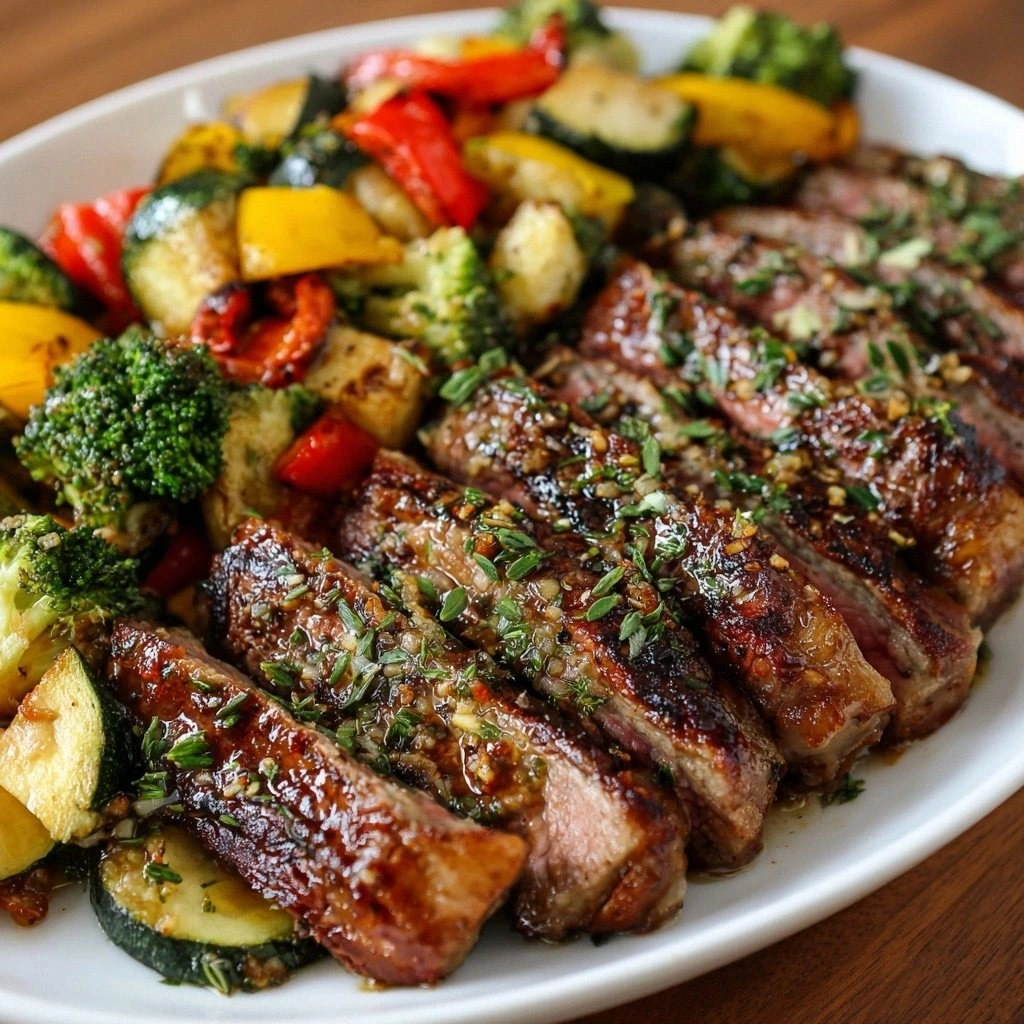
Bell Peppers, Zucchini, and Broccoli Florets form the colorful trio that gives this dish its name—Mixed Vegeta. Bell peppers add a sweet crunch and a splash of color that makes the plate pop. Zucchini cooks quickly, adding a subtle, slightly sweet flavor that balances the bitterness of broccoli. The broccoli florets bring a hearty bite and a nutritional punch, making the dish both delicious and healthy.
The Final Flourish
Fresh Parsley is tossed at the end, brightening the dish with its bright green hue and fresh, peppery note. The parsley adds a touch of brightness that cuts through the richness of the steak and the savory sauce. If you prefer a different herb, cilantro or basil can be used, but parsley’s subtle flavor pairs best with the garlic and steak. A sprinkle of parsley also adds a pop of color that makes the dish Instagram‑ready.
Everything's prepped? Good. Let's get into the real action…
The Method — Step by Step
- Prep the Steak: Pat the ribeyes dry with paper towels. This step is crucial because moisture on the surface will prevent a good sear. Season both sides generously with salt and black pepper. Let the steaks rest at room temperature for 10 minutes; this helps them cook evenly.
- Sear the Steak: Heat a tablespoon of olive oil in the skillet until it shimmers but isn’t smoking. Place the steak in the pan and let it sear without moving it for about 3–4 minutes. The first side should develop a deep golden crust. Flip the steak, sear the other side for 3–4 minutes, then add a few cloves of minced garlic around the steak.
- Cook the Vegetables: Remove the steak from the pan and set it aside on a plate. In the same skillet, add another tablespoon of olive oil if needed. Toss in the sliced bell peppers, zucchini, and broccoli florets. Sauté for about 5 minutes, stirring frequently, until the veggies are tender but still crisp.
- Combine and Finish: Return the steak to the skillet, nestling it among the vegetables. Reduce the heat to medium-low and let everything mingle for 2–3 minutes. This allows the garlic to infuse the steak and the vegetables to absorb the savory oil.
- Rest the Steak: Use a meat thermometer to ensure the internal temperature reaches 130°F for medium‑rare. Remove the steak from the skillet and let it rest on a cutting board for 5 minutes. Resting allows the juices to redistribute, preventing a dry bite.
- Plate and Garnish: Slice the steak against the grain into thin strips. Arrange the sliced steak over the sautéed vegetables. Sprinkle fresh parsley over the top. A final drizzle of olive oil or a squeeze of lemon can add a bright finish.
- Serve Immediately: The dish is best served hot, with the steak’s juices still bubbling around the veggies. Pair it with a simple side of mashed potatoes or a fresh green salad for a complete meal.
That’s it — you did it. But hold on, I've got a few more tricks that'll take this to another level…
Insider Tricks for Flawless Results
The Temperature Rule Nobody Follows
Using a meat thermometer is the secret to consistent doneness. Even a tiny deviation can turn a medium‑rare steak into a dry, overcooked mess. I’ve seen people guess based on time alone, which often leads to disappointment. A quick check at 130°F guarantees a juicy steak, while 140°F gives a slightly firmer bite.
Why Your Nose Knows Best
The aroma of garlic sizzling in olive oil is a clear indicator that the flavor base is forming. If you don’t smell that buttery, garlicky scent, you’re either cooking too low or the garlic has burned. The smell is a natural cue to add the veggies or to flip the steak. Trust your nose—it’s a seasoned chef’s best ally.
The 5-Minute Rest That Changes Everything
Resting the steak for 5 minutes after searing is often overlooked, yet it’s what keeps the meat juicy. During this time, the juices redistribute, preventing them from spilling out when you cut the steak. I’ve seen people skip this step and end up with a dry center. Make a habit of letting the steak rest; it pays off in texture and flavor.
The Secret to Crispy Veggies
High heat and minimal moisture are the keys to crisp vegetables. If you add water or broth, the veggies will steam instead of sauté. Keep the skillet hot and add the veggies in a single layer. Stir only once or twice to let them brown beautifully.
The One‑Pan Wonder
Using a single skillet for the steak and veggies saves time and cleanup. It also allows the flavors to mingle in a concentrated environment. The residual juices from the steak become the sauce that coats the vegetables, creating a unified, flavorful dish. It’s a simple trick that elevates the entire meal.
Creative Twists and Variations
This recipe is a playground. Here are some of my favorite ways to switch things up:
Spicy Sriracha Glaze
Add a tablespoon of sriracha to the olive oil before searing the steak. The heat from the sauce caramelizes the garlic, giving the dish a smoky, spicy kick that pairs well with the sweet bell peppers.
Mediterranean Flavor
Replace the parsley with chopped fresh oregano and finish with a drizzle of lemon juice. Add a handful of Kalamata olives for briny depth. The dish then feels like a sunny Mediterranean plate, perfect for summer gatherings.
Asian Twist
Swap the olive oil for sesame oil and sprinkle toasted sesame seeds over the finished dish. Add a splash of soy sauce to the skillet before adding the veggies. This version brings an umami, nutty flavor profile that’s irresistible.
Rustic Comfort
Use a thicker cut of steak like a ribeye steak or a strip steak. Add a handful of sliced mushrooms to the veggies for an earthy note. Serve with a side of creamy mashed potatoes for a hearty comfort meal.
Low‑Carb Option
Omit the broccoli and replace it with cauliflower florets. The cauliflower will absorb the garlic‑olive oil sauce just as well, keeping the dish low in carbs while still delivering flavor.
Storing and Bringing It Back to Life
Fridge Storage
Cool the cooked steak and vegetables to room temperature before refrigerating. Store in an airtight container for up to 3 days. The steak will keep its juiciness, while the veggies may soften slightly but still taste great.
Freezer Friendly
Wrap the steak and vegetables tightly in foil or freezer bags. Freeze for up to 2 months. When ready to eat, thaw overnight in the fridge and reheat in a skillet over low heat.
Best Reheating Method
Add a splash of water or broth to the skillet before reheating to keep the steak moist. Reheat over low heat, stirring occasionally, until warmed through. This technique prevents the steak from drying out and restores the vegetables’ crispness.