Picture this: I’m standing in my cramped kitchen, the stove humming, a pot of pasta bubbling, and a handful of kale that looks like it just escaped a battle. I’ve been chasing a green craving for weeks, but every attempt ends in soggy leaves, bland sauce, and a lingering disappointment that tastes like a missed opportunity. That day, a friend dared me to turn the humble kale into something that would make my taste buds do a double‑take. I laughed, grabbed my trusty skillet, and set out to create a pesto that would make the kale sing and the pasta dance.
I opened the pantry, scooped out a handful of walnuts, and let the aroma of toasted nuts fill the air. The first sizzle came when I melted butter with olive oil, and the kitchen filled with a nutty perfume that promised depth. The kale was bright green, almost fluorescent, and I could already feel the crunch that would come from roasting the walnuts to a perfect golden hue. As the garlic began to brown, a caramelized sweetness blossomed, hinting at the complexity that would soon unfold. By the time I added the Parmesan, the sauce was thick, velvety, and ready to coat every strand of pasta like a silky, savory blanket.
What sets this version apart is the fearless fusion of textures and flavors. The pesto isn’t just a green sauce; it’s a symphony where the earthiness of kale meets the buttery crunch of walnuts, all lifted by a bright lemon kiss. I dare you to taste this and not go back for seconds. I’ve tasted countless pastas, and this one is hands down the best version you’ll ever make at home. It’s the kind of dish that turns an ordinary dinner into an event, a dish that will have your friends asking for the recipe before you even finish your last bite.
If you’ve ever struggled with making pesto that isn’t too watery or a pasta that doesn’t clump, you’re not alone—and I’ve got the fix. I’ll be honest — I ate half the batch before anyone else got to try it. Most recipes get this completely wrong, but here’s what actually works: a careful balance of oil and nuts, a touch of lemon to cut through the richness, and a final stir of butter for that glossy finish. Picture yourself pulling this out of the pan, the whole kitchen smelling incredible, and the plate looking like a work of art. Stay with me here — this is worth it.
What Makes This Version Stand Out
- Bold Flavor: The kale pesto delivers a green punch that’s bright and vibrant, yet grounded by the nutty undertones of walnuts and pine nuts.
- Texture Contrast: The toasted walnuts give a satisfying crunch, while the butter-infused sauce coats the pasta in a silky, glossy coat.
- Simple Prep: All you need is a blender and a skillet—no fancy equipment or time‑consuming steps.
- Instant Crowd‑Pleaser: The dish’s visual appeal and bold taste make it a hit at dinner parties or casual weeknight meals.
- Protein Boost: Walnuts and Parmesan add healthy fats and protein, turning a simple pasta into a balanced plate.
- Versatility: Swap out kale for spinach or arugula, and you’re still in the same flavor family.
- Make‑Ahead Friendly: The pesto can be stored in the fridge for up to 5 days, making it a great prep‑ahead option.
Inside the Ingredient List
The Flavor Base
Pasta: The backbone of the dish. 8 oz of al dente pasta provides the right chew and a canvas for the pesto. Skipping the pasta would mean a salad, and that’s a different conversation. Opt for a whole‑wheat or legume‑based pasta if you want a heartier bite. Fresh pasta would elevate the texture, but dried is perfectly fine.
Olive Oil: A half cup of extra‑virgin olive oil gives the sauce a silky body and carries the herbs. It also helps the walnuts toast evenly. If you’re watching calories, use a lighter oil or reduce the amount slightly, but don’t skimp on the flavor.
Butter: Two tablespoons of butter are the secret to that glossy sheen. Butter adds a rich mouthfeel and a subtle caramel flavor. If you prefer dairy‑free, a splash of coconut oil will mimic the buttery finish.
The Texture Crew
Walnuts: One cup of walnuts is the star of the texture crew. Toasting them brings out their natural oils, turning them into a crunchy, nutty component that breaks up the sauce and adds depth. If walnuts are out of season, pecans or almonds work as a close substitute.
Pine Nuts: A quarter cup of pine nuts adds a subtle, buttery sweetness. They blend smoothly into the pesto, contributing to a creamy consistency. If pine nuts are pricey, hazelnuts or cashews can stand in.
Garlic: Two cloves of garlic are roasted in the skillet until golden. Roasting the garlic softens its bite and introduces a caramelized depth that balances the acidity of the lemon.
The Unexpected Star
Kale: Two cups of fresh kale provide a robust, earthy base. Kale’s fibrous leaves hold the pesto together, creating a hearty sauce. Choose dark, sturdy leaves for the best flavor; baby kale can be used but will yield a milder result.
The Final Flourish
Parmesan Cheese: Half a cup of freshly grated Parmesan adds umami and a salty bite that rounds off the sauce. A little extra can be sprinkled on top for an extra cheesy finish.
Lemon Juice: One tablespoon of fresh lemon juice brightens the dish, cutting through the richness and giving the pesto a lively lift. A splash more can be added if you like a sharper citrus note.
Salt: One tablespoon for the pasta water and a pinch for seasoning. Salt is the flavor enhancer that brings all the elements together. Too much will drown the delicate greens; too little will leave the dish flat.
Everything's prepped? Good. Let's get into the real action.
The Method — Step by Step
- Fill a large pot with water, bring it to a rolling boil, and add a tablespoon of salt. Toss in the 8 oz of pasta and cook until al dente, about 8–10 minutes. Reserve a cup of pasta water, then drain. This step is crucial—overcooked pasta will mush the pesto into a sloppy mess.
- While the pasta cooks, heat a large skillet over medium heat. Add the two tablespoons of butter and let it melt, then pour in the half cup of olive oil. The mixture should shimmer but not smoke—this is the base for roasting the nuts.
- Drop in the walnuts and let them toast, stirring frequently. Within 3–5 minutes, they’ll turn golden and release a nutty aroma. This is the moment where the kitchen smells like a cozy autumn cabin. Keep a close eye to avoid burning.
- Add the quarter cup of pine nuts and continue roasting for another 2 minutes until they’re fragrant. The pine nuts soften slightly, blending into the pesto’s body. Once toasted, remove them from the skillet and set aside with the walnuts.
- In the same skillet, lower the heat to medium‑low and add the minced garlic cloves. Sauté until they turn golden and release a caramelized scent, about 2–3 minutes. The garlic’s sweetness will contrast the sharpness of the lemon later.
- Transfer the toasted walnuts, pine nuts, and sautéed garlic to a blender. Add the two cups of kale, half a cup of Parmesan, one tablespoon of lemon juice, and a pinch of salt. Pulse until you achieve a coarse paste, then drizzle in the butter‑olive oil mixture while blending. The sauce should be thick yet pourable.
- Watch Out: If the pesto becomes too thick, add a splash of reserved pasta water to loosen it. The sauce should coat the pasta without leaving a greasy film.
- Return the skillet to the stove, pour in the drained pasta, and toss vigorously. The heat from the pasta will help the sauce cling to each strand, creating a silky coating. If the mixture feels dry, add a bit more pasta water to achieve the desired consistency.
- Kitchen Hack: While tossing, sprinkle a handful of fresh basil or mint for an herbal twist that brightens the dish. The herbs add a fresh burst that complements the walnuts’ earthiness.
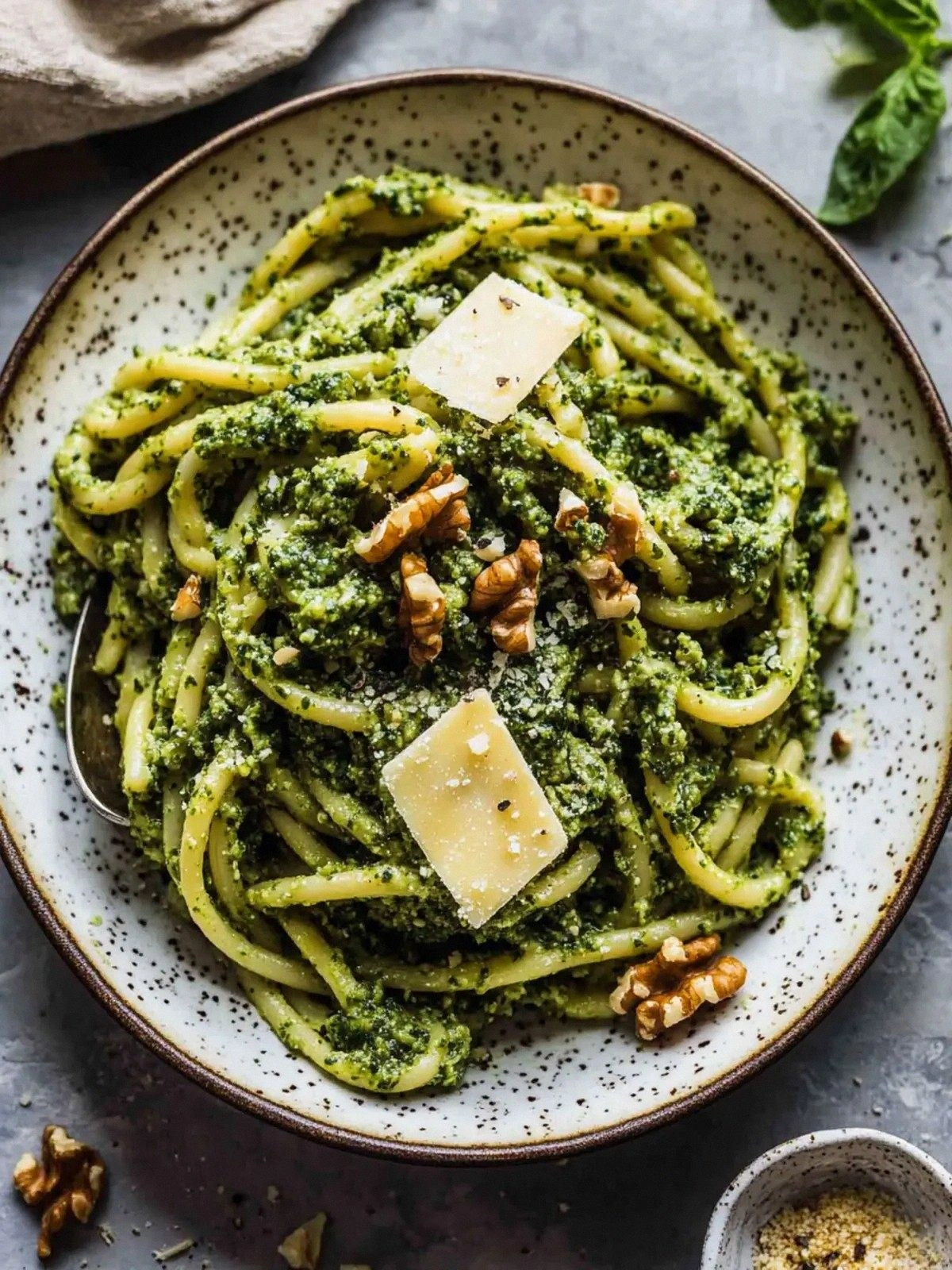
- Serve immediately, garnishing with extra Parmesan, a drizzle of olive oil, and a sprinkle of toasted walnuts. The dish should look vibrant, with a glossy sheen that invites you to dig in. This is the moment of truth—taste the sauce, feel the crunch, and let the flavors mingle.
That's it — you did it. But hold on, I've got a few more tricks that'll take this to another level.
Insider Tricks for Flawless Results
The Temperature Rule Nobody Follows
Keep your skillet at medium heat when roasting nuts. Too high and they’ll burn; too low and they’ll stay raw. I learned this the hard way when my first batch of walnuts tasted like cardboard. By maintaining steady medium heat, you achieve a perfect golden crust that releases the nuts’ oils, giving the pesto a richer flavor.
Why Your Nose Knows Best
Before adding the lemon, pause and inhale the aroma of toasted walnuts and garlic. A bright, nutty scent signals that the nuts are ready. If the smell is more earthy than sweet, give them a minute more. Your nose is a reliable guide to flavor perfection.
The 5-Minute Rest That Changes Everything
After tossing the pasta with the pesto, let it sit for 5 minutes off the heat. This resting period allows the sauce to thicken slightly, ensuring every bite is coated. I’ve seen this trick turn an average pasta into a silky, cohesive dish that keeps the sauce from sliding off the noodles.
The Secret to a Creamy Texture
If you prefer a creamier pesto, blend the sauce for a longer time until it’s smooth. The extra blending incorporates more air, giving the sauce a lighter mouthfeel. Just be careful not to over‑blend; you still want a bit of texture to keep the dish interesting.
The Quick Chill Trick
If you’re making the pesto ahead of time, let it cool completely, then cover and refrigerate. When you’re ready to serve, add a splash of pasta water and a drizzle of olive oil to revive the sauce. This trick keeps the pesto fresh and vibrant for up to five days.
Creative Twists and Variations
This recipe is a playground. Here are some of my favorite ways to switch things up:
Spicy Sriracha Kick
Stir in a teaspoon of sriracha into the pesto for a spicy, smoky layer that pairs wonderfully with the nutty base. The heat balances the richness and adds a modern twist.
Sun‑Dried Tomato Boost
Replace half of the kale with sun‑dried tomatoes for a sweet, tangy flavor profile. The tomatoes add a chewy texture and a deep umami punch.
Grilled Chicken Addition
Top the pasta with sliced grilled chicken breast for a protein boost. The smoky chicken complements the buttery walnuts and bright lemon.
Vegan Version
Swap the Parmesan for nutritional yeast and the butter for a plant‑based butter alternative. The result is a creamy, dairy‑free sauce that still delivers on flavor.
Pesto Pasta Salad
Cool the pasta after tossing, then mix in diced cucumbers, cherry tomatoes, and feta cheese. Serve chilled for a refreshing summer salad.
Citrus Burst Variation
Add a splash of orange juice and a pinch of zest to the pesto for a bright, citrusy twist that pairs beautifully with the walnuts.
Storing and Bringing It Back to Life
Fridge Storage
Store the prepared pesto in an airtight container for up to five days in the refrigerator. Before serving, stir well and add a splash of pasta water to loosen the sauce if it has thickened. The pesto remains vibrant and flavorful, ready to be tossed with fresh pasta.
Freezer Friendly
You can freeze the pesto in ice‑cube trays for single servings. Once frozen, transfer the cubes to a freezer bag. To reheat, melt the cubes in a small saucepan over low heat, adding a splash of water or milk to reach the desired consistency.
Best Reheating Method
When reheating the pasta, avoid boiling water. Instead, gently warm the skillet over low heat, adding the pesto and a splash of reserved pasta water. This method preserves the sauce’s silky texture and bright flavors.