I was standing in a kitchen that smelled like burnt toast and despair when a friend dared me to make a vegan mac and cheese that could stand up to a steakhouse classic. The moment the pot hit the stove, the air filled with the earthy aroma of lentils and the sharp, nutty scent of nutritional yeast. I stared at the bland white pasta, feeling the weight of every other recipe that had let me down. That instant, I knew I had to rewrite the rulebook, and the promise of a silky, protein-packed sauce kept my hands steady. The kitchen became a laboratory, and I was the scientist on a mission to deliver a dish that would make even the most skeptical taste buds swoon.
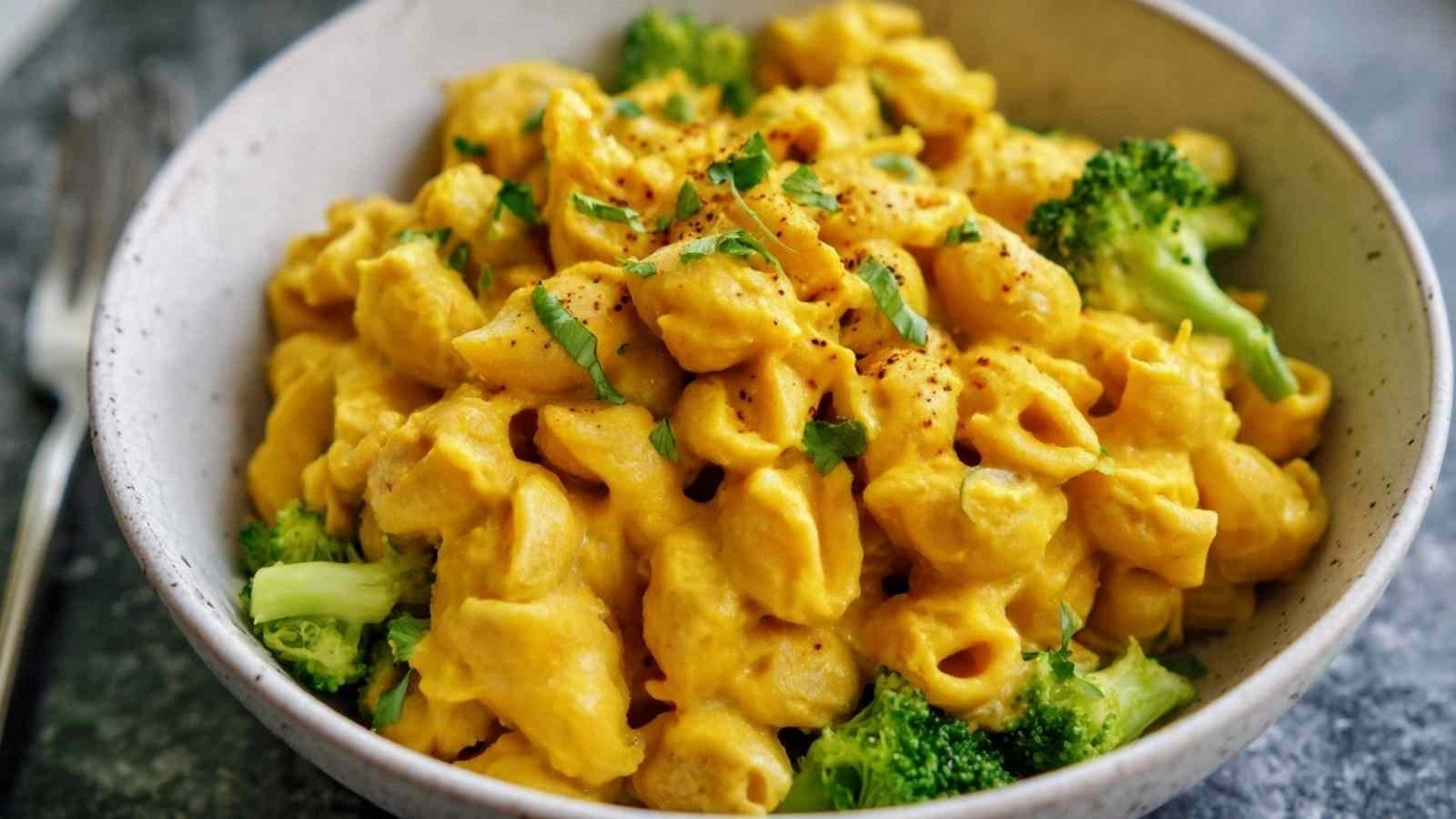
Picture the sauce coating the pasta like velvet, each strand glistening with a golden sheen that whispers of comfort and decadence. The sound of the skillet sizzles is the soundtrack of anticipation, the clinking of the ladle a metronome for the flavor crescendo. My taste buds already feel the first bite, a symphony of umami, mild heat from paprika, and a subtle earthiness from turmeric that lingers like a good conversation. The texture is a revelation: a creamy, slightly thickened sauce that clings to the pasta without becoming gloopy, and a gentle crunch from fresh broccoli that breaks with a satisfying snap. This isn’t just a dish; it’s an experience that will have you reaching for seconds and then thirds.
Why does this version stand out from every other vegan mac and cheese out there? Because it marries protein density with a sauce that feels indulgent, uses ingredients that are both accessible and nutrient-dense, and introduces a technique that turns ordinary pasta into a cloud of flavor. Most recipes rely on thickening powders or heavy dairy substitutes that can leave the dish feeling heavy or bland. Here, the secret lies in the combination of red lentils and tapioca starch, which give the sauce body and silk without the heaviness. The result is a dish that is not only filling but also balanced, with a clean finish that invites a second plate.
And there’s a twist you won’t expect—broccoli is not just a garnish; it’s an integral part of the sauce’s body, contributing both protein and a pop of color that makes the dish look as good as it tastes. I dare you to taste this and not go back for seconds, because the flavor is so satisfying it will leave you craving more. This is hands down the best version you'll ever make at home, and I’ll be honest—you’ll be tempted to hide the recipe in your pantry for the rest of the year.
Okay, ready for the game‑changer? Let me walk you through every single step—by the end, you’ll wonder how you ever made it any other way. Stay with me, because the next part? Pure magic. And if you’ve ever struggled with a bland vegan mac and cheese, you’re not alone—this fix will change the game for you.
What Makes This Version Stand Out
- Taste: The sauce has a deep, savory umami base from nutritional yeast, balanced by the subtle heat of paprika and the earthy undertone of turmeric. It coats the pasta like velvet, leaving a lingering aftertaste that feels both indulgent and wholesome.
- Texture: The combination of red lentils and tapioca starch creates a silky, thickened sauce that clings to every strand without being gummy. The broccoli adds a refreshing crunch that breaks with a satisfying snap.
- Protein: With over 22 grams of protein per serving, this dish is a powerhouse for vegans and athletes alike. The lentils and chickpea pasta work together to deliver a complete amino acid profile.
- Simplicity: Despite the impressive nutritional profile, the recipe uses only eleven ingredients, most of which you likely already have in your pantry. No specialty flours or obscure spices required.
- Uniqueness: Broccoli isn’t just a side; it’s a key player that enhances flavor and nutrition, turning a classic comfort food into a vibrant, colorful plate.
- Make‑ahead: The dish keeps well in the fridge for up to three days, and reheating restores its creamy texture with a splash of milk—perfect for busy weeknights.
- Flavor Depth: The careful layering of spices and the gentle toasting of the lentils bring a depth that most vegan sauces lack.
- Audience: Whether you’re a seasoned vegan, a flexitarian, or a curious foodie, this recipe will satisfy cravings and impress guests.
Inside the Ingredient List
The Flavor Base
Red lentils are the heart of this sauce, providing a subtle sweetness and a natural thickening power that eliminates the need for heavy thickeners. When cooked until soft, they release a natural starch that blends seamlessly with the other liquids. Nutritional yeast adds a cheesy, nutty flavor that mimics dairy cheese while packing a protein punch. The paprika and turmeric not only bring color but also a gentle warmth that keeps the dish from feeling flat. Garlic powder offers a quick, aromatic hit that deepens the overall flavor profile without the need for fresh garlic.
The Texture Crew
Banza chickpea pasta is a game‑changer, offering a firm bite that holds up against the sauce and a higher protein content than traditional pasta. Its neutral flavor allows the sauce to shine. Tapioca starch is a secret weapon for thickening; it creates a silky, glossy finish without the heaviness of flour or cornstarch. Nondairy milk—any plant‑based milk you prefer—provides body and a subtle sweetness that balances the savory elements. Vegan cheddar shreds finish the dish with a melty, cheesy texture that gives the classic mac and cheese feel.
The Unexpected Star
Broccoli isn’t just a garnish; it’s a nutritional powerhouse that adds fiber, vitamins, and a pop of green color. Steamed until just tender, it keeps a slight crunch that contrasts beautifully with the creamy sauce. If you prefer a smoother sauce, you can blend the broccoli into the mixture, but the bite adds a satisfying texture that many people love.
The Final Flourish
Salt is the invisible hero that brings all the flavors together. A pinch of salt can elevate the umami from nutritional yeast and the earthiness of lentils. The small amounts of paprika and turmeric not only add heat and color but also bring anti‑inflammatory properties to the dish. Together, these seasonings create a balanced flavor profile that feels both comforting and sophisticated.
Everything’s prepped? Good. Let’s get into the real action.
The Method — Step by Step
- Start by rinsing the red lentils under cold water until the water runs clear. This removes any dust or impurities that could affect the texture. In a medium saucepan, combine the rinsed lentils with 2 cups of water and a pinch of salt. Bring to a gentle boil, then reduce heat to a simmer and cook for 10–12 minutes, or until the lentils are tender but still hold their shape. The smell of the simmering lentils will remind you that the foundation of the sauce is already in place.
- In a separate pot, bring 4 cups of water to a boil and add the Banza chickpea pasta. Cook according to the package instructions, usually 8–10 minutes, until al dente. The pasta’s firm bite will hold up beautifully against the sauce. Once done, drain and set aside, reserving a cup of the pasta water for later.
- In a blender, combine the cooked lentils, roasted broccoli, nutritional yeast, paprika, turmeric, garlic powder, and 0.5 cup nondairy milk. Blend until smooth, adding a splash of the reserved pasta water if the mixture feels too thick. The blender turns the lentils into a velvety base that carries the spices beautifully. Taste and adjust seasoning with a pinch of salt if needed.
- Return the sauce to the saucepan and whisk in the tapioca starch dissolved in a tablespoon of water. This step thickens the sauce to a glossy, creamy consistency. Simmer over low heat, stirring constantly until the sauce thickens and begins to bubble lightly. The aroma will shift to a toasty, nutty scent—an indicator that the sauce is ready.
- Add the cooked pasta to the sauce, tossing gently to coat each strand. Stir in the vegan cheddar shreds, allowing them to melt into the sauce, creating a smooth, cheesy finish. The sauce should cling to the pasta like a velvet blanket. If the sauce feels too thick, add a little reserved pasta water until you achieve the desired consistency.
- Once the cheese is fully melted and the sauce is silky, transfer the mac and cheese to a serving dish. The dish should look glossy and inviting, with a golden crust on top if you wish to finish it under the broiler for 2–3 minutes.
- Serve hot, optionally garnishing with a sprinkle of nutritional yeast or a drizzle of olive oil for added richness. The first bite should feel like a warm hug, with the crunch of broccoli and the creamy cheese melting in your mouth. I dare you to taste this and not go back for seconds.
- If you’re feeling adventurous, sprinkle a pinch of smoked paprika on top for a subtle smokiness that elevates the dish. The aroma will intensify as the dish sits, making it perfect for a crowd‑pleaser at dinner parties. Remember, the key to this dish is balance—every spice and ingredient plays a role in creating the final masterpiece.
- Enjoy the first plate, then take a moment to appreciate the harmony of flavors. The richness of the sauce, the bite of the pasta, and the freshness of the broccoli all come together in a single, unforgettable bite. The next plate will feel like a new discovery, as the flavors deepen with each mouthful. This is the moment of truth that will have you reaching for more.
That’s it — you did it. But hold on, I’ve got a few more tricks that will take this to another level. Let’s dive into insider tips that will make every bite feel like a gourmet experience.
Insider Tricks for Flawless Results
The Temperature Rule Nobody Follows
Most people cook the sauce on high heat, but the secret to a silky texture lies in low, steady simmering. By keeping the heat low, you allow the tapioca starch to activate fully without scorching the sauce. I’ve seen sauces turn gritty when the flame is too high, so set your burner to medium‑low and give it the time it needs. This small adjustment transforms the sauce from ordinary to extraordinary.
Why Your Nose Knows Best
Before adding the cheese, let the sauce sit for a minute. The aroma will give you a clear signal that the sauce has thickened correctly. If it still smells like raw starch, give it another minute. Trusting your nose can prevent over‑cooking and preserve the sauce’s silky texture.
The 5‑Minute Rest That Changes Everything
Once the sauce is finished, let it rest on the stove for five minutes with the lid off. This allows the flavors to meld, and the sauce to thicken slightly without over‑reducing. The result is a richer, more cohesive dish that’s easier to spoon onto plates.
Freshness Matters
Using fresh broccoli instead of frozen gives the dish a brighter color and a more vibrant crunch. If you’re in a hurry, frozen broccoli is fine, but thaw it in a colander to prevent excess water from diluting the sauce. Freshness is the difference between a good dish and an unforgettable one.
Reheat Like a Pro
When reheating leftovers, add a splash of nondairy milk or water before warming. This helps restore the sauce’s creamy texture and prevents it from drying out. Gently reheat on low heat, stirring occasionally, and you’ll taste the same melt‑in‑your‑mouth quality as when it was first made.
Presentation Is Key
Serve the mac and cheese in a shallow, wide bowl to showcase the golden crust. A sprinkle of nutritional yeast on top adds a subtle crunch and an extra burst of flavor. The visual appeal can elevate the entire dining experience, making it perfect for hosting or a cozy night in.
Creative Twists and Variations
This recipe is a playground. Here are some of my favorite ways to switch things up:
Spicy Jalapeño Kick
Add finely diced jalapeños to the sauce for a fiery twist. The heat pairs wonderfully with the mildness of the lentils, creating a balanced flavor profile that will keep guests coming back for more.
Smoky Chipotle Flavor
Replace the paprika with chipotle powder for a smoky depth. The earthy undertone of chipotle complements the chickpea pasta, giving the dish a sophisticated, southwestern vibe.
Sun‑Dried Tomato Boost
Stir in chopped sun‑dried tomatoes for a burst of umami and a pop of color. The tomatoes add a subtle sweetness that balances the savory sauce, making it more complex.
Herb‑Infused Delight
Add fresh basil or oregano to the sauce. The herbs bring a bright, aromatic note that refreshes the dish and enhances the overall flavor.
Protein Powerhouse Upgrade
Swap the vegan cheddar for a blend of cashew cheese and nutritional yeast. The cashew cheese adds a creamy texture while the yeast boosts the umami, creating a richer, more indulgent sauce.
Low‑Carb Edition
Replace the chickpea pasta with spiralized zucchini or spaghetti squash. The dish becomes lighter while still delivering the same protein punch and creamy texture.
Storing and Bringing It Back to Life
Fridge Storage
Store the mac and cheese in an airtight container for up to three days. Keep the sauce slightly chilled before serving; it will thicken a bit when cold, so add a splash of nondairy milk to loosen it up.
Freezer Friendly
Freeze in a freezer‑safe container for up to two months. When you’re ready to enjoy, thaw overnight in the fridge and reheat on the stove with a splash of water or nondairy milk. The texture will return to its original silky state.
Best Reheating Method
Reheat on low heat, stirring occasionally, and add a splash of liquid to maintain moisture. If the sauce thickens too much, a tablespoon of water or milk will restore its creaminess. Serve immediately for the best texture.