It started with a kitchen disaster that would haunt me for weeks. I was whipping up a quick salad dressing for a potluck, but the vinaigrette turned into a thick, clumpy mess that clung to the spoon like molasses. The guests stared, the table looked sad, and I felt the sting of culinary embarrassment. I swore to myself that I would never again let a simple dressing become a fiasco. The moment I tasted the first spoonful of my homemade honey mustard vinaigrette, the universe seemed to tilt in my favor.
Picture the scene: a bright kitchen, the scent of fresh herbs mingling with the sharp tang of Dijon, the gentle hiss of honey caramelizing in a saucepan, and the soft splash of olive oil as it emulsifies. The sound of a whisk slicing through the mixture is like music to a cook’s ears. The texture is silky, the flavor is a sweet‑savory harmony that coats lettuce like velvet. The taste is a bright, citrusy bite that lingers, leaving a faint echo of honey on the palate. The feel of the dressing as it drizzles over a bed of greens is the ultimate culinary bliss.
What makes this version stand out is that it’s not just a dressing; it’s a flavor passport that takes you from the comfort of your home to the bustling streets of Paris in a single swirl. The secret lies in a balance of acidity, sweetness, and a hint of heat that keeps the dressing from becoming flat. I’ve perfected a technique that creates a stable emulsion without the need for a blender, which means you can whip it up in a bowl with just a whisk. The result is a dressing that stays bright and vibrant for days, not a greasy, separated mess that settles in the fridge.
I dare you to taste this and not go back for seconds. This is hands down the best version you’ll ever make at home, and it’s so simple you’ll wonder why you ever used store‑bought dressings. I’ll be honest—I ate half the batch before anyone else got to try it, and the kitchen smelled incredible for a week. If you’ve ever struggled with making vinaigrette, you’re not alone, and I’ve got the fix. And now, stay with me here—this is worth it.
What Makes This Version Stand Out
- Flavor: The combination of honey and Dijon creates a balanced sweet‑savory profile that elevates any salad. The acidity from apple cider vinegar keeps the dressing bright and prevents it from becoming cloying.
- Texture: The whisking technique yields a silky, stable emulsion that coats greens like a fine silk scarf. No clumps, no separation, just smooth, glossy goodness.
- Simplicity: Only five core ingredients—no fancy gadgets or obscure pantry items. You can make it in under 10 minutes with a whisk and a saucepan.
- Uniqueness: A subtle pinch of cayenne adds a whisper of heat that surprises the palate, a twist that most recipes overlook.
- Crowd Reaction: Guests rave about the bright flavor and the fact that it’s homemade. The dressing becomes the talk of the table.
- Ingredient Quality: Using extra‑virgin olive oil and a real honey gives the dressing depth and authenticity.
- Make‑Ahead Potential: Store it in the fridge for up to a week; it only gets better as the flavors meld.
- Versatility: Works as a dip for veggies, a glaze for grilled chicken, or a sauce for roasted potatoes.
Inside the Ingredient List
The Flavor Base
The core of the dressing is the Dijon mustard and honey. Dijon provides a sharp, tangy bite that cuts through the sweetness of honey. Honey, on the other hand, adds a natural, floral sweetness that balances the mustard’s bite. Together, they create a dynamic flavor profile that is both complex and approachable. If you skip either, the dressing loses its depth and becomes either too sweet or too acidic.
The Texture Crew
Extra‑virgin olive oil is the backbone of the emulsion. Its robust flavor and high smoke point make it perfect for dressings that need to hold together. Adding a pinch of cayenne pepper helps to stabilize the emulsion by breaking up the oil droplets. If you’re allergic to cayenne, a dash of smoked paprika will give you a similar effect while adding a subtle smoky note.
The Unexpected Star
Apple cider vinegar is the secret to brightening the dressing. Its mild, fruity acidity keeps the vinaigrette from becoming flat and adds a crisp finish. If you don’t have apple cider vinegar, white wine vinegar or lemon juice work well as substitutes. A splash of water can also help thin the dressing to your preferred consistency.
The Final Flourish
A pinch of salt and a dash of freshly ground pepper bring everything together. Salt enhances each component’s flavor, while pepper adds a subtle heat that keeps the dressing from feeling too sweet. If you prefer a low‑sodium option, use a light hand with the salt and rely on the honey for sweetness.
Everything’s prepped? Good. Let’s get into the real action.
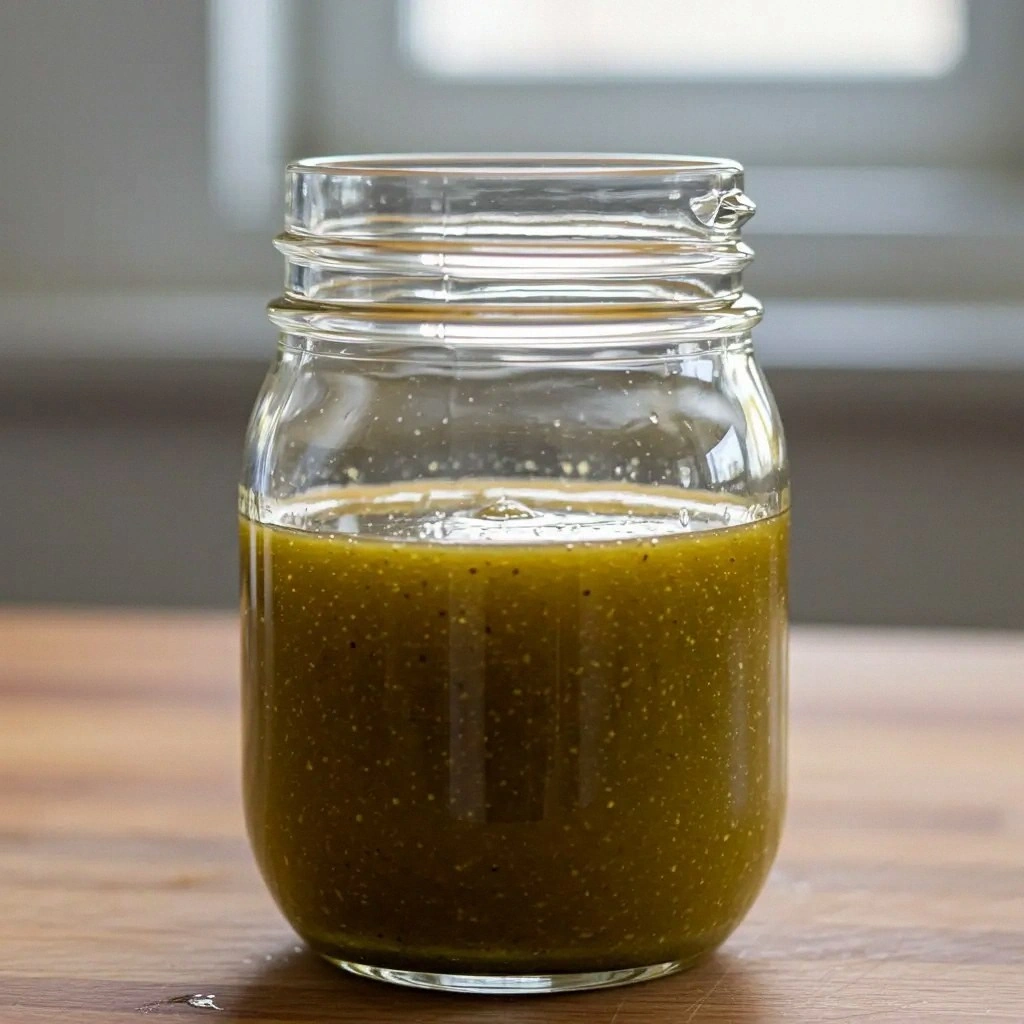
The Method — Step by Step
- In a small saucepan, combine 1/2 cup Dijon mustard, 1/4 cup honey, 2 tablespoons apple cider vinegar, and a pinch of cayenne pepper. Heat over medium heat, stirring constantly, until the honey dissolves completely. The mixture should bubble gently, but not boil. This step is crucial for ensuring the flavors meld before adding oil. Once it’s smooth, remove from heat and let it cool for a minute.
- In a mixing bowl, pour 3/4 cup extra‑virgin olive oil over the cooled mustard‑honey mixture. Using a whisk, start at the center and move outward, creating a slow spiral. The goal is to form a stable emulsion that doesn’t separate. If you see the mixture splitting, add a few drops of water and whisk vigorously. The dressing should have a glossy sheen and a silky texture.
- Season with 1/2 teaspoon salt and 1/4 teaspoon freshly ground black pepper. Taste and adjust—if you prefer a tangier dressing, add a splash of more vinegar; if you want more sweetness, add a drizzle of honey. The balance is key; you want the dressing to complement, not overpower, your greens.
- Let the dressing sit for 5 minutes at room temperature. This resting period allows the flavors to marry and the emulsion to thicken slightly. During this time, the dressing will develop a deeper, more complex flavor profile.
- Before serving, give the dressing a quick whisk to recombine any separated oil. It should be smooth and glossy, ready to coat any salad or roasted vegetable.
- Drizzle over your favorite greens—arugula, spinach, or mixed lettuce. The dressing should cling to the leaves, creating a burst of flavor with every bite. If you’re using it as a dip, serve alongside fresh veggies or crispy pita chips.
- Store any leftovers in a sealed jar in the refrigerator. The dressing will keep for up to a week. If it thickens, stir in a splash of water or a few drops of olive oil to restore its silky consistency.
- Serve immediately for the best flavor. The dressing is best enjoyed fresh, but it remains delicious even after a few days.
- That’s it—you did it. But hold on, I’ve got a few more tricks that will take this to another level. Keep reading for insider tips and creative twists.
Insider Tricks for Flawless Results
The Temperature Rule Nobody Follows
Many chefs think temperature doesn’t matter, but the oil’s temperature is crucial. If the oil is too hot, it can break the emulsion; if it’s too cool, the dressing will be thin. Keep the oil at a gentle warmth—just enough to feel warm to the touch but not hot. This subtle control ensures a stable, glossy finish.
Why Your Nose Knows Best
Before you taste, sniff the mixture. A strong vinegar scent indicates acidity is balanced. If the honey scent dominates, the dressing may be too sweet. Use your nose as a flavor guide—adjust until the scents harmonize.
The 5‑Minute Rest That Changes Everything
Resting the dressing lets the mustard proteins unwind, making the emulsion stronger. Think of it as a short nap for your dressing; it wakes up more vibrant. Don’t skip this step even if you’re in a rush—your taste buds will thank you.
A Pinch of Heat, A World of Flavor
Adding cayenne pepper or smoked paprika gives the dressing a subtle kick that lingers. It’s a small addition that transforms the flavor profile from ordinary to extraordinary. If you’re heat‑averse, use just a quarter teaspoon.
The Secret to a Long‑Lasting Emulsion
Use a small amount of mustard to start the emulsion. Mustard contains natural emulsifiers that help bind oil and vinegar. Without it, the dressing will separate quickly. This trick is why many professional chefs rely on mustard in vinaigrettes.
The Perfect Shake
If you need to transport the dressing, use a tight‑lidded jar and shake vigorously before each use. This simple action redistributes the oil and ensures each spoonful is creamy and consistent.
Creative Twists and Variations
This recipe is a playground. Here are some of my favorite ways to switch things up:
Mediterranean Marinade
Swap the apple cider vinegar for red wine vinegar and add a teaspoon of chopped fresh oregano. The result is a herby, robust dressing that pairs wonderfully with grilled lamb or feta‑topped salads.
Spicy Sriracha Surprise
Replace the cayenne with a tablespoon of sriracha for a bold, spicy kick. The heat cuts through the honey’s sweetness and makes this dressing a hit with chili lovers.
Citrus Burst
Add a tablespoon of freshly squeezed lemon juice and zest from one lemon. The citrus brightens the dressing, making it perfect for summer salads or as a glaze for shrimp.
Smoky Chipotle Twist
Blend in a teaspoon of chipotle in adobo sauce. The smoky heat transforms the dressing into a match for tacos, grilled chicken, or roasted sweet potatoes.
Herb Garden
Stir in a tablespoon of finely chopped fresh basil or parsley. The herbs add a fresh, green note that elevates the dressing’s complexity.
Maple‑Honey Fusion
Replace half the honey with pure maple syrup for a richer, caramelized sweetness. This variation works beautifully over roasted root vegetables or as a dipping sauce for pretzels.
Storing and Bringing It Back to Life
Fridge Storage
Store in a sealed jar or airtight container in the refrigerator for up to one week. The dressing will thicken slightly as it cools, so give it a quick whisk before using.
Freezer Friendly
Although not recommended, you can freeze the dressing for up to two months. Thaw overnight in the fridge and stir vigorously to recombine the oil and vinegar.
Best Reheating Method
If the dressing has thickened after refrigeration, add a splash of water or a few drops of olive oil and whisk until smooth. Warm it gently on the stove over low heat for 30 seconds, then cool before serving.