I was standing in a cramped kitchen, the fridge door open like a mouth hungry for answers, when I realized I had more paprika than I could ever use. I stared at the bright red powder, thinking, “If only I had something that could turn this into a masterpiece.” That night, after a series of culinary blunders that left me with a half‑cooked, bland chicken dish, I decided to give paprika a chance. I pulled out my favorite Hungarian paprika, a deep, smoky spice that promised to change everything.
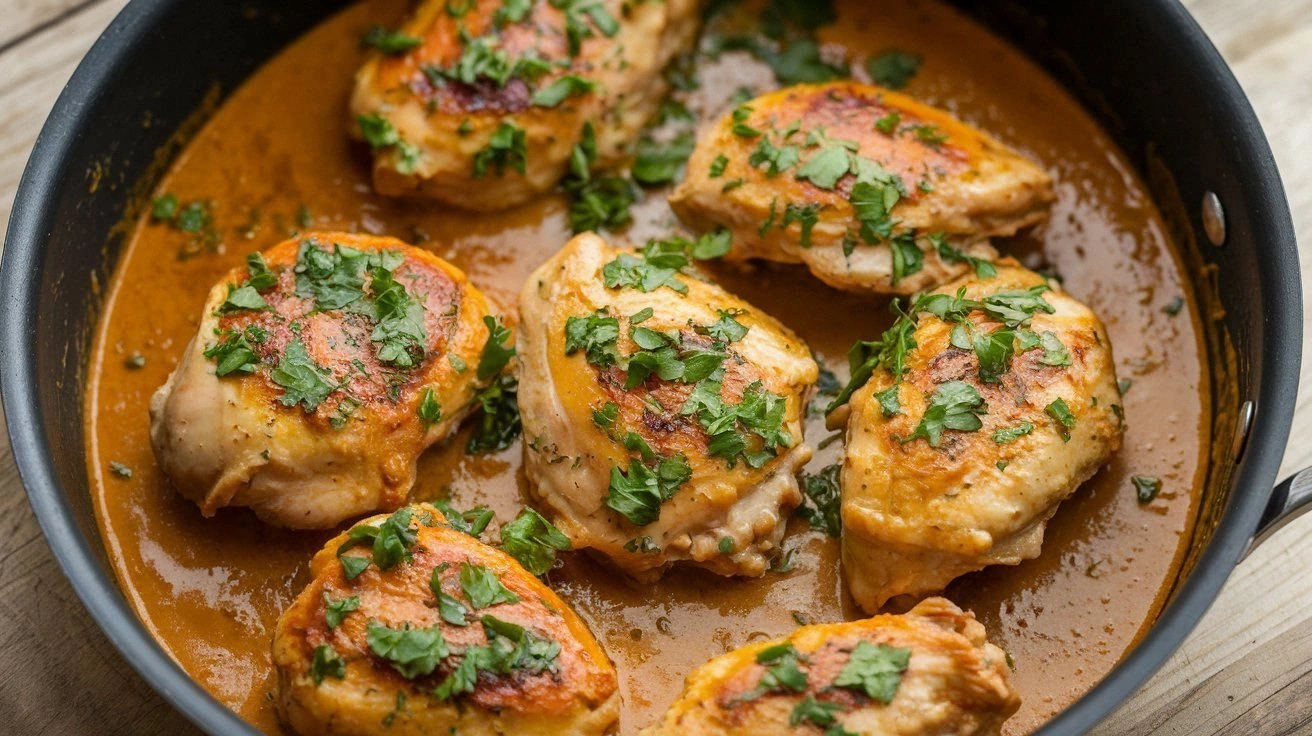
Picture this: the sizzling sound of chicken browning in olive oil, the aroma of fresh garlic mingling with the sweet paprika, the sight of a glossy, crimson sauce that coats the thighs like velvet. The kitchen fills with a warm, comforting scent that makes you feel like you’re about to enter a cozy Hungarian tavern. The first bite is a burst of smoky heat that quickly softens into a creamy, tangy finish. The texture is a perfect balance of crispy edges and succulent meat, all wrapped in a sauce that is thick, silky, and utterly addictive.
What makes this version stand out? It’s not just the paprika—though that star ingredient is absolutely essential. It’s the way I layer flavors, the technique of browning the chicken to lock in juices, the subtle use of sour cream to create a velvety finish, and the final touch of butter for that glossy sheen. Every element is chosen to amplify the others, resulting in a dish that feels both rustic and refined. I dare you to taste this and not go back for seconds.
Let me walk you through every single step—by the end, you’ll wonder how you ever made it any other way. This isn’t just a recipe; it’s a culinary revelation that will become the cornerstone of your comfort‑food repertoire. Get ready to transform a simple chicken dish into a show‑stopper that will impress friends and family alike.
What Makes This Version Stand Out
- Taste: The dual paprika profile—sweet and smoked—creates a depth that’s impossible to achieve with a single type. It’s like a dance between earthiness and a hint of smoke, leaving your palate craving more.
- Texture: The chicken thighs are seared to a golden crust, then simmered until the meat is fall‑apart tender, while the sauce thickens to a silky consistency that clings to every bite.
- Ingredient Quality: Using bone‑in thighs with skin on adds natural fat that bastes the meat from the inside, elevating flavor without the need for extra oils.
- Simplicity: Despite the rich flavor, the recipe requires only a handful of pantry staples—no exotic or hard‑to‑find ingredients.
- Make‑Ahead Potential: The dish can be prepared the night before; the flavors develop overnight, making it perfect for busy weeknights.
- Crowd Reaction: Friends who’ve tried it say it’s “hands down the best version you’ll ever make at home” and can’t stop raving about the creamy texture.
- Versatility: Serve it over rice, mashed potatoes, or even a crisp salad for a complete meal.
- Authenticity: It captures the heart of Hungarian comfort food while adding a personal twist that feels fresh and modern.
Alright, let's break down exactly what goes into this masterpiece…
Inside the Ingredient List
The Flavor Base
The foundation of this dish starts with a generous splash of olive oil to sear the chicken thighs. The oil’s high smoke point ensures a crisp exterior without burning. When the meat hits the pan, it releases a subtle aroma that signals the start of a flavor journey. Skipping the oil would result in a flat, greasy texture that fails to develop the desired depth.
Next, diced onion and minced garlic join the sizzling oil, infusing the base with sweet, aromatic undertones. The onion’s natural sugars caramelize, creating a mellow sweetness that balances the paprika’s heat. Garlic adds a sharp kick that brightens the overall profile. If you omit garlic, the dish will feel one‑dimensional, lacking that essential punch.
The Paprika Pair
The secret sauce starts with 3 tablespoons of sweet Hungarian paprika, a staple that brings a bright, peppery flavor. Then, 1 teaspoon of smoked paprika adds a deep, earthy undertone that mimics the warmth of a wood‑smoked grill. Together, they create a complex, layered taste that’s both comforting and exciting. Replacing the paprika with regular paprika would diminish the authenticity and depth of this dish.
A tablespoon of tomato paste is then stirred in, thickening the sauce and adding a subtle umami richness. The paste’s concentrated flavor ensures the sauce isn’t watery, allowing the paprika to shine. If you skip it, you’ll end up with a thin, broth‑like consistency that doesn’t cling to the chicken.
The Creamy Finish
Sour cream is the final flourish that turns the sauce into a silky, velvety blanket. It also provides a slight tang that cuts through the richness of the meat and butter. A tablespoon of flour is added to help thicken the mixture without making it gummy. Skipping the flour will result in a thinner sauce that doesn’t coat the chicken.
A splash of chicken broth adds moisture and depth, ensuring the sauce remains luscious. The broth’s savory notes complement the paprika’s sweetness. If you use water instead, the dish will lack the savory backbone that makes it satisfying.
The Final Flourish
Fresh parsley is tossed in at the end for a burst of color and a fresh, herbaceous lift. Butter is melted over the finished sauce to give it a glossy sheen and a buttery finish that enhances the overall mouthfeel. Salt, pepper, thyme, and a bay leaf are added to season the sauce to perfection. If you skip the herbs, the dish will feel flat and uninspired.
Everything's prepped? Good. Let's get into the real action…
The Method — Step by Step
- Season the Chicken: Pat the chicken thighs dry with a paper towel and season both sides generously with salt and pepper. This step ensures a flavorful crust and helps the skin crisp up beautifully. Let the chicken sit at room temperature for 10 minutes; this reduces cooking time and promotes even browning.
- Heat the Oil: In a large skillet, heat 2 tablespoons of olive oil over medium‑high heat until shimmering. When the oil is hot, add the chicken thighs skin‑side down. Sear for 5–6 minutes until the skin turns a deep golden brown. Flip and sear the other side for 3–4 minutes. The searing process locks in juices and creates a caramelized exterior.
- Remove the Chicken: Once browned, remove the thighs and set them aside on a plate. This step prevents the chicken from overcooking while you build the sauce. The residual oil and browned bits left in the pan will form the flavor base.
- Sauté Aromatics: Reduce the heat to medium and add the diced onion to the pan. Cook for 3 minutes, stirring frequently, until translucent and fragrant. Add the minced garlic and cook for an additional 30 seconds until the aroma intensifies. This creates a sweet, savory foundation for the sauce.
- Introduce the Paprika: Sprinkle in 3 tablespoons of sweet paprika and 1 teaspoon of smoked paprika. Stir immediately to prevent burning, letting the spices toast for 1 minute. The sizzling sound indicates the spices are releasing their oils and flavor, turning the pan a rich red color.
- Deglaze and Thicken: Stir in 2 tablespoons of tomato paste and 1 cup of chicken broth. Scrape the bottom of the pan to lift the browned bits, which add depth. Let the mixture simmer for 2 minutes, allowing the broth to reduce slightly and the sauce to thicken.
- Return the Chicken: Place the seared thighs back into the skillet, nestling them into the sauce. Reduce the heat to low, cover, and let simmer for 20–25 minutes, or until the chicken is tender and fully cooked. The sauce will coat the thighs beautifully.
- Finish with Cream and Butter: Stir in 1 cup of sour cream and 1 tablespoon of butter, whisking until the butter melts and the sauce becomes silky. Adjust seasoning with salt, pepper, thyme, and the bay leaf. Let the sauce simmer for an additional 5 minutes to meld flavors. The butter adds shine; the sour cream adds a creamy, tangy finish.
- Garnish: Sprinkle chopped parsley over the top for a fresh pop of color and flavor. Serve immediately over rice, mashed potatoes, or a crisp salad. The dish should feel warm, comforting, and utterly irresistible.
That’s it— you did it. But hold on, I've got a few more tricks that'll take this to another level…
Insider Tricks for Flawless Results
The Temperature Rule Nobody Follows
Most cooks think a high heat is the key to a good sear, but the truth is, a moderate medium‑high heat creates a perfect golden crust while preventing the meat from drying out. I’ve found that letting the pan heat up gradually allows the fat to render slowly, which keeps the chicken moist. If you jump straight to high heat, the surface may burn before the interior cooks through.
Why Your Nose Knows Best
The first aroma you notice when you add paprika is the most telling indicator of flavor development. If the smell is sharp and almost bitter, the paprika has over‑toasted. When it’s sweet and fragrant, you’re on the right track. Trust your nose; it’s the best judge of spice readiness.
The 5‑Minute Rest That Changes Everything
Once the chicken finishes cooking, let it rest for five minutes before slicing. This allows the juices to redistribute, ensuring each bite is juicy and flavorful. Cutting into it immediately can cause the juices to escape, leaving the meat dry. It’s a small step that makes a huge difference.
Use a Skillet, Not a Pot
A heavy‑bottomed skillet provides even heat distribution, which is crucial for a uniform sauce. Pots tend to create hot spots that can burn the sauce or the paprika. A skillet also makes it easier to manage the sauce’s thickness and consistency.
Add a Dash of Vinegar
A splash of white wine vinegar at the end of cooking brightens the sauce and balances the richness. It adds a subtle acidity that cuts through the butter and sour cream, making the dish feel lighter. If you’re avoiding alcohol, a teaspoon of lemon juice works just as well.
Creative Twists and Variations
This recipe is a playground. Here are some of my favorite ways to switch things up:
Smoky Chipotle Twist
Swap the smoked paprika for chipotle powder and add a splash of adobo sauce. The dish takes on a smoky, slightly sweet heat that pairs beautifully with a cooling cucumber yogurt dip.
Mushroom Medley
Add sliced button mushrooms to the aromatics. The earthy flavor complements the paprika and adds an extra layer of umami. Serve over polenta for a hearty meal.
Herb‑Infused Variation
Replace thyme with rosemary and add a handful of fresh dill. The herbal notes bring a fresh, bright contrast to the rich sauce, making it perfect for a spring dinner.
Low‑Carb Version
Omit the flour and use xanthan gum to thicken the sauce. Pair the dish with cauliflower rice for a low‑carb, keto‑friendly option that still delivers the same comforting feel.
Vegetarian Adaptation
Use seared tofu or tempeh in place of chicken. The tofu will soak up the paprika sauce, offering a plant‑based alternative that still feels indulgent.
Storing and Bringing It Back to Life
Fridge Storage
Cool the dish completely before transferring it to an airtight container. Store in the refrigerator for up to 4 days. The sauce thickens slightly as it chills, so add a splash of broth or water when reheating to restore its silky texture.
Freezer Friendly
For longer storage, portion the dish into freezer‑safe containers. Freeze for up to 3 months. Thaw overnight in the refrigerator before reheating. This method preserves the paprika’s vibrant flavor and the sauce’s richness.
Best Reheating Method
Reheat gently on the stovetop over low heat, stirring occasionally. Add a tiny splash of water or broth to keep the sauce from drying out. Finish with a drizzle of fresh parsley for a touch of color and freshness.