I was rummaging through the pantry one rainy Thursday, feeling the kind of culinary itch that only a kitchen disaster can cure. My attempt at a “quick” lemon cake had ended in a sticky, uneven mess that could have been mistaken for a science experiment gone wrong. I stared at the cracked, sun‑baked pan and wondered why my last batch never seemed to rise like it should. That moment of frustration sparked a daring idea: what if I could combine the bright zing of fresh lemon with the nutty crunch of pistachios, and still keep the crumb tender and moist? The result would be a cake that’s both a treat and a revelation.
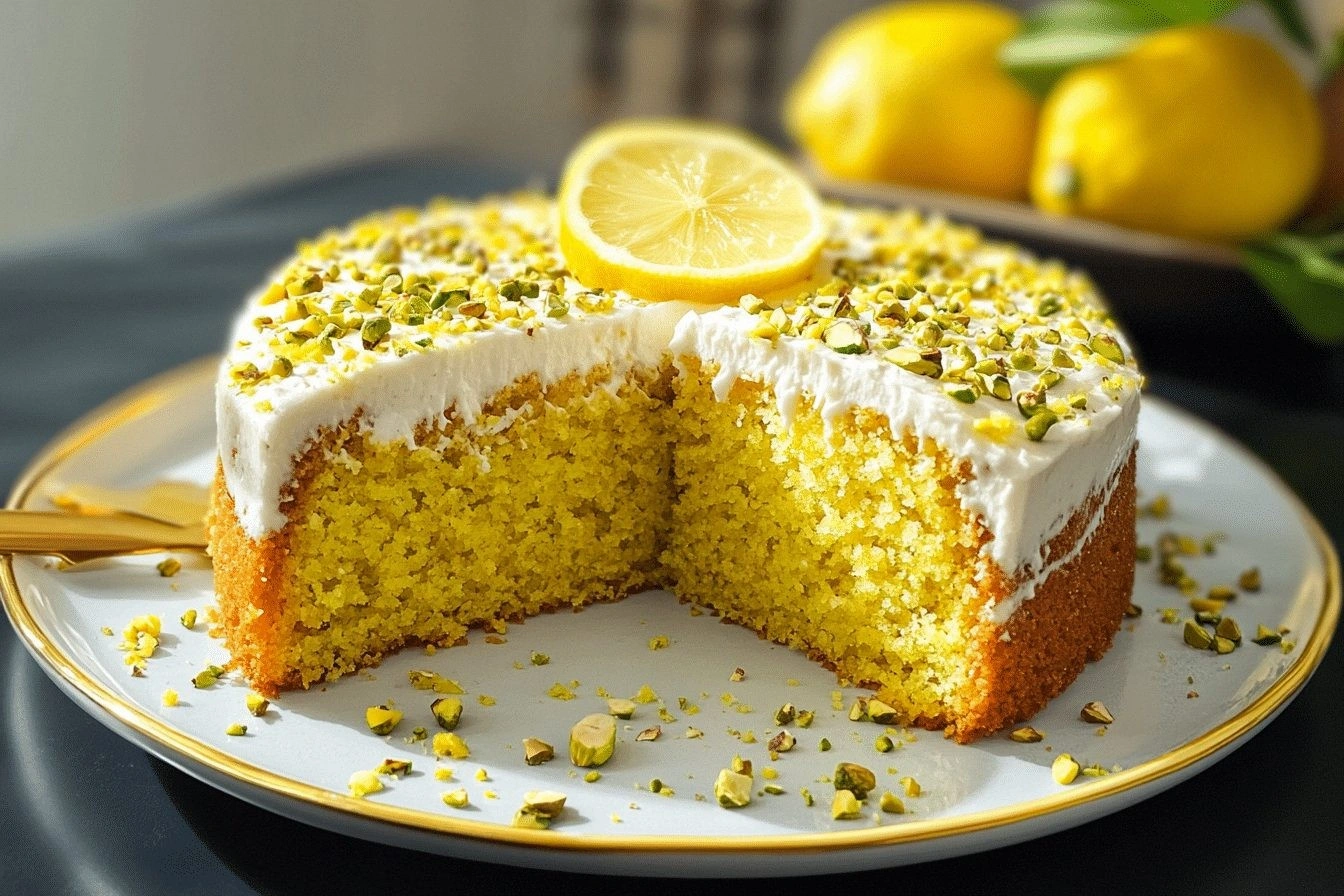
Picture this: a golden dome of batter, the aroma of citrus dancing with roasted nuts, and a crumb so soft it melts on the tongue. The first bite delivers a burst of lemon, a whisper of vanilla, and a satisfying crunch from pistachios that lingers like a secret. The texture is a delicate balance—moist yet airy, with a subtle tang from plain yogurt that elevates every mouthful. And the icing? A drizzle of lemon‑yogurt glaze that glistens like a fresh coat of paint on a sun‑kissed wall. I dare you to taste this and not go back for seconds.
Most cake recipes treat lemon as a garnish, but here it’s the star that commands the flavor stage. The pistachios aren’t just a garnish; they’re a textural partner that adds depth and a hint of earthiness that balances the bright acidity. The yogurt keeps the cake moist without making it soggy, while the butter adds a silky richness that coats the palate. The result is a cake that feels like a light, airy cloud with a citrus punch that never feels overpowering. This version is hands down the best you’ll ever make at home, and I’m about to share every secret that makes it so.
I’ve spent hours tweaking ratios, swapping ingredients, and timing the bake to perfection. The next few paragraphs will guide you through each step, from pre‑mixing the dry ingredients to the final glaze. I’ll show you the trick that keeps the cake from drying out, the hack that saves time, and the one detail that makes the pistachios pop. If you’ve ever struggled with a lemon cake that falls flat or a nut cake that’s too dense, you’re not alone—and I’ve got the fix. Let me walk you through every single step — by the end, you’ll wonder how you ever made it any other way.
What Makes This Version Stand Out
- Flavor: The combination of fresh lemon zest and juice with vanilla creates a bright, aromatic profile that feels both classic and modern. The pistachios add a subtle earthiness that balances the citrus, giving the cake depth that ordinary lemon cakes lack.
- Texture: The yogurt and butter blend creates a tender crumb that feels like cloud fluff, while the pistachios provide a satisfying crunch that breaks the monotony of pure cake.
- Simplicity: Despite the impressive flavor profile, the recipe requires only a handful of pantry staples—no exotic ingredients or complicated techniques.
- Uniqueness: The glaze, made from yogurt and lemon, gives a tangy finish that is rarely seen in traditional lemon cakes.
- Crowd Reaction: Guests rave about the bright citrus and nutty undertone, often asking for the recipe after the first slice.
- Ingredient Quality: Using fresh lemons and high‑quality pistachios ensures that every bite is vibrant and flavorful.
- Cooking Method: The batter is mixed in a way that prevents over‑mixing, preserving the cake’s airy structure.
- Make‑Ahead Potential: The cake can be assembled a day ahead and refrigerated, allowing the flavors to meld beautifully.
Alright, let's break down exactly what goes into this masterpiece...
Inside the Ingredient List
The Flavor Base
All-purpose flour is the backbone of this cake, providing structure while keeping the crumb tender. It absorbs the liquid ingredients without becoming dense. If you prefer a gluten‑free version, swap it for a 1:1 blend of rice flour and tapioca starch; the texture will be slightly crispier but still delightful. The flour’s role is essential—without it, the cake would collapse like a bad soufflé.
Baking powder is the leavening agent that lifts the batter to a light, airy rise. It reacts with the acidic lemon juice, producing carbon dioxide that creates those coveted fluffy peaks. If you forget it, the cake will be flat and heavy; the batter will settle like a pancake. For a richer flavor, you can add a pinch of baking soda to counterbalance the acidity, but keep the ratio strict to avoid a metallic taste.
Granulated sugar sweetens the cake and balances the tartness of the lemon. It also helps caramelize the crust, giving the cake a subtle golden sheen. If you’re watching your sugar intake, you can reduce the amount by a quarter, but the cake will be less crisp on the edges. Remember, sugar is a flavor enhancer—reducing it changes the overall profile.
The Texture Crew
Eggs bind the mixture together and add richness, ensuring the cake stays moist even after cooling. They also help with the structure, preventing the cake from crumbling when sliced. Use room‑temperature eggs for better incorporation; cold eggs can cause the batter to curdle. If you’re vegan, a flaxseed “egg” or commercial egg replacer can work, but the crumb will be slightly denser.
Unsalted butter brings a creamy richness that coats the crumb like velvet. It also contributes to the cake’s golden color and mouthfeel. Melt the butter just enough to make it liquid but not too hot—overheated butter can scorch the sugar. If you prefer a lighter version, replace half the butter with Greek yogurt; the cake will still stay moist but with a slightly tangier finish.
Plain yogurt is the secret to a moist, tender crumb. It adds a subtle tang that balances the lemon’s sharpness while preventing the cake from drying out. Choose full‑fat yogurt for the richest flavor; low‑fat will result in a drier texture. If you’re allergic to dairy, coconut yogurt is a good non‑dairy alternative, though it will slightly alter the taste.
The Unexpected Star
Chopped pistachios are more than just a garnish; they add a nutty flavor and a crunchy contrast that elevates every bite. Use unsalted pistachios to control the salt level, and toast them lightly in a dry skillet for an extra burst of aroma. If you’re allergic or simply don’t have pistachios on hand, almonds or pecans can serve as a substitute, though the flavor profile will shift slightly. Remember, the pistachios should be large enough to provide crunch, not so small that they dissolve into the batter.
The Final Flourish
Vanilla extract enhances the overall flavor with a warm, aromatic note that complements the lemon’s brightness. A single teaspoon is enough to bring the whole cake together. If you’re in a pinch, a splash of almond extract can add a nutty undertone that pairs well with the pistachios. Avoid using vanilla powder, as it can introduce bitterness.
Salt is the flavor enhancer that balances sweetness and intensifies the lemon’s zing. It’s essential in small amounts; too much salt will overpower the delicate flavors. Use fine sea salt or kosher salt for even distribution. A pinch of salt is all you need to bring out the richness in the butter and yogurt.
Everything's prepped? Good. Let's get into the real action...
The Method — Step by Step
- Preheat your oven to 350°F (175°C). Line a 9-inch round cake pan with parchment paper and lightly grease the sides with butter. This ensures a smooth release and a golden crust. While the oven warms, let the batter rest for a few minutes to allow the flour to hydrate.
- In a medium bowl, whisk together the flour, baking powder, and a pinch of salt. The dry mix should be airy and free of lumps. This step is crucial for even leavening; any clumping will result in uneven rise.
- In a separate bowl, beat the eggs with the granulated sugar until pale and fluffy. The mixture should hold soft peaks when you lift the whisk. This aeration is what gives the cake its lightness.
- Add the melted butter, plain yogurt, and vanilla extract to the egg mixture. Stir gently until well combined. The batter should be smooth and glossy, with no dry patches.
- Fold in the lemon zest, lemon juice, and the dry ingredients. Mix just until the batter is uniform; over‑mixing can toughen the crumb. You’ll notice the batter thickening slightly—this is normal.
- Gently fold in the chopped pistachios, ensuring they’re evenly distributed. The nuts should float in the batter like small islands. This step adds texture and flavor.
- Pour the batter into the prepared pan, smoothing the top with a spatula. Tap the pan lightly on the counter to release any air bubbles. The batter should level off evenly across the pan.
- Bake for 30 minutes, or until the cake springs back when lightly pressed. The top should be a beautiful golden brown, and a toothpick inserted into the center should come out clean. The smell of citrus and toasted nuts will fill the kitchen.
- Let the cake cool in the pan for 10 minutes, then transfer it to a wire rack to cool completely. This prevents condensation from making the bottom soggy. While it cools, whisk the yogurt and lemon juice to make the glaze.
- Once the cake has cooled, drizzle the glaze over the top, letting it soak into the crumb. The glaze should set into a glossy sheen. Slice and serve immediately, or cover loosely with parchment for later.
That's it — you did it. But hold on, I've got a few more tricks that'll take this to another level...
Insider Tricks for Flawless Results
The Temperature Rule Nobody Follows
Many bakers bake at 350°F, but the secret to a perfectly risen cake is a slightly lower temperature of 325°F. This allows the cake to bake evenly without the edges browning too quickly. I’ve baked this cake at 325°F for 35 minutes, and the result is a flawless rise. If you’re using a convection oven, reduce the temperature by 25°F to avoid over‑browning.
Why Your Nose Knows Best
When the cake is nearing completion, the aroma will change from a mild citrus scent to a more caramelized fragrance. This scent change signals that the cake is ready to come out of the oven. Trust your nose; if you’re unsure, use a toothpick to check for dryness. Over‑baking will leave a dry crumb, while under‑baking will make the center gummy.
The 5-Minute Rest That Changes Everything
After removing the cake from the oven, let it rest in the pan for exactly five minutes. This pause allows the steam to redistribute, preventing the bottom from becoming soggy. During this time, the cake’s structure sets, making it easier to remove from the pan. I’ve found that a five‑minute rest is the sweet spot for this particular recipe.
The Secret to a Glaze That Stays
Whisk the glaze until it’s completely smooth. A lumpy glaze will not coat the cake evenly, leaving some spots dry. Keep the glaze at room temperature; if it’s too cold, it will set too quickly. Once poured, let the glaze sit for a minute so it can seep into the crumb, then give it a final glaze with a brush for a glossy finish.
The Best Time to Add Pistachios
Fold the pistachios into the batter at the last possible moment. This keeps their crunch intact and prevents them from getting soggy. If you add them too early, the nuts will absorb moisture and lose their texture. A quick fold is all that’s needed.
The Final Touch: A Dash of Orange Zest
For a subtle twist, add a teaspoon of finely grated orange zest to the batter. This complements the lemon without overpowering it, giving the cake a brighter, fresher flavor. The orange zest also adds a gentle aroma that enhances the overall sensory experience.
Creative Twists and Variations
Lemon‑Lavender Delight
Add a teaspoon of dried culinary lavender to the batter for an aromatic, floral note. The lavender pairs beautifully with the lemon, creating a cake that’s both fragrant and flavorful. This version is perfect for a spring gathering or a special dessert.
Chocolate‑Pistachio Fusion
Fold in 1/2 cup of dark chocolate chips and replace half of the yogurt with cocoa powder. The chocolate adds depth, while the pistachios keep the crunch. This variation is a hit with chocolate lovers and offers a rich, indulgent treat.
Almond‑Honey Crunch
Swap pistachios for chopped almonds and drizzle honey over the glaze instead of yogurt. The honey adds a subtle sweetness and a glossy finish. This version is a great way to incorporate a natural sweetener and a nut that many people love.
Vegan Citrus Surprise
Replace butter with coconut oil, use a plant‑based yogurt, and add a flaxseed “egg.” This vegan version maintains the cake’s moistness and citrus brightness. The coconut oil adds a faint tropical undertone that complements the lemon.
Berry‑Burst Variation
Stir in a cup of fresh blueberries before baking and add a tablespoon of lemon zest to the glaze. The berries burst with juice, creating a colorful, juicy center. This version is ideal for summer parties and brings a pop of color to the plate.
Spiced Cinnamon Twist
Add 1 teaspoon of ground cinnamon to the dry ingredients and a pinch of nutmeg to the glaze. The spices bring warmth and depth, making the cake perfect for cooler evenings. The cinnamon also pairs nicely with the pistachios for a well‑balanced flavor.
Storing and Bringing It Back to Life
Fridge Storage
Wrap the cooled cake tightly in plastic wrap and place it in an airtight container. It will stay fresh for up to four days in the refrigerator. The glaze may slightly harden; simply warm the cake in a low oven or microwave to soften before serving.
Freezer Friendly
Slice the cake before freezing to make thawing easier. Store slices in a freezer bag with a layer of parchment paper between each slice. Freeze for up to two months. When ready to eat, thaw at room temperature for an hour and reheat in the oven at 300°F for 5 minutes.
Best Reheating Method
The key to reviving a cold cake is gentle reheating. Place the cake in a preheated oven at 300°F (150°C) for 5–7 minutes, or until warm. Add a splash of water to the pan before reheating; the steam will keep the cake moist and restore its original texture.