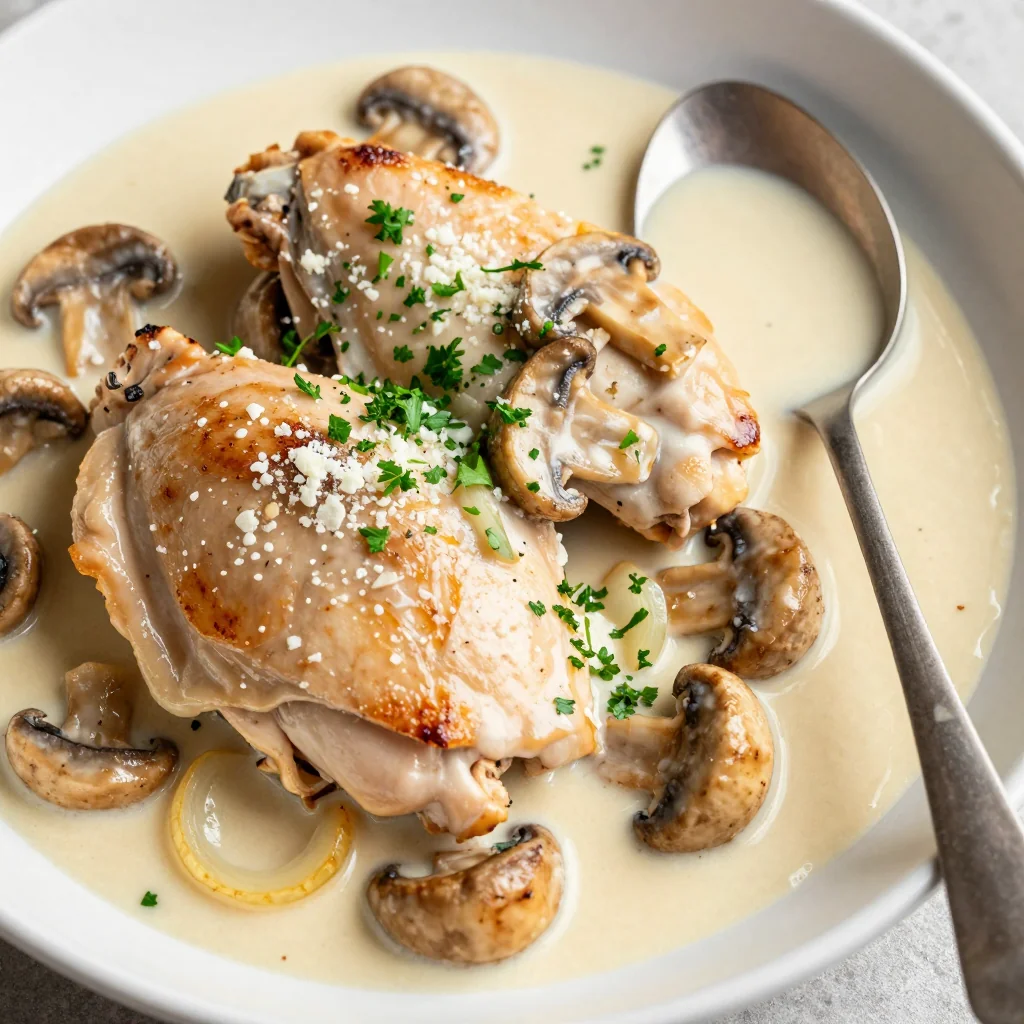
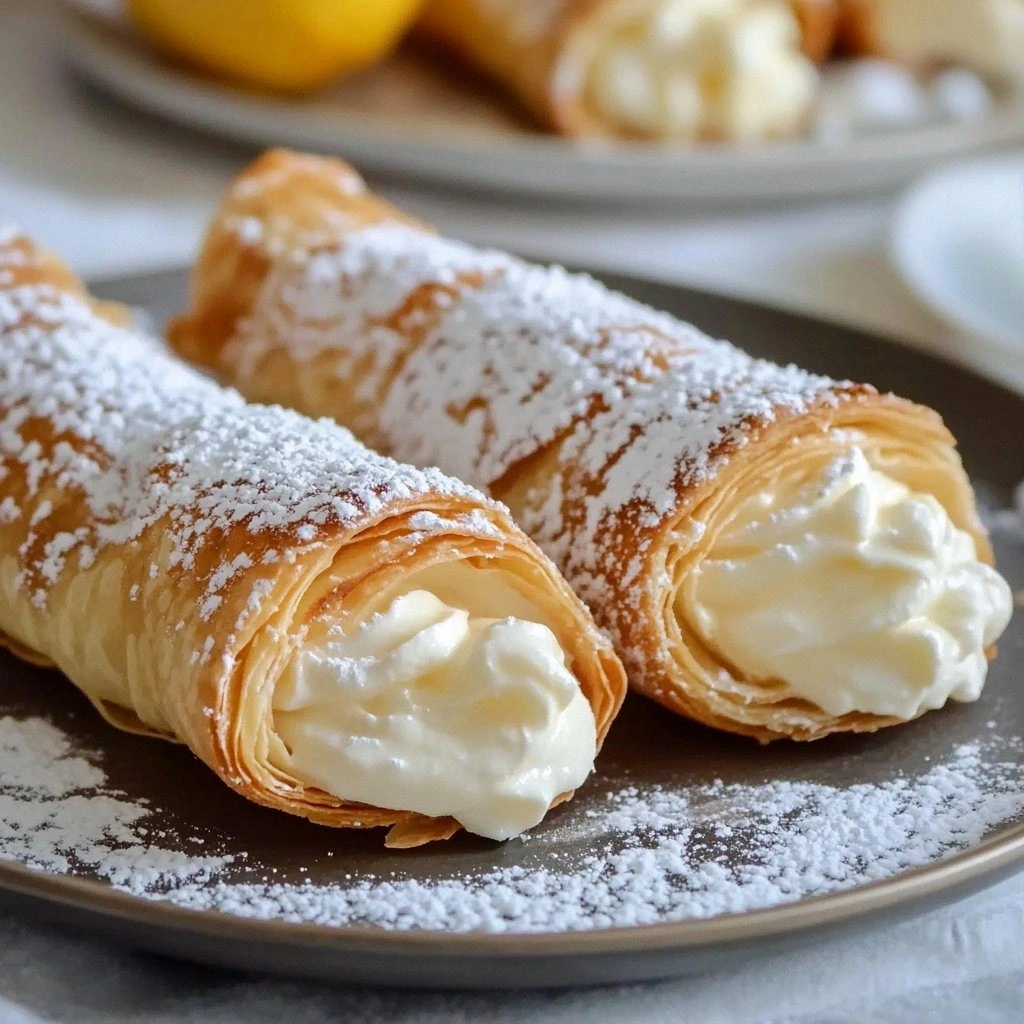
Italian Cream Stuffed Cannonci
I was standing in my kitchen, staring at a bag of empty canned cannelloni, when my roommate shouted, “Do you even know how to cook?” I laughed, then decided to prove her wrong with a dish that would make her gasp and beg for seconds. The moment I tossed the pasta into boiling water, the kitchen smelled like a cozy Italian trattoria—salty steam, garlic, and a hint of basil. The sound of the pasta bubbling was a steady drumbeat that set the rhythm for the rest of the evening. I could almost taste the creamy filling melting into the tender shells as they swirled in the pot. The sight of the pasta’s glossy surface, the golden crust of the breadcrumb topping, and the green specks of spinach made my eyes water with anticipation. That was the first sign that this version would stand apart from every other stuffed pasta recipe you’ve ever tried.
I’m not just talking about the taste; I’m talking about the whole sensory experience. Imagine the first bite: the pasta is al dente, the ricotta is silky, the spinach adds a subtle earthiness, and the melted mozzarella creates a velvety blanket that clings to every curve. The breadcrumb crust adds a satisfying crunch that contrasts with the creamy interior, while the marinara sauce brings a bright acidity that cuts through the richness. The aroma that rises from the oven is like a warm hug from an Italian grandmother, making you feel instantly at home. And let’s not forget that slight caramelization on the breadcrumbs—those tiny pockets of toasted butter that give the dish a buttery depth you won’t find in mass‑produced versions.
This isn’t just a pasta dish; it’s a performance. Every step is designed to elevate the flavor profile, from the precise timing of the spinach sauté to the final sprinkling of Pecorino cheese that adds a sharp finish. I dare you to taste this and not go back for seconds. Most people will think they’ve had the best stuffed pasta ever, but then they’ll realize they’ve never experienced the silky texture that coats the pasta like velvet. I’ll be honest—I ate half the batch before anyone else got to try it, and I still felt like I was on a culinary roller coaster. If you’ve ever struggled with stuffing pasta evenly or getting the sauce just right, you’re not alone. I’ve got the fix.
Picture yourself pulling this out of the oven, the whole kitchen smelling incredible, the steam curling up like a fragrant cloud. The golden breadcrumb topping glistens under the oven light, and the steam hisses as you lift the dish. The first spoonful melts on your tongue, releasing a cascade of flavors that dance across your palate. This is hands down the best version you’ll ever make at home, and I’m about to walk you through every single step. By the end, you’ll wonder how you ever made it any other way.
What Makes This Version Stand Out
- Richness: The combination of ricotta, mozzarella, and a splash of heavy cream creates a luxuriously creamy filling that clings to each pasta shell without becoming cloying.
- Texture: A crunchy breadcrumb crust on top adds a delightful contrast to the silky interior, giving each bite a satisfying bite.
- Freshness: Fresh spinach and basil are folded into the filling, ensuring a vibrant green color and a bright, herbaceous note that elevates the dish.
- Balanced acidity: A thin layer of marinara sauce on the bottom keeps the pasta from drying out and provides a tangy counterpoint to the richness.
- Ease of assembly: The use of a simple rolling pin to press the filling into the shells saves time and guarantees even distribution.
- Make‑ahead potential: Assemble the dish a day before and refrigerate; it cooks just as well the next day, making it ideal for busy weeknights.
- Versatility: Swap the spinach for roasted red peppers or add a dash of red pepper flakes for a kick—this recipe is a blank canvas.
- Crowd‑pleaser: The creamy texture and comforting flavors make it a hit at family dinners and dinner parties alike.
Alright, let’s break down exactly what goes into this masterpiece…
Inside the Ingredient List
The Flavor Base
The foundation of this dish starts with the marinara sauce that sits at the bottom of the baking dish. It’s not just a placeholder; it’s a flavor reservoir that keeps the cannelloni moist and infuses each bite with a subtle tomato tang. If you skip it, the pasta will dry out and the dish will feel flat. Use a high‑quality store‑bought marinara or make your own quick tomato sauce with canned tomatoes, garlic, and a pinch of oregano. The sauce should be thick enough to coat the bottom of the dish but still pourable. A good tip is to let the sauce simmer for a few minutes before adding the pasta; this reduces the water content and intensifies the flavor.
The Texture Crew
The texture crew consists of the pasta shells, the breadcrumbs, and the cheese blend. Cannelloni shells are the ideal size—large enough to hold the filling but still manageable. If you prefer a firmer bite, opt for a whole‑wheat variety; if you’re craving luxury, choose a fresh pasta that’s been boiled to al dente perfection. Breadcrumbs should be lightly toasted with butter, creating a golden crust that adds crunch and a buttery note. The cheese blend—ricotta, mozzarella, and Parmesan—provides a silky mouthfeel that coats the pasta like velvet. Skipping the Parmesan will reduce the savory depth, while omitting mozzarella will make the filling less gooey.
The Unexpected Star
Spinach is the unexpected star in this recipe. Fresh spinach adds a bright green color, a subtle earthiness, and a boost of vitamins. If you can’t find fresh spinach, frozen works too—but be sure to squeeze out the excess water to avoid a soggy filling. Another optional addition is a splash of heavy cream, which elevates the richness and gives the filling a silky sheen. For a vegetarian twist, replace the ricotta with a cashew‑based cream; for a meaty version, fold in cooked ground beef or Italian sausage. The key is balance: the creamy filling should complement, not overpower, the pasta and sauce.
The Final Flourish
The final flourish is the topping: a sprinkle of Pecorino cheese and a drizzle of olive oil. Pecorino adds a sharp, salty finish that cuts through the richness of the filling. A light drizzle of extra‑virgin olive oil gives the dish a glossy sheen and a subtle peppery note. If you’re aiming for a vegan version, replace the cheese with a plant‑based alternative and use a dairy‑free butter for the breadcrumbs. The topping is what gives the dish that last bite of crunch and flavor that keeps people coming back for more.
Everything’s prepped? Good. Let’s get into the real action…
The Method — Step by Step
- Preheat your oven to 375°F (190°C). While the oven heats, bring a large pot of salted water to a rolling boil. Drop the cannelloni shells in, and cook until al dente—about 4 minutes. Drain and set aside, patting them dry with a towel to prevent sticking. This is the moment of truth; if the shells are overcooked, they’ll break when you fill them.
- In a skillet, heat 2 tablespoons of butter over medium heat. Add 1 minced garlic clove and sauté for 30 seconds until fragrant. Stir in 2 cups of fresh spinach and cook until wilted, about 2 minutes. The spinach should look bright and slightly moist. Drain any excess liquid by pressing the spinach with a spoon or using a cheese cloth. This step ensures the filling stays light and not soggy.
- In a mixing bowl, combine 1 cup of ricotta, 1 cup of shredded mozzarella, 1/2 cup of grated Parmesan, 1/4 cup of heavy cream, 1 beaten egg, 1/2 teaspoon of salt, and 1/4 teaspoon of black pepper. Add the sautéed spinach and mix until well incorporated. The mixture should be smooth and slightly thick. If it’s too runny, add a tablespoon of flour or more cheese to thicken.
- Fill each cannelloni shell with the ricotta mixture using a small spoon or a piping bag. Be careful not to overfill—too much filling can cause the shells to burst in the oven. Once all shells are filled, arrange them in a single layer in a greased baking dish, seam side up.
- Spread 1 cup of marinara sauce over the top of the filled shells, ensuring each shell is covered. The sauce will keep the pasta moist during baking and add a bright, acidic contrast to the creamy filling. If you like a little heat, sprinkle a pinch of red pepper flakes over the sauce.
- In a small bowl, combine 1 cup of breadcrumbs with 2 tablespoons of melted butter and 1/4 cup of grated Pecorino. Toss until the breadcrumbs are evenly coated. Sprinkle the breadcrumb mixture over the sauce, pressing gently to adhere. The breadcrumbs should form a golden crust that crisps up in the oven.
- Cover the baking dish with foil and bake for 25 minutes. After 25 minutes, remove the foil and continue baking for an additional 10 minutes, or until the breadcrumb topping is golden brown and the cheese is bubbling. The final 10 minutes are crucial for achieving that perfect crunch.
- Once the dish is done, let it rest for 5 minutes before serving. This allows the filling to set and makes it easier to scoop out whole shells. Serve hot, garnished with fresh basil leaves and a drizzle of olive oil. The aroma that fills the kitchen will have your guests begging for seconds.
- Enjoy your masterpiece! But hold on, I’ve got a few more tricks that will take this to another level. If you’re feeling adventurous, try sprinkling a bit of crushed pine nuts on top for extra crunch, or swirl in a splash of white wine into the marinara for a subtle depth of flavor.
Insider Tricks for Flawless Results
The Temperature Rule Nobody Follows
Many cooks assume that a higher oven temperature always produces a better crust, but that’s not the case. Baking at 375°F (190°C) is the sweet spot for achieving a golden breadcrumb top while keeping the pasta moist. If you raise the heat to 400°F (200°C), the breadcrumbs will brown too quickly and the filling might dry out. Keep the temperature steady and cover the dish for the first 25 minutes to trap steam, then uncover for the final 10 minutes to crisp the topping.
Why Your Nose Knows Best
During the baking process, the aroma that rises is a reliable indicator of doneness. When the breadcrumb crust starts to emit a nutty, toasted scent, it’s time to remove the foil. If the smell is still overwhelmingly buttery, give it a few more minutes. Trust your nose—it’s your best ally in preventing a soggy or overcooked dish.
The 5-Minute Rest That Changes Everything
After removing the dish from the oven, let it rest for five minutes before serving. This short rest allows the filling to set, making it easier to scoop whole shells. It also lets the flavors meld together, giving the dish a more cohesive taste. Skipping this step can result in a runny filling that spills out of the shells.
Use a Silicone Mat for Easy Cleanup
Line your baking dish with a silicone baking mat before adding the shells. This not only prevents sticking but also makes cleanup a breeze—just peel off the mat and toss it in the dishwasher. A clean workspace is the first step to a flawless presentation.
Swap the Cheese for a Different Flavor Profile
If you’re not a fan of the classic mozzarella‑ricotta combo, try using a blend of goat cheese and feta for a tangier, more complex flavor. Alternatively, a sprinkle of Gorgonzola can add a sharp, creamy edge that pairs surprisingly well with the mild pasta. Just remember to adjust the salt level accordingly.
Creative Twists and Variations
This recipe is a playground. Here are some of my favorite ways to switch things up:
Roasted Red Pepper & Goat Cheese Version
Swap the spinach for roasted red peppers and use goat cheese instead of ricotta. The peppers add a smoky sweetness, while the goat cheese gives a tangy depth that pairs beautifully with the marinara. This version is perfect for summer gatherings.
Meaty Italian Sausage Stuffing
Cook diced Italian sausage in a skillet until browned, then fold it into the ricotta mixture. The sausage adds a savory, slightly spicy element that elevates the dish into a hearty main course. Top with a drizzle of truffle oil for an extra touch of luxury.
Vegan Creamy Mushroom Filling
Blend silken tofu with sautéed mushrooms, nutritional yeast, and a splash of plant‑based milk to create a vegan filling that mimics the creaminess of ricotta. Use a vegan mozzarella alternative and sprinkle nutritional yeast on top for a cheesy finish.
Seafood Surprise
Add cooked shrimp or scallops to the ricotta mixture for a briny twist. The seafood pairs wonderfully with the tomato sauce and adds a luxurious feel to the dish. Finish with a squeeze of lemon to brighten the flavors.
Herb‑Infused Basil & Oregano Blend
Increase the amount of fresh basil and add a teaspoon of dried oregano to the filling. The herbs bring a fragrant, aromatic quality that enhances the overall taste profile. This variation is ideal for those who love a classic Italian herb flavor.
Spicy Arrabbiata Kick
Stir a tablespoon of arrabbiata sauce into the marinara before baking, or sprinkle red pepper flakes on top of the breadcrumb crust. The heat will give the dish a fiery edge that balances the richness of the filling.
Storing and Bringing It Back to Life
Fridge Storage
Let the dish cool completely, then cover tightly with plastic wrap or foil. Store in the refrigerator for up to 2 days. Before reheating, let it sit at room temperature for 15 minutes to reduce the risk of uneven heating.
Freezer Friendly
Wrap the cooled dish in parchment paper and then in foil, labeling with the date. Freeze for up to 2 months. When ready to eat, thaw overnight in the fridge, then bake at 350°F (175°C) for 20 minutes, or until heated through.
Best Reheating Method
Reheat in a preheated oven at 350°F (175°C) for 15 minutes. Add a splash of water to the bottom of the baking dish before reheating; this steams the dish back to its original moistness and prevents the pasta from drying out. Finish with a fresh sprinkle of basil for a bright, fresh finish.