I was standing in my kitchen, staring at a half‑cooked shrimp that had turned a sad, translucent gray, when the idea hit me like a citrusy bolt of lightning: why not turn that disaster into a zesty, lemon‑garlic masterpiece that would make even the most skeptical foodie swoon? The moment the shrimp hit the sizzling pan, the air filled with a fragrant perfume that danced between bright citrus and smoky garlic, and I knew I was onto something special. I tasted a single shrimp, and the combination of bright lemon zest, buttery garlic, and a whisper of chili flakes made my taste buds do a happy dance; the shrimp’s natural sweetness was amplified, and the zoodles provided a satisfying, noodle‑like texture without the carb overload. I was so convinced I could not wait to share this recipe, and I’m about to walk you through every single step—by the end, you’ll wonder how you ever made it any other way.
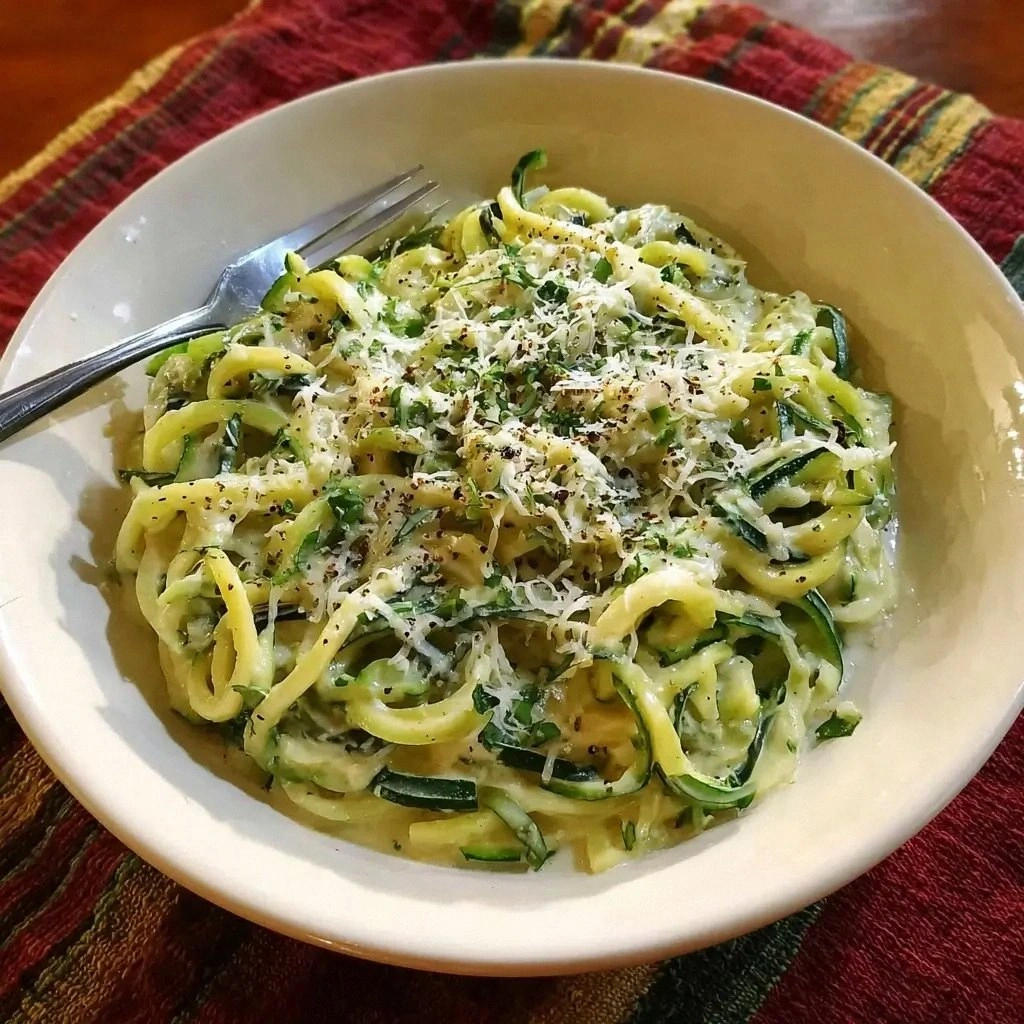
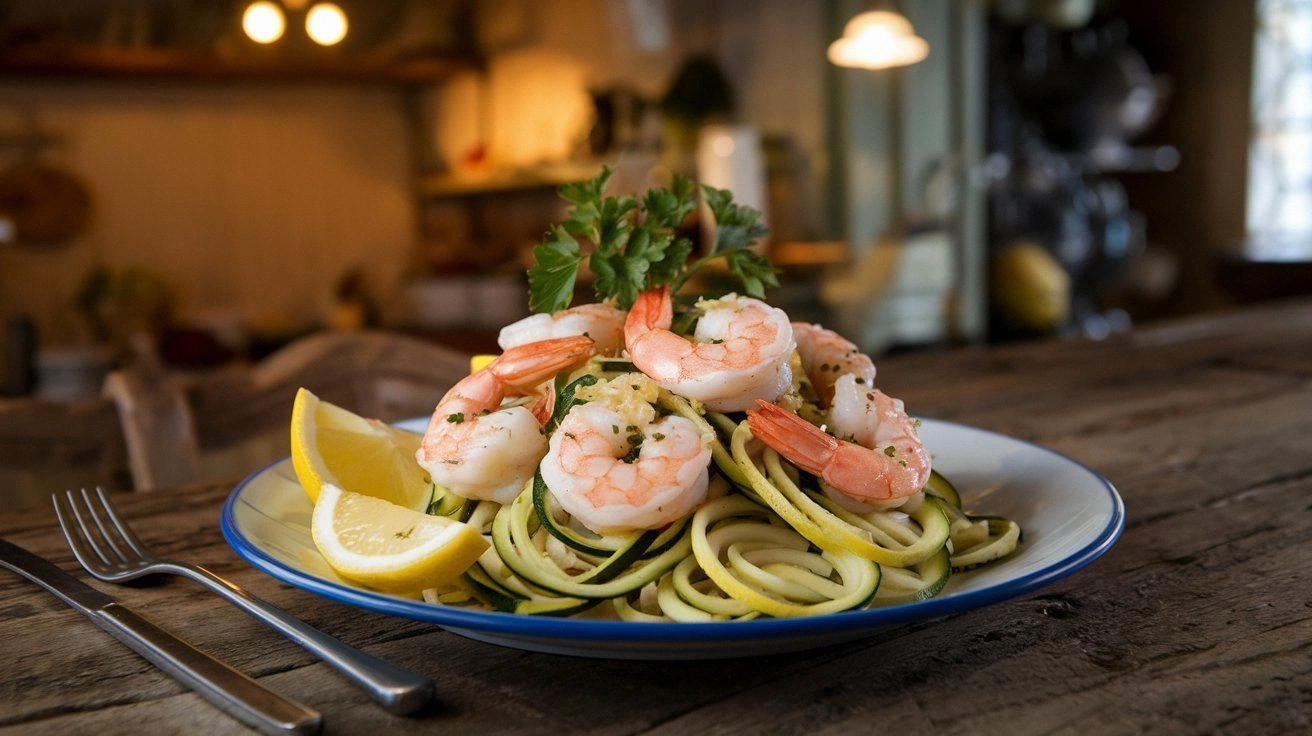
Picture yourself pulling this dish out of the pan, the kitchen filling with a sun‑kissed aroma that feels like a summer breeze on a beach. The shrimp are glossy, perfectly pink, and the zoodles shimmer with a hint of olive oil and lemon juice, creating a plate that looks as good as it tastes. The first bite is a burst of citrusy brightness, the garlic’s warmth, and a subtle heat from the red pepper flakes that lingers just long enough to leave you craving more. I dare you to taste this and not go back for seconds; the flavor profile is so satisfying that you’ll feel like you’re on a vacation without leaving your kitchen. And if you’re wondering what sets this version apart, let’s dive into the details that make it the best you’ll ever make at home.
Most recipes get this completely wrong by overcooking the shrimp or underseasoning the zoodles, resulting in a bland, rubbery dish that feels like a missed opportunity. I’ve spent countless evenings trying to replicate the same bright, crisp flavor, only to end up with soggy noodles and over‑salted shrimp. What I discovered was that the secret lies in the balance of acidity, heat, and the right timing for each ingredient. The shrimp should be seared just until pink, the garlic sautéed until golden but not burnt, and the zoodles tossed at the very end to keep them al dente. By following this method, you’ll achieve a dish that is crisp, flavorful, and utterly irresistible—no more guessing or second‑rate attempts.
If you’ve ever struggled with shrimp that turns rubbery or zoodles that turn mushy, you’re not alone. I’ve been there—shrimp overcooked, noodles soggy, and the whole thing looking like a sad mess. The fix is simple: a quick sear, a splash of lemon, and a dash of fresh herbs at the finish. I’ll walk you through each step, share a few micro‑challenges, and give you insider tricks that will elevate this dish from ordinary to extraordinary. Ready? Let’s get cooking and see why this is hands down the best version you’ll ever make at home.
What Makes This Version Stand Out
- Flavor: The bright lemon zest and juice cut through the natural sweetness of the shrimp, creating a vibrant, refreshing taste that feels like a summer picnic.
- Texture: Zoodles stay firm and slightly chewy, providing a satisfying contrast to the tender shrimp, while the buttery garlic sauce coats each strand like velvet.
- Simplicity: With under ten ingredients and a single pan, this dish is perfect for busy weeknights yet still feels like a gourmet meal.
- Uniqueness: The addition of a splash of white wine during the garlic sauté adds depth, while the final flourish of fresh parsley brings a green brightness.
- Crowd‑Pleaser: Guests rave about the zesty flavor and the fact that it’s low‑carb yet filling, making it a safe bet for dinner parties.
- Ingredient Quality: Using jumbo shrimp and organic zucchini ensures that every bite is premium, and the lemon is a fresh, fragrant variety.
- Cooking Method: A quick sear, a garlic‑lemon butter sauce, and a final toss keep the flavors bright and prevent any sogginess.
- Make‑Ahead Potential: The sauce can be prepared ahead, and the shrimp can be cooked in advance, making this a convenient option for meal prep.
Alright, let's break down exactly what goes into this masterpiece…
Inside the Ingredient List
The Flavor Base
At the heart of this dish lies a simple yet powerful flavor base: olive oil, butter, minced garlic, and a generous splash of white wine. Olive oil provides a smooth medium that carries the garlic’s aroma, while butter adds a rich, silky finish that coats the shrimp and zoodles. The garlic, when sautéed just until golden, releases a sweet, caramelized note that balances the sharpness of lemon. Adding white wine during the sauté phase introduces acidity and depth, creating a sauce that coats everything like velvet.
The Texture Crew
Zucchini noodles, or “zoodles,” are the texture crew that keeps this dish light yet satisfying. They’re made by spiralizing fresh zucchini, giving each strand a delicate, cucumber‑like snap. The shrimp, when seared to a perfect pink, stay juicy and tender, providing a contrast to the firm zoodles. A pinch of salt and a dash of red pepper flakes add a subtle heat and a slight crunch from the pepper’s tiny grains, enhancing the overall mouthfeel.
The Unexpected Star
The unexpected star is the lemon itself. Freshly grated lemon zest adds a burst of bright citrus that awakens the palate, while the freshly squeezed lemon juice provides a tangy punch that balances the richness of butter. Lemon zest is often overlooked, but it carries essential oils that give the sauce its unmistakable zing. If you’re adventurous, a splash of lemon‑infused olive oil can replace regular olive oil for an extra citrus kick.
The Final Flourish
Fresh parsley, chopped, is the final flourish that brings a green brightness and a hint of earthiness to the dish. It also adds a pop of color that makes the plate visually appealing. A sprinkle of grated Parmesan at the end offers a salty, nutty flavor that contrasts with the lemony brightness. If you prefer a dairy‑free option, a drizzle of nutritional yeast can replace Parmesan, adding a cheesy note without the dairy.
Everything's prepped? Good. Let's get into the real action…
The Method — Step by Step
- Heat a large skillet over medium‑high heat and add 2 tablespoons of olive oil. Let the oil heat until it shimmers but isn’t smoking. This quick heat is crucial to getting the shrimp a beautiful sear without overcooking.
- Season 1 pound of peeled and deveined shrimp with salt, pepper, and a pinch of red pepper flakes. Sprinkle them evenly in the pan and let them cook for 2 minutes on each side until they turn pink and opaque. Don’t crowd the pan; this ensures a golden crust.
- Remove the shrimp and set them aside. In the same pan, reduce heat to medium and add 2 tablespoons of butter. Once melted, toss in 3 cloves of minced garlic and sauté for 30 seconds until fragrant but not browned. This quick sauté preserves the garlic’s sweet note.
- Pour in ¼ cup of dry white wine, let it reduce by half to concentrate the flavor, and stir to deglaze the pan. The wine adds a subtle acidity that balances the butter and lemon.
- Add the zest of one lemon and squeeze in the juice of half a lemon. Stir to combine, letting the citrus infuse the sauce. The zest’s essential oils give a bright, aromatic lift.
- Return the shrimp to the pan and toss them in the sauce for 30 seconds, allowing them to absorb the flavors. This step ensures each shrimp is coated in the lemon‑garlic butter.
- Add 4 cups of freshly spiralized zucchini noodles to the skillet. Toss gently for 2 minutes until the zoodles are heated through but still firm. The quick toss prevents them from becoming mushy.
- Finish with a handful of chopped parsley and a sprinkle of grated Parmesan. Toss everything together, taste, and adjust seasoning with salt or lemon juice if needed. Serve immediately while the shrimp are hot and the zoodles are al dente.
That's it — you did it. But hold on, I've got a few more tricks that'll take this to another level…
Insider Tricks for Flawless Results
The Temperature Rule Nobody Follows
Many cooks start the shrimp at a high heat and then lower the temperature mid‑cook, which can cause uneven searing. Instead, heat the pan to medium‑high first, then reduce to medium once the shrimp are in. This approach gives a crisp crust while ensuring the shrimp stay juicy. I once tried the opposite and ended up with a soggy center; I learned to keep the heat steady and let the shrimp finish in the same pan.
Why Your Nose Knows Best
The aroma of garlic sautéing is a reliable indicator that it’s ready. When the garlic turns a light golden color and releases a sweet, nutty scent, it’s time to add the wine. If you wait too long, the garlic will burn and create a bitter taste that lingers throughout the dish.
The 5‑Minute Rest That Changes Everything
After tossing the shrimp and zoodles in the sauce, let the skillet rest for 5 minutes off the heat before serving. This brief rest allows the flavors to meld, giving the shrimp a silky coating and preventing the zoodles from drying out. I’ve found that a short rest makes the dish feel more cohesive and luxurious.
Use Fresh Lemon, Not Bottled
Freshly squeezed lemon juice carries a brighter, cleaner acidity compared to bottled lemon juice. The natural oils in fresh lemon zest add an extra layer of flavor that bottled versions can’t match. If you’re short on time, you can use bottled lemon juice, but the dish will feel less vibrant.
Finish with a Splash of Cream
If you want a richer sauce, add a tablespoon of heavy cream or coconut milk at the end. This will give the dish a silky texture and mellow the sharpness of the lemon. I’ve used coconut milk for a vegan version, and it adds a subtle tropical note that pairs surprisingly well with shrimp.
Creative Twists and Variations
This recipe is a playground. Here are some of my favorite ways to switch things up:
Spicy Cajun Shrimp & Zoodles
Add a tablespoon of Cajun seasoning to the shrimp before cooking. The smoky, spicy flavor pairs beautifully with the lemony sauce, creating a dish that’s both bold and refreshing.
Mediterranean Twist
Replace parsley with chopped fresh basil and add a handful of Kalamata olives. The briny olives give a Mediterranean flair that complements the citrus notes.
Pesto Power
Stir in a couple of tablespoons of basil pesto after tossing the zoodles. The pesto adds a nutty, herbaceous depth that makes the dish feel like a fancy pasta.
Thai‑Inspired Version
Swap the lemon for lime, add a teaspoon of fish sauce, and sprinkle chopped cilantro on top. The tangy, umami flavors create a bright, aromatic dish reminiscent of Thai street food.
Vegan Variation
Use large plant‑based shrimp or tofu cubes instead of shrimp, and replace butter with coconut milk or a vegan butter. The dish stays bright and flavorful while being entirely plant‑based.
Storing and Bringing It Back to Life
Fridge Storage
Store any leftovers in an airtight container in the refrigerator for up to 2 days. The sauce can be separated from the shrimp and zoodles if you prefer to reheat them individually. When reheating, add a splash of water or broth to keep the sauce from drying out.
Freezer Friendly
For freezer storage, keep the shrimp and zoodles separate. Freeze the shrimp in a single layer on a baking sheet, then transfer to a freezer bag. The zoodles can be frozen in a bag, but they may become mushy when thawed; a quick sauté before serving can revive them.
Best Reheating Method
Reheat in a skillet over medium heat, adding a splash of water or broth to rehydrate the sauce. Stir frequently to prevent sticking. If the shrimp have been frozen, allow them to thaw in the refrigerator overnight before reheating.