Picture this: I’m standing in a cramped kitchen, the fridge humming, and the urge to whip up something light yet filling is gnawing at me. I reach for a can of tuna, a handful of cashews, and a splash of lemon juice, but the dish that finally lands in my mind feels like a revelation rather than a last‑minute scramble. The air is thick with the scent of toasted nuts, the bright citrus tang of lemon, and the faint, comforting aroma of Greek yogurt. My ears catch the rhythmic clink of utensils, the gentle hiss of a pan warming, and the faint crackle of a toaster in the background. My fingertips graze the cool surface of the mixing bowl, and I can almost taste the creamy, nutty, zesty explosion that will soon dance across my palate.
This isn’t just another salad; it’s a low‑carb, protein‑packed masterpiece that turns the ordinary into extraordinary. The first bite delivers a crisp snap of celery, a silky whisper of yogurt, and a burst of citrus that lifts the flavor profile into a new dimension. I dare you to taste this and not go back for seconds, because once you experience the harmony of textures and flavors, you’ll be hooked. I’ll be honest—after the first spoonful I already started scooping the rest, and the bowl never looked so full. The best part? It’s so simple, yet it feels like a gourmet creation you’d find in a high‑end restaurant.
What truly sets this recipe apart is its meticulous balance of taste, texture, and nutrition, all wrapped in a low‑carb framework that satisfies without compromising your dietary goals. The crunch of toasted cashews meets the silky smoothness of Greek yogurt, creating a contrast that’s both satisfying and indulgent. The bright citrus zing cuts through the richness, keeping the dish light and refreshing. And the best part? It’s a crowd‑pleaser—whether you’re serving it at a family dinner or a quick weekday lunch, everyone will ask for the recipe.
I’ll give you a hint: the secret sauce is not just yogurt and lemon; it’s a subtle blend of Dijon mustard and a dash of olive oil that ties everything together, giving the salad a silky, almost velvety coating that feels luxurious. This isn’t a typical tuna salad; it’s a low‑carb, high‑protein, low‑sugar delight that will have you reaching for the next spoon. The next part of this article is where the real magic happens, and by the end, you’ll wonder how you ever made it any other way.
So, grab your mixing bowl, a spoon, and let’s dive into the details that make this Low Carb Cashew Tuna Salad Rec the ultimate go‑to dish for any occasion. From the first glance at the ingredients to the final garnish, each step is crafted to bring out the best in every component. I promise you, the process is as rewarding as the result, and you’ll learn a few tricks that will elevate even the simplest of meals. Ready? Let’s get started.
What Makes This Version Stand Out
Flavor Fusion: The combination of tangy lemon, earthy cashews, and creamy yogurt creates a layered taste that feels both fresh and indulgent. Each bite delivers a burst of citrus followed by a nutty undertone, keeping your palate engaged. The subtle hint of Dijon mustard adds depth, preventing the dish from feeling flat. This synergy of flavors sets it apart from standard tuna salads.
Texture Contrast: Toasted cashews provide a satisfying crunch that contrasts with the silky yogurt base. Celery adds a crisp bite that refreshes the palate, while the diced red onion offers a gentle snap. The overall mouthfeel is dynamic, preventing the dish from becoming monotonous. It’s a textural playground that keeps every spoonful interesting.
Low‑Carb Mastery: With only 30g of net carbs per four servings, this salad fits comfortably into ketogenic or low‑carb plans. The use of Greek yogurt instead of mayo cuts carbs while maintaining creaminess. The dish still feels indulgent without compromising nutritional goals. It’s proof that you can enjoy a satisfying meal and stay on track.
Protein Power: Each serving delivers 25g of protein, thanks to the tuna and Greek yogurt. This high protein content keeps you full and energized for hours. The protein boost is ideal for post‑workout recovery or a quick lunch that won’t leave you sluggish. It’s a protein‑dense dish that satisfies without excess calories.
Make‑Ahead Friendly: The salad can be prepared up to 24 hours in advance without losing its texture or flavor. The yogurt base holds up well, and the nuts remain crunchy. This makes it an excellent option for meal prep or a last‑minute dinner. It’s a time‑saving solution that doesn’t sacrifice quality.
Ingredient Quality: Using fresh, high‑quality tuna and fresh herbs elevates the dish’s overall taste. The cashews are toasted to bring out their natural nuttiness. Each component is chosen for its flavor profile and nutritional value. This focus on quality ensures every bite is a delight.
Simple Preparation: No advanced techniques or complicated steps are required. The recipe is straightforward, making it accessible for both novice cooks and seasoned chefs. The process involves only a few tools—a bowl, a spoon, and a skillet for toasting. It’s a recipe that saves you time and effort.
Versatile Presentation: Serve it on a bed of greens, as a filling for lettuce wraps, or as a side dish. The salad’s texture and flavor adapt to various serving styles. It’s a flexible dish that can be tailored to your preferences. The versatility adds to its appeal.
Alright, let's break down exactly what goes into this masterpiece…
Inside the Ingredient List
The Flavor Base
Tuna: The star of the dish, tuna provides a rich, savory flavor that anchors the salad. Its mild taste allows the citrus and herbs to shine without overpowering. Skipping tuna would turn this into a purely veggie dish, losing the protein punch. If you prefer a lighter option, try canned salmon or a plant‑based tuna alternative.
Greek Yogurt: Acts as the creamy binder, replacing traditional mayo with a low‑carb, high‑protein alternative. It adds a tangy, silky texture that coats each ingredient evenly. Without yogurt, the salad would feel dry and lack cohesion. For a dairy‑free version, use a coconut‑based yogurt with a similar consistency.
Lemon Juice: Brings brightness and cuts through the richness of the yogurt and nuts. Its acidity balances the flavors, preventing the dish from feeling heavy. If you’re allergic to citrus, a splash of apple cider vinegar can provide a similar sharpness.
The Texture Crew
Cashews: Toasted cashews add a satisfying crunch and a buttery, nutty flavor that complements the tuna. They also provide healthy fats that keep you full. Skipping cashews would make the salad less interesting in texture and reduce healthy fat content. If you’re allergic to nuts, consider toasted pumpkin seeds for a similar crunch.
Celery: Offers a crisp bite that refreshes the palate between spoonfuls. Its mild flavor doesn't compete with the main ingredients, instead providing a subtle herbal note. Without celery, the salad would feel denser and less vibrant. Substitute with chopped cucumber for a cooler crunch.
Red Onion: Adds a gentle sharpness and a pop of color that makes the dish visually appealing. It also introduces a slight sweetness when raw. Removing red onion would reduce the dish’s complexity. Try sweet onion or shallots for a milder flavor.
The Unexpected Star
Dill: Fresh dill infuses the salad with a bright, almost citrusy herbal note that lifts the entire flavor profile. Its subtle aroma complements the lemon without dominating. If you don’t have dill, parsley or cilantro can provide a fresh green touch. The herb’s presence is what turns a simple tuna mix into a gourmet experience.
Dijon Mustard: Adds a subtle tang and depth that prevents the yogurt from feeling bland. It also helps emulsify the dressing, giving it a smooth consistency. Skipping mustard would result in a less complex, one‑dimensional flavor. If you prefer a milder option, use whole‑grain mustard or a pinch of horseradish.
The Final Flourish
Olive Oil: A drizzle of good quality extra‑virgin olive oil brings a silky finish and helps bind the ingredients. It also adds a subtle fruity undertone that complements the lemon. Without olive oil, the salad might feel a bit dry. For a richer finish, use a flavored oil like lemon‑infused olive oil.
Salt & Pepper: Seasoning is essential to bring out each component’s flavor. Too little and the dish will taste flat; too much and it becomes overpowering. If you’re watching sodium, use sea salt sparingly and finish with a sprinkle of pepper. These simple seasonings are the final polish that turns a good dish into great.
Everything's prepped? Good. Let's get into the real action…
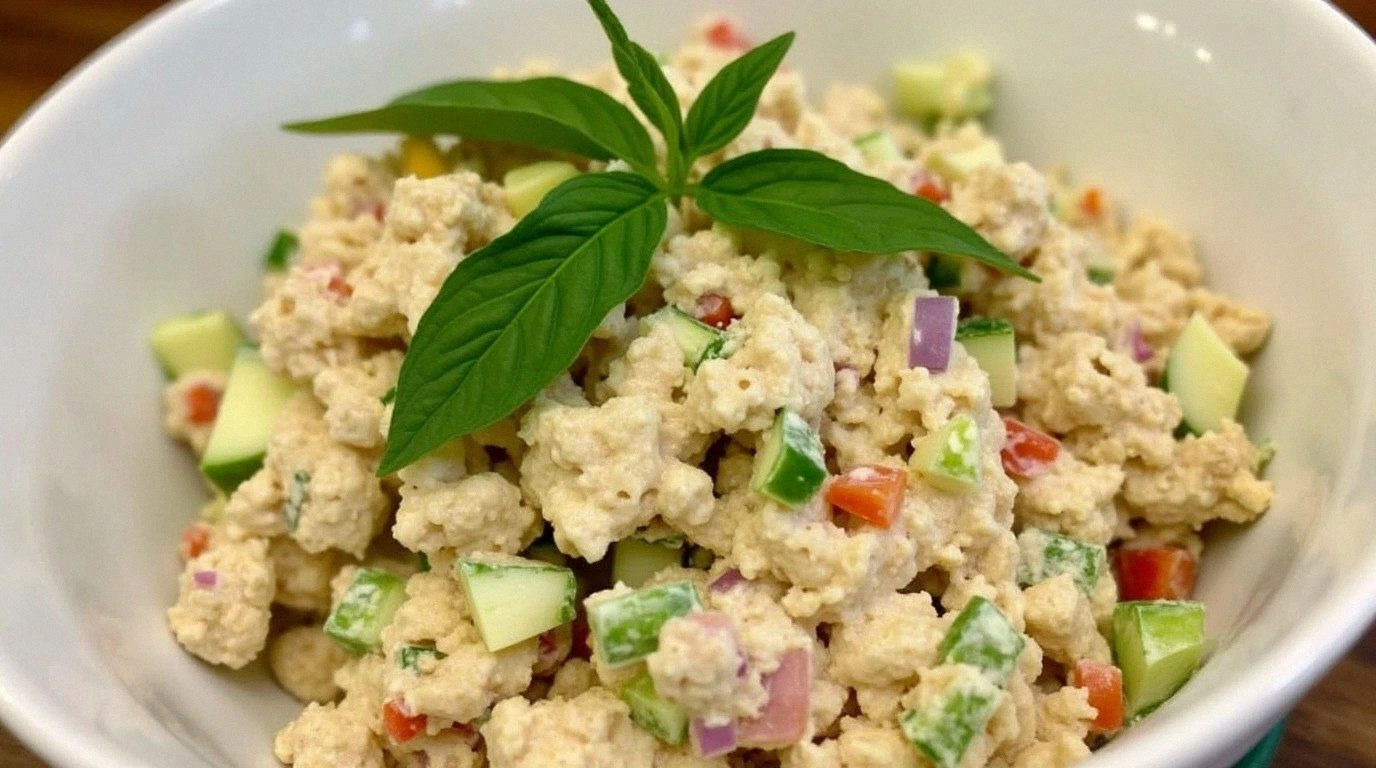
The Method — Step by Step
- Start by draining the tuna thoroughly; use a fine mesh sieve to remove excess liquid. This ensures the salad stays light and prevents it from becoming watery. Once drained, break the tuna into bite‑size flakes using a fork. Set aside while you move to the next step.
- In a dry skillet over medium heat, toast the cashews until they turn golden brown and emit a nutty aroma. Stir constantly to avoid burning. The toasting process enhances the cashews’ flavor profile, giving them a deeper, caramelized sweetness. Once toasted, transfer them to a bowl and let them cool slightly.
- In a large mixing bowl, combine the Greek yogurt, Dijon mustard, lemon juice, and olive oil. Whisk until the mixture is smooth and emulsified. The yogurt’s thickness will hold the dressing together, while the mustard provides a subtle kick. This base will coat every ingredient evenly.
- Add the drained tuna, toasted cashews, diced celery, and finely chopped red onion to the dressing. Gently fold everything together, ensuring each component is coated. The mixture should be moist but not soupy; if it feels too dry, add a splash of water or more lemon juice. This step is the moment of truth where flavors mingle.
- Season the salad with salt and freshly ground black pepper to taste. The seasoning will enhance each component’s flavor profile. Remember, a little goes a long way, especially if you’re watching sodium intake. Taste the mixture and adjust as needed.
- Fold in the chopped fresh dill, giving the salad a bright, herbal finish. Dill’s citrusy note complements the lemon and elevates the overall taste. If you’re not a dill fan, parsley or cilantro can be used as substitutes. This final addition brings the dish together.
- Cover the bowl with plastic wrap and refrigerate for at least 30 minutes to allow the flavors to meld. The refrigeration step is crucial for achieving a cohesive, well‑balanced taste. While the salad chills, the cashews will continue to absorb the dressing, enhancing their crunch.
- Before serving, give the salad a gentle stir to redistribute the dressing. Check the seasoning and add a final pinch of salt if needed. The salad is now ready to be plated and enjoyed. Serve it on a bed of mixed greens or as a filling for lettuce wraps.
That's it — you did it. But hold on, I've got a few more tricks that'll take this to another level…
Insider Tricks for Flawless Results
The Temperature Rule Nobody Follows
Toasting cashews at the right temperature is crucial. If the heat is too high, they’ll burn quickly, losing their natural sweetness. Keep the skillet at medium heat and stir constantly. This ensures even toasting and preserves the nut’s delicate flavor.
Why Your Nose Knows Best
Smell the dressing before adding the tuna. A slightly sour citrus scent indicates the lemon juice is fresh and will brighten the dish. If the lemon smells flat, it might be past its prime, and the salad could taste dull. Fresh aromatics are the cornerstone of a vibrant dish.
The 5‑Minute Rest That Changes Everything
After mixing the salad, let it rest for five minutes before serving. This brief pause allows the yogurt to thicken slightly and the flavors to meld. A salad served immediately after mixing can feel underdeveloped. The rest time is a simple trick that elevates the overall taste.
Don’t Skip the Salt
Seasoning is the backbone of any salad. Skipping salt can make the tuna feel bland and the overall dish flat. Use a light hand, tasting as you go. Salt brings out the natural flavors of each ingredient and ties the whole dish together.
Use a Good Olive Oil
The olive oil’s quality directly impacts the dish’s finish. A robust, fruity oil adds a subtle depth that complements the lemon. Avoid cheap oils that can taste metallic or bland. A high‑quality extra‑virgin olive oil is worth the investment.
Keep the Dressing Cool
If the salad feels warm, refrigerate it for a few minutes. Warm yogurt can separate, ruining the creamy texture. Cooling the salad ensures a consistent, silky mouthfeel. This small step prevents a common mishap and keeps the dish silky.
Creative Twists and Variations
This recipe is a playground. Here are some of my favorite ways to switch things up:
Avocado Power
Dice a ripe avocado and fold it in just before serving. The creamy texture complements the yogurt, while the healthy fats boost satiety. Avocado also adds a subtle buttery flavor that pairs well with the lemon. This variation is perfect for those craving extra creaminess.
Spicy Sriracha Kick
Add a tablespoon of Sriracha to the dressing for a fiery twist. The heat balances the sweetness of the cashews, creating a bold flavor profile. Use sparingly to avoid overpowering the dish. This version is ideal for spice lovers.
Herb‑Infused Variation
Swap dill for fresh basil or mint to change the aromatic note. Basil adds a sweet, peppery flavor, while mint provides a cool, refreshing bite. Both herbs pair well with lemon and yogurt. This variation offers a fresh, summery taste.
Crunchy Crunch
Add toasted almond slivers or sunflower seeds for extra crunch. These nuts provide a different texture and a slightly sweet flavor that complements the tuna. They also add a new layer of healthy fats. This variation is great for those who love a nutty bite.
Low‑Carb Wrap
Serve the salad in a lettuce cup or a low‑carb tortilla for a portable meal. The crunchy lettuce or soft tortilla adds a new dimension to the dish. It’s an excellent option for lunch on the go. This variation is both convenient and delicious.
Greek Twist
Add a tablespoon of chopped Kalamata olives and a sprinkle of feta cheese. The olives bring briny depth, while the feta adds tang and saltiness. These additions give the salad a Mediterranean flair. This variation is perfect for those who love Greek flavors.
Storing and Bringing It Back to Life
Fridge Storage
Store the salad in an airtight container in the refrigerator for up to 24 hours. The yogurt base helps preserve the freshness, while the cashews remain crunchy. Keep the container sealed to prevent moisture from soaking the nuts. This method ensures the salad stays fresh and flavorful.
Freezer Friendly
The salad can be frozen for up to 48 hours, but the texture of the cashews may soften slightly. If you plan to freeze, wrap the salad tightly in plastic wrap before placing it in the freezer. Thaw in the refrigerator overnight before serving. This option is handy for meal prep.
Best Reheating Method
To reheat, add a splash of water or a little extra yogurt to the container, then gently stir. Place the container in a bowl of hot water for a few minutes, or microwave on low power for 30 seconds. The added liquid helps restore the creamy texture. This trick keeps the salad moist and delicious.