Picture this: you’re standing in a cramped kitchen, the clock ticking, and your stomach is screaming louder than a mariachi band. I had just finished a chaotic week of office deadlines and a surprise dinner party, and the only thing I could think of was a steaming bowl of comfort food that would turn the whole house into a fiesta. I grabbed a pot, a handful of pork shoulder, and a bag of hominy, and I was about to create a masterpiece that would make even the most seasoned foodies gasp. That moment was the spark that ignited my obsession with the perfect Mexican pozole, and trust me, this isn’t the recipe you’ll find on a generic cookbook.
From the instant the pork hit the hot oil, a rich, caramelized aroma filled the air, and I knew I was onto something special. The sizzling sound was like a drumroll, announcing the arrival of flavor. I could almost taste the earthy cumin, the bright oregano, and the subtle smokiness that would come from the simmering broth. The sight of the hominy glistening in the pot, the deep red of the tomatoes, and the vibrant green of fresh cilantro was a visual feast that promised more than just a meal—it promised an experience.
What sets this version apart isn’t just the combination of ingredients; it’s the way each element is treated with respect and flair. I’m talking about the perfect balance between savory and bright, the contrast between the soft pork and the crunchy toppings, and the way the broth is coaxed into a silky, hearty consistency that coats the spoon like velvet. The result is a bowl that’s both comforting and exciting, a dish that will make you feel like a culinary magician.
And there’s a twist you won’t see in the usual pozole recipes: a secret infusion of toasted oregano and cumin that elevates the broth’s depth, and a final splash of lime that brightens everything in a way that feels like a sunrise on your tongue. I dare you to taste this and not go back for seconds. If you’ve ever struggled with making pozole that feels both authentic and approachable, you’re not alone—and I’ve got the fix. Let me walk you through every single step — by the end, you'll wonder how you ever made it any other way.
What Makes This Version Stand Out
- Flavor Depth: Toasting the oregano and cumin before adding them to the pot unlocks a nutty, aromatic profile that lingers on the palate.
- Texture Contrast: The tender pork, chewy hominy, crisp cabbage, and creamy avocado create a symphony of textures that dance together.
- Authentic Toppings: Fresh cilantro, sliced radish, lime wedges, and tostada chips are not optional—they’re essential for that true Mexican experience.
- Speed & Simplicity: A 45‑minute total time keeps the process quick without sacrificing depth, making it a perfect weeknight or weekend feast.
- Make‑Ahead Friendly: The broth can be prepared ahead of time and reheated without losing flavor, ideal for busy schedules.
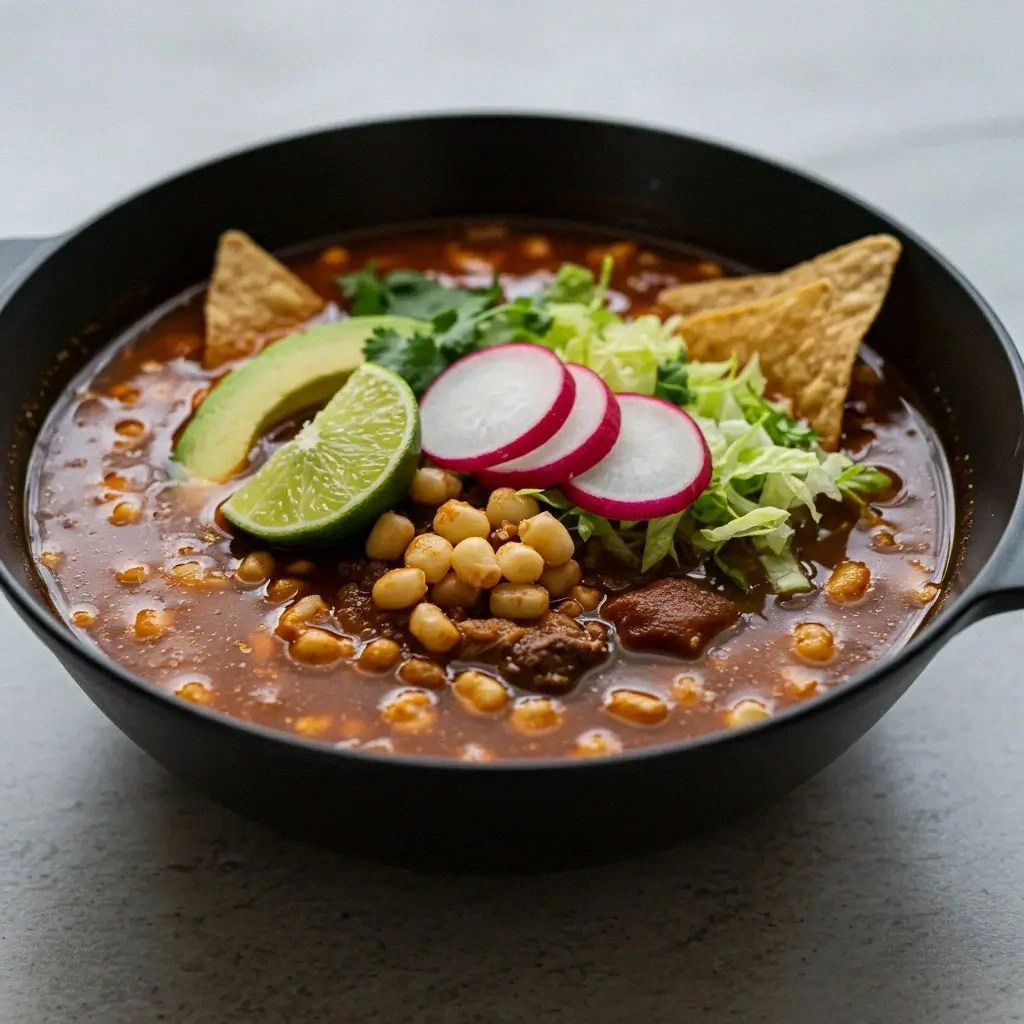
- Visual Appeal: The bright colors of the toppings against the amber broth turn every bowl into a piece of edible art.
Inside the Ingredient List
The Flavor Base
At the heart of this pozole lies a simple yet powerful foundation: pork shoulder, chicken broth, and a splash of tomato. The pork shoulder, with its marbling and connective tissue, breaks down into a melt‑in‑your‑mouth tenderness that gives the broth a silky body. The broth, whether homemade or low‑sodium store‑bought, carries the essence of the meat and the spices, forming a cohesive canvas. The diced tomatoes add a natural sweetness and acidity that balances the richness of the pork and hominy.
The Texture Crew
Hominy is the star that brings chewiness and heartiness to the dish. It’s made from dried corn kernels that have been treated with an alkali solution, giving it a slightly tangy flavor and a firm bite. If you skip the hominy, you’ll miss that satisfying chew that anchors the broth. The shredded cabbage offers a crisp crunch that contrasts beautifully with the soft pork, while the sliced radishes provide a peppery bite that cuts through the richness.
The Unexpected Star
Avocado, diced just before serving, adds a buttery, creamy texture that melts into the broth. It’s not a traditional ingredient in all pozole recipes, but its inclusion elevates the dish from comforting to luxurious. The avocado’s mild flavor balances the spiciness of the broth and the sharpness of the lime, creating a harmonious finish.
The Final Flourish
Fresh cilantro, lime wedges, sliced onion, and tostada chips are the finishing touches that transform the dish from simple to unforgettable. Cilantro injects a bright, herbal note that lifts the entire bowl, while lime wedges provide a citrusy zing that awakens the senses. The onion slices add a sweet crunch, and the tostada chips add a delightful crunch that makes every spoonful a layered experience.
Everything’s prepped? Good. Let’s get into the real action…
The Method — Step by Step
- Heat a large pot over medium‑high heat. Add a tablespoon of vegetable oil and let it shimmer. Drop in the pork shoulder cubes, browning them on all sides for about 5–7 minutes. The pork will develop a caramelized crust that locks in flavor and creates a rich base for the broth.
- Add the chopped onion and minced garlic to the pot. Sauté until fragrant, about 2 minutes, stirring constantly so the garlic doesn’t burn. The aroma will fill the kitchen like a mariachi band, setting the stage for a flavor explosion.
- Stir in the diced tomatoes, dried oregano, ground cumin, bay leaf, a pinch of salt, and pepper. Cook for 3 minutes until the tomatoes soften and release their juices. The spices will toast slightly, releasing their essential oils and adding depth to the broth.
- Pour in the chicken broth, bring the mixture to a gentle simmer. Reduce the heat to low, cover, and let it simmer for 20 minutes. The pork will become tender, and the broth will absorb the flavors of the meat and spices.
- Add the hominy to the pot and simmer for an additional 10 minutes. The hominy will heat through and absorb the broth’s richness, providing that signature chew that defines pozole.
- Taste the broth and adjust seasoning with more salt or pepper if needed. The broth should be savory, slightly tangy, and balanced. If you prefer a slightly thicker consistency, let it simmer uncovered for an extra 5 minutes.
- Ladle the pozole into bowls. Top each bowl with shredded cabbage, radish slices, diced avocado, chopped cilantro, sliced onion, and a generous handful of tostada chips. Squeeze a lime wedge over the top for a bright, citrusy finish. Serve immediately, encouraging guests to spoon the toppings into the broth as they eat.
- Optional: For an extra kick, sprinkle a pinch of chili flakes or a dash of hot sauce on top. This final touch will add a subtle heat that complements the richness of the pork without overpowering it.
That’s it — you did it. But hold on, I've got a few more tricks that'll take this to another level…
Insider Tricks for Flawless Results
The Temperature Rule Nobody Follows
Many cooks think that a hard boil is the key to a flavorful broth, but the truth is that a gentle simmer preserves the delicate aromas of the spices and the tenderness of the pork. Keep the heat low once you’ve added the broth, and let the pot sit undisturbed for 20 minutes. This slow cooking process allows the pork’s collagen to break down into gelatin, giving the broth a silky mouthfeel that’s hard to beat.
Why Your Nose Knows Best
Trust your sense of smell more than the clock. As the broth simmers, you’ll notice a subtle shift in aroma: the initial savory scent of pork will give way to a more complex, earthy profile as the spices meld. When the broth reaches a fragrant, almost sweet aroma, it’s time to add the hominy. This olfactory cue guarantees that your pozole will taste as good as it looks.
The 5‑Minute Rest That Changes Everything
Once the pot is off the heat, let the pozole rest for five minutes before serving. During this brief pause, the flavors continue to marry, and the broth slightly thickens as it cools. This small step transforms a good bowl into a great one, ensuring each spoonful is perfectly balanced.
Use Fresh Herbs, Not Dried
Fresh cilantro and oregano bring a bright, vibrant flavor that dried herbs simply can’t match. If you’re short on time, use dried herbs, but be sure to toast them first to release their oils. Fresh herbs should be added at the very end of cooking to preserve their bright green color and lively taste.
Keep the Toppings Crisp
Serve the cabbage, radish, and tostada chips on the side or add them just before eating. This keeps the crunchy textures from becoming soggy and maintains the contrast that makes each bite exciting.
Creative Twists and Variations
This recipe is a playground. Here are some of my favorite ways to switch things up:
Chicken Pozole
Swap the pork for shredded rotisserie chicken for a lighter version. The chicken’s delicate flavor pairs well with the hominy and the bright lime finish.
Spicy Chipotle Pozole
Add a tablespoon of chipotle in adobo sauce to the broth for a smoky heat. The chipotle’s subtle sweetness balances the pork’s richness.
Vegetarian Pozole
Use vegetable broth, replace the pork with sautéed mushrooms, and add a handful of sliced bell peppers. The mushrooms provide a meaty texture while keeping the dish plant‑based.
Seafood Pozole
Replace the pork with shrimp or scallops. Cook the seafood in the last 5 minutes to keep it tender and prevent overcooking.
Breakfast Pozole
Serve the pozole in a bowl of toasted corn tortillas and top with a fried egg. The runny yolk adds richness and creates a hearty breakfast bowl.
Storing and Bringing It Back to Life
Fridge Storage
Cool the pozole completely before refrigerating. Store it in an airtight container for up to 3 days. The broth will thicken slightly as it cools, so add a splash of water or broth when reheating to restore its silky texture.
Freezer Friendly
Freeze the pozole in freezer‑safe containers for up to 2 months. Thaw overnight in the refrigerator before reheating. The hominy will stay chewy, and the pork will remain tender.
Best Reheating Method
Reheat the pozole on the stovetop over medium heat, adding a small amount of water or broth to loosen the consistency. Bring to a gentle simmer, stirring occasionally, until heated through. Finish with fresh toppings and a squeeze of lime for the best flavor.