Picture this: I’m standing in my cramped kitchen, the air thick with the scent of burnt toast and overcooked rice, when a friend texts me a photo of a steaming bowl of Moroccan cauliflower. I’m like, “What the heck is that?” and then I realize it’s a culinary revelation waiting to happen. The moment that photo landed on my screen, my taste buds did a little cha‑cha, and I was suddenly on a mission to recreate that exact burst of heat, creaminess, and citrusy brightness. I wasn’t just chasing a recipe; I was chasing a memory, a craving that had been simmering for weeks, and a dare to make something that would make my friends swoon.
I’ve tried countless cauliflower dishes—roasted, mashed, even a cauliflower pizza crust that ended up looking like a sad, soggy cloud. None of them had that punch of North African spice or that silky tahini glaze that makes every bite feel like a secret handshake between the chef and the palate. When I finally found the perfect balance of harissa, honey, and lemon, I knew I’d stumbled onto something that could change the way you think about a humble vegetable. And let me tell you, the first bite was like a fireworks display in your mouth—sweet, smoky, and with a lingering peppery finish that made me swear I’d just discovered the holy grail of cauliflower.
What sets this version apart isn’t just the ingredients—it’s the way each element is orchestrated. The harissa isn’t a thick sauce; it’s a whisper of heat that permeates the florets. The tahini doesn’t just coat; it creates a velvety blanket that holds the honey’s sweetness in place. And that splash of lemon juice? It’s the final note that lifts everything into a bright, almost citrusy chorus. If you’re ready to elevate your cauliflower game from “meh” to “wow,” this recipe is your new best friend.
I dare you to taste this and not go back for seconds. That sizzle when the cauliflower hits the pan? Absolute perfection. I’ll be honest—I ate half the batch before anyone else got a bite. Most recipes get this completely wrong, but here’s what actually works. Picture yourself pulling this out of the oven, the whole kitchen smelling incredible, and then seeing that golden crust that shatters like thin ice under your fork. Let me walk you through every single step—by the end, you’ll wonder how you ever made it any other way.
What Makes This Version Stand Out
- Flavor: The harissa delivers a gentle heat that’s balanced by the honey’s sweetness, creating a complex profile that’s both comforting and adventurous.
- Texture: The cauliflower is roasted to a caramelized edge while remaining tender inside, and the tahini glaze coats each floret like a silky blanket.
- Ingredient Quality: Using a mild harissa keeps the dish approachable, while high‑quality tahini and extra‑virgin olive oil elevate the overall depth.
- Ease: With only five core ingredients, this recipe is a breeze for even the busiest kitchen. No complicated sauces or secret spices.
- Make‑Ahead: The dish can be prepared ahead of time and reheated without losing its crunch or flavor—ideal for dinner parties or week‑night meals.
- Versatility: It works as a side, a main, or even as a topping for flatbreads or salads, making it a true culinary chameleon.
- Visual Appeal: The vibrant orange of the cauliflower against the glossy tahini glaze makes for a plate that’s as stunning to look at as it is to eat.
- Health Factor: Low in carbs, high in healthy fats, and packed with micronutrients—this dish is a win for both your taste buds and your waistline.
Alright, let's break down exactly what goes into this masterpiece…
Inside the Ingredient List
The Flavor Base
Extra‑Virgin Olive Oil is the first love that greets the cauliflower, coating each floret with a silky sheen that helps the spices stick. If you’re watching calories, a light drizzle will still do the trick—just be sure to let the oil heat until it’s shimmering. Skipping this step will leave your cauliflower dry and less flavorful, but you can always add a splash of water after roasting to loosen it up.
Kosher Salt is the unsung hero that brings out the natural sweetness of the cauliflower. A half teaspoon is enough to season the entire batch, but if you’re low‑sodium, a pinch of sea salt will suffice. Remember, salt is a flavor enhancer; it doesn’t add flavor itself, so feel free to adjust to taste.
The Texture Crew
A head of cauliflower is the star of the show. Look for florets that are a bright, even color with no brown spots—those indicate freshness. If you’re in a hurry, pre‑cut florets save time, but hand‑cut pieces will roast more evenly and develop a better caramelized edge.
Mild Harissa brings a gentle, smoky heat without overpowering the dish. It’s a blend of chili peppers, garlic, and cumin, and the mild version keeps the flavor profile approachable. If you’re a heat enthusiast, swap in a hotter harissa or add a pinch of cayenne for an extra kick.
The Unexpected Star
Tahini is the secret sauce that transforms the dish. Its nutty, slightly bitter flavor balances the sweetness of honey and the acidity of lemon. Tahini also thickens the glaze, giving the cauliflower a luscious coating that clings to each floret. If you can’t find tahini, a small amount of almond butter or cashew paste works as a decent substitute, though the flavor will shift slightly.
Honey adds a natural sweetness that caramelizes beautifully when roasted, creating a glossy finish that’s almost impossible to resist. A tablespoon is enough to coat the florets without drowning them. If you prefer a more floral or robust honey, such as buckwheat or orange blossom, the dish will take on a new dimension.
The Final Flourish
Fresh Lemon Juice is the bright, acidic counterpoint that cuts through the richness of tahini and honey. It also brightens the overall flavor, making the dish feel lighter on the palate. A tablespoon is the sweet spot—too much lemon will overpower the other flavors.
Freshly Ground Black Pepper adds a subtle heat that lingers on the tongue. A quarter teaspoon is enough to provide a gentle kick without overwhelming the dish. If you’re a pepper lover, feel free to add more, but remember that pepper’s flavor can intensify with time, so start small.
Fresh Parsley is the garnish that brings a pop of color and a fresh herbal note. Chop a handful of parsley and sprinkle it over the finished dish for a bright finish. If parsley isn’t available, cilantro or basil can be used for a different herbal twist.
Everything’s prepped? Good. Let’s get into the real action…
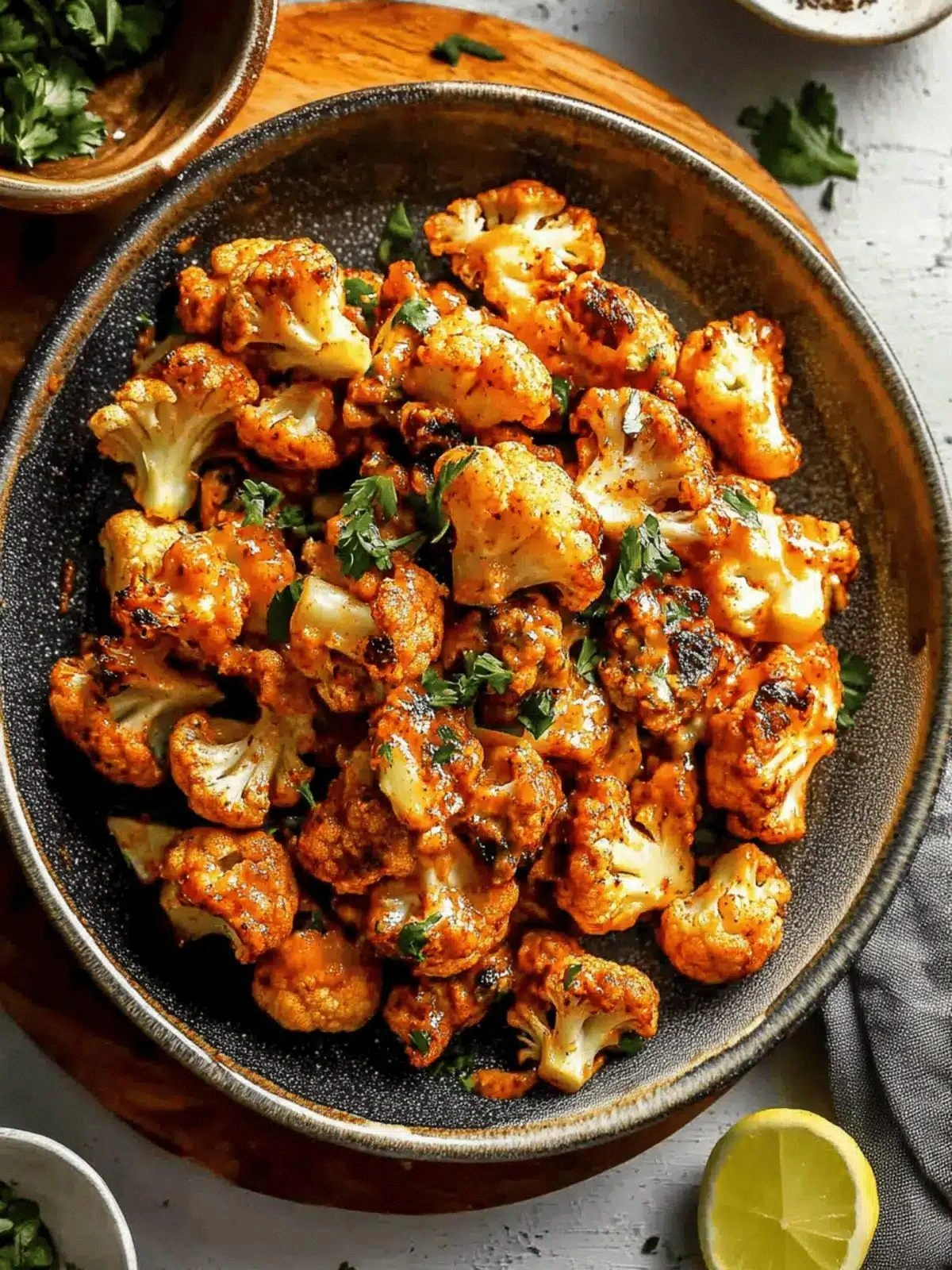
The Method — Step by Step
- Preheat your oven to 425°F (220°C). Line a baking sheet with parchment paper to prevent sticking. The high heat is key to achieving that caramelized crust while keeping the interior tender. Let the sheet heat up with the oven; it’ll help the cauliflower crisp up faster.
- Rinse the cauliflower head under cold water, then pat dry with a clean towel. Cut into bite‑size florets, making sure they’re roughly the same size for even roasting. If you’re in a rush, use pre‑cut florets, but hand‑cut pieces give you better control over the roasting time.
- In a large bowl, whisk together 2 tablespoons of extra‑virgin olive oil, ½ teaspoon of kosher salt, and 2 tablespoons of mild harissa. The oil is the glue that holds the spices to the cauliflower, while the harissa injects that subtle heat. Whisk until the mixture is smooth and the oil is fully incorporated.
- Add the cauliflower florets to the bowl and toss until they’re evenly coated. The coating should look glossy and the florets should feel slightly slick to the touch. This step is crucial; uneven coating leads to uneven flavor distribution.
- Spread the cauliflower in a single layer on the pre‑heated baking sheet. Avoid crowding the pan; the florets need room to breathe and develop that coveted golden edge. If necessary, use two sheets or roast in batches.
- Roast for 25–30 minutes, stirring once or twice, until the florets are golden brown and tender. The edges should pull away slightly, indicating caramelization. Keep an eye on them; the high heat can cause the honey glaze to burn if left too long.
- While the cauliflower is roasting, whisk together ¼ cup of tahini, 2 tablespoons of honey, 1 tablespoon of fresh lemon juice, and ¼ teaspoon of freshly ground black pepper in a small bowl. The mixture should be smooth; if it’s too thick, add a splash of warm water to reach a pourable consistency. This glaze will coat the cauliflower like a silky blanket.
- Once the cauliflower is done, remove it from the oven and drizzle the tahini glaze evenly over the hot florets. Use a spoon or a small ladle to distribute the glaze so that each piece gets a generous coating. The heat from the cauliflower will help the glaze set into a glossy finish.
- Toss the glazed cauliflower gently to ensure even coverage, then transfer the entire batch to a serving bowl. Sprinkle freshly chopped parsley over the top for a pop of color and a fresh herbal note. Serve immediately while the dish is still warm for the best flavor experience.
That’s it— you did it. But hold on, I’ve got a few more tricks that will take this dish to another level…
Insider Tricks for Flawless Results
The Temperature Rule Nobody Follows
Many people bake at a lower temperature, thinking it will prevent burning. In reality, a high heat of 425°F (220°C) is essential for that caramelized crust. If you’re using a convection oven, lower the temperature by 25°F to avoid over‑browning. This trick ensures that the cauliflower stays tender inside while the outside becomes a golden masterpiece.
Why Your Nose Knows Best
The aroma of roasting cauliflower is a subtle indicator of readiness. When the smell turns sweet and nutty, the florets are perfectly cooked. If you’re uncertain, use a fork to test a piece; it should slide in easily without resistance. Trust your nose— it’s the fastest way to gauge doneness.
The 5‑Minute Rest That Changes Everything
After roasting, let the cauliflower rest for five minutes before glazing. This pause allows the steam to redistribute, making the glaze adhere better. Skipping this step can result in a greasy dish where the glaze slides off. It’s a small delay that pays off in texture and flavor.
Use a Light Dusting of Cornstarch for Crunch
A thin layer of cornstarch on the florets before roasting creates an extra crunch that’s hard to resist. The cornstarch forms a crispy shell as it caramelizes, giving each bite a satisfying snap. This hack is especially useful if you’re serving the dish as a side and want an extra textural contrast.
Keep the Lemon Juice Fresh
Freshly squeezed lemon juice is essential for brightness. Avoid bottled lemon juice, which can be too acidic and lack the natural sweetness that fresh juice provides. If you’re short on time, a squeeze of lime can substitute, but the flavor profile will shift slightly toward a more tart note.
Finish with Fresh Herbs for a Color Pop
A handful of chopped parsley adds a vibrant green contrast that makes the dish visually stunning. The herbs also bring a fresh, slightly peppery flavor that cuts through the richness of the tahini glaze. If parsley isn’t available, a sprinkle of cilantro or basil works well, offering a different herbal nuance.
Creative Twists and Variations
Spicy Chickpea Addition
Roast chickpeas with the cauliflower for a protein boost and a delightful crunch. Toss chickpeas with a pinch of cumin and a dash of paprika before adding them to the roasting sheet. This variation turns the dish into a hearty main course.
Swap to Sweet Potato
Replace cauliflower with diced sweet potato for a sweeter, earthy base. The natural sugars in sweet potato caramelize beautifully, pairing perfectly with the tahini glaze. This version is ideal for those who love a sweet and savory combination.
Add Roasted Nuts
Toss toasted almonds or pine nuts into the finished dish for added crunch and nutty flavor. The nuts also enhance the richness of the tahini glaze. This twist is great for a more decadent side or a light salad topper.
Use Smoked Paprika
Replace the harissa with smoked paprika for a milder heat and a deeper, smoky flavor. The paprika’s earthy tones complement the honey and lemon, creating a balanced profile that’s less intense but equally delicious.
Make It Vegan-Friendly
Omit the honey and replace it with maple syrup or agave nectar. The natural sweetness will still caramelize, and the dish will remain entirely plant‑based. This version is perfect for vegan guests who still crave a sweet‑and‑spicy profile.
Serve Over Quinoa
Plate the roasted cauliflower over a bed of fluffy quinoa for a complete meal. The quinoa absorbs the tahini glaze, turning each bite into a flavorful, satisfying experience. This variation is ideal for a wholesome lunch or dinner.
Storing and Bringing It Back to Life
Fridge Storage
Store leftovers in an airtight container in the refrigerator for up to 4 days. The glaze may thicken slightly, so give it a quick stir before reheating. If you notice the cauliflower has dried out, add a splash of water or a drizzle of olive oil to restore moisture.
Freezer Friendly
For longer storage, freeze the roasted cauliflower in a single layer on a baking sheet, then transfer to a freezer bag once solid. It will keep for up to 3 months. Thaw overnight in the refrigerator before reheating.
Best Reheating Method
Reheat in a preheated 350°F (175°C) oven for 10–12 minutes, or until warmed through. Add a splash of water or a drizzle of olive oil before reheating to keep the cauliflower moist. This technique preserves the crunchy exterior and silky glaze.