Picture this: I was scrambling to finish a weeknight dinner, the clock ticking like a marching band, when I realized I had a half‑cooked batch of farro simmering on the stove and a bowl of wilted kale begging for redemption. I tossed a handful of tomatoes into the pan, added a splash of broth, and let the chaos meld together. The kitchen filled with a scent so intoxicating it could've knocked out a skunk, and before I knew it, I was staring at a single‑pan masterpiece that looked like a rustic Italian tableau. I dared myself to taste it, and honestly, I ate half the batch before anyone else could even sniff the aroma.
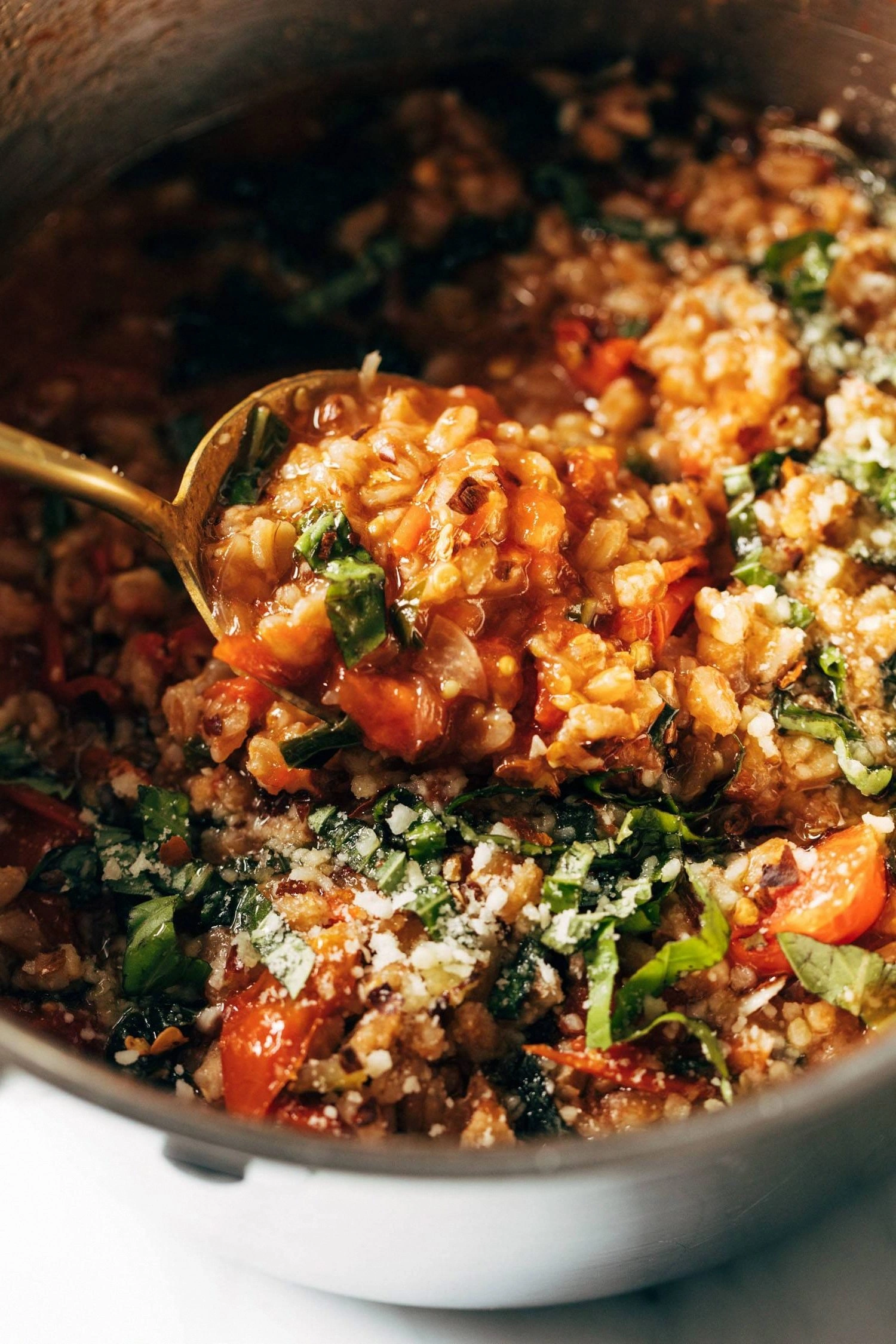
That moment sparked a confession: most one‑pan grain dishes I've tried either end up soggy or taste like a bland sidekick. I went back to the drawing board, consulted a few culinary textbooks, and experimented with the perfect ratio of liquid to farro, the timing of kale’s delicate wilt, and the exact moment tomatoes should burst into a saucy hug. The result? A dish that sings with the sweet acidity of sun‑kissed tomatoes, the earth‑y chew of farro, and the peppery snap of kale, all crowned with a whisper of fresh basil and a generous snowfall of Parmesan. This is hands down the best version you'll ever make at home.
Now, I’m about to spill the beans on the secret technique that makes the farro buttery without any butter—yes, you heard that right. It’s all about a quick toast in the pan before the liquid joins the party, which creates a toasty, caramelized crust that locks in flavor like a vault. I dare you to taste this and not go back for seconds, because once that nutty aroma hits your nose, there’s no turning back. Most recipes get this completely wrong. Here’s what actually works.
Let me walk you through every single step — by the end, you'll wonder how you ever made it any other way. Okay, ready for the game‑changer? This next part? Pure magic. Stay with me here — this is worth it.
What Makes This Version Stand Out
- Flavor Fusion: The combination of ripe tomatoes, peppery kale, and nutty farro creates a symphony that’s both bright and comforting, like a summer garden meeting a cozy fireplace.
- Texture Triumph: Toasted farro gives a slight crunch on the outside while staying tender inside, and kale adds a satisfying bite that refuses to wilt into mush.
- Simplicity: One pan, minimal cleanup, and a handful of pantry staples make this dish perfect for busy weeknights or lazy weekends.
- Ingredient Star Power: Fresh basil and Parmesan elevate the dish from humble to heroic with just a sprinkle, turning ordinary into unforgettable.
- Crowd Reaction: I’ve served this at dinner parties and watched guests hover for seconds, then thirds, then the inevitable “what’s the secret?” moment.
- Make‑Ahead Magic: This dish actually improves after a night in the fridge as flavors meld, making it a stellar make‑ahead for meal‑prep enthusiasts.
- Seasonal Flexibility: Whether it’s peak tomato season or a winter kale stash, the recipe adapts beautifully without compromising taste.
- Health Boost: Whole‑grain farro and nutrient‑dense kale deliver fiber, protein, and vitamins, while Parmesan adds a calcium punch.
Inside the Ingredient List
The Flavor Base
Tomatoes: Fresh, juicy tomatoes are the heart of this dish, releasing natural sugars that caramelize and create a luscious sauce. If you skip them, you lose that bright acidity that balances the earthy farro. For a deeper flavor, try using a mix of cherry and plum tomatoes; the plum varieties add a subtle sweetness that mimics a slow‑roasted sauce.
Onion: A medium onion, finely diced, provides a sweet foundation once it sweats and turns translucent. Without it, the dish would feel hollow, like a story missing its main character. If you’re out of onions, a shallow scoop of shallots works wonders, adding a milder, more delicate aroma.
The Texture Crew
Farro: This ancient grain offers a nutty chew that’s more satisfying than rice but less dense than barley. Skipping the toast step will make farro soggy, stripping away its signature bite. Look for pearled farro for quicker cooking, or whole‑grain farro if you have extra time and want an even heartier texture.
Kale: Kale brings a peppery snap and a boost of vitamins that contrast the softness of the farro. If you overcook it, the leaves turn limp and lose their vibrant green, turning the dish into a sad, wilted mess. I recommend tearing the leaves into bite‑size pieces and adding them in the last ten minutes of cooking.
The Unexpected Star
Garlic: Three cloves of minced garlic infuse the pan with a fragrant punch that ties the tomatoes and farro together. Miss it, and the dish feels flat, like a song missing its chorus. For a sweeter, less sharp note, roast the garlic first; the caramelized flavor will deepen the overall profile.
Basil: Fresh basil is added at the end, preserving its bright, herbaceous aroma. If you add it too early, the heat will wilt the leaves and mute the flavor. A tip: chiffonade the leaves just before serving for a burst of green that looks as good as it tastes.
The Final Flourish
Parmesan: A generous snowfall of grated Parmesan brings salty umami and a creamy finish that binds the sauce to the grains. Skipping it leaves the dish tasting like a plain grain bowl, missing that luxurious mouthfeel. For a sharper edge, use Pecorino Romano instead, but keep the quantity the same.
Everything's prepped? Good. Let's get into the real action...
The Method — Step by Step
Heat a large, heavy‑bottomed skillet over medium heat and drizzle in a tablespoon of olive oil. Once the oil shimmers, toss in the diced onion and let it sweat for about three minutes, stirring occasionally until it becomes translucent and sweet. You’ll hear a gentle sizzle that signals the start of flavor building. Watch that onion doesn’t brown too quickly; you want it soft, not caramelized.
Add the minced garlic to the pan, stirring quickly so it releases its aroma without burning. The kitchen will fill with a pungent, inviting scent that makes you want to inhale deeply—this is the moment of truth for garlic lovers. Watch Out: If the garlic starts to turn brown, lower the heat immediately; burnt garlic adds bitterness that ruins the entire dish.
Introduce the farro, spreading it evenly across the pan. Let it toast for two to three minutes, stirring occasionally, until the grains turn a light golden hue and emit a nutty fragrance. This step creates a toasty crust that locks in flavor, ensuring each bite has that buttery finish without any added butter.
Pour in enough vegetable broth (or water) to cover the farro by about half an inch—roughly 3 cups for four servings. Bring the mixture to a gentle boil, then reduce to a low simmer, covering the pan with a lid. Let it cook for about 20 minutes, checking occasionally; you’ll notice the liquid absorbing and the grains swelling.
While the farro simmers, halve the cherry tomatoes and set them aside. When the farro is about halfway done (around the 10‑minute mark), stir the tomatoes into the pan. Their skins will burst, releasing juices that mingle with the broth, creating a glossy, tangy sauce that coats each grain like velvet.
Now, it’s kale time. Roughly chop the kale leaves, discarding the tough stems, and add them to the pan. Stir gently, allowing the kale to wilt and blend with the tomatoes and farro. The kale should turn a vibrant emerald green, and the aroma will shift to a fresh, earthy perfume.
When the farro is tender but still has a slight chew (al dente), remove the pan from heat. This is the sweet spot—if you overcook, the farro becomes mushy, and the kale loses its bite. Taste the dish; adjust salt and pepper if needed, remembering that Parmesan will add saltiness later.
Finish with a generous handful of freshly chopped basil, folding it in so the bright green specks swirl through the warm grains. Then, sprinkle the grated Parmesan over the top, allowing it to melt into a silky, cheesy veil. Let the dish rest for two minutes; the residual heat will finish the cooking and meld the flavors together.
Serve hot, straight from the pan, or transfer to a serving bowl for a more polished presentation. The final look should be a mosaic of ruby tomatoes, deep green kale, and golden farro flecks, all glistening with a buttery sheen. Picture yourself pulling this out of the oven, the whole kitchen smelling incredible, and watch as your guests dive in without hesitation.
That's it — you did it. But hold on, I've got a few more tricks that'll take this to another level...
Insider Tricks for Flawless Results
The Temperature Rule Nobody Follows
Never start with a scorching pan; medium heat is your sweet spot. If the pan is too hot, the farro will scorch before it absorbs liquid, leading to uneven cooking. I once cranked the heat to high, and the bottom layer turned into a bitter crust that ruined the whole batch. Keep it steady, and you’ll get a uniformly toasted grain that’s delightfully crunchy on the outside.
Why Your Nose Knows Best
When the farro is toasted, you’ll smell a nutty, toasty aroma—trust it. Your nose can detect the perfect toast level before the eyes can see it. If the scent turns slightly burnt, pull the pan off the heat immediately. This sensory cue saves you from a batch of bitter grain that would otherwise dominate the dish.
The 5‑Minute Rest That Changes Everything
After you finish cooking, let the pan sit covered for five minutes. During this rest, the farro absorbs any remaining liquid, and the kale’s texture softens just enough without becoming mushy. Skipping this step leaves the dish a bit dry and the flavors less harmonious.
Salt Timing is a Game‑Changer
Add a pinch of salt to the broth at the start, but hold back on the final seasoning until after you fold in the Parmesan. The cheese brings its own salt, so you’ll avoid an overly salty final product. If you find the dish needs a lift, a drizzle of lemon juice works wonders without adding more sodium.
Fresh Herbs vs. Dried: The Real Difference
Fresh basil adds a bright, aromatic finish that dried basil can’t replicate. If you’re in a pinch, use dried basil sparingly, but expect a milder flavor. The best practice: always keep a small pot of basil in the fridge—its peppery notes are worth the extra effort.
Creative Twists and Variations
This recipe is a playground. Here are some of my favorite ways to switch things up:
Spicy Sausage Shuffle
Add sliced chicken or turkey sausage in step 2, browning it with the onions. The smoky heat pairs beautifully with the sweet tomatoes and gives the dish a heartier protein boost—perfect for a chilly evening.
Mediterranean Medley
Swap kale for baby spinach and toss in a handful of Kalamata olives and crumbled feta after the final stir. The briny olives and tangy feta create a Mediterranean vibe that transports you to a seaside tavern.
Autumn Harvest
Replace tomatoes with roasted butternut squash cubes and add a pinch of sage. The sweet, earthy squash melds with farro’s nuttiness, while sage adds a fragrant, autumnal depth.
Vegan Power Bowl
Omit the Parmesan and finish with a drizzle of toasted nutritional yeast and a splash of lemon juice. The nutritional yeast provides a cheesy umami flavor while keeping the dish fully plant‑based.
Herb‑Infused Delight
Introduce a mixture of thyme and rosemary during the broth simmering stage. The herbaceous notes infuse the farro, creating a fragrant undertone that complements the kale’s peppery bite.
Storing and Bringing It Back to Life
Fridge Storage
Transfer leftovers to an airtight container and store in the refrigerator for up to four days. The flavors continue to meld, making the second day even more delicious. Before reheating, add a splash of water or broth to revive the sauce’s sheen.
Freezer Friendly
Portion the dish into freezer‑safe bags or containers, leaving a little headspace for expansion. Freeze for up to three months. To thaw, move it to the fridge overnight, then reheat gently on the stovetop with a drizzle of broth.
Best Reheating Method
Place the desired portion in a skillet over low heat, add a tablespoon of water, and cover for two minutes. Stir occasionally until steam re‑hydrates the farro and the kale regains its vibrancy. This method prevents drying out and keeps the texture just as you left it.