I still remember the night I tried to rescue a burnt casserole and ended up with a soggy, flavorless mess that looked like it had been left in a sink for weeks. The kitchen smelled like disappointment, and my taste buds felt betrayed by a dish that should have been comforting. That disaster became the catalyst for a midnight quest to find a better, healthier, and downright delicious mac‑and‑cheese that actually delivers. I was determined to rewrite the recipe, and what I discovered is a one‑pot wonder that turns broccoli, cheese, and elbow macaroni into a velvety, crowd‑pleasing masterpiece.
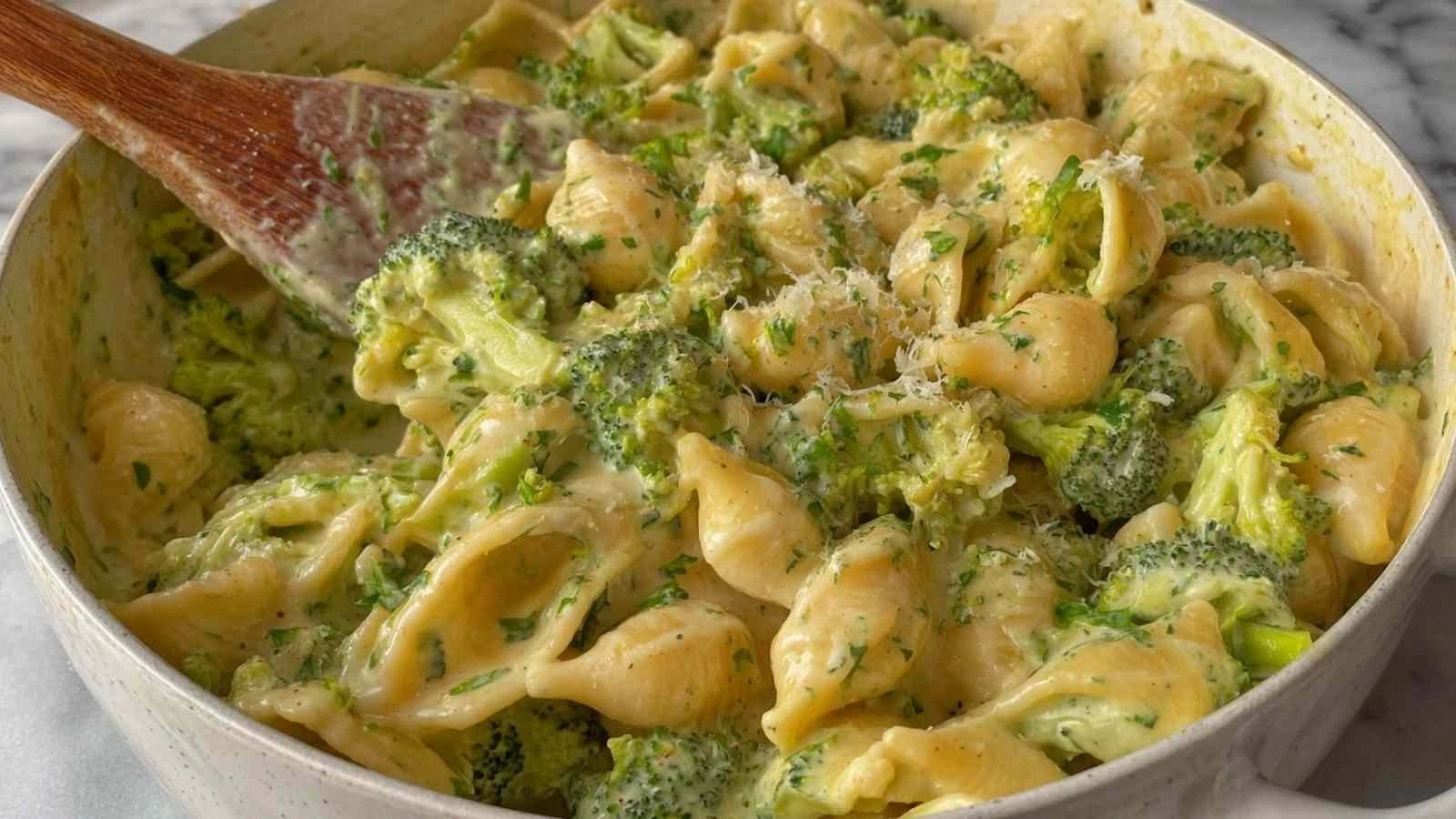
Picture this: a golden‑brown sauce that coats every strand of pasta like silk, the steam curling up to mingle with the scent of roasted garlic and sharp cheddar. The broccoli florets pop with a satisfying snap, their bright green hue contrasting against the creamy backdrop. The sound of the pot bubbling is like a low‑key jazz riff—smooth, steady, and impossible to ignore. The first bite is a harmony of textures: a silky sauce, tender pasta, and crisp florets that break like thin ice, all balanced by a subtle smoky paprika kick. The finish lingers with a faint tang of Dijon, leaving you craving that next spoonful.
What makes this version a game‑changer is that it’s not just a healthier take; it’s a complete sensory upgrade. The sauce is thickened with a simple roux that gives it body without the heaviness of butter, while the almond milk keeps it light and dairy‑friendly. The combination of sharp cheddar and parmesan creates a layered flavor profile that feels indulgent yet balanced. And the broccoli isn’t just a garnish— it’s an active ingredient that adds crunch, nutrition, and a pop of color that turns the dish into a work of edible art.
I dare you to taste this and not go back for seconds. That’s the promise I’m making: this is hands down the best version you’ll ever make at home. The secret? A quick, bold technique that unlocks the full potential of the broccoli and cheese, turning a humble pot into a showstopper. Stay with me, and by the end of this post, you’ll wonder how you ever cooked it any other way.
What Makes This Version Stand Out
- Flavor Depth: The combination of Dijon mustard, smoked paprika, and a double layer of cheese creates a complex profile that feels both comforting and adventurous.
- Texture Play: The broccoli retains a satisfying crunch, while the pasta is al dente, and the sauce glides like velvet over every bite.
- One‑Pot Simplicity: All ingredients cook together, eliminating the need for multiple pans and reducing cleanup to a single pot.
- Health‑Friendly: Swapping cream for almond milk keeps calories down while still delivering a creamy mouthfeel.
- Make‑Ahead Friendly: The dish can be prepared ahead of time and reheated without losing its lusciousness.
- Crowd‑Pleaser: Even the most skeptical cheese lovers will be won over by the rich, savory sauce and vibrant veggies.
Alright, let’s break down exactly what goes into this masterpiece…
Inside the Ingredient List
The Flavor Base
Olive oil and garlic are the first actors on this culinary stage. The olive oil melts the garlic, releasing its aromatic oils that infuse the pot with a subtle, peppery undertone. Skipping the oil will leave the garlic burning quickly, while too much can make the sauce greasy. A good rule of thumb is to use just enough to coat the bottom of the pot—about a tablespoon. This small amount is enough to lift the flavors without overpowering the delicate almond milk.
The Texture Crew
Elbow macaroni and broccoli florets bring body and bite. The macaroni is chosen for its sturdy shape that holds sauce without becoming mushy. Broccoli, when added at the right time, keeps its bright green color and a pleasant crunch. If you prefer a softer broccoli, cut the florets smaller and add them earlier in the cooking process. The key is to keep them al dente so they don’t turn into a mushy side.
The Unexpected Star
Almond milk is the unexpected hero that gives this dish its creamy texture without the heaviness of dairy cream. Unsweetened almond milk keeps the dish savory and allows the cheese to shine. If you’re not a fan of almond, oat milk is a great alternative, but it will add a slight sweetness that may alter the balance. Remember to use the unsweetened variety to keep the flavor profile on point.
The Final Flourish
The cheeses—sharp cheddar and parmesan—provide a robust, melty backbone. Cheddar offers a sharp bite, while parmesan adds nutty depth. The Dijon mustard and smoked paprika introduce subtle tang and smokiness that elevate the sauce. Salt and pepper finish the flavor, but be careful not to over‑season; the cheeses already bring a lot of saltiness.
Everything’s prepped? Good. Let’s get into the real action…
The Method — Step by Step
- Heat a large, heavy‑bottom pot over medium heat. Add the tablespoon of olive oil, letting it swirl until shimmering but not smoking. This creates a slick base that prevents the garlic from sticking and burning.
- Dice the half onion finely and add it to the pot. Cook until translucent, about 3–4 minutes, stirring often. The onion should soften into a sweet, fragrant foundation.
- Add the minced garlic and sauté for 30 seconds, just until fragrant. Be careful— garlic burns quickly and turns bitter. If you’re nervous, give it a quick stir to keep it moving.
- Stir in the ¼ cup flour, whisking constantly. This roux thickens the sauce and neutralizes the raw flour taste. Cook for another minute, letting the mixture develop a light golden hue.
- Pour in the almond milk slowly, whisking vigorously to prevent lumps. The mixture should be smooth and slightly thickened. This is the moment of truth—if the sauce is too thin, add a splash more flour; if too thick, add a splash more milk.
- Season the sauce with Dijon mustard, smoked paprika, salt, and pepper. Stir until the spices are fully integrated. The mustard adds a bright, tangy kick, while the paprika brings a subtle smokiness that complements the cheese.
- Add the elbow macaroni to the pot, stirring to coat each noodle with the sauce. Bring the mixture to a gentle simmer and cover. Let it cook for 9–10 minutes, stirring occasionally, until the pasta is al dente.
- During the last 4 minutes of cooking, stir in the broccoli florets. They’ll steam in the sauce, keeping their crunch and bright color. Keep the pot covered to trap steam.
- Once the pasta is cooked and the broccoli is tender yet crisp, remove the pot from heat. Let it rest for 2–3 minutes—this allows the flavors to meld and the sauce to thicken slightly.
- Serve immediately, garnishing with a sprinkle of extra parmesan if desired. The dish should be creamy, with a glossy sheen and a hint of smoky spice. If you like a crisp finish, broil for 1–2 minutes until the top is golden brown.
That’s it—you did it. But hold on, I’ve got a few more tricks that will elevate this dish to another level…
Insider Tricks for Flawless Results
The Temperature Rule Nobody Follows
Cooking the pasta on a medium‑high heat rather than medium keeps the sauce from thickening too quickly. This allows the noodles to release starch gradually, creating a silkier sauce. I’ve seen people lower the heat too early, which results in a gummy texture. Keep the heat steady, and you’ll get that perfect balance of creamy sauce and al dente pasta.
Why Your Nose Knows Best
Before you taste the finished dish, give it a sniff. A slightly nutty aroma indicates the cheese has melted properly, while a faint, sweet scent from the almond milk suggests the sauce isn’t too heavy. If it smells too sharp or too bland, adjust the seasoning accordingly. Your nose is a reliable quality control tool—trust it.
The 5‑Minute Rest That Changes Everything
Letting the pot sit off the heat for a few minutes after cooking allows the sauce to thicken and the flavors to marry. It also gives the broccoli time to finish steaming without becoming mushy. A quick rest also prevents the cheese from pulling apart when you stir again. This small pause can make a big difference in the final texture.
Avoiding the Cheesy Clump
If the cheese starts to clump, remove the pot from heat and whisk vigorously. Adding a splash of almond milk can help dissolve the clumps. Another trick is to shred the cheese finely before adding it to the sauce. The smaller the pieces, the easier they’ll melt evenly.
The “Cheese‑First” Approach
Some chefs swear by adding the cheese before the pasta to create a richer base. While it works, it can also lead to uneven melting. My method—adding cheese after the pasta is cooked—ensures every noodle is coated. If you prefer the cheese‑first method, use a lower heat and stir constantly.
The Final Touch of Freshness
A squeeze of fresh lemon juice or a handful of chopped parsley right before serving brightens the dish. The acidity cuts through the richness, while the herb adds a burst of color. I love a subtle citrus note, especially when serving a hearty dish like this to a crowd. It turns a simple meal into a memorable experience.
Creative Twists and Variations
This recipe is a playground. Here are some of my favorite ways to switch things up:
Spicy Sriracha Kick
Swap the smoked paprika for a tablespoon of sriracha to give the dish a fiery edge. The heat will pair wonderfully with the sharp cheddar, creating a bold, comforting flavor that’s perfect for cooler evenings. Add a pinch of sugar to balance the heat if needed.
Mushroom Medley
Replace half the broccoli with sautéed mushrooms for an earthy depth. The mushrooms absorb the sauce and add a meaty texture that complements the cheese. Toss them in with the garlic for a quick, savory base.
Pesto Power
Stir in a couple of tablespoons of basil pesto after the pasta is cooked. The herbal note brightens the dish, while the pesto’s olive oil helps keep the sauce silky. This variation is ideal for those who love a green, aromatic twist.
Vegan Version
Use vegan cheddar and parmesan alternatives, and replace the almond milk with coconut milk for extra creaminess. The coconut adds a subtle tropical flavor that pairs well with the broccoli. This version is perfect for plant‑based diners without sacrificing taste.
Breakfast Bounty
Add a handful of sautéed spinach and a splash of maple syrup to create a sweet‑savory breakfast version. The spinach adds iron and color, while the maple syrup gives a gentle sweetness that pairs nicely with the cheese. Serve with a side of toasted English muffin for a complete breakfast.
Storing and Bringing It Back to Life
Fridge Storage
Cool the dish to room temperature before transferring it to an airtight container. Store in the refrigerator for up to 3 days. When reheating, add a splash of almond milk to restore moisture and prevent the sauce from drying out. Stir gently until the mixture is heated through.
Freezer Friendly
For longer storage, portion the dish into freezer‑safe containers and freeze for up to 2 months. Thaw overnight in the refrigerator before reheating. Use the same almond milk splash technique to revive the sauce’s silky texture.
Best Reheating Method
Reheat on the stovetop over low heat, stirring constantly. If the sauce is too thick, add a tablespoon of almond milk at a time until the desired consistency is achieved. Avoid microwaving, as it can cause the cheese to separate.