I was in the middle of a late‑night binge watching a cooking show when my kitchen turned into a chocolate‑cookie disaster zone. The host had just poured a mountain of melted butter over a heap of Oreos, then dumped in chocolate chips and cream. My eyes widened, the smell of baking chocolate hit me like a wave, and I knew I had stumbled upon something extraordinary. The moment my fingers brushed the sticky crumbs, I was already planning a recipe that would become the highlight of my dessert menu.
Picture this: a bowl of warm, buttery chocolate, the crunch of crushed Oreos, and a swirl of silky cream that melts into a glossy, decadent glaze. The sound of the butter sizzling as it meets the cookies is like a tiny orchestra of temptation. The air fills with a rich, chocolatey aroma that makes you forget the last time you had a simple dessert. I could almost taste the first bite—sweet, salty, and utterly indulgent—right there in the kitchen, waiting to be devoured.
What sets this version apart is that it’s not just a recipe; it’s a revelation. We’re talking about a cake that requires no baking, no whisking, just a handful of ingredients and a single pot. The result is a glossy, fudgy masterpiece that looks like it came straight from a high‑end bakery. And because it’s a dump cake, you can whip it up in minutes, even after a long day. This is hands down the best version you’ll ever make at home.
I’m about to share a secret that most people overlook: the exact ratio of butter to chocolate, and the subtle addition of vanilla that lifts the flavor to new heights. You’ll see how each ingredient plays a role in creating that perfect balance of gooeyness and crunch. I dare you to taste this and not go back for seconds. Trust me, the first bite will leave you craving more, and the second bite will make you wonder why you ever settled for a plain chocolate cake.
If you’ve ever struggled with making a dessert that looks impressive but tastes bland, you’re not alone. I’ve tried countless recipes that promised a decadent outcome but ended up with a flat, soggy mess. That’s why I’m excited to walk you through every single step. By the end, you’ll wonder how you ever made it any other way.
Now, let’s dive into the details. I’ll break down the ingredients, the method, and the tricks that make this Oreo Dump Cake not just delicious but practically effortless. So grab your favorite mug, put on your apron, and let’s get cooking.
What Makes This Version Stand Out
- Flavor: The combination of chocolate and Oreo cookie creates a flavor profile that’s both rich and familiar. The chocolate’s bitterness balances the sweet, salty crunch of the cookies, delivering a complex taste that’s hard to replicate.
- Texture: The cake’s surface is glossy and slightly firm, while the interior remains molten and silky. The crushed cookies add a satisfying crunch that contrasts with the smooth chocolate base.
- Simplicity: No baking, no whisking, just a few ingredients and a single pot. It’s the ultimate “set it and forget it” dessert that even novice cooks can master.
- Uniqueness: The “dump” method ensures that the cookies sink into the chocolate, creating an even distribution of flavor. It’s a twist that most recipes miss, giving this version a distinctive edge.
- Crowd Reaction: Friends who try it swear it’s the best dessert they’ve ever tasted. The instant appeal makes it a perfect choice for gatherings, parties, or a spontaneous dessert craving.
- Ingredient Quality: Using high‑quality Oreos, dark chocolate chips, and real butter elevates the taste. The difference between store‑brand and premium ingredients is noticeable and worth the extra cost.
- Cooking Method: The single‑pot approach eliminates cleanup, making it ideal for busy evenings. The method also allows for precise control over the final texture.
- Make‑Ahead Potential: While it’s best served fresh, the cake can be refrigerated for a few hours or frozen for later enjoyment without compromising flavor.
Inside the Ingredient List
The Flavor Base
At the heart of this cake lies a trio of chocolate, butter, and vanilla. The chocolate chips melt into a luscious sauce that coats every cookie crumb. Butter not only adds richness but also helps the chocolate flow smoothly. Vanilla extract lifts the entire flavor profile, adding depth that balances the sweetness of the Oreos.
If you’re a dark chocolate lover, use 70% cocoa chips for a deeper, bittersweet finish. The higher cocoa content will cut through the sweetness of the cookies, giving you a more sophisticated taste. Conversely, if you prefer a sweeter cake, switch to milk chocolate chips; the result will be softer and less intense.
The ratio of chocolate to butter is crucial. A 1:1 ratio ensures a glossy glaze that doesn’t separate. Too much butter can make the mixture runny, while too little will result in a dry, crumbly texture. The vanilla adds a subtle floral note that rounds out the flavor, preventing the chocolate from feeling too heavy.
The Texture Crew
Crushed Oreos are the star of the show. They provide crunch, flavor, and structure. The size of the crush matters: finely crushed cookies blend more evenly, while larger chunks create pockets of chocolatey delight. I prefer a medium crush, where you can still feel the cookie texture in each bite.
Powdered sugar adds a touch of sweetness that balances the bitterness of the chocolate. It also helps the mixture thicken slightly, giving the cake a firmer bite. A pinch of salt is essential—it enhances the chocolate’s flavor and balances the overall sweetness.
If you’re feeling adventurous, sprinkle a handful of chocolate chips on top before serving. They’ll melt into the glaze, creating a glossy finish that’s impossible to resist. Another option is to add a handful of chopped nuts for an extra crunch and a hint of nutty flavor.
The Unexpected Star
Heavy cream is the secret that gives the cake its silky mouthfeel. It’s what turns the melted chocolate into a velvety sauce that coats the cookies. If you’re dairy‑free, a splash of coconut milk or almond milk works surprisingly well, though the texture will be slightly different.
The cream’s fat content helps keep the chocolate from separating, maintaining a smooth consistency throughout. Adding a splash of espresso or coffee enhances the chocolate’s depth, making the cake feel more complex. A pinch of cayenne pepper can also be added for a subtle heat that pairs wonderfully with chocolate.
If you’re in a hurry, you can use a small amount of cocoa powder to thicken the mixture. This is a great trick for those who want a thicker glaze without the extra dairy. Just whisk it in until it’s fully dissolved.
The Final Flourish
A few extra touches can elevate the cake from great to unforgettable. A dusting of cocoa powder on top before serving adds a sophisticated look. A drizzle of caramel sauce or a dollop of whipped cream makes it extra indulgent. For a festive twist, sprinkle a handful of crushed candy canes or chocolate‑covered pretzels on top.
Remember, the key to a perfect finish is to let the cake cool slightly before cutting. This allows the glaze to set and the cookies to firm up. If you cut too soon, the cake will be too soft and the cookies will spread.
Everything’s prepped? Good. Let’s get into the real action.
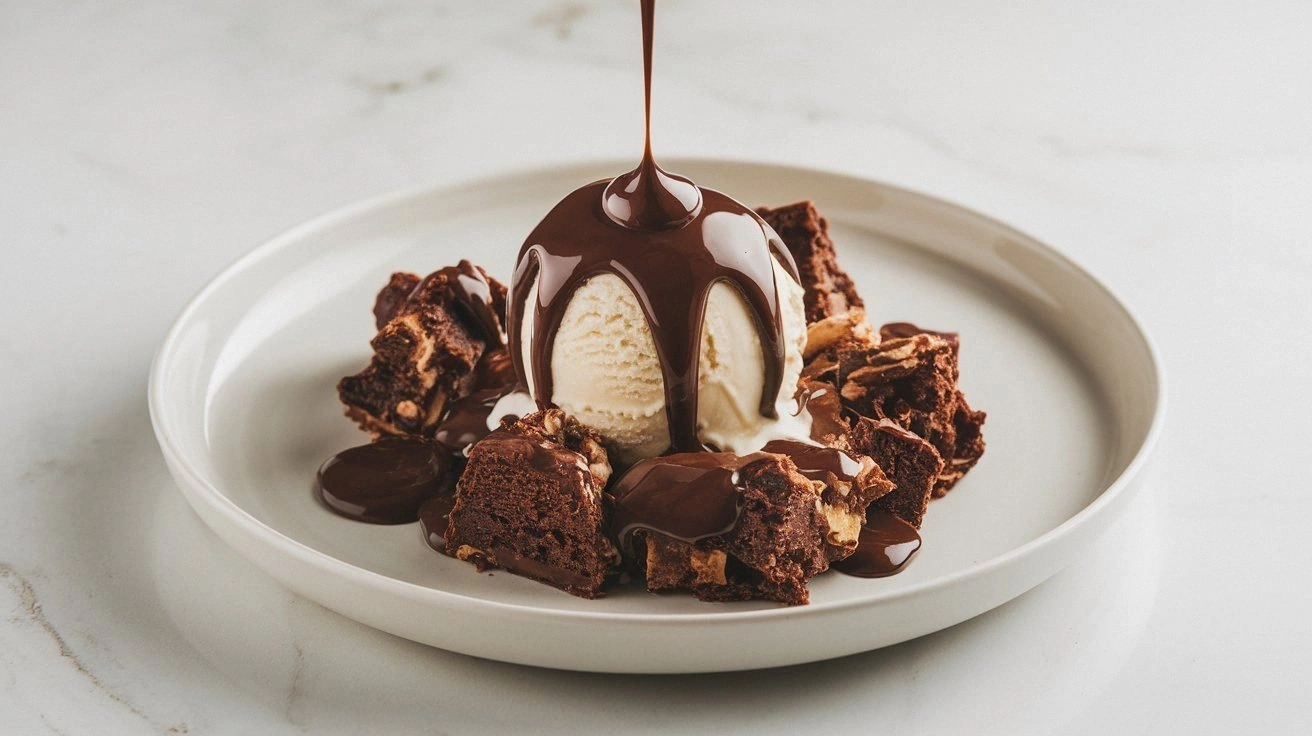
The Method — Step by Step
- Heat a medium‑sized saucepan over medium heat until it’s hot but not boiling. The first thing you’ll notice is the faint aroma of butter melting—this is the foundation of our flavor. Keep a close eye on the pot to avoid scorching the butter, as this could introduce a bitter taste.
- Add the butter to the saucepan and let it melt completely. Once the butter is fully liquid, pour in the chocolate chips, stirring constantly. The chocolate should start to melt into a thick, glossy sauce that coats the bottom of the pot.
- Stir the mixture until it’s smooth and the chocolate is fully incorporated. At this point, the mixture should have a deep, rich brown color. This is the moment of truth—if the sauce looks chunky, give it a few more minutes to melt.
- Pour in the heavy cream and vanilla extract, stirring until everything is blended into a silky glaze. The mixture should have a silky sheen and a slightly thickened consistency. The cream helps to keep the chocolate from separating and adds a luxurious mouthfeel.
- Add the crushed Oreos to the pot, stirring gently to coat them in the chocolate glaze. The cookies will sink to the bottom, creating a layered effect that’s visually appealing. Let the mixture simmer for about 2 minutes, allowing the cookies to absorb some of the chocolate.
- Turn off the heat and let the mixture sit for a minute. This resting period allows the flavors to meld together and the glaze to settle. You’ll notice the chocolate coating the cookies more evenly, creating a cohesive texture.
- Transfer the entire mixture to a baking dish or a cast‑iron skillet. Spread it out evenly so that the cookies are distributed uniformly. The dish should be lightly greased to prevent sticking.
- Place the dish in a preheated oven at 350°F (175°C) for 20–25 minutes. The cake will develop a golden crust on top while remaining gooey inside. Watch the edges; when they start pulling away from the sides of the dish, it’s a sign the cake is done.
- Remove the cake from the oven and let it cool for about 10 minutes. During this time, the glaze will thicken slightly, and the cookies will firm up. If you’re in a hurry, you can serve it warm, but the texture will be softer.
- Serve the cake warm or at room temperature, depending on your preference. A dusting of cocoa powder or a drizzle of caramel sauce adds a finishing touch. For an extra indulgence, top it with whipped cream or a scoop of vanilla ice cream.
That’s it—you did it. But hold on, I’ve got a few more tricks that will take this to another level.
Insider Tricks for Flawless Results
The Temperature Rule Nobody Follows
Many people bake the cake at a higher temperature, which can cause the chocolate to separate. The key is to bake at a moderate 350°F (175°C) to keep the glaze silky. If you’re using a different oven, adjust the time slightly—monitor the edges for the perfect pull.
Why Your Nose Knows Best
Before you take the cake out of the oven, give it a quick sniff. A faint, sweet chocolate scent signals that it’s ready. If the smell is too strong or bitter, let it rest a bit longer.
The 5‑Minute Rest That Changes Everything
Letting the cake rest for five minutes after baking allows the glaze to set and the cookies to firm up. This step is crucial for a cohesive bite. Skipping it can result in a runny, uneven texture.
The Power of a Good Crumble
Crushing the Oreos by hand gives you more control over the size. A medium crush ensures each bite has a balanced texture. If you prefer a smoother cake, pulse the cookies in a food processor.
The Secret to a Glossy Finish
A quick brush of melted chocolate over the top before serving creates a glossy sheen that looks professional. It also adds an extra layer of chocolate flavor that lingers on the palate.
The Final Touch of Salt
Adding a pinch of sea salt at the end of baking brings out the chocolate’s richness. It also balances the sweetness of the Oreos, creating a more complex flavor profile. A sprinkle of flaky sea salt is a small touch that makes a big difference.
Creative Twists and Variations
This recipe is a playground. Here are some of my favorite ways to switch things up:
Nutty Crunch
Add a handful of chopped walnuts or pecans before baking. The nutty flavor pairs beautifully with chocolate, and the crunch adds a new dimension to the texture. This variation is perfect for autumn when you want a warm, comforting dessert.
Spiced Delight
Stir in a pinch of cinnamon or a dash of cayenne pepper for a subtle heat. The spices elevate the chocolate’s depth, creating a dessert that feels both comforting and adventurous. This is ideal for holiday gatherings.
Caramel Swirl
Swirl a line of caramel sauce through the chocolate glaze before baking. The caramel adds a buttery sweetness that complements the chocolate. Serve with a scoop of vanilla ice cream for a decadent treat.
Minty Fresh
Add a few drops of peppermint extract to the glaze. The mint creates a refreshing contrast to the rich chocolate. This version is especially refreshing in summer.
Coffee Boost
Stir in a tablespoon of espresso powder or a shot of cold brew. The coffee intensifies the chocolate flavor and adds a subtle bitterness that balances the sweetness. This is a favorite for coffee lovers.
Fruit‑Infused
Fold in fresh berries or diced mango after baking. The fruit adds a bright, juicy contrast to the dense chocolate. It’s a great way to incorporate seasonal produce into a dessert.
Storing and Bringing It Back to Life
Fridge Storage
Store the cake in an airtight container in the refrigerator for up to 3 days. The glaze will firm up, making it easier to cut clean slices. Let it sit at room temperature for 10 minutes before serving to soften the texture.
Freezer Friendly
Wrap the cake tightly in plastic wrap and place it in a freezer bag. It will keep for up to 2 weeks. Thaw overnight in the refrigerator, then let it sit at room temperature for 15 minutes before serving.
Best Reheating Method
Reheat the cake in a microwave at 30-second intervals, stirring in between. Add a tiny splash of water before reheating to create steam, which restores the glaze’s silky texture. Be careful not to overheat, or the chocolate may separate.