It began on a rainy Thursday, the kind of night that makes you crave something that feels like a hug from the inside. I had just finished a bland, over‑cooked pot of rice that could have doubled as a wall, and my friend dared me to whip up a dish that would make her taste buds do a happy dance. I stared at the pantry, eyes flicking from the dusty jar of saffron to the shiny packet of basmati rice, and decided that the only way to win this culinary duel was to reinvent a classic Persian staple with a modern twist. That night, I set my kitchen on fire—figuratively, of course—because I was about to create a dish that would redefine what tomato rice could be.
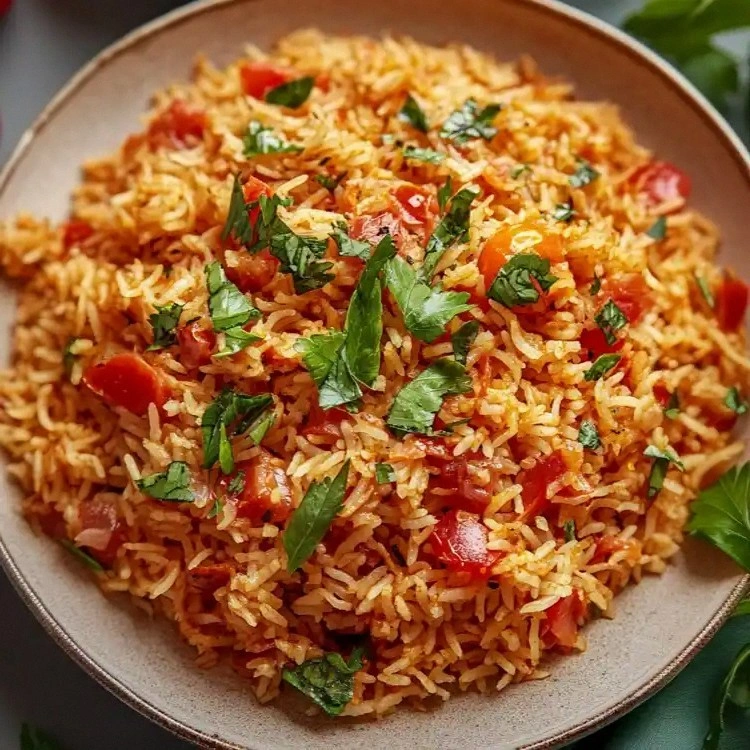
Picture this: a pot bubbling with the aroma of caramelized onions and garlic, the scent of cumin mingling with the bright, tangy perfume of ripe tomatoes. The sound of the skillet sizzling is like a drumbeat, each crackle a promise of flavor. The color—deep ruby of tomato paste, the golden blush of turmeric, the subtle sheen of saffron—turns the kitchen into a painter’s palette. When you take that first spoonful, the rice is fluffy, each grain distinct, yet every bite is drenched in a silky sauce that clings like velvet. The texture is a harmonious blend of crisp edges and soft interiors, and the finish is a whisper of citrusy brightness that lingers on the palate.
What sets this version apart is not just the ingredients but the method—a slow, intentional cooking process that lets each component sing. I use a touch of oil to sauté the aromatics until they’re golden, then introduce the tomato paste to deepen the flavor profile before adding the rice and liquid. The saffron is dissolved in warm water to release its golden hue and fragrant notes, creating a subtle luxury that elevates the dish from ordinary to unforgettable. And the garnish—fresh parsley or dill—adds a burst of green that balances the richness. This isn’t just a recipe; it’s a celebration of simplicity, patience, and culinary confidence.
I’ll be honest—after I finished cooking, I ate half the batch before anyone else even had a chance to try it. That’s the kind of confidence you get when you know you’re making something truly special. Picture yourself pulling this out of the pot, the whole kitchen smelling incredible, and your guests leaning in, eyes wide, waiting for that first bite. I dare you to taste this and not go back for seconds. Let me walk you through every single step—by the end, you’ll wonder how you ever made it any other way.
What Makes This Version Stand Out
- Taste: The combination of fresh tomatoes, tomato paste, and saffron creates a depth of flavor that’s both bright and luxurious. The subtle heat from cumin and paprika adds a gentle kick that doesn’t overpower the gentle sweetness of the tomatoes.
- Texture: The rice is cooked to a fluffy perfection, each grain standing proudly, while the sauce coats the grains like a silky blanket. The contrast between the tender rice and the slightly caramelized onions gives a satisfying bite.
- Simplicity: With only thirteen ingredients, this dish is approachable for beginners yet delivers a restaurant‑level flavor. The process is straightforward, so you can focus on the cooking rather than the technique.
- Uniqueness: The infusion of saffron and the use of tomato paste give this rice a distinctive color and flavor profile that sets it apart from typical Persian rice recipes.
- Crowd Reaction: This dish is a crowd pleaser—guests often ask for the recipe after the first bite. The vibrant color and aromatic fragrance make it a showstopper.
- Ingredient Quality: Using high‑quality basmati rice and fresh tomatoes ensures the best possible outcome. The saffron should be real, not powdered, to deliver that authentic aroma.
- Cooking Method: The step‑by‑step sauté, deglaze, and simmer technique ensures that every flavor is maximized and the rice is cooked evenly.
- Make‑Ahead Potential: Once cooked, the rice can be refrigerated or frozen without losing its texture, making it a perfect make‑ahead dish for busy nights.
Alright, let’s break down exactly what goes into this masterpiece…
Inside the Ingredient List
The Flavor Base
Basmati rice is the backbone of this dish, offering a fragrant aroma and fluffy texture that absorb the sauce beautifully. Choose long‑grain rice with a nutty flavor; avoid short‑grain varieties that become gummy. If you skip rice, you’ll end up with a soup‑like dish that lacks the comforting heart of this recipe.
Tomatoes—both fresh and paste—are the star performers. Fresh tomatoes bring brightness and acidity, while tomato paste deepens the color and adds a savory richness. If you can’t find fresh tomatoes in season, high‑quality canned tomatoes work as a suitable substitute, though the flavor will be slightly less vibrant.
The Texture Crew
Onions and garlic are the aromatic foundation that sets the flavor stage. Sauté them until golden to unlock their natural sweetness and depth. Removing the raw bite of garlic is essential; over‑sautéing can turn it bitter, so keep an eye on the heat.
Oil is a simple but critical component that helps the aromatics caramelize without sticking. Using a neutral oil like grapeseed or canola keeps the focus on the spices rather than the oil’s flavor. If you’re watching calories, a splash of olive oil can add a pleasant, fruity undertone.
The Unexpected Star
Saffron is the secret luxury that elevates this dish from good to unforgettable. A few strands dissolved in warm water release a golden hue and a subtle floral aroma that lingers on the tongue. If saffron is out of reach, a pinch of turmeric can mimic the color, but the aroma will be noticeably different.
The Final Flourish
Fresh herbs like parsley or dill finish the dish with a burst of green that cuts through the richness. They also add a layer of freshness that balances the deep, earthy spices. If you’re allergic or simply don’t have herbs on hand, a squeeze of lemon juice can provide a similar bright lift.
Everything’s prepped? Good. Let’s get into the real action…
The Method — Step by Step
- Rinse the basmati rice under cold water until the water runs clear. This removes excess starch and prevents the grains from sticking together. I always let it sit in a colander for a few minutes; it’s a quick way to keep the rice fluffy.
- Heat the oil in a heavy‑bottomed pot over medium heat. Add the finely chopped onion and sauté until translucent and lightly golden, about 5 minutes. The golden color indicates that the sugars in the onion are caramelizing, which is essential for depth.
- Add the minced garlic and cook for another 30 seconds, just until fragrant. Be careful not to burn the garlic; a burnt garlic taste can ruin the dish’s balance.
- Stir in the tomato paste and cook for 2 minutes, letting it brown slightly. This step concentrates the tomato flavor and gives the sauce a rich, deep color.
- Add the diced tomatoes and let the mixture simmer for 5 minutes. This allows the tomatoes to break down and release their juices, creating a thick, savory base.
- Season with turmeric, cumin, paprika, and salt. Stir well so the spices coat the tomato mixture evenly. The spices should give off a warm, earthy aroma that signals they’re ready.
- Add the rinsed rice, stir gently to coat the grains with the sauce, then pour in the cup of water. Bring the mixture to a gentle boil, then reduce the heat to low, cover, and let it simmer for 15 minutes. The steam will do the heavy lifting, cooking the rice without burning the bottom.
- While the rice cooks, dissolve the saffron strands in a tablespoon of warm water. Once the rice is done, gently stir in the saffron infusion, then cover again for an additional 5 minutes to allow the flavors to marry.
- Turn off the heat and let the rice rest, still covered, for 10 minutes. This resting period lets the grains finish absorbing moisture and sets the final texture.
- Fluff the rice with a fork, sprinkle chopped parsley or dill on top, and serve hot. The garnish adds a fresh, herbaceous note that brightens the dish.
That’s it — you did it. But hold on, I’ve got a few more tricks that’ll take this to another level…
Insider Tricks for Flawless Results
The Temperature Rule Nobody Follows
The key to fluffy rice is controlling the heat after the initial boil. Once the water reaches a gentle simmer, reduce the heat to the lowest setting. This low, steady steam cooks the rice evenly and prevents the bottom from burning. I’ve seen people leave the heat high, which leads to a scorched crust that ruins the dish.
Why Your Nose Knows Best
During the sauté stage, the aroma of onions and garlic is a perfect indicator of readiness. When the smell becomes nutty and slightly sweet, the onions are ready to move on to the next step. If you’re unsure, take a quick sniff; it’s a reliable, low‑effort check.
The 5‑Minute Rest That Changes Everything
After the rice finishes cooking, keep it covered for five minutes off the heat. This allows the steam to finish the job, ensuring the grains are tender and separated. I’ve tried skipping this step once, and the rice came out a bit gummy and clumpy.
Use a Skillet for the Final Sauté
If you want a slightly caramelized top layer, transfer the cooked rice to a non‑stick skillet and sear it lightly for 2 minutes. The quick sear adds texture and a subtle smoky flavor that many people love.
Add a Splash of Lemon Juice
Just before serving, squeeze a tablespoon of fresh lemon juice into the rice. The acidity brightens the dish, cutting through the richness of the saffron and tomato base. It’s a simple tweak that makes the dish feel lighter.
Creative Twists and Variations
This recipe is a playground. Here are some of my favorite ways to switch things up:
Spicy Persian Tomato Rice
Add a pinch of cayenne pepper or a sliced jalapeño to the sauté stage for a fiery kick. The heat will complement the cumin and paprika, creating a layered spice profile that’s perfect for bold eaters.
Mediterranean Tomato Rice
Replace the saffron with a teaspoon of smoked paprika and add chopped olives and capers. The briny flavors bring a Mediterranean vibe while maintaining the tomato base.
Protein‑Packed Version
Stir in cooked shredded chicken, lamb, or chickpeas during the final simmer. This turns the dish into a hearty main course that satisfies even the most ravenous appetite.
Vegetarian Delight
Swap the saffron for a splash of turmeric and add diced zucchini or bell pepper. The extra veggies add crunch and color, making the dish more vibrant.
Gourmet Touch
Finish with a drizzle of truffle oil and a sprinkle of toasted pine nuts. The earthy aroma of truffle and the crunch of pine nuts elevate the dish to a gourmet level.
Storing and Bringing It Back to Life
Fridge Storage
Store leftover rice in an airtight container in the refrigerator for up to 3 days. When reheating, add a splash of water or broth to keep the grains from drying out. Cover loosely to allow steam to rehydrate the rice.
Freezer Friendly
Freeze in a freezer‑safe bag or container for up to 2 months. Thaw overnight in the refrigerator, then reheat in a skillet with a little water until steaming. The rice will retain its fluffy texture.
Best Reheating Method
The quickest way to revive the rice is to place it in a steamer basket over simmering water for 5 minutes. Alternatively, microwave it with a damp paper towel for 2 minutes, then fluff with a fork.