The kitchen was a battlefield that night. I had just finished a dinner for a group of friends, and the shrimp I’d pan‑fried for a quick scampi had turned into a mushy, overcooked mess. The garlic was burnt, the lemon juice had curdled, and the pasta was clinging together like a bad group hug. My friends were laughing, but I could feel the sting of embarrassment. I swore, “I’ll never again let shrimp scampi go wrong.” That promise turned into a culinary quest that lasted weeks, experimenting with sauces, techniques, and the right shrimp size until I found the perfect balance.
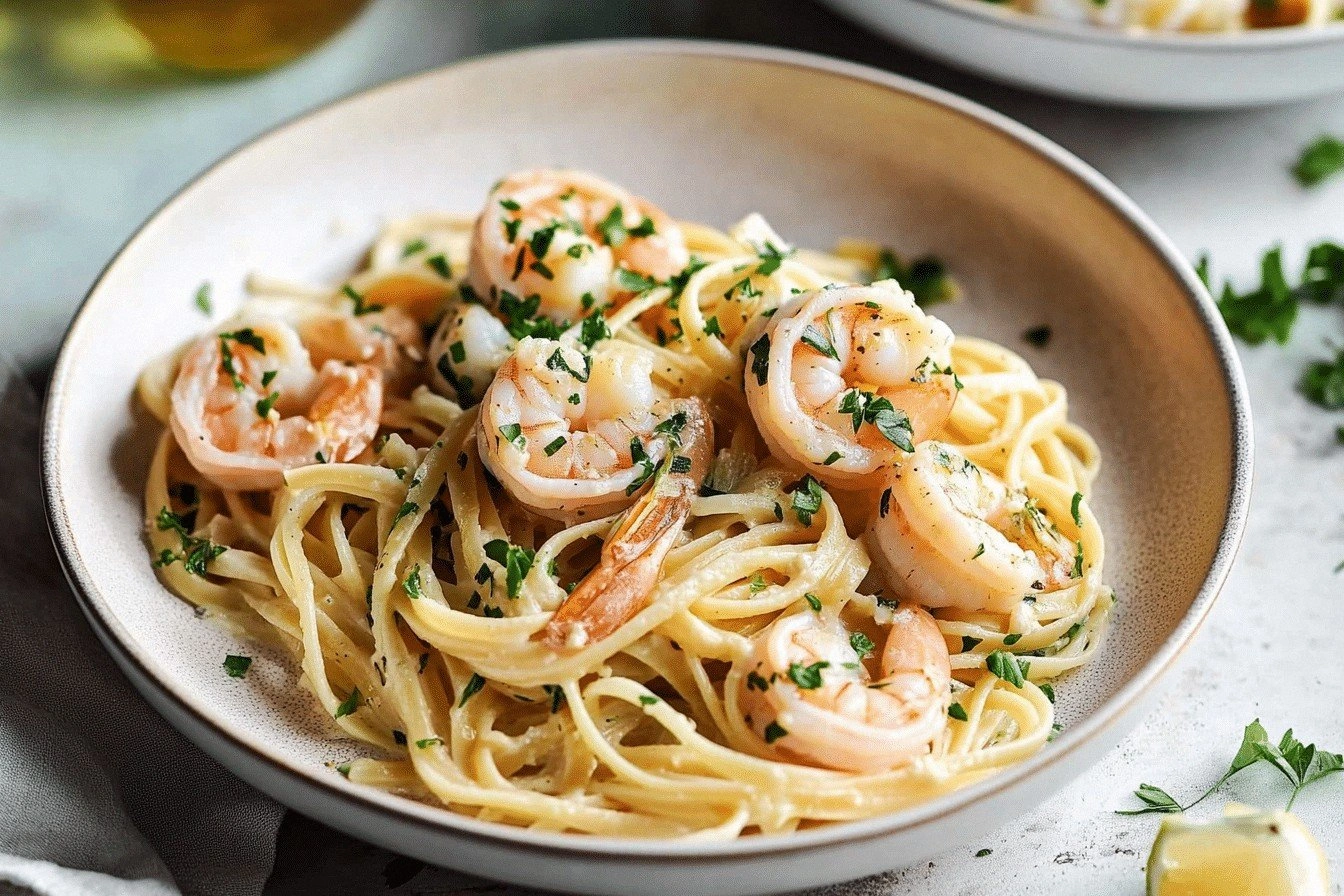
Picture the scene: the kitchen lights are warm, the air is thick with the scent of sizzling butter and garlic, and the sound of a gentle sizzle fills the room. The shrimp glisten as they cook, turning a bright pink, their edges crisping just enough to crack like a delicate shell. The lemon’s citrus notes cut through the buttery richness, while the parsley adds a fresh green burst that feels almost like a breath of sea air. The pasta swirls around the shrimp, coated in a sauce that feels silky and velvety, yet still carries the bold bite of garlic. Every bite is a harmony of textures, a dance between tender shrimp, al dente pasta, and a sauce that clings lovingly to each strand.
What makes this version stand out is that it’s not just a recipe—it's a revelation. It strips away the usual clunky steps and focuses on flavor, timing, and the small details that elevate the dish. I discovered that using a splash of white wine before adding lemon juice unlocks a depth of flavor that feels like a secret handshake between the ingredients. The shrimp are pre‑marinated in a quick mixture of olive oil, garlic, and a pinch of salt, which keeps them juicy and prevents them from drying out. I also learned that the final splash of fresh parsley and a sprinkle of red pepper flakes add a pop of color and a hint of heat that makes the dish feel alive.
Let me walk you through every single step—by the end, you’ll wonder how you ever made it any other way. I dare you to taste this and not go back for seconds. The sauce coats the pasta like velvet, the shrimp are perfectly pink and juicy, and the finish is bright and satisfying. This is hands down the best version you’ll ever make at home. If you’ve ever struggled with shrimp scampi, you’re not alone—this is the fix that turns a kitchen disaster into a triumph.
What Makes This Version Stand Out
- Taste: A bright, citrusy profile that cuts through the richness of butter and garlic, leaving a clean finish.
- Texture: Shrimp that remain succulent while the pasta stays al dente, and a sauce that clings without weighing down.
- Speed: The entire dish comes together in under 45 minutes, perfect for week‑night dinners.
- Ingredient Quality: Fresh shrimp, high‑grade olive oil, and hand‑picked parsley make all the difference.
- Versatility: Works with linguine, fettuccine, or even zucchini noodles for a low‑carb option.
- Crowd‑Pleaser: The dish is simple enough for beginners yet sophisticated enough to impress guests.
- Make‑Ahead Potential: The sauce can be made a day ahead and reheated without losing flavor.
- Minimal Cleanup: Only one pan and a few utensils are needed, so you can enjoy the meal without the mess.
Alright, let's break down exactly what goes into this masterpiece...
Inside the Ingredient List
The Flavor Base
Garlic is the soul of this dish. It provides a pungent aroma that lingers long after the last bite. Butter adds a creamy, slightly nutty richness, while olive oil keeps the garlic from scorching too quickly. The lemon juice brightens the sauce, cutting the heaviness of the butter and creating a balanced, refreshing finish. Each component plays a critical role—skip one, and the dish loses its signature character.
The Texture Crew
Shrimp are the star of the show. Fresh, large shrimp that are peeled and deveined cook quickly and remain tender. Linguine or spaghetti provides the perfect al dente backbone, absorbing the sauce without becoming mushy. Salt and pepper are essential for seasoning, but remember: a pinch of salt can dramatically elevate the shrimp’s natural sweetness. These ingredients together create a harmonious blend of textures that dance on the palate.
The Unexpected Star
A splash of dry white wine might seem like an indulgence, but it adds depth and a subtle acidity that balances the butter and lemon. The wine also helps to deglaze the pan, lifting the caramelized garlic bits into the sauce. If wine isn’t your preference, a dash of chicken broth can serve as a substitute, though the flavor profile will shift slightly. This ingredient is the secret that turns an ordinary scampi into an unforgettable experience.
The Final Flourish
Fresh parsley brings a burst of color and a peppery freshness that lifts the entire dish. A pinch of red pepper flakes adds a gentle heat, creating a layered flavor profile. Optional grated Parmesan offers a salty, nutty finish, but be careful not to overpower the delicate shrimp. These finishing touches transform the dish from good to spectacular.
Everything's prepped? Good. Let's get into the real action...
The Method — Step by Step
- Heat a large skillet over medium heat and add the olive oil. Once the oil shimmers, add the minced garlic and sauté for 30 seconds until fragrant. Be careful not to let it brown; a golden hue is the goal. This step builds the flavor base, creating the aromatic foundation that will carry the shrimp.
- Add the shrimp to the skillet in a single layer, season with salt and pepper, and let them sear for 2 minutes on one side. Flip them gently, then add the butter. As the butter melts, it will coat the shrimp, locking in moisture and adding a silky richness. Watch the shrimp change color; they’re ready when they turn a bright pink.
- Pour in the white wine (or chicken broth if you’re skipping the wine) and let it reduce by half, about 2 minutes. This deglazes the pan, pulling up the caramelized garlic bits and infusing the sauce with depth. The liquid should thicken slightly, creating a glossy sheen.
- Squeeze in the lemon juice and stir. The acidity will cut through the butter, giving the sauce a bright, clean finish. The scent of citrus will rise, making the kitchen smell like a coastal breeze.
- Add the cooked pasta directly to the skillet, tossing to coat it evenly with the sauce. If the pasta seems dry, splash in a little reserved pasta water to loosen it. The pasta should be coated but not drenched; it needs to retain its bite.
- Stir in the chopped parsley and red pepper flakes, letting the heat from the pan lightly toast the herbs. The parsley’s color will brighten the dish, while the pepper flakes add a subtle kick. This is the moment of truth—taste and adjust seasoning if needed.
- Optional: Sprinkle grated Parmesan over the top for an extra layer of umami. Let it melt into the sauce, creating a velvety finish. This step is optional, but it adds a delightful savory note.
- Serve immediately, garnished with a wedge of lemon and a sprinkle of fresh parsley. The dish should be piping hot, with shrimp still pink and pasta al dente. The aroma will draw everyone to the table.
That's it—you did it. But hold on, I've got a few more tricks that'll take this to another level. I’ll share insider tips that will keep the dish fresh, flavorful, and foolproof every time.
Insider Tricks for Flawless Results
The Temperature Rule Nobody Follows
Many cooks start the shrimp on high heat, causing them to sear too quickly and dry out. I discovered that medium heat preserves the shrimp’s juiciness while still allowing the garlic to bloom. Keep the heat steady; if the pan feels too hot, lower the flame. This simple adjustment transforms the texture from rubbery to tender.
Why Your Nose Knows Best
Smell is your best seasoning guide. When the garlic starts to turn golden, the aroma will change from sharp to sweet. This subtle shift signals that the garlic is ready to be deglazed with wine or broth. Trust your nose, and you’ll avoid burnt flavors that ruin the dish.
The 5-Minute Rest That Changes Everything
After tossing the pasta into the sauce, let the skillet rest for 5 minutes off the heat. This resting period allows the flavors to meld, and the pasta continues to absorb the sauce. It also lets the shrimp finish cooking gently, preventing overcooking. The result is a dish that feels cohesive and balanced.
The Secret of Fresh Parsley
Fresh parsley adds color, flavor, and a burst of freshness that a dried version can’t match. I recommend chopping it just before serving to keep the green vibrant. If you’re short on time, a sprinkle of dried parsley can work, but it will be less bright.
The One‑Touch of Salt
Adding a pinch of salt at the end of cooking can bring out the shrimp’s natural sweetness. Salt balances the acidity from the lemon and the richness from the butter. A small adjustment here can make the dish feel more polished.
Creative Twists and Variations
This recipe is a playground. Here are some of my favorite ways to switch things up:
Seafood Medley
Swap half the shrimp for scallops or mussels. The addition of mussels gives a briny depth, while scallops add a sweet, buttery texture. Keep the sauce the same; the seafood will absorb the flavors beautifully.
Spicy Cajun
Add a tablespoon of Cajun seasoning to the shrimp before cooking. The smoky heat pairs well with the citrusy sauce, creating a bold, savory dish. Serve with a side of cornbread for a Southern twist.
Low‑Carb Zoodles
Replace the pasta with spiralized zucchini or shirataki noodles for a low‑carb version. The noodles will soak up the sauce without adding extra carbs, making it a great option for keto or paleo diets.
Creamy Alfredo Scampi
Stir in a splash of heavy cream after the lemon juice to create a richer, creamier sauce. The cream balances the acidity and gives the dish a luxurious mouthfeel. Top with grated Parmesan for extra indulgence.
Mediterranean Twist
Add chopped sun‑dried tomatoes and olives to the skillet after the shrimp are cooked. The tomatoes bring a sweet tang, while olives add brininess. This variation leans into Mediterranean flavors, making it a unique take on classic scampi.
Herb‑Infused Oil
Infuse the olive oil with fresh thyme or rosemary before cooking. The herb notes permeate the sauce, giving it an aromatic depth that elevates the dish. Use a small amount to avoid overpowering the shrimp.
Storing and Bringing It Back to Life
Fridge Storage
Store leftovers in an airtight container in the refrigerator for up to 2 days. The sauce may thicken slightly; reheat gently on the stovetop with a splash of pasta water to loosen it. The shrimp may lose a bit of firmness, but the flavor remains strong.
Freezer Friendly
To freeze, let the dish cool completely, then transfer to a freezer‑safe container. It will keep well for up to 2 months. Reheat in the microwave or on the stovetop, adding a little water or broth to maintain moisture. The shrimp may be a touch softer, but the sauce’s bright flavor will carry through.
Best Reheating Method
When reheating, use low heat and stir frequently. Adding a tiny splash of water or broth before reheating steams the dish back to perfection. The sauce will become silky again, and the shrimp will regain some of their original juiciness.