Picture this: I’m standing in a cramped kitchen, a pot of boiling pasta on the stove, and my neighbor’s kid has just set the table with a stack of paper plates. The air smells like garlic and soy, and the moment the first meatball lands on the skillet, a sizzling symphony erupts that could put a fireworks show to shame. I swear, that was the moment I realized my culinary destiny had a secret weapon: a saucy meatball that melts in every bite. If you’ve ever tried a bland, dry meatball that feels like a brick, you know the disappointment that follows. I’m not here to tell you the same old story; I’m here to show you the version that turns that brick into a cloud of savory bliss.
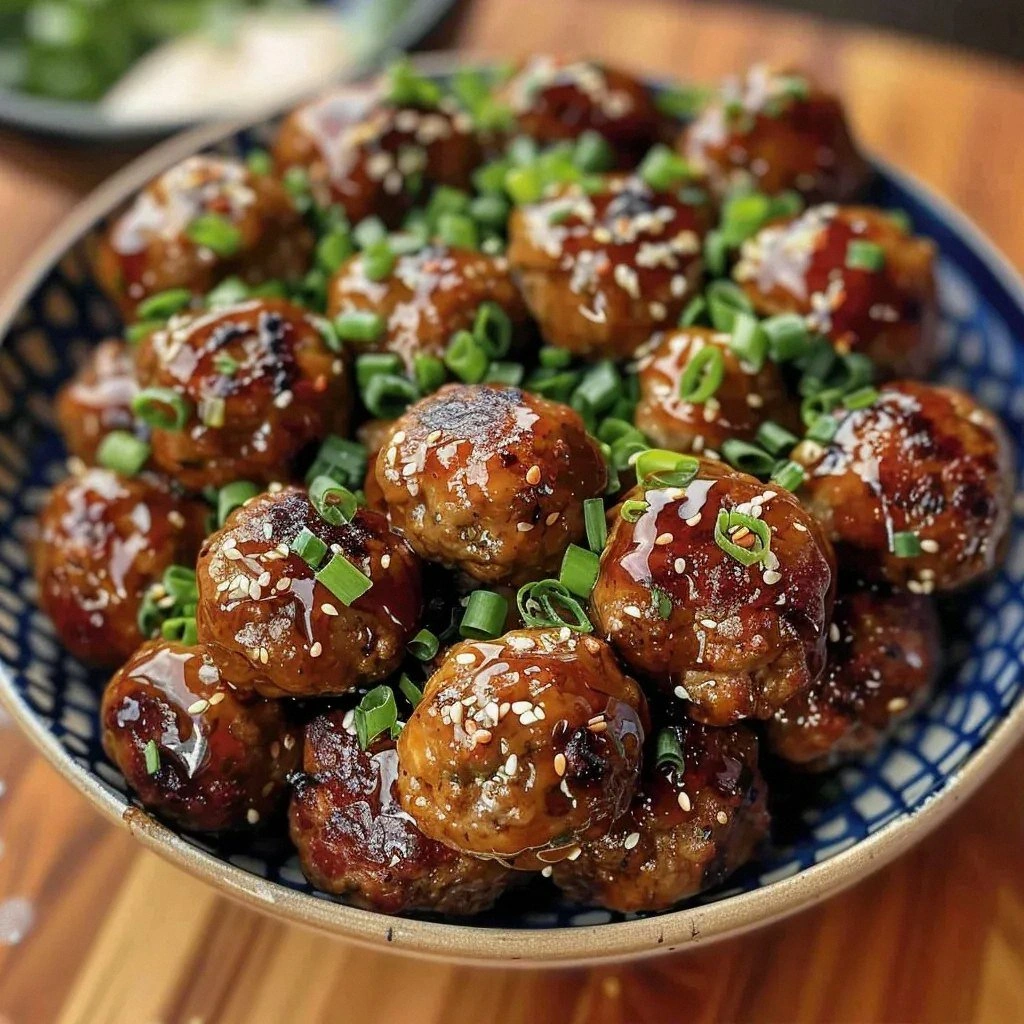
The kitchen was a riot of colors: bright green scallions, glossy hoisin sauce, and the deep mahogany of the beef. The scent of ginger and garlic danced over the counter, teasing the palate before even a single bite touched the tongue. When the meatballs hit the pan, the sound was a satisfying crackle, a promise that something delicious was about to happen. The heat kissed the surface, turning the outside into a caramelized crust while the inside stayed juicy and tender. You can almost feel the steam rise, carrying with it a promise of flavor that will linger long after the last bite.
What sets this recipe apart isn’t just the ingredients, but the way they’re orchestrated. The sauce isn’t a generic glaze; it’s a complex harmony of hoisin, soy, and rice vinegar that coats the meatballs like velvet, with a subtle tang that wakes up the senses. The meatballs themselves are built with a delicate balance of breadcrumbs and egg, giving them a light, airy interior that contrasts with the savory, slightly sweet exterior. I dare you to taste this and not go back for seconds—because once you’ve tasted it, the craving is almost impossible to ignore. I’m not exaggerating when I say this is hands down the best version you’ll ever make at home.
The secret? A splash of water in the sauce that keeps it silky, and a sprinkle of scallions that adds a fresh, bright note. This isn’t your run‑of‑the‑mill recipe; it’s a game‑changer that turns a simple dinner into a memorable experience. Let me walk you through every single step—by the end, you’ll wonder how you ever made it any other way.
What Makes This Version Stand Out
- Flavor: The sauce is a masterclass in umami, with hoisin and soy working together to create depth, while rice vinegar adds a bright counterpoint that cuts through richness.
- Texture: The meatballs are light and airy inside, thanks to the breadcrumbs and egg binding, while the outside achieves a caramelized crust that snaps like a crisp wafer.
- Simplicity: Only a handful of pantry staples are needed, yet the result feels like a restaurant‑quality dish.
- Uniqueness: The combination of hoisin, sesame oil, and scallions gives this dish an unmistakable Asian flair that sets it apart from ordinary meatballs.
- Crowd Reaction: Friends who’ve tried it say they’re “hooked” after the first bite—no more “meh” meatballs.
- Ingredient Quality: Using high‑quality hoisin and fresh ginger elevates the dish, making the difference between average and unforgettable.
- Make‑Ahead Potential: The sauce can be pre‑made, and the meatballs can be baked ahead of time, making this a perfect weeknight or dinner‑party option.
- Versatility: Serve over rice, noodles, or even as a filling for a sandwich—this dish adapts to whatever you’re craving.
Inside the Ingredient List
The Flavor Base
Hoisin sauce is the backbone of this dish, providing a sweet, slightly tangy sweetness that balances the savory soy. It’s a Chinese condiment that’s often overlooked in Western kitchens, but its deep, caramelized flavor makes it essential for this sauce. If you can’t find hoisin, a mix of honey and soy with a dash of Chinese five‑spice can work, but the result will be noticeably different.
The Texture Crew
Breadcrumbs give the meatballs a tender crumb while preventing them from becoming too dense. The egg acts as a binder, ensuring the meatballs hold together during baking. If you’re gluten‑free, substitute panko or cornflakes for the breadcrumbs; just keep the quantity the same.
The Unexpected Star
Sesame oil is a subtle yet powerful flavor enhancer that brings a nutty aroma to both the meatballs and the sauce. It’s easy to overlook, but a teaspoon in the meat mixture and a tablespoon in the sauce create a layered depth that’s hard to replicate. If you don’t have sesame oil, a splash of toasted sesame seed paste can provide a similar nutty profile.
The Final Flourish
Finely chopped scallions add a fresh, peppery brightness that cuts through the richness of the sauce. They’re the last thing you’ll sprinkle on top, and they provide a satisfying crunch and a pop of color. If you’re not a fan of scallions, a sprinkle of fresh cilantro or a dash of lime juice can offer a similar brightening effect.
Everything's prepped? Good. Let's get into the real action...
The Method — Step by Step
- Preheat the oven. Set it to 400°F (200°C) and line a baking sheet with parchment paper or a silicone mat. This ensures the meatballs bake evenly and prevents sticking. While the oven heats, gather all your ingredients; having everything within arm’s reach saves time and reduces kitchen chaos.
- Combine the meatball mix. In a large bowl, combine the ground beef, breadcrumbs, minced garlic, minced ginger, egg, 1 teaspoon sesame oil, salt, and pepper. Use your hands or a spoon to mix until just combined—overmixing can make the meat tough. The mixture should be sticky enough to hold together but not wet; a quick test is to pinch a small amount—if it holds, you’re good.
- Form the meatballs. With wet hands, shape the mixture into 1.5‑inch balls, aiming for uniform size so they cook evenly. Place them on the prepared baking sheet, leaving a couple of inches between each. If you’re short on time, you can use a cookie scoop for consistent portions.
- Bake the meatballs. Slide the sheet into the oven and bake for 15–18 minutes, turning once halfway through. The meatballs should develop a golden‑brown crust and reach an internal temperature of 160°F (71°C). The sizzle as they cook is the soundtrack to success—listen to that crackle!
- Prepare the sauce. While the meatballs bake, pour 10 tablespoons hoisin sauce, 4 tablespoons soy sauce, 3 tablespoons rice vinegar, 2 tablespoons sesame oil, and 1 tablespoon water into a medium saucepan. Heat over medium heat, stirring until the mixture begins to simmer. The sauce should thicken slightly, forming a glossy coating that will cling to the meatballs.
- Finish the sauce. Add the 1/4 cup finely chopped scallions and 1 teaspoon sugar. Stir until the sugar dissolves and the scallions soften just enough to release their aroma. The sauce should smell sweet, savory, and slightly tangy—a perfect balance that will elevate every bite.
- Combine meatballs and sauce. Once the meatballs are done, transfer them into the saucepan. Gently stir to coat each ball evenly, allowing them to simmer in the sauce for 5 minutes. This step is crucial; it ensures the meatballs absorb the sauce’s flavors while keeping the interior moist.
- Rest the dish. Remove the saucepan from heat and let the meatballs rest for 5 minutes. This resting period allows the flavors to meld and the sauce to thicken to the ideal consistency—think of it as the dish’s “cool‑down” phase before serving.
- Serve. Spoon the meatballs and sauce over steamed rice, sautéed noodles, or even a bed of mixed greens if you’re feeling adventurous. Garnish with additional scallions or a sprinkle of toasted sesame seeds for a finishing touch. The dish should look glossy, the meatballs plump, and the aroma irresistible.
- Enjoy. Take a bite, let the sauce coat your tongue, and feel the meatball melt into a tender, juicy center. The combination of sweet, salty, and tangy notes will leave you craving more. If you’ve ever struggled with bland meatballs, this recipe is the antidote you’ve been searching for.
That's it— you did it. But hold on, I've got a few more tricks that'll take this to another level...
Insider Tricks for Flawless Results
The Temperature Rule Nobody Follows
Many people bake meatballs at 375°F, but 400°F creates that perfect caramelized crust while keeping the inside moist. The higher heat also helps the sauce thicken faster, giving you that glossy finish. If your oven runs hot, offset the temperature by 10–15°F to avoid burning the exterior.
Why Your Nose Knows Best
When the sauce starts to bubble, the aroma should shift from sweet to savory. Your nose is a reliable indicator that the sauce has reached the right consistency. If you smell too much vinegar, give it a few more minutes; if it smells too sweet, stir in a splash of water to balance it out.
The 5‑Minute Rest That Changes Everything
After the meatballs finish cooking, let them sit for exactly five minutes. This short rest allows the juices to redistribute, preventing them from spilling out when you bite. It also gives the sauce a chance to thicken to the ideal viscosity—neither too runny nor too thick.
Use a Food Thermometer for Precision
Meatballs can vary in size, so a thermometer ensures each one reaches 160°F (71°C). This guarantees food safety without overcooking. If you’re short on a thermometer, test the largest ball; if it’s done, the rest will be fine.
Keep the Sauce Warm Without Burning
If you’re preparing the sauce ahead of time, place the saucepan over a water bath set to low heat. This gentle warming method keeps the sauce silky without scorching the bottom. It also makes it easier to reheat the dish later.
Creative Twists and Variations
Spicy Szechuan Kick
Add a tablespoon of Szechuan peppercorns or a dash of chili oil to the sauce for a numbing heat that pairs beautifully with the sweet hoisin. This variation is perfect for those who like a little bite and want to elevate the dish to a full‑blown Sichuan experience.
Thai Coconut Twist
Replace the water in the sauce with coconut milk and stir in a teaspoon of fish sauce. The result is a creamy, fragrant sauce that turns the meatballs into a Thai-inspired delight. Serve over jasmine rice for an authentic feel.
Italian-Style Meatballs
Swap hoisin for marinara sauce and add oregano, basil, and a pinch of red pepper flakes. Bake the meatballs as usual, then simmer them in the marinara until the sauce thickens. Serve over spaghetti and top with grated Parmesan for a comforting classic.
Vegan Version
Use a plant‑based ground “beef” and replace the egg with a flaxseed binder. Keep the same sauce recipe, but add a splash of soy or almond milk to maintain moisture. The result is a hearty, satisfying dish that satisfies meat lovers and vegans alike.
Breakfast Meatballs
Serve the meatballs with a fried egg on top and a side of sautéed spinach. The combination of savory meatballs, runny yolk, and leafy greens makes for a breakfast that feels indulgent yet balanced. This twist is perfect for a weekend brunch.
Gluten‑Free Edition
Replace breadcrumbs with ground almond or gluten‑free oats. The texture will be slightly denser, but the flavor remains the same. This version is ideal for those with gluten sensitivities who still crave a hearty, comforting dish.
Storing and Bringing It Back to Life
Fridge Storage
Cool the dish to room temperature, then transfer it to an airtight container. Store in the refrigerator for up to three days. The sauce may thicken slightly; simply reheat gently and stir to re‑emulsify.
Freezer Friendly
Divide the meatballs and sauce into freezer‑safe portions. Label each with the date and freeze for up to two months. When ready to eat, thaw overnight in the fridge and reheat on the stove, adding a splash of water to restore the sauce’s silky texture.
Best Reheating Method
Reheat on low heat, stirring frequently to prevent sticking. Add a teaspoon of water or broth to keep the sauce from drying out. Heat until the dish reaches 165°F (74°C), ensuring it’s safe to eat and deliciously hot.