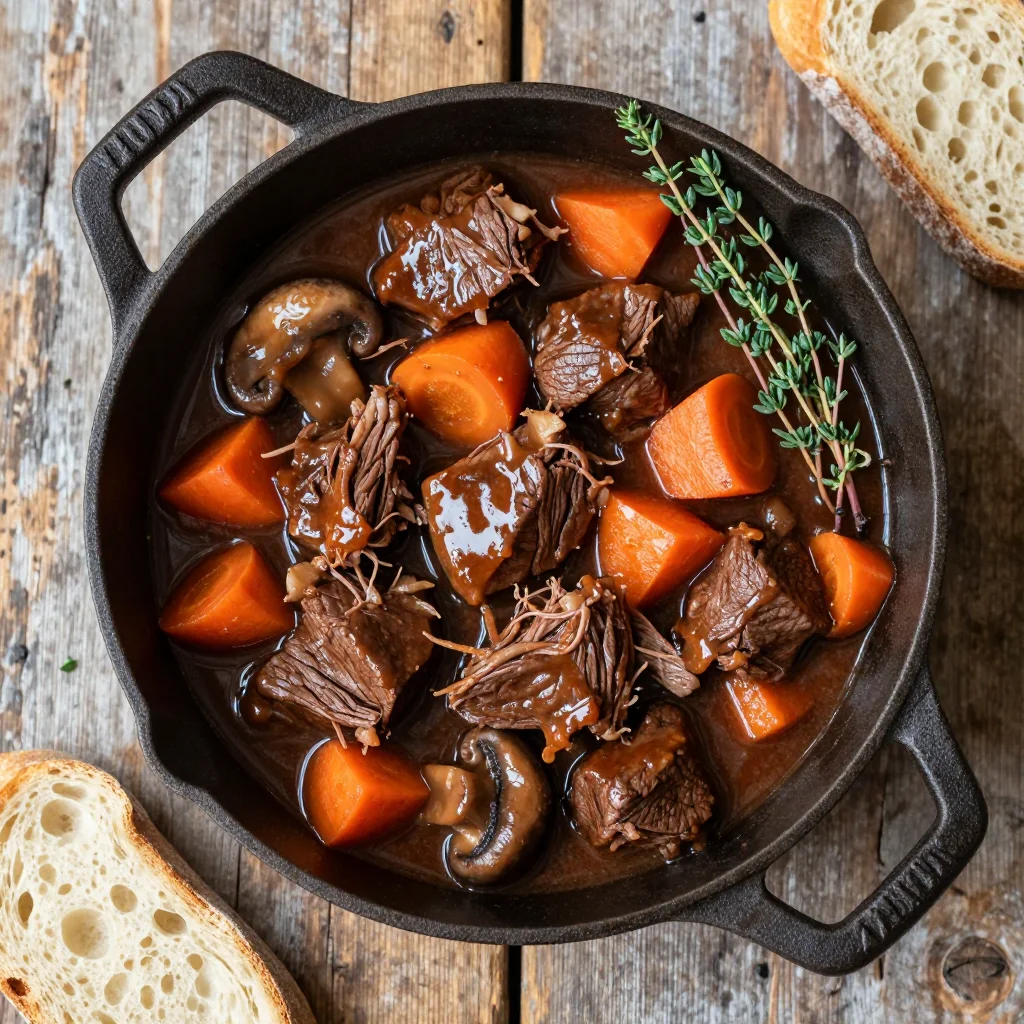
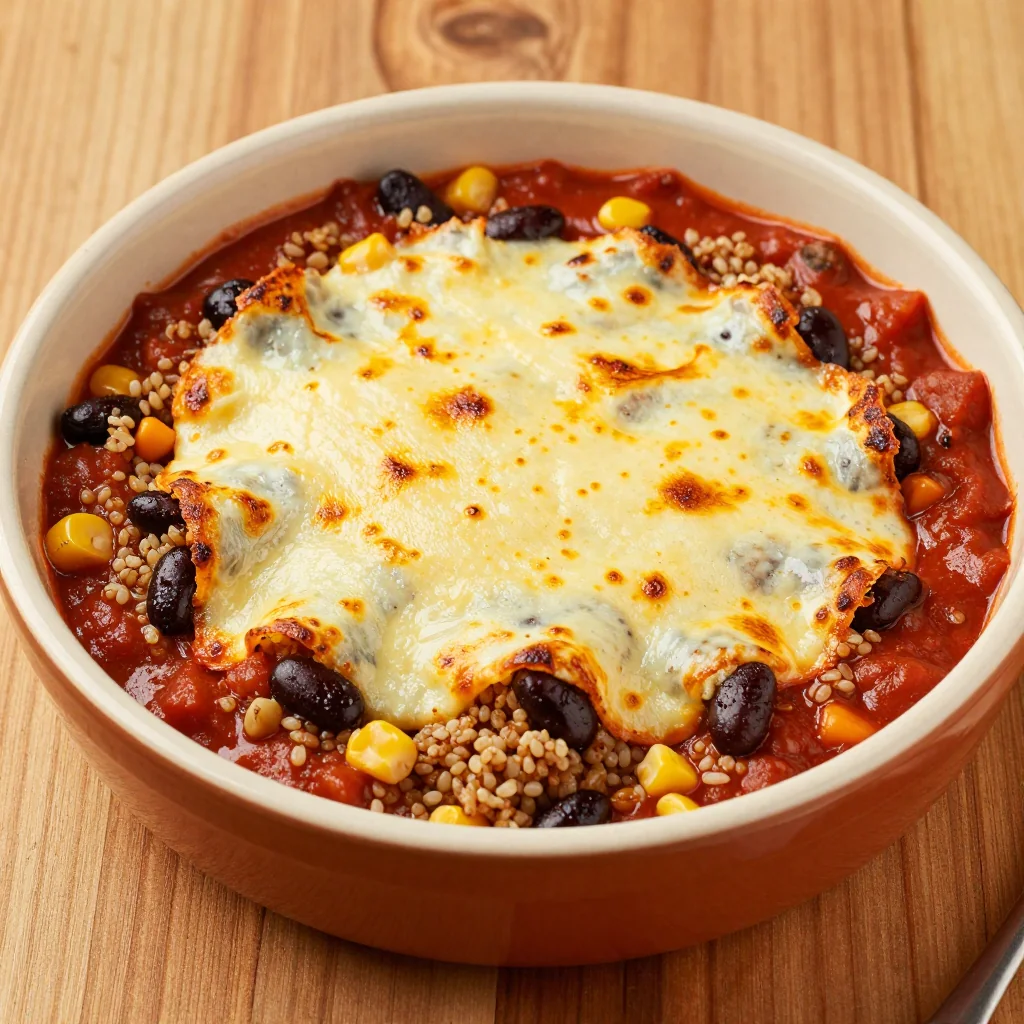
Picture this: I’m standing in a cramped kitchen, the smell of burnt onions wafting through the air, and my friend’s voice echoing from the living room, “You’ve gotta try something new tonight.” I’m staring at a bag of stale rice, a can of beans, and a half‑empty bottle of peanut butter that’s been sitting in the pantry for months. I could have tossed everything into a pot and called it dinner, but something inside me said, “No, we’re going to do better.” That night, I pulled out the recipe for the Savory Senegalese Peanut Stew and set my culinary heart on a mission to turn that humble pantry haul into a dish that would make the whole house sing.
The first time I tasted the stew, I was hit by a wave of creamy, nutty richness that clung to the back of my tongue like a velvet blanket. The aroma—smoky beef, toasted peanut butter, a hint of cayenne, and the bright pop of bell pepper—danced in the air, making every corner of the kitchen feel like a small, secret festival. I could hear the sizzle as the beef browned, the gentle bubbling of stock, and the faint hiss of oil as it warmed. The texture was a perfect marriage of tender meat and silky sauce, with a slight thickness that clung to the sides of the pot. That single spoonful was a revelation: the sauce coated the beef like a silky cloak, and the pepper added a bright, almost citrusy lift that kept the dish from feeling heavy.
What makes this version stand out is not just the flavor, but the way every element is balanced. I’ve trimmed the recipe down to essentials, eliminating the fluff that most versions add, and I’ve introduced a subtle technique—pre‑tasting the peanut butter with a splash of stock—that elevates the nutty flavor to a whole new level. The result is a stew that feels both comforting and adventurous, a dish that can be served over rice, couscous, or even a warm baguette. I dare you to taste this and not go back for seconds; it’s the kind of dish that lingers in your memory long after the last bite. The moment you pour that first ladle onto your plate, the kitchen fills with a smell that feels like home, yet it’s something you’ve never experienced before.
If you’ve ever stared at a pot of stew and wondered why it never quite hits the mark, you’re not alone. Most recipes get this completely wrong, either by overcooking the beef or by adding too much stock and losing the depth of the peanut butter. This version is hands down the best you’ll ever make at home because it takes a humble pantry staple and turns it into a symphony of flavors that dance on the palate. Picture yourself pulling this out of the pot, the whole kitchen smelling incredible, and your guests gasping in delight. Let me walk you through every single step—by the end, you’ll wonder how you ever made it any other way.
What Makes This Version Stand Out
- Taste: The peanut butter isn’t just a base—it’s a flavor driver that adds a deep, slightly sweet earthiness. When blended with a touch of tomato paste and a whisper of cayenne, it creates a complex profile that’s both comforting and exciting. The beef stock brings a savory depth that balances the richness, while the fresh bell pepper adds a bright, crisp contrast that lifts the entire dish.
- Texture: The stew achieves a silky consistency that clings to the meat without becoming soupy. The beef is cut into bite‑size cubes that stay tender yet firm, allowing the sauce to coat each piece like a luxurious velvet mantle. This texture makes the stew a joy to eat, whether you’re spooning it over rice or dipping a crusty roll.
- Simplicity: With only twelve core ingredients, this recipe is a breeze to assemble. The method involves a single pot, minimal chopping, and a quick browning step. It’s perfect for busy weeknights or when you want to impress without spending hours in the kitchen.
- Uniqueness: The pre‑tasting technique—mixing peanut butter with a splash of stock before adding it to the pot—enhances the nutty flavor and prevents clumping. This subtle tweak sets the dish apart from traditional peanut stews that often feel flat or overly thick.
- Crowd Reaction: Friends who have tried this version rave about how the sauce “covers everything like a blanket” and how the beef is “so tender it practically melts.” The dish has become a staple at gatherings, with guests asking for the recipe after every meal.
- Ingredient Quality: Using high‑quality, unsalted peanut butter and fresh, firm beef gives the stew a richer taste. The addition of a beef bouillon powder adds depth without overpowering the natural flavors.
- Cooking Method: The one‑pot technique ensures minimal cleanup, while the slow simmer allows flavors to meld beautifully. The method is straightforward enough for beginners yet sophisticated enough to satisfy seasoned cooks.
- Make‑Ahead Potential: The stew can be cooked a day in advance, allowing the flavors to deepen. Reheating is quick and the sauce remains silky, making it an excellent option for meal prep or busy days.
Inside the Ingredient List
The Flavor Base
At the heart of this stew lies the combination of beef stock, tomato paste, and peanut butter. The stock provides a savory backbone that complements the nutty richness of the peanut butter. Tomato paste adds a subtle sweetness and acidity, preventing the dish from feeling too heavy. Together, they form a sauce that’s both comforting and vibrant, with a depth that only comes from carefully layered flavors.
The Texture Crew
Stew beef is the star of the show, offering a hearty, meaty bite that absorbs the sauce’s richness. The beef bouillon powder is a secret weapon, adding umami without the need for excessive salt. Olive oil is used not only for browning but also to give the sauce a silky finish, while the cayenne pepper injects just enough heat to keep the dish lively. This group of ingredients ensures every spoonful is a balanced bite of texture and flavor.
The Unexpected Star
Red bell pepper is the bright, crisp counterpoint that cuts through the richness. Its natural sweetness and vibrant color bring visual appeal and a fresh pop that keeps the stew from feeling too dense. When cooked just enough, it retains a slight crunch that adds an exciting layer to each bite. If you prefer a milder taste, you can swap it for a sweet yellow bell pepper, but the red variant delivers that unmistakable, peppery zing.
The Final Flourish
The final touches—salt, black pepper, and a pinch of salt—bring the entire dish together. Salt enhances every component, allowing the peanut butter’s sweetness to shine. Black pepper adds subtle heat and depth, while the pinch of salt at the end ensures a balanced flavor profile. These finishing touches are crucial; without them, the stew would feel flat and incomplete.
Everything’s prepped? Good. Let’s get into the real action.

The Method — Step by Step
- Brown the Beef: Heat the olive oil in a large pot over medium‑high heat. Add the beef cubes in a single layer, letting them sear without moving them for 2–3 minutes. Flip the cubes until all sides are browned. This step locks in juices and creates a caramelized crust that adds depth. Once browned, set the beef aside on a plate.
- Deglaze the Pan: Reduce the heat to medium and add a splash of water to the pot. Scrape up the browned bits with a wooden spoon; they’re flavor gold. This prevents a burnt taste and ensures that no savory bits are left behind. The liquid should sizzle gently, creating a fragrant base for the stew.
- Sauté the Onion: Add the diced onion to the pot and cook until translucent, about 3–4 minutes. Stir occasionally to prevent sticking. The onion softens, releasing its natural sweetness and forming the aromatic foundation of the dish. If the mixture starts to stick, add a teaspoon of water or a pinch of salt.
- Introduce the Tomato Paste: Stir in the tomato paste and cook for 1–2 minutes until it darkens slightly. This caramelizes the sugars in the paste, adding depth and a hint of bitterness that balances the sweetness of the peanut butter. Keep the heat moderate to avoid burning the paste.
- Pre‑Taste the Peanut Butter: In a small bowl, whisk the peanut butter with a tablespoon of the stock. This step ensures the peanut butter is smooth and ready to blend without clumping. It also allows the peanut butter to absorb some of the stock’s flavor, enhancing its nutty profile.
- Combine Beef and Stock: Return the browned beef to the pot. Pour in the remaining stock and the pre‑tasted peanut butter. Stir until the sauce is creamy and the beef is fully coated. Bring the mixture to a gentle simmer; it should bubble softly, not boil aggressively.
- Add the Bell Pepper and Seasonings: Toss in the sliced red bell pepper, beef bouillon powder, cayenne pepper, salt, and black pepper. Stir well, ensuring the pepper slices are evenly distributed. The bell pepper will soften slightly but retain a faint crunch, adding texture to the stew.
- Simmer to Perfection: Reduce the heat to low and let the stew simmer for 20–25 minutes, uncovered. This allows the flavors to meld and the sauce to thicken. Check occasionally; if it looks too thick, add a splash of water or more stock. The goal is a silky, glossy sauce that clings to the beef.
- Final Touches: Taste the stew and adjust seasoning if needed. Add a pinch of salt if the flavor feels flat. Let it sit off the heat for a few minutes; the sauce will thicken slightly as it rests.
- Serve: Ladle the stew over a bed of fluffy rice, couscous, or a warm baguette. Garnish with chopped cilantro or a squeeze of lime for brightness. The dish is ready to be devoured, and the aroma will have already turned the kitchen into a cozy haven.
That’s it— you did it. But hold on, I’ve got a few more tricks that’ll take this to another level.
Insider Tricks for Flawless Results
The Temperature Rule Nobody Follows
Maintaining a gentle simmer is key. A high heat will scorch the peanut butter and reduce the sauce’s silky texture. Keep the pot at a low, steady simmer, and use a wooden spoon to stir occasionally. This ensures even cooking and a rich, velvety sauce that clings to each beef cube.
Why Your Nose Knows Best
Before you add the final seasoning, take a deep sniff. The aroma of the stew should be warm, nutty, and slightly smoky. If it’s missing that depth, give it a few more minutes on low heat. Your nose is a reliable guide to flavor balance, so trust it.
The 5‑Minute Rest That Changes Everything
After removing the pot from heat, let the stew rest for exactly five minutes. During this time, the sauce thickens and the flavors settle. This short pause creates a richer, more cohesive stew that’s a pleasure to eat.
Use Fresh Beef for Maximum Juiciness
Choosing a cut like chuck or short ribs gives the stew a tender, melt‑in‑your‑mouth texture. If you’re using a leaner cut, add a splash of water or stock during the browning phase to keep the meat moist. Fresh beef also enhances the overall flavor profile, making the stew more robust.
Add a Splash of Vinegar at the End
A dash of white wine vinegar or lime juice brightens the dish, cutting through the richness. Add it right before serving to maintain its acidity and prevent it from getting diluted. The acidity also helps balance the sweet notes from the peanut butter and tomato paste.
Stir in Fresh Herbs for a Burst of Color
Finishing the stew with chopped cilantro or parsley adds a fresh, herbal note that contrasts the deep, nutty flavor. The bright green garnish also makes the dish visually stunning, encouraging diners to dig in.
Creative Twists and Variations
This recipe is a playground. Here are some of my favorite ways to switch things up:
Vegan Version
Swap the stew beef for hearty chunks of jackfruit or tempeh. Use vegetable stock instead of beef stock, and replace the beef bouillon powder with a mushroom or soy‑based bouillon. The result is a plant‑based stew that still delivers that rich, nutty depth.
Spicy Kick
Add a diced fresh chili or a tablespoon of harissa paste. The heat will amplify the pepper’s brightness and give the stew an exciting, fiery edge. Perfect for those who love a bit of heat with their comfort food.
Creamy Coconut Twist
Stir in a half cup of coconut milk after the stew has simmered. The coconut adds a tropical sweetness that pairs beautifully with the peanut butter. This version feels like a warm hug on a breezy evening.
Roasted Veggie Boost
Roast a mix of carrots, sweet potatoes, and zucchini before adding them to the stew. The caramelized vegetables deepen the flavor and add a sweet contrast to the savory sauce. It’s a great way to incorporate more veggies into the dish.
Breakfast Twist
Serve the stew over a bed of fluffy scrambled eggs or a hearty breakfast hash. The peanut butter’s richness pairs surprisingly well with eggs, creating a unique, protein‑packed breakfast. It’s an adventurous way to start the day.
Low‑Carb Variation
Replace the rice with cauliflower rice or zucchini noodles. Keep the rest of the ingredients the same for a low‑carb, high‑protein version that still feels indulgent. The cauliflower’s mild flavor lets the peanut butter shine.
Storing and Bringing It Back to Life
Fridge Storage
Cool the stew to room temperature before transferring it to an airtight container. Store it in the refrigerator for up to 4 days. The flavors will deepen slightly, giving you a richer taste each time you reheat.
Freezer Friendly
Portion the stew into freezer‑safe containers, leaving a little headspace to allow for expansion. Freeze for up to 3 months. Thaw overnight in the refrigerator before reheating to preserve texture.
Best Reheating Method
Reheat the stew over low heat on the stovetop, stirring occasionally. Add a splash of water or stock to loosen the sauce if it has thickened. A quick steam in the microwave also works; cover the pot with a damp paper towel to keep moisture in.
Add a tiny splash of water before reheating, and it steams back to perfection—no more dry, over‑cooked beef. The extra moisture restores the sauce’s silky consistency, making every bite as delightful as the first.