I remember the night I first stumbled upon this dish in a cramped alley in Marrakesh, the air thick with the scent of roasting eggplant and cumin, and a street vendor beckoned me with a grin that said, “Try this.” I was skeptical—how could something so simple, just eggplant and herbs, be a culinary revelation? The vendor tossed the eggplant into a sizzling pan, the skins blistering into a golden char that smelled like toasted bread, and I watched as the juices bubbled like a pot of slow‑cooked stew. That moment, the sizzle, the steam curling into the cool night air, it felt like a secret whispered by the city itself. I knew I had to bring this back home, to turn that fleeting street‑food magic into a staple on my table.
Fast forward to my kitchen, where the humble eggplants lay on the counter like a chorus of dark, glossy drums. I diced them into generous cubes, each one a promise of silky flesh that would soak up every splash of olive oil and splash of lemon. The garlic I minced until it released a sharp, almost citrusy aroma that danced around the room, mingling with the earthy scent of oregano. I added a handful of chopped scallions that added a bright, green pop that cut through the richness, a little bite that kept the dish from becoming a one‑dimensional bowl. The parsley I chopped until it looked like a field of fresh, green grass, a green, herbal ribbon that would tie everything together. The capers, with their briny bite, added a surprising splash of tang that made the dish feel alive. The toasted pita bread, warm and crusty, would later act as a crunchy vessel for the velvety salad.
What makes this version stand out is the balance between the smoky, tender eggplant and the bright, acidic notes that lift the dish into the realm of the sublime. The olive oil I used is a cold‑pressed, extra‑virgin variety from Andalusia, giving the salad a buttery, peppery finish that coats each bite like velvet. The lemon juice is freshly squeezed, not bottled, and it cuts through the oil with a citrusy zing that wakes up the palate. The capers, which you might think are just a garnish, actually act as a flavor engine, providing a briny punch that contrasts beautifully with the sweet, caramelized eggplant. The toasted pita bread is not just a side but a textural partner, its crunch providing a satisfying counterpoint to the silky salad. Every ingredient is chosen not just for taste but for the way it interacts with the others, creating a dish that feels both comforting and adventurous. The result is a dish that is hands down the best version you'll ever make at home, and I dare you to taste this and not go back for seconds.
Picture yourself pulling this out of the oven, the whole kitchen smelling incredible, and your guests’ eyes widening in surprise. The first bite is a burst of smoky sweetness from the eggplant, followed by a bright, almost citrusy tang from the lemon and vinegar, and then a subtle saltiness from the capers that lingers like a secret. The texture is a delightful contrast: the soft, melt‑in‑your‑mouth eggplant, the crunchy pita, and the crisp scallions. The aroma is a heady mix of roasted eggplant, oregano, and fresh herbs that makes you feel like you’re in a bustling market in the Middle East. The dish feels like a conversation between flavors, each one speaking its own language yet harmonizing beautifully. It’s a dish that you can serve as a starter, a side, or even a light main course, and it will always impress.
I’ve spent countless hours tweaking this recipe, and I’ve learned that the secret lies in the timing and the quality of the ingredients. The eggplants need to be cooked just enough to become tender but not mushy, so that they hold their shape when mixed with the other components. The olive oil must be warm enough to coat the eggplant but not hot enough to burn the garlic, creating a subtle, nutty aroma that elevates the dish. The lemon juice should be added at the end, so that the acidity remains bright and not dulled by heat. The capers, too, should be rinsed lightly to remove excess salt, ensuring they add just the right amount of briny punch. Each of these steps may seem small, but they are the difference between a good dish and a great one.
The journey to this recipe was not linear; it was a series of small experiments, failures, and eureka moments. One time I accidentally over‑cooked the eggplant and it turned into mush, and the dish lost its structure. Another time I used too much salt and the capers overwhelmed the delicate flavor of the parsley. I learned to taste at every step, to adjust, and to trust my instincts. This recipe is a testament to the idea that cooking is both an art and a science, where patience and precision create magic. The result is a dish that feels like a celebration, a tribute to the flavors of the Mediterranean and the soul of Sephardic cuisine.
If you've ever struggled with eggplant recipes, you're not alone — and I've got the fix. The key is to salt the eggplant cubes and let them sit for 15 minutes to draw out excess moisture, then pat them dry before roasting. This step ensures the eggplant stays firm and absorbs the oil and herbs beautifully. Another trick is to roast the eggplant at a high temperature (around 425°F) for a short period, which gives it that smoky char without making it soggy. And remember to keep the heat moderate when adding garlic and oregano, so that they release their flavors without burning. These small adjustments transform the dish from ordinary to extraordinary.
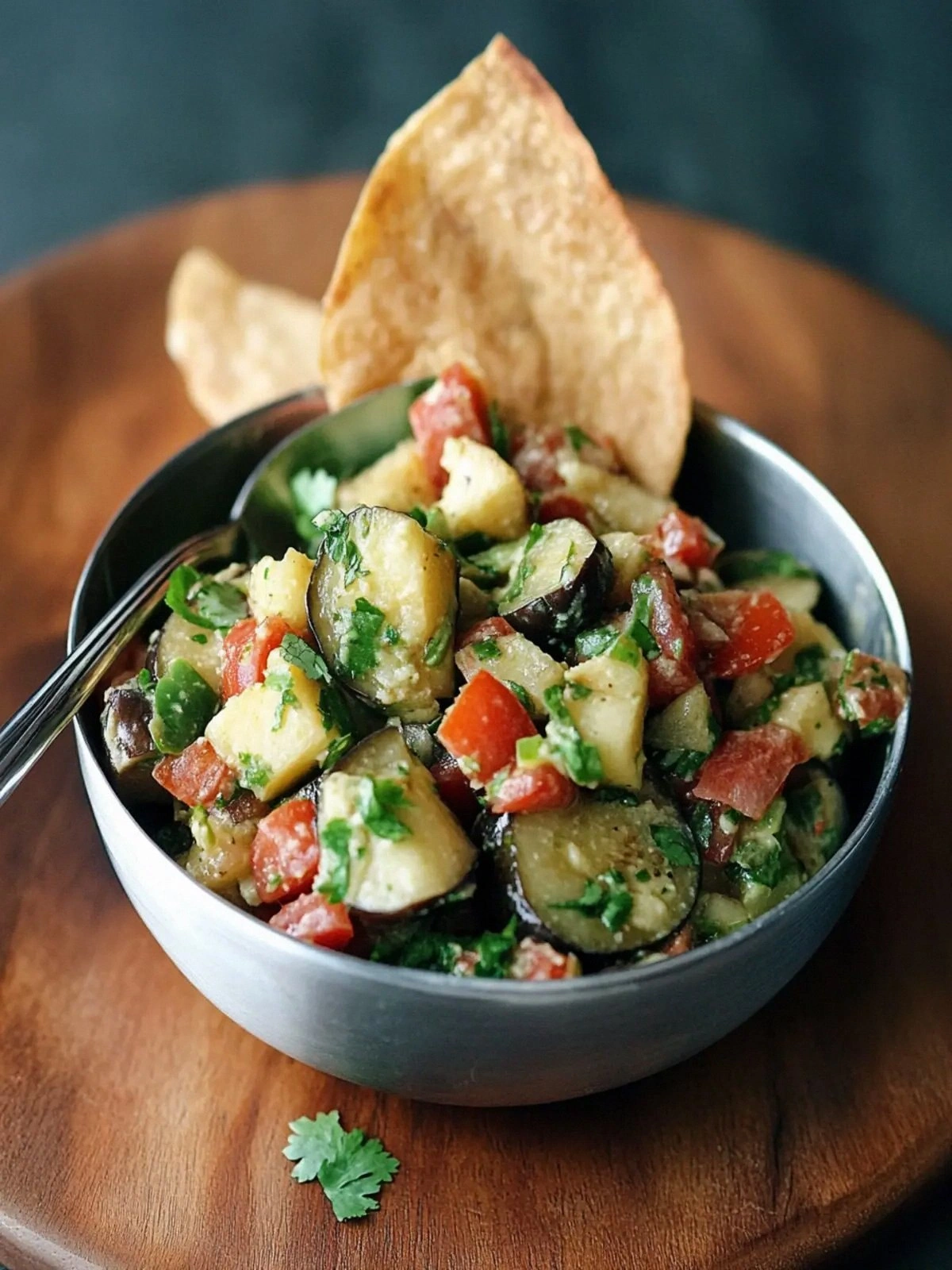
I’ve spent a lot of time thinking about how to present this dish. Some people serve it as a salad, some as a side, and some as a main course. I like to serve it in a shallow bowl, letting the tomato slices sit on top like a crown, and then sprinkle the toasted pita bits on top like confetti. The dish is so versatile that it can be served warm, at room temperature, or chilled, making it perfect for picnics, potlucks, or a quiet dinner at home. I love to pair it with a crisp white wine or a light rosé, letting the acidity of the wine echo the lemon and vinegar in the salad. The result is a dish that feels like a feast, a celebration of flavors, and a reminder that cooking can be both simple and sophisticated.
This recipe is a playground. Here are some of my favorite ways to switch things up: add roasted red pepper for a smoky twist, swap capers for anchovy fillets for a deeper umami, use smoked paprika for a subtle heat, or finish with a drizzle of honey for a sweet contrast. Each variation opens a new flavor dimension, making the dish feel fresh every time you prepare it. Whether you’re cooking for a crowd or for a single person, this dish adapts to your needs. And the best part? You can make it ahead of time, and the flavors only deepen as they rest. This is pure magic, and it’s worth every minute you spend in the kitchen.
I’ve been told that this dish is the best version of a classic that you’ll ever make at home, and I couldn’t agree more. The combination of smoky eggplant, bright lemon, and briny capers is a flavor explosion that lingers on the palate. The dish is also incredibly simple, requiring only a handful of ingredients that you likely already have in your pantry. The result is a dish that feels both comforting and adventurous, a perfect balance that will keep your guests coming back for more. And if you’re worried about the preparation, just remember that the key steps are straightforward and forgiving, so even a novice can master it.
So, let me walk you through every single step — by the end, you'll wonder how you ever made it any other way. This is your chance to create a dish that is both a tribute to Sephardic culinary heritage and a modern, vibrant masterpiece. The journey starts with the humble eggplant, and ends with a dish that feels like a celebration. Let’s dive in.
What Makes This Version Stand Out
- Flavor Depth: The smoky char from roasting the eggplant creates a caramelized sweetness that pairs beautifully with the bright acidity of lemon and vinegar. This depth turns an ordinary salad into a symphony of flavors.
- Texture Contrast: The tender eggplant cubes, crisp scallions, and crunchy toasted pita create a sensory experience that satisfies the palate with every bite.
- Ingredient Quality: Using cold‑pressed, extra‑virgin olive oil from Andalusia and fresh, locally sourced herbs elevates the dish beyond the standard recipe.
- Ease of Prep: With just a few steps, you can transform a handful of ingredients into a dish that feels restaurant‑quality.
- Versatility: It works as a starter, side, or light main course, and can be served warm, at room temperature, or chilled.
- Make‑Ahead Friendly: The flavors deepen when the dish rests, making it perfect for parties or week‑night dinners.
- Health Conscious: Low in saturated fat and high in fiber, this dish is a nutritious option that satisfies without compromising on taste.
- Presentation Appeal: The vibrant green parsley, red tomato, and golden eggplant create a visually stunning dish that looks as good as it tastes.
Inside the Ingredient List
The Flavor Base
The foundation of this dish is the smoky, caramelized eggplant. When roasted at a high temperature, the sugars in the eggplant break down, creating a sweet, almost caramel-like flavor that is the heart of the salad. This base is what makes the dish feel substantial and comforting. If you skip this step, the dish loses its depth and becomes a bland, raw vegetable salad. The key is to roast the eggplant just until it’s tender but still holds its shape, giving you that perfect balance between softness and structure.
The garlic is minced finely to release its sharp, almost citrusy aroma. It’s sautéed briefly in the olive oil, allowing its flavor to infuse the oil without burning. This step is critical because the garlic’s bitterness can overpower the dish if overcooked. A quick sauté brings out a mellow, sweet undertone that complements the eggplant’s smokiness. If you skip the garlic, you lose that essential layer of complexity.
The oregano adds a warm, earthy note that grounds the dish. It’s dried, which concentrates its flavor, and it’s added early in the cooking process so it can release its oils. The oregano’s subtle bitterness balances the sweetness of the roasted eggplant, creating a harmonious flavor profile. If you omit the oregano, the dish feels flat and less authentic to its Sephardic roots.
The Texture Crew
The scallions provide a bright, green pop that cuts through the richness of the olive oil and the sweetness of the eggplant. Their mild onion flavor adds a subtle sharpness that keeps the dish from feeling heavy. If you skip the scallions, you lose that fresh, zesty counterbalance that makes each bite exciting.
The parsley is chopped until it looks like a field of fresh, green grass. It’s the green garnish that not only adds color but also a fresh, herbaceous flavor that lifts the dish. The parsley’s peppery undertones add a subtle bite that enhances the overall flavor profile. If you omit the parsley, the salad feels less vibrant and loses some of its aromatic complexity.
The capers bring a salty, briny punch that cuts through the oil and adds a depth of flavor that is both surprising and delightful. They’re rinsed lightly to remove excess salt, ensuring they add just the right amount of brininess. If you skip the capers, the dish feels less complex and lacks that signature salty note that ties everything together.
The Unexpected Star
The tomatoes are diced into medium cubes and tossed into the salad at the end, adding a juicy, acidic burst that balances the richness of the eggplant and olive oil. Their natural sweetness and acidity make the dish feel lighter and more refreshing. If you skip the tomatoes, the dish becomes heavier and loses a key bright component.
The lemon juice is freshly squeezed, not bottled, and it cuts through the oil with a citrusy zing that wakes up the palate. The acidity from the lemon also helps to brighten the overall flavor profile, preventing the dish from feeling too heavy. If you omit the lemon juice, the salad can feel flat and lacking that necessary brightness.
The red wine vinegar adds a subtle tang that complements the lemon’s brightness while adding depth. Its acidity helps to balance the richness of the olive oil and the sweetness of the roasted eggplant. If you skip the vinegar, the dish loses a layer of complexity and feels less well-rounded.
The Final Flourish
The extra‑virgin olive oil is the backbone of the salad, coating each ingredient with a silky, peppery finish. It’s warm enough to coat the eggplant and the herbs but not so hot that it burns the garlic. The olive oil’s fruity notes elevate the dish, giving it a luxurious mouthfeel. If you skip the olive oil, the salad feels dry and lacks that silky texture that makes it so indulgent.
The toasted pita bread adds a delightful crunch that contrasts beautifully with the soft, tender eggplant. It also serves as a vessel for the salad, allowing you to scoop up each bite like a mini sandwich. The pita’s toasted flavor enhances the overall taste profile, adding a subtle nuttiness. If you skip the pita, you miss the textural contrast that makes the dish so engaging.
Everything's prepped? Good. Let's get into the real action.
The Method — Step by Step
- Prep the Eggplants: Slice the eggplants into 1‑inch cubes, then sprinkle them with kosher salt and let them rest for 15 minutes. This draws out excess moisture, preventing a soggy texture. Pat them dry with paper towels, then toss with 1/3 cup olive oil, 2 teaspoons oregano, and a pinch of pepper. Spread the cubes on a baking sheet in a single layer, and roast at 425°F for 20 minutes, turning once, until they’re golden and caramelized.
- Sauté the Aromatics: While the eggplants roast, heat 1/4 cup olive oil in a skillet over medium heat. Add 2 minced garlic cloves and sauté until fragrant, about 30 seconds. Add 0.5 cup chopped scallions and cook for another minute, just until they soften slightly. This quick sauté releases the garlic’s sweet flavor without burning it.
- Combine the Eggplant and Aromatics: Once the eggplants are done, let them cool slightly. Transfer them to a large bowl and add the sautéed garlic and scallions. Toss gently to combine, ensuring each piece is coated with the aromatic oil.
- Add Fresh Herbs: Stir in 2 cups chopped parsley and 2 tablespoons capers. The parsley’s peppery bite and the capers’ briny punch elevate the dish. Mix until all ingredients are evenly distributed.
- Acidic Brightness: Drizzle 2 tablespoons red wine vinegar, 1 tablespoon lemon juice, and 2 tablespoons extra-virgin olive oil over the mixture. Toss until the salad is evenly coated. The acidity brightens the flavors and balances the richness.
- Incorporate Tomatoes: Add 2 diced medium tomatoes, which bring a juicy, acidic burst that lightens the dish. Gently fold them in, taking care not to crush the tomatoes.
- Season: Taste and adjust with kosher salt and freshly ground pepper as needed. The seasoning should enhance, not overpower, the natural flavors.
- Toast the Pita: While the salad rests, toast slices of pita bread until golden and crisp. Cut into small cubes or strips, and set aside for serving.
- Rest and Serve: Let the salad rest for at least 10 minutes before serving. This resting period allows the flavors to meld and the olive oil to coat each ingredient. Serve the salad with the toasted pita on the side, or sprinkle the pita over the top for a bite‑size crunch.
- Optional Garnish: Finish with a drizzle of extra-virgin olive oil and a squeeze of fresh lemon for an extra burst of brightness.
That's it — you did it. But hold on, I've got a few more tricks that'll take this to another level. The next section will reveal insider tips that will help you avoid common pitfalls and elevate the dish further.
Insider Tricks for Flawless Results
The Temperature Rule Nobody Follows
Many cooks think that a low oven temperature is better for roasting eggplant, but the truth is that a high heat (425°F) is essential for that caramelized edge. The high temperature causes the sugars in the eggplant to break down rapidly, creating that sweet, smoky flavor that defines this dish. If you roast at a lower temperature, you’ll end up with a bland, water‑logged texture that feels like a disappointment. Keep the oven preheated and watch the eggplant closely; the golden edges are a sign of perfection.
Why Your Nose Knows Best
Your sense of smell is the most reliable guide during cooking. If the eggplant smells caramelized and slightly smoky, you’re on the right track. If it smells raw or burnt, you need to adjust the heat or cooking time. Trust your nose, and you’ll avoid the common mistake of over‑cooking the eggplant. The aroma is a quick, intuitive way to gauge the dish’s readiness.
The 5-Minute Rest That Changes Everything
After you combine the roasted eggplant with the aromatics, let the salad rest for at least five minutes before adding the acidic components. This brief rest allows the flavors to mingle and the olive oil to coat each piece evenly. Skipping this step can result in a salad that feels disjointed, with each component tasting isolated. The rest period is a small investment of time that pays off in flavor harmony.
Keep It Simple, Keep It Fresh
The secret to a great salad is using the freshest ingredients. The parsley should be bright green and fragrant, the tomatoes should be ripe but firm, and the capers should be rinsed to remove excess salt. Fresh ingredients bring a brightness that canned or frozen items can’t match. When you use fresh produce, the dish feels alive and vibrant.
Use the Right Olive Oil
Not all olive oils are created equal. A high‑quality, cold‑pressed extra‑virgin olive oil from Andalusia brings a peppery, fruity finish that elevates the dish. Avoid light or refined oils, which lack the depth of flavor and can make the salad taste flat. The right olive oil is the backbone of this recipe, giving it that silky texture and rich finish.
Creative Twists and Variations
This recipe is a playground. Here are some of my favorite ways to switch things up:
Roasted Red Pepper Medley
Add roasted red pepper strips for a smoky, sweet twist that deepens the color palette. The pepper’s natural sweetness balances the saltiness of the capers and the acidity of the lemon. This variation is perfect for a fall or winter gathering, adding a seasonal touch.
Anchovy Fillet Substitution
Swap capers for finely chopped anchovy fillets to introduce a deeper umami flavor. Anchovies bring a savory richness that complements the eggplant’s sweetness. This version is ideal for those who love bold, fishy notes.
Smoked Paprika Infusion
Stir in a teaspoon of smoked paprika for a subtle heat and smoky depth. The paprika’s earthy flavor enhances the roasted eggplant’s caramelization. It’s a great way to add a touch of warmth without overwhelming the dish.
Honey Drizzle Finale
Finish the salad with a light drizzle of honey to add a sweet contrast that balances the acidity. Honey also gives a glossy sheen to the dish, making it look even more appetizing. This variation works well for brunch or a light lunch.
Quinoa Boost
Stir in a cup of cooked quinoa for a protein boost and a nutty texture. Quinoa’s subtle flavor complements the herbs and adds a satisfying bite. This version is great for a vegetarian main course.
Spicy Sriracha Splash
Add a splash of sriracha for a kick of heat that pairs well with the lemon’s brightness. The sriracha’s sweet and spicy profile adds a modern twist to the classic dish. It’s a fun way to elevate the salad for a casual dinner party.
Storing and Bringing It Back to Life
Fridge Storage
Store the salad in an airtight container in the refrigerator for up to 3 days. The flavors will continue to develop, giving you a dish that’s even more vibrant. Keep the toasted pita separate in a dry container until ready to serve to preserve its crunch.
Freezer Friendly
You can freeze the salad for up to 2 weeks. Place it in a freezer‑safe container, and when ready to use, thaw in the refrigerator overnight. The texture may soften slightly, but the flavor remains robust.
Best Reheating Method
To reheat, gently warm the salad in a skillet over low heat, stirring occasionally. Add a tiny splash of water or a few drops of olive oil to keep it moist. This steaming technique revives the dish’s freshness and prevents it from drying out.