Picture this: a quiet Sunday afternoon, the kitchen humming with the gentle clatter of pans and the distant hum of the fridge. I was in the midst of a culinary experiment, flipping a batch of battered chicken that had just turned a perfect golden brown when the stove alarm blared, a shrill reminder that the oven was still on. I stared at the clock, heart racing, as the smoke alarm started its own frantic symphony. I swore I would never again let a kitchen disaster dictate my dinner plans. That night, I found myself reaching for a recipe that would change everything—Sesame Chicken. This is not just another takeout replica; it’s the ultimate, hands‑down version that will have your taste buds dancing and your friends begging for the recipe. The secret? A blend of simple pantry staples and a few unexpected twists that elevate the dish from ordinary to unforgettable.
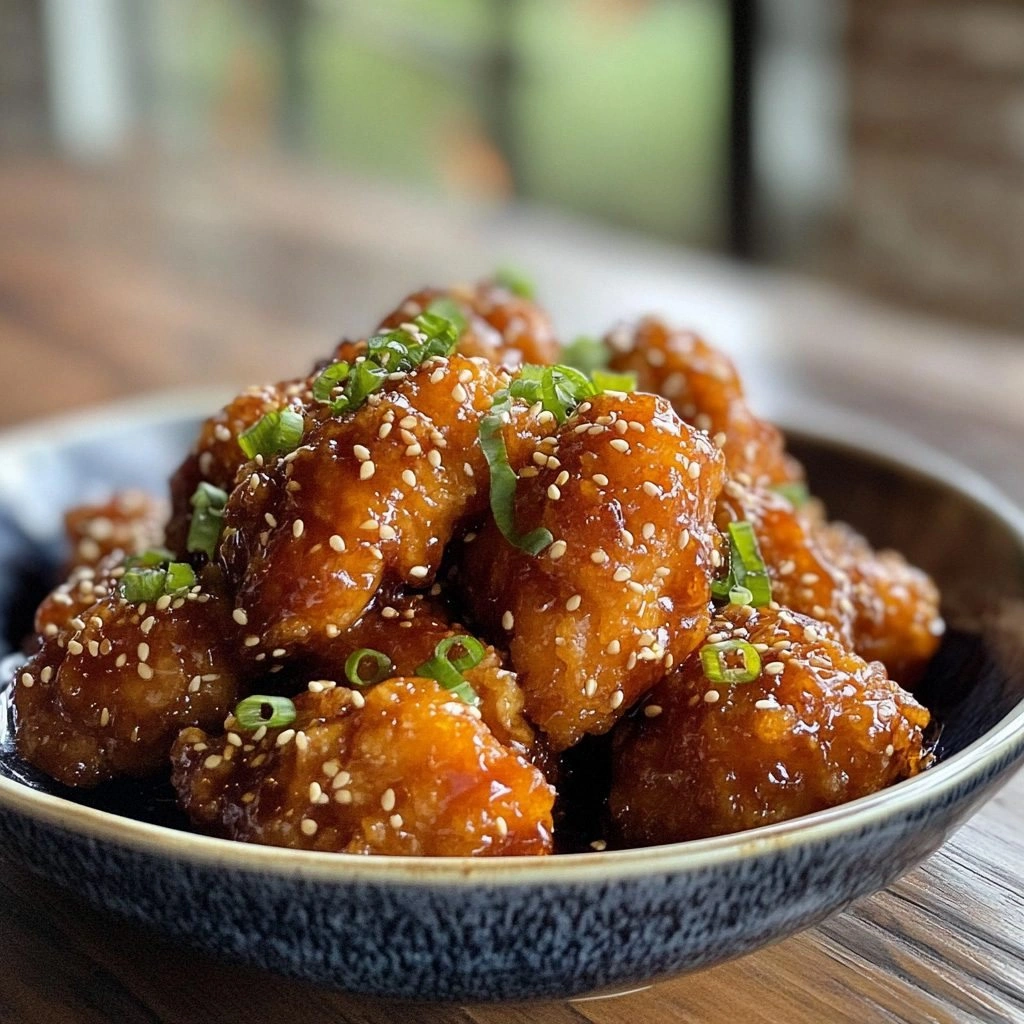
The moment the first bite lands on your tongue, you’ll feel a cascade of flavors: the sweet whisper of honey, the umami depth of soy sauce, the subtle zing of ginger, and the nutty crunch of toasted sesame seeds. The batter clings to the chicken like a protective shell, crisping to a golden‑brown finish that shatters like thin ice when you bite. The sauce, thick and glossy, coats the pieces like velvet, leaving a lingering, savory aftertaste that makes you reach for a second helping. I dare you to taste this and not go back for seconds. If you’ve ever struggled with the balance of sweet and savory in a stir‑fry, you’re not alone—this recipe is the fix you’ve been waiting for.
What makes this version stand out is that it’s crafted from the ground up, not just a copy‑paste of a generic recipe. Every ingredient has been chosen for its role, from the subtle lift of baking powder in the batter to the aromatic punch of fresh ginger. The technique is designed to be foolproof: the batter is a quick, no‑flour‑mix, no‑batter‑overmix approach that ensures a tender interior while delivering a crisp exterior. The sauce is reduced to a silky glaze that sticks without weighing down the chicken. And the finish? A generous sprinkle of toasted sesame seeds that adds that final pop of crunch and a nutty aroma that lingers long after the plate is cleared.
Picture yourself pulling this out of the oven, the whole kitchen smelling incredible, the steam rising like a cloud of anticipation. You’ll see the golden, caramelized edges glistening in the light, the sauce shimmering on the surface, and the sesame seeds glinting like tiny stars. This is the moment that makes all the effort worth it. Let me walk you through every single step — by the end, you’ll wonder how you ever made it any other way.
What Makes This Version Stand Out
- Flavor: The sauce balances sweet, salty, and umami in a way that coats every bite without overpowering the chicken’s natural flavor.
- Texture: The batter’s lightness keeps the interior tender while the exterior crisps to a satisfying crunch.
- Simplicity: With fewer than ten pantry staples, you can whip up this dish in under 45 minutes.
- Uniqueness: The addition of fresh ginger and toasted sesame seeds gives it a distinct, restaurant‑grade finish.
- Crowd Reaction: Friends and family often ask for the recipe after the first bite—this dish is guaranteed to impress.
- Make‑ahead Potential: The chicken can be prepared ahead, and the sauce can be reheated without losing its glossy sheen.
Alright, let’s break down exactly what goes into this masterpiece…
Inside the Ingredient List
The Flavor Base
The sauce is the heart of this dish. A blend of soy sauce, rice vinegar, honey, and sesame oil creates a complex flavor profile that coats the chicken with a glossy sheen. The soy sauce provides umami and saltiness, while the rice vinegar cuts through the sweetness, preventing it from becoming cloying. Honey adds a natural sweetness that caramelizes slightly during cooking, giving the dish a subtle, caramelized finish. Sesame oil, on the other hand, imparts a nutty aroma that lingers long after the meal is over. If you’re craving a slightly spicier kick, a pinch of chili flakes can be added without compromising the balance.
The Texture Crew
The batter is where the magic happens. All-purpose flour is combined with baking powder and a touch of salt to create a light, airy coating that crisps beautifully in the pan. The buttermilk and egg act as binders, ensuring the batter adheres to the chicken without forming a heavy crust. A small amount of cornstarch is added to the sauce to thicken it into a glaze that clings to each piece. The sesame seeds, toasted to a golden brown, add a satisfying crunch and a nutty depth that complements the sauce. The final touch is the green onions, which add a fresh, crisp bite that balances the richness of the sauce.
The Unexpected Star
Fresh ginger is the unsung hero of this dish. It brings a bright, peppery heat that cuts through the sweetness and adds a subtle warmth that lingers on the palate. Ginger is also known for its anti‑inflammatory properties, making this dish a little healthier than it first appears. If you can’t find fresh ginger, a teaspoon of ground ginger works, but the flavor will be slightly less vibrant. The garlic, minced finely, provides a savory backbone that enriches the sauce without overwhelming the other flavors.
The Final Flourish
The vegetables—bell pepper, broccoli, and carrots—add color, crunch, and nutrition. They’re lightly sautéed to retain their vibrant hues and slightly crisp texture. The green onions, added at the end, provide a fresh, sharp contrast to the rich sauce. Finally, the toasted sesame seeds finish the dish with a nutty crunch and an aromatic finish that ties all the flavors together. This final flourish ensures the dish is not just delicious, but also visually stunning.
Everything’s prepped? Good. Let’s get into the real action…
The Method — Step by Step
- Prepare the Batter: In a medium bowl, whisk together 1 ½ cups all-purpose flour, ½ tsp baking powder, and 1 tsp salt. In a separate bowl, beat 1 egg and 1 cup buttermilk until fully blended. Combine the wet and dry ingredients, stirring just until the batter is smooth—do not overmix. This will keep the coating light and airy. The batter should be thick enough to coat the chicken but thin enough to slip between the pieces.
- Season the Chicken: Pat 1 lb of boneless, skinless chicken breasts into 1 ½‑inch cubes. Toss the cubes in 1 tsp black pepper and 1 tsp salt, then dredge them in the prepared batter, shaking off excess. The batter should cling to each piece like a protective shell. The moment the batter hits the chicken, you’ll hear a satisfying crackle.
- Pan‑Fry the Chicken: Heat 2 tbsp vegetable oil in a large skillet over medium‑high heat. Once the oil shimmers, add the battered chicken in a single layer, cooking 3‑4 minutes per side until golden brown and cooked through. The edges should start pulling away from the pan, indicating a crisp exterior. Flip the pieces carefully with tongs to avoid breaking the coating. When done, transfer the chicken to a paper‑towel‑lined plate to drain excess oil.
- Make the Sauce: In a small saucepan, combine 1 tbsp soy sauce, 1 tbsp rice vinegar, 2 tbsp honey, 1 tbsp sesame oil, 2 minced garlic cloves, and 1 tsp grated ginger. Bring to a gentle simmer over medium heat, stirring frequently. The mixture should thicken slightly and develop a glossy sheen. This is the moment of truth—if the sauce is too thin, add 1 tbsp cornstarch dissolved in 2 tbsp water and stir until it reaches a glaze consistency.
- Add Vegetables: Reduce the heat to medium‑low and add 1 cup sliced bell pepper, 1 cup broccoli florets, and 1 cup sliced carrots to the pan. Stir-fry for 3 minutes until the vegetables are tender‑crisp. The vegetables should retain their vibrant color and a slight crunch. This step ensures a balanced dish with both protein and veggies.
- Combine Chicken and Sauce: Return the fried chicken to the pan, pouring the glaze over the top. Toss gently to coat each piece evenly. Let everything simmer together for 2 minutes, allowing the sauce to thicken further and the flavors to meld. The aroma should be intoxicating, a blend of sweet, savory, and nutty notes.
- Finish with Sesame Seeds: Sprinkle 2 tbsp toasted sesame seeds and ¼ cup sliced green onions over the dish. Toss once more to distribute the seeds evenly. The sesame seeds add a final crunch and a nutty aroma that elevates the dish to restaurant‑quality.
- Serve: Plate the chicken and vegetables over a bed of 1 cup cooked jasmine rice. Drizzle any remaining sauce over the rice for extra flavor. The dish should look glossy and vibrant, with a satisfying crunch from the coating and a burst of color from the vegetables.
- Optional Garnish: For an extra kick, sprinkle a pinch of chili flakes or a drizzle of sriracha. This adds a subtle heat that balances the sweetness.
That’s it — you did it. But hold on, I’ve got a few more tricks that will take this to another level.
Insider Tricks for Flawless Results
The Temperature Rule Nobody Follows
Many cooks assume that a higher heat is always better for frying. In reality, a moderate temperature of 350°F (175°C) is ideal for achieving a crisp coating without burning the batter. If the oil is too hot, the outside will brown quickly while the inside remains undercooked. Use a thermometer or the water droplet test—drop a small drop of batter into the oil; if it sizzles and rises to the surface, the oil is ready.
Why Your Nose Knows Best
Before adding the sauce, give it a quick sniff. The aroma of toasted sesame oil and soy sauce should be unmistakably rich. If it smells too sharp, reduce the soy sauce slightly. Your nose is the ultimate judge of balance; trust it over the clock.
The 5-Minute Rest That Changes Everything
After frying the chicken, let it rest on a wire rack for 5 minutes. This allows the excess oil to drip off and keeps the coating crisp. I once let the chicken sit on a paper towel for 10 minutes and ended up with soggy edges—lesson learned.
The Quick Toast for Sesame Seeds
Toast sesame seeds in a dry skillet over medium heat until they turn golden and fragrant. This step releases their oils and enhances their nutty flavor. If you skip this, the seeds will taste raw and lack depth.
The Perfect Rice Pairing
Cook jasmine rice with a splash of sesame oil and a pinch of salt; this adds a subtle nutty aroma that complements the chicken. Avoid overcooking the rice—fluffy grains retain their texture and absorb the sauce beautifully.
Creative Twists and Variations
This recipe is a playground. Here are some of my favorite ways to switch things up:
Asian Fusion Twist
Swap the jasmine rice for cauliflower rice and add a splash of sriracha to the sauce for a spicy, low‑carb version. The cauliflower adds a subtle earthiness that pairs well with the sesame flavor.
Mediterranean Flair
Replace soy sauce with tamari, add a handful of chopped olives, and sprinkle feta cheese on top before serving. The salty olives and creamy feta create a Mediterranean twist that’s both bold and comforting.
Breakfast Bites
Serve the chicken over scrambled eggs instead of rice for a protein-packed breakfast. Add a dash of smoked paprika to the batter for a smoky undertone that complements the savory sauce.
Vegan Version
Use tofu cubes instead of chicken, and replace the buttermilk with almond milk. Coat the tofu in a chickpea flour batter for a crispy, plant‑based alternative.
Sweet & Smoky Variation
Add a tablespoon of maple syrup to the sauce and sprinkle smoked paprika over the batter before frying. This gives the dish a subtle sweetness and a smoky depth that’s irresistible.
Storing and Bringing It Back to Life
Fridge Storage
Store the cooked chicken and sauce separately in airtight containers. The chicken can be kept in the fridge for up to 4 days, and the sauce for up to 3 days. When you’re ready to serve, reheat the chicken in a skillet over medium heat until warmed through, then drizzle the sauce on top.
Freezer Friendly
Freeze the chicken and sauce in separate freezer‑safe bags for up to 2 months. Thaw overnight in the fridge, then reheat on the stove. The texture remains crisp, and the sauce retains its glossy finish.
Best Reheating Method
When reheating, add a tiny splash of water or chicken broth to the pan; this steams the chicken gently and prevents the sauce from drying out. Heat over medium-low, stirring frequently until the sauce reaches a simmer.