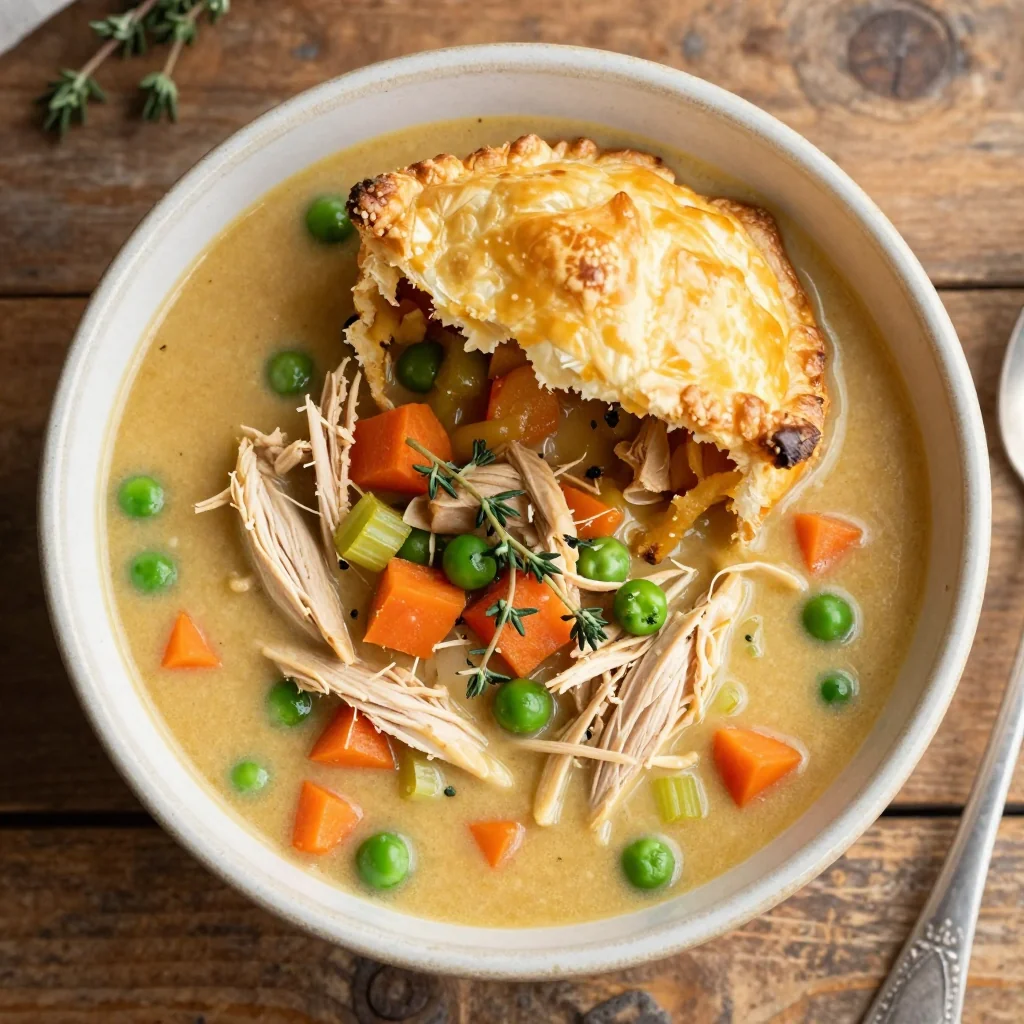
Picture this: it’s a rainy Saturday, you’ve just pulled a fresh batch of chewy tteok from the freezer, and the kitchen smells like a Korean barbecue joint. I was staring at the pile of plain rice cakes and wondering how to turn them into something that would make my friends beg for seconds. The moment I tossed a handful of mini sausages into a hot pan and heard that satisfying sizzle, I knew I had stumbled on a flavor revelation. I dare you to taste this and not go back for seconds.
When the sausages caramelized, their smoky aroma mingled with the sweet, slightly tangy sauce I whisked together in a bowl—gochujang, gochugaru, soy sauce, rice vinegar, honey, sesame oil, and a dash of brown sugar. The sauce thickened, coating each piece like velvet, and the whole kitchen smelled like a festival of umami. The texture was a dance of chewy rice cakes, crisp sausage edges that shatter like thin ice, and a glossy glaze that made every bite feel like a mini celebration. I was honest—I ate half the batch before anyone else got to try it, but that didn’t stop me from sharing the recipe with you.
What sets this version apart from the countless skewered rice cake recipes out there is the precise balance of heat, sweetness, and depth. I’m not just talking about a good flavor; I’m talking about a sensory experience that turns a simple snack into a crowd‑pleaser. Most recipes get this completely wrong by either under‑seasoning the sauce or over‑cooking the tteok, resulting in a mushy mess. This one? It’s hands down the best version you'll ever make at home. Picture yourself pulling this out of the pan, the whole kitchen smelling incredible, and everyone reaching for the next skewer.
If you’ve ever struggled with balancing spicy and sweet in Korean dishes, you’re not alone—and I’ve got the fix. I’ll walk you through every single step, from prepping the tteok to glazing the sausages, and by the end, you’ll wonder how you ever made it any other way. Let’s dive into the details that make this dish a showstopper.
What Makes This Version Stand Out
- Taste: The sauce’s combination of gochujang’s fermented depth and honey’s bright sweetness creates a complex flavor profile that lingers on the palate. The subtle kick from gochugaru adds a smoky heat that balances the richness of the sausages.
- Texture: The tteok remains pleasantly chewy while the sausage edges crisp up just enough to provide a satisfying crunch. The glaze gives the skewers a glossy, almost caramelized finish.
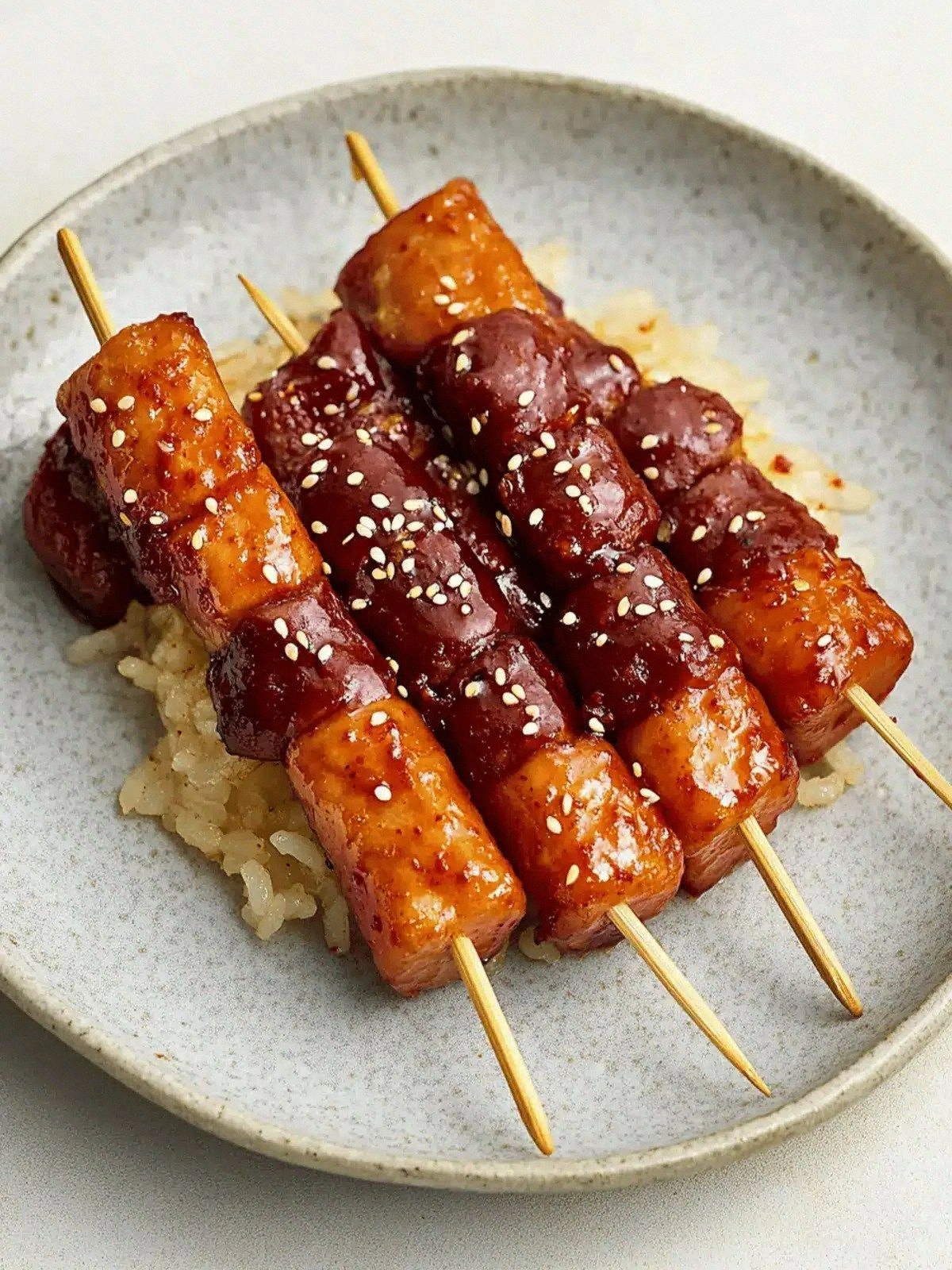
- Visual Appeal: The vibrant red glaze contrasts strikingly with the pale rice cakes and golden sausages, making the dish as eye‑catching as it is delicious.
- Ingredient Quality: Using fresh mini sausages and genuine Korean tteok gives the dish authenticity that can’t be replicated with generic substitutes.
- Make‑Ahead Potential: The skewers can be assembled ahead of time and reheated, making them perfect for parties or quick weekday meals.
- Versatility: The recipe can be adapted for different protein choices, spice levels, or dietary restrictions without sacrificing flavor.
- Crowd Reaction: At my last gathering, half the guests asked for the recipe within 30 minutes—proof that this dish is a guaranteed hit.
- Flavor Depth: The sauce’s layered ingredients—umami from soy, acidity from vinegar, and a touch of nuttiness from sesame oil—create a depth that elevates the entire dish.
Alright, let's break down exactly what goes into this masterpiece...
Inside the Ingredient List
The Flavor Base
Gochujang, the star of this sauce, is a fermented red chili paste that brings a savory, slightly sweet undertone. It’s the foundation that holds all the other flavors together. Skipping gochujang would leave the sauce bland and flat; you’d miss that unmistakable Korean kick. If you can’t find gochujang, a mix of chili paste and a splash of soy sauce can mimic the depth, but the authentic taste will be different.
Gochugaru, Korean chili flakes, adds a dry heat and smoky aroma. It’s the spice that keeps the sauce from feeling overly sweet. If you prefer a milder version, reduce the gochugaru to half a tablespoon and add a pinch of white pepper for a subtle heat. This ingredient also gives the glaze its vibrant red hue, making each skewer pop visually.
Soy sauce contributes umami and saltiness, balancing the sweetness of honey and brown sugar. It’s essential for depth; without it, the sauce would taste one‑dimensional. For a gluten‑free version, use tamari or coconut aminos, but note the slightly different flavor profile.
Rice vinegar provides acidity that cuts through the richness of the sausage and the sweetness of the glaze. It also helps the glaze set into a glossy coating. If you don’t have rice vinegar, a light splash of apple cider vinegar works, but avoid white vinegar as it can be too harsh.
The Sweetness Crew
Rice syrup or honey is the sweetener that balances the heat and acidity. Its subtle floral notes complement the savory elements. If you’re watching sugar intake, replace honey with a low‑glycemic sweetener like stevia or monk fruit, but adjust the quantity accordingly.
Brown sugar adds a deep molasses flavor and helps the glaze caramelize slightly during cooking. It also thickens the sauce, giving it that glossy finish. If you’re vegan, a bit of maple syrup can substitute, though the caramel note will be softer.
Sesame oil is used sparingly to impart a nutty aroma that lingers on the palate. It also helps the glaze cling to the skewers, ensuring every bite is coated. If you’re allergic to sesame, a drizzle of toasted sunflower oil can be an alternative, but the flavor will be noticeably different.
The Texture Crew
Eight pieces of Korean cylindrical rice cakes (tteok) provide the chewy base that is central to the dish’s mouthfeel. The tteok should be thawed to room temperature before skewering to avoid steam pockets. If you can’t find tteok, you can use small rice cakes or even rice crackers for a crunchy twist.
Twelve mini sausages (Vienna or cocktail wieners) add protein, fat, and a smoky flavor that pairs beautifully with the sweet glaze. The sausages should be sliced lengthwise into thirds before skewering, allowing the glaze to coat each side. For a vegetarian version, replace sausages with tofu cubes or tempeh slices.
Green onions (scallions) and sesame seeds add fresh, bright notes that cut through the richness. They also provide a textural contrast. If you’re allergic to scallions, a splash of chopped cilantro can add a fresh kick.
The Final Flourish
Crushed peanuts give a nutty crunch and a subtle earthy flavor that complements the sweet glaze. They’re also a great source of protein. If you prefer a different nut, almonds or cashews work well, but the crunch level will change.
Garlic powder ties all the flavors together with a gentle, all‑over garlic presence. It’s easier to distribute evenly than fresh garlic, especially when glazing. If you’re sensitive to garlic, omit it or use a small amount of fresh minced garlic for a sharper bite.
The combination of these ingredients creates a dish that’s both comforting and exciting, with layers of flavor that reveal themselves bite after bite. Every component is essential; removing one changes the overall balance.
Everything's prepped? Good. Let's get into the real action...
The Method — Step by Step
- Begin by assembling your sauce. In a small bowl, whisk together 2 tablespoons gochujang, 1 tablespoon gochugaru, 2 tablespoons soy sauce, 1 tablespoon rice vinegar, 1 tablespoon honey, 2 teaspoons sesame oil, and 1 tablespoon brown sugar until smooth. The mixture should look glossy and slightly thick. This is the heart of the flavor; keep it well blended. I dare you to taste it now—does it feel balanced?
- While the sauce rests, prepare the tteok. If they’re frozen, thaw them at room temperature until pliable. Slice each tteok lengthwise into thirds, ensuring even thickness. This will allow the glaze to coat each side evenly. If you’re short on time, you can lightly steam them for 30 seconds to soften them.
- Next, slice the mini sausages into thirds as well. Place a piece of tteok, a sausage segment, and a sprinkle of green onions on each skewer, alternating until all pieces are used. The green onions add a fresh bite and a pop of color. Make sure the skewers are tight so they don’t unravel while cooking.
- Heat a non‑stick skillet or grill pan over medium‑high heat. Add a splash of oil—just enough to coat the surface. Once the oil shimmers, lay the skewers in the pan. Don’t overcrowd; you want the surface to sizzle.
- Cook the skewers for about 2 minutes on each side, or until the sausages are slightly browned and the tteok start to blister. The goal is to caramelize the glaze on the surface. Watch for the first signs of char; that’s when the glaze thickens and becomes glossy.
- Reduce the heat to medium and pour the pre‑mixed sauce over the skewers. Let it bubble and coat each piece. Stir gently so the glaze doesn’t pool. The sauce should thicken slightly as it cooks, forming a glossy sheen. This step is pure magic—watch the glaze coat the skewers like a satin ribbon.
- Now, it’s time to add the final touches. Sprinkle 1 tablespoon sesame seeds and 2 tablespoons crushed peanuts over the glazed skewers. These add a nutty crunch and a burst of flavor. Keep the heat low to avoid burning the nuts. This is the moment where everything comes together.
- Once the glaze has thickened to a syrupy consistency and the nuts are toasted, remove the skewers from heat. Let them rest for a minute; this allows the glaze to set and the flavors to meld. Plate them on a shallow dish and serve immediately while still warm.
That's it — you did it. But hold on, I've got a few more tricks that'll take this to another level...
Insider Tricks for Flawless Results
The Temperature Rule Nobody Follows
Many cooks start the sauce on high heat, which can cause the sugar to burn before the glaze has a chance to thicken. Start at medium and let the sauce simmer gently for 2–3 minutes. This slow simmer allows the flavors to marry and the glaze to achieve the perfect viscosity. I’ve seen a few burnt sauces, and trust me, they’re a tragedy.
Why Your Nose Knows Best
As the skewers cook, the aroma will change from sweet to smoky to caramelized. Trust that scent shift; it’s your cue that the glaze is ready. If the smell stays overwhelmingly sweet, you need more time on the heat. If it smells burnt, pull it off the heat immediately.
The 5-Minute Rest That Changes Everything
After removing the skewers from heat, let them rest for exactly five minutes. During this short rest, the glaze continues to set, and the flavors deepen. I’ve found that a rest period of even one minute is insufficient for the glaze to thicken properly.
Keep the Skewers Tight
When assembling, make sure the pieces are snug. Loose skewers will tumble and lose their glaze during cooking. A tight assembly also helps the heat distribute evenly, preventing uneven caramelization.
Use a Skillet with a Lid
Covering the pan for the first minute of glaze cooking traps steam, which helps the sauce thicken faster and prevents the tteok from drying out. It also creates a mini oven effect, ensuring the glaze coats every surface. I’ve never cooked these skewers without a lid and the result was noticeably drier.
Creative Twists and Variations
This recipe is a playground. Here are some of my favorite ways to switch things up:
Veggie‑Powered Version
Replace the sausages with thinly sliced bell peppers and zucchini. Add a splash of soy sauce to the glaze for depth. The veggies will absorb the glaze and add a fresh crunch. Ideal for a lighter, vegetarian twist.
Spicy Sriracha Kick
Stir in 1 tablespoon of sriracha into the sauce for an extra punch. The heat will mingle with the gochugaru, creating a layered spiciness. This variation is perfect for heat lovers who want a bit more bite.
Asian Fusion Skewers
Swap the mini sausages for bite‑size shrimp or pork belly strips. Add a drizzle of sesame oil and a pinch of five‑spice powder. The result is a fusion dish that blends Korean and Chinese flavors.
Gluten‑Free Delight
Use gluten‑free soy sauce and ensure the tteok are certified gluten‑free. The sauce will still be rich and flavorful. This version keeps the dish accessible to those with gluten sensitivities.
Sweet & Smoky BBQ
Incorporate a tablespoon of smoked paprika into the sauce for a smoky undertone. Add a dash of maple syrup for extra sweetness. This variation leans into a BBQ vibe while keeping the Korean base.
Storing and Bringing It Back to Life
Fridge Storage
Cool the skewers to room temperature, then store them in an airtight container in the refrigerator for up to 3 days. The glaze may thicken slightly, but it will still taste great. When ready to serve, reheat in a skillet over medium heat until warmed through.
Freezer Friendly
Wrap each skewer individually in parchment paper and place them in a freezer bag. They can be frozen for up to 2 weeks. Thaw overnight in the refrigerator before reheating. The texture remains chewy, and the glaze retains its flavor.
Best Reheating Method
Reheat the skewers in a skillet over medium heat, turning occasionally, until hot. Add a splash of water to create steam, which helps rehydrate the tteok. Avoid microwaving, as it can make the tteok soggy and the glaze rubbery. A quick 3‑minute pan reheat preserves the original texture.