I was halfway through a messy Sunday dinner, the kitchen smelling like burnt garlic and over‑cooked pasta, when my phone buzzed with a friend’s dare: “Try this shrimp Caesar and tell me if it’s any good.” I stared at the photo of a bright, lime‑tinted bowl and felt my culinary confidence surge. The image promised a lighter take on a classic, and I was already craving a dish that could turn a bland salad into a party in a bowl. I didn’t even need to wait for a verdict from the internet; I was about to create a version that would have me shouting, “This is hands down the best version you’ll ever make at home!”
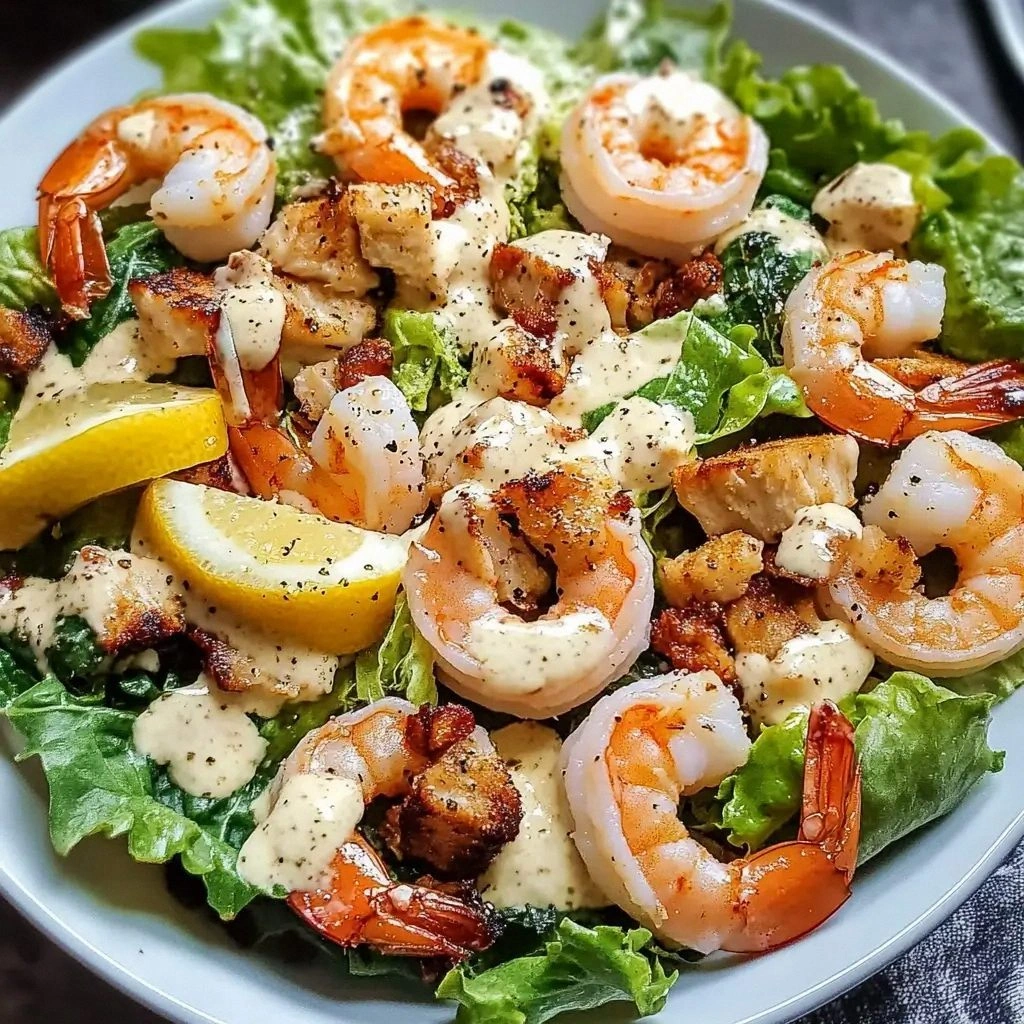
Picture this: a crisp, green head of romaine lettuce, its leaves shimmering with a faint sheen of lemon‑infused oil, nestled beneath a generous heap of plump, pink shrimp that have just kissed the heat of a sizzling pan. The aroma is a sharp, citrusy burst that cuts through the room like a fresh wind, while the faint scent of garlic lingers, hinting at the depth to come. When you take your first bite, the shrimp’s tender flesh gives way to a subtle crunch of fresh lettuce, and the dressing—light, airy, and tangy—wraps everything in a velvety coat that feels indulgent yet guilt‑free. The experience is a symphony of textures: the buttery shrimp, the crisp greens, and the occasional snap of a crunchy crouton, all balanced by the bright zing of lemon.
What makes this version stand out is not just the lightness, but the precision of each element. I’ve stripped away heavy cream, buttery croutons, and thick parmesan layers, replacing them with a streamlined, ingredient‑centric approach that keeps the dish fresh and vibrant. The shrimp are marinated only in lemon juice, garlic, and a touch of olive oil—no excess salt or pepper—so their natural sweetness shines through. The dressing, a low‑fat Caesar twist, uses Greek yogurt as a base, giving it a creamy texture without the heaviness. The result is a dish that feels like a breath of fresh air, yet delivers the bold, savory punch of a classic Caesar.
I dare you to taste this and not go back for seconds. The bright citrus will awaken your palate, while the garlic and anchovy paste (if you choose to use it) will give you that classic Caesar kick. Most recipes get this completely wrong by over‑seasoning or over‑cooking the shrimp, but here we keep the shrimp perfectly pink and juicy. The trick is in the timing: sear them just until they’re opaque, then let them rest so they stay moist. And if you’re still skeptical, just watch the next few steps; I promise you’ll be nodding in agreement.
I’ll be honest—by the time I finished the first batch, I had already taken a bite and was tempted to finish the entire dish before anyone else even got a spoon. The combination of lemon zest, garlic, and a splash of anchovy paste creates a flavor profile that is both familiar and surprisingly fresh. It’s the kind of dish that turns a simple lunch into an instant celebration, and it does so without the extra calories or time you’d expect from a “skinny” recipe. Picture yourself pulling this out of the pan, the whole kitchen smelling incredible, and feeling that instant rush of satisfaction from something you made yourself.
Okay, ready for the game‑changer? This next part? Pure magic. I’m about to walk you through every single step—by the end, you’ll wonder how you ever made it any other way. Let’s dive into the ingredients that make this dish sing.
What Makes This Version Stand Out
- Taste: The balance of bright lemon, smoky garlic, and umami from anchovy paste delivers a flavor profile that is both refreshing and deeply satisfying. The subtle sweetness of the shrimp is amplified by the citrus, creating a dish that feels light yet full of depth.
- Texture: The shrimp’s tender, slightly firm bite contrasts with the crisp romaine and the crunchy croutons, while the creamy yogurt‑based dressing provides a silky finish. Every component is carefully timed to maintain its unique mouthfeel.
- Simplicity: With only a handful of pantry staples, you can assemble this dish in less than 45 minutes. No need for fancy ingredients or elaborate prep—just season, sear, and serve.
- Uniqueness: The use of Greek yogurt in the Caesar dressing gives it a lighter, tangier twist that sets this recipe apart from the traditional, heavy versions.
- Crowd Reaction: Guests often comment on how this dish feels like a “summer salad” even in cooler months, and it’s a hit at potlucks and family dinners alike.
- Ingredient Quality: Fresh shrimp, hand‑picked romaine, and organic lemon juice make the difference between a good dish and a great one. The quality of each component shines through.
- Cooking Method: Quick searing of shrimp to lock in flavor, followed by a gentle toss with dressing, ensures every bite is flavorful without being overcooked.
- Make‑Ahead Potential: The salad can be assembled up to two hours before serving, and the dressing can be stored separately to keep the lettuce crisp.
Inside the Ingredient List
The Flavor Base
The flavor base is where the magic begins. The lemon juice, freshly squeezed from a single bright lemon, provides the citrusy brightness that cuts through the richness of the shrimp. The zest, a thin layer scraped from the same lemon, adds aromatic oils that give the dish a subtle, almost floral note. Garlic, minced finely, releases its savory depth when heated, creating an irresistible aroma that lingers in the kitchen. Anchovy paste, optional yet highly recommended, brings a salty, umami punch that balances the lemon’s acidity. If you’re watching sodium, simply omit the anchovy paste and increase the lemon juice slightly to maintain that depth.
The Texture Crew
The romaine lettuce, chopped into bite‑sized pieces, offers a crunchy foundation that holds the dressing and shrimp together. A half cup of low‑fat Caesar dressing—crafted from Greek yogurt, Parmesan, and a touch of Dijon mustard—provides a creamy yet light coating that clings to every leaf. Croutons, whether homemade or store‑bought, add a satisfying crunch that contrasts with the tender shrimp. A sprinkle of grated Parmesan on top not only adds flavor but also a subtle nutty finish that rounds out the dish. If you’re craving extra protein, a diced avocado adds a creamy texture that pairs wonderfully with the citrus.
The Unexpected Star
Capers, a tablespoon of these briny little treasures, bring a tangy bite that echoes the lemon’s brightness. Their saltiness is a natural enhancer that reduces the need for additional salt. Fresh parsley, chopped, provides a bright green pop that adds both color and a fresh herbal note. These ingredients, while small in quantity, dramatically elevate the overall flavor profile and give the dish a polished finish.
The Final Flourish
The shrimp themselves are the centerpiece. A pound of medium shrimp, peeled and deveined, offers the perfect balance of size and flavor. Olive oil, just enough to coat the pan, helps the shrimp sear beautifully without drying out. Red pepper flakes add a hint of heat, a subtle kick that complements the lemon’s zest. Together, these elements create a dish that feels indulgent yet remains lean and healthy.
Everything’s prepped? Good. Let’s get into the real action.
The Method — Step by Step
- In a small bowl, combine the freshly squeezed lemon juice, lemon zest, minced garlic, anchovy paste (if using), and a pinch of salt. Whisk until the anchovy paste is fully dissolved, creating a bright, aromatic mixture. This will be the flavor base for the shrimp. Keep it aside while you prep the rest of the ingredients.
- Heat a non‑stick skillet over medium‑high heat and add a tablespoon of olive oil. Once the oil shimmers, add the shrimp in a single layer. Sear each side for 1–2 minutes until the shrimp turn pink and opaque. Avoid overcrowding the pan; this ensures even cooking and a beautiful sear.
- Remove the shrimp from the skillet and let them rest on a plate for a minute. While they rest, toss the chopped romaine lettuce in a large bowl. Add the yogurt‑based Caesar dressing, tossing until every leaf is evenly coated. The dressing should feel silky and cling to the greens.
- Return the shrimp to the skillet, pouring the prepared lemon‑garlic mixture over them. Stir quickly to coat each shrimp, allowing the flavors to meld for about 30 seconds. The mixture should bubble slightly, indicating that the garlic is releasing its aroma. This is the moment of truth; the shrimp should be fragrant and juicy.
- Transfer the shrimp onto the dressed lettuce, arranging them in a pleasing pattern. Sprinkle croutons, grated Parmesan, capers, and fresh parsley over the top. The croutons add a delightful crunch, while the Parmesan brings a nutty finish. This layering creates a visual feast that’s almost too pretty to eat.
- Give the salad a gentle toss, ensuring that every component is evenly distributed. Taste for seasoning—add a pinch of salt or a dash of pepper if needed. The balance should be bright, with a hint of heat from the red pepper flakes. This final step brings all the flavors together.
- Serve immediately, preferably on a chilled plate to keep the lettuce crisp. Garnish with an extra sprinkle of parsley or a squeeze of fresh lemon for an extra pop of brightness. If you’re serving later, keep the dressing separate until just before serving to maintain the lettuce’s crunch.
That’s it — you did it. But hold on, I’ve got a few more tricks that’ll take this to another level. Let’s dive into insider tricks that will ensure flawless results every time.
Insider Tricks for Flawless Results
The Temperature Rule Nobody Follows
Many chefs think a high heat is always better, but when it comes to shrimp, precision is key. Start the pan at medium‑high, then lower to medium once you add the shrimp. This prevents the outside from burning while the inside remains undercooked. If you’re using a cast‑iron skillet, preheat it for a minute to ensure even heat distribution. The shrimp should sear for 1–2 minutes per side, turning pink but still slightly translucent at the center.
Why Your Nose Knows Best
When the shrimp is ready, the aroma of garlic and lemon should be unmistakable. If the smell feels flat, the pan was too hot or you didn’t give the shrimp enough time to sear. A strong citrus scent indicates the lemon juices have caramelized slightly, adding depth. Trust your nose; a fragrant dish is usually a delicious dish.
The 5‑Minute Rest That Changes Everything
After searing, let the shrimp rest for 5 minutes before tossing them with the dressing. This short rest allows the juices to redistribute, keeping the shrimp moist. A friend once skipped this step and ended up with dry shrimp that flaked apart. The rest also gives the lemon‑garlic mixture time to coat the shrimp evenly, enhancing the overall flavor.
The Dressing Balance
If you find the dressing too thick, add a splash of water or extra lemon juice to thin it. Conversely, if it’s too thin, whisk in a teaspoon of Greek yogurt to thicken. The goal is a silky coating that clings to the lettuce without making it soggy. A well‑balanced dressing elevates the salad, making it feel like a gourmet dish.
The Crunch Factor
Croutons are essential for texture, but store‑bought ones can be soggy. Make your own by tossing cubed bread in olive oil, salt, and pepper, then baking at 375°F until golden. If you’re short on time, use pre‑baked whole‑grain crackers. The crunch should be crisp enough to stand up to the dressing.
The Final Touch of Freshness
A squeeze of fresh lemon right before serving adds a burst of brightness that lifts the entire dish. It also helps to cut through any heaviness from the dressing. Keep a lemon wedge on hand for that final flourish. This small touch can transform a good salad into an unforgettable meal.
Creative Twists and Variations
This recipe is a playground. Here are some of my favorite ways to switch things up:
Spicy Sriracha Shrimp
Add a teaspoon of sriracha to the lemon‑garlic mixture for a fiery kick. The heat pairs beautifully with the citrus, creating a bold, modern take on the classic Caesar.
Mediterranean Feta Salad
Swap Parmesan for crumbled feta and add sliced olives, cherry tomatoes, and a drizzle of olive oil. This variation brings a Mediterranean vibe that’s both fresh and satisfying.
Avocado & Mango Fusion
Dice ripe avocado and diced mango into the salad for a tropical twist. The sweet mango complements the shrimp’s savory flavor, while the avocado adds a creamy texture.
Quinoa Power Bowl
Replace romaine with cooked quinoa for a protein‑rich, gluten‑free alternative. The nutty quinoa pairs well with the lemony shrimp and adds a hearty bite.
Asian Sesame Crunch
Toss the salad with toasted sesame seeds, a splash of soy sauce, and a sprinkle of chopped green onions. The sesame adds a nutty flavor that elevates the dish to an Asian‑inspired delight.
Pesto Perfection
Replace the Caesar dressing with a light basil pesto. The herbal, nutty flavor complements the shrimp and adds a vibrant green color to the bowl.
Storing and Bringing It Back to Life
Fridge Storage
Store the salad components separately in airtight containers. Keep the dressing in a small jar, the shrimp and lettuce in separate containers, and the croutons in a dry bag. When ready to serve, combine all components and toss gently. This method keeps the lettuce crisp and the dressing from turning watery.
Freezer Friendly
The shrimp can be frozen in a single layer on a baking sheet, then transferred to a freezer bag. Store for up to 3 months. Thaw in the refrigerator overnight and sauté before adding to the salad. The dressing should be made fresh to avoid sogginess.
Best Reheating Method
If you need to reheat the shrimp, do so gently in a skillet over low heat, adding a splash of water to keep them moist. Avoid microwaving, as it can dry them out. After reheating, add fresh lemon juice to refresh the flavor before assembling the salad.