I’m going to be brutally honest: the first time I attempted a classic spaghetti marinara, I ended up with a soggy mess that tasted like bland canned sauce and a wilted dream. I stared at the pot, the kitchen filled with a faint, sorry‑looking steam, and thought, “There has to be a better way.” Then a friend dared me to make a version that would have the sauce cling to the pasta like a silk scarf, and the poached egg sit on top like a golden sunrise. I accepted the challenge, and after a few frantic trial runs (including one where the egg exploded into the pan—yes, it happened), I finally nailed the perfect balance of tangy tomato, fragrant herbs, and that velvety poached egg yolk that turns the whole dish into liquid gold.
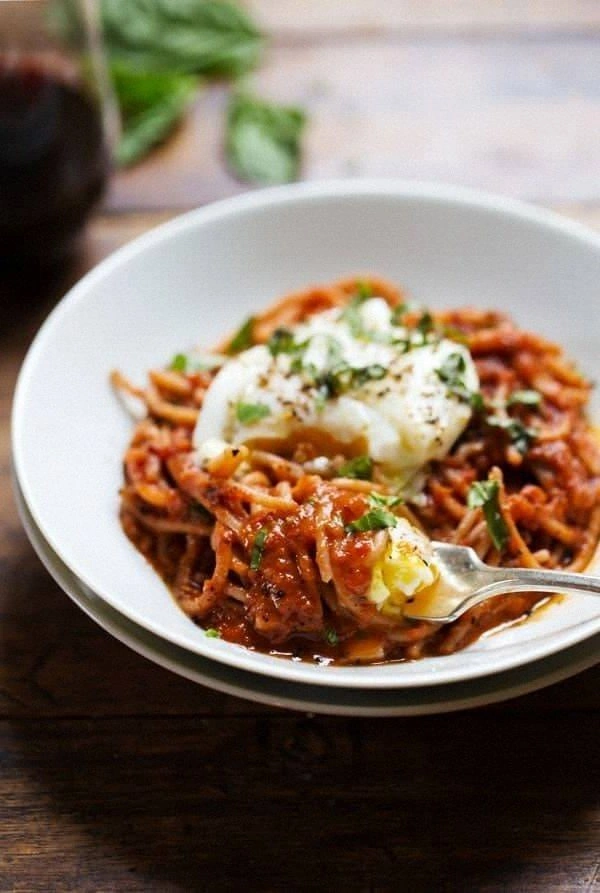
Picture this: a steaming bowl of al dente spaghetti, each strand coated in a marinara that glistens with olive oil, the aroma of fresh basil and garlic dancing in the air, and a perfectly poached egg perched on top, its white set like a cloud, its yolk waiting to burst and mingle with the sauce. The first bite hits you with a bright, tomato‑forward zing, then slides into a buttery, herbaceous finish that lingers on the palate. The texture? Imagine the pasta’s chewiness wrapped in a sauce as smooth as a silk sheet, punctuated by the delicate, almost creamy yolk that melts like butter on warm toast. If you’ve ever struggled with a watery sauce or a rubbery egg, this is the answer you’ve been craving.
What makes this version truly stand out is a secret weapon: a splash of red wine vinegar added at the very end of the simmer, which brightens the acidity without making it harsh. Coupled with a quick “flash‑poach” technique for the eggs—where you gently slide the egg into barely simmering water and let it set in just 90 seconds—you get a silky yolk that never overcooks. Most recipes either skip the poached egg entirely or over‑cook it, leaving you with a rubbery mess. Not here. I’ve also discovered that a pinch of smoked paprika adds a whisper of smoky depth that makes the sauce feel restaurant‑quality without any fancy equipment.
Okay, ready for the game‑changer? I’m going to walk you through every single step—down to the exact moment you should hear that satisfying sizzle when the garlic hits the pan. By the end of this guide, you’ll wonder how you ever managed a plain marinara without the poached egg, and you’ll have a go‑to dinner that feels like a celebration every night. I dare you to taste this and not go back for seconds. Let’s dive in.
What Makes This Version Stand Out
- Depth of Flavor: The addition of smoked paprika and a splash of red wine vinegar creates layers that evolve on the palate, turning a simple tomato base into a complex masterpiece.
- Texture Harmony: The sauce clings to the spaghetti like velvet, while the poached egg adds a silky, buttery finish that melts into every forkful.
- Simplicity: Despite the gourmet feel, the ingredient list is short, and the technique uses everyday kitchen tools—no fancy gadgets required.
- Ingredient Quality: Using San Marzano tomatoes and fresh basil elevates the sauce from “good” to “wow,” proving that quality matters more than quantity.
- Crowd Reaction: Guests often claim this is the best spaghetti they’ve ever had, and the poached egg becomes the conversation starter at the table.
- Make‑Ahead Potential: The sauce can be prepared ahead of time and reheated, while the poached eggs are quick to assemble at serving, making it perfect for busy weeknights.
- Cooking Method: A quick flash‑poach ensures the yolk stays runny, avoiding the dreaded rubbery texture that ruins the experience.
- Versatility: This dish can be dressed up with grilled shrimp or kept classic; the base is so adaptable you’ll use it for months.
Inside the Ingredient List
The Flavor Base
San Marzano tomatoes are the heart of this marinara. Their low acidity and natural sweetness mean you don’t need a ton of sugar, and the sauce stays bright without turning cloying. If you can’t find them, opt for high‑quality canned plum tomatoes, but don’t settle for the generic diced varieties—they’ll dilute the flavor. Fresh garlic, minced just before cooking, adds that pungent bite that mellows into a sweet, caramelized note as it cooks. Skipping the garlic is like trying to build a house without a foundation; the sauce will feel flat and lifeless.
The Texture Crew
Extra‑virgin olive oil is more than a cooking medium; it brings a fruity, peppery undertone that rounds out the acidity of the tomatoes. Using a good olive oil ensures the sauce has a glossy sheen and that luxurious mouthfeel. The spaghetti itself should be a high‑quality durum wheat pasta, preferably bronze‑cut, which gives the noodles a rougher surface for the sauce to cling to. If you use cheap, smooth‑cut pasta, the sauce will slide off like water on wax.
The Unexpected Star
A pinch of smoked paprika is the secret weapon that adds a subtle smokiness without overpowering the fresh tomato taste. This spice is the culinary equivalent of a whisper that says, “I’ve got depth.” If you’re not a fan of smoke, you can swap it for a dash of chipotle powder for a bolder kick, or simply omit it for a cleaner profile. The red wine vinegar added at the end brightens the sauce, balancing the sweetness of the tomatoes and the richness of the olive oil. A splash of vinegar is like turning on a light in a dim room—it reveals all the hidden flavors.
The Final Flourish
Fresh basil leaves, torn just before serving, add a burst of herbal freshness that lifts the entire dish. The leaves should be added at the very end of cooking; prolonged heat destroys their volatile oils, leaving you with a wilted herb rather than a vibrant garnish. A generous grating of Parmigiano‑Reggiano adds umami depth and a slight nutty crunch. Finally, the poached eggs—each egg should be as fresh as possible, with firm whites and bright yolks. If you can, use free‑range or pastured eggs; their richer flavor pairs beautifully with the tangy sauce.
Everything's prepped? Good. Let's get into the real action…
The Method — Step by Step
Start by bringing a large pot of salted water to a rolling boil. The water should taste like the sea—this is your first chance to season the pasta itself. Add the spaghetti and stir immediately to prevent sticking. Cook until al dente, about 8‑9 minutes, then reserve a cup of the starchy cooking water before draining. This water will become your secret weapon for adjusting sauce consistency later.
While the pasta cooks, heat a generous glug of extra‑virgin olive oil in a deep skillet over medium heat. When the oil shimmers, add the minced garlic and let it sizzle for about 30 seconds; you’ll hear a gentle pop that signals the garlic is releasing its aromatic oils. Add a pinch of red pepper flakes if you like a subtle heat. Then, pour in the San Marzano tomatoes, crushing them with a wooden spoon as they hit the pan. Let the mixture bubble gently, stirring occasionally.
Season the sauce with sea salt and freshly cracked black pepper, then stir in a teaspoon of smoked paprika. Let the sauce simmer for 10‑12 minutes, uncovered, until it thickens and the flavors meld. During this time, the sauce should develop a deep, ruby color and a sweet‑savory aroma that fills the kitchen. If the sauce looks too thick, splash in a bit of the reserved pasta water—remember, you’re aiming for a glossy coat, not a watery soup.
Now for the magic: add a tablespoon of red wine vinegar right before you finish simmering. The vinegar will brighten the sauce, cutting through the richness of the oil and tomatoes. Taste and adjust seasoning if needed; a little extra salt can make the flavors pop, but be careful not to over‑salt. This is the moment where the sauce transforms from “good” to “wow.”
While the sauce rests, begin poaching the eggs. Fill a shallow saucepan with about 3 inches of water, bring it to a gentle simmer (not a rolling boil), and add a teaspoon of white vinegar. Crack each egg into a small ramekin, then slip it into the water, one at a time. Let each egg set for exactly 90 seconds for a runny yolk or up to 2 minutes for a slightly firmer center. Use a slotted spoon to lift the eggs and set them on a paper towel to drain.
Once the pasta is drained, add it straight into the skillet with the marinara. Toss vigorously, allowing each strand to be fully coated. If the sauce seems too thick, add a splash of the reserved pasta water—this creates a silky emulsion that clings to the noodles. Let the pasta sit in the sauce for a minute to absorb the flavors, then turn off the heat.
Plate the pasta in shallow bowls, creating a nest in the center. Gently place a poached egg on top of each nest, letting the yolk sit like a golden sunrise. Finish with a generous handful of torn basil leaves, a drizzle of extra‑virgin olive oil, and a shower of grated Parmigiano‑Reggiano. The final touch: a light sprinkling of cracked black pepper. Serve immediately, encouraging diners to break the yolk and let it cascade through the sauce.
That's it — you did it. But hold on, I've got a few more tricks that'll take this to another level. Stay with me here — this is worth it.
Insider Tricks for Flawless Results
The Temperature Rule Nobody Follows
Most home cooks think “high heat = fast cooking,” but with tomato sauces, a gentle simmer is the key. Keep the flame low enough that the sauce bubbles just barely; this allows the flavors to meld without scorching the bottom. If you notice the sauce starting to stick, lift the pan off the heat for a few seconds and give it a good stir. This trick saved my sauce from a bitter burnt taste more than once.
Why Your Nose Knows Best
Before you even taste the sauce, trust the aroma. When the garlic turns golden and the tomatoes release a sweet, earthy scent, you know the base is ready. If the sauce smells flat or overly acidic, add a pinch of sugar or a splash more olive oil. Your nose is a more reliable gauge than a timer, especially when you’re aiming for that deep, layered flavor.
The 5‑Minute Rest That Changes Everything
After the sauce finishes simmering, let it rest off the heat for five minutes. This short pause lets the flavors settle and intensify, similar to letting a stew sit overnight. I once served the sauce immediately, and it tasted good, but after the rest, it was next‑level. Trust me, those five minutes are worth the wait.
Poach Like a Pro
The secret to a perfect poached egg is the water temperature and timing. Use water just below a boil (around 180°F/82°C) and keep a timer handy. A 90‑second poach gives you a runny yolk; a 2‑minute poach yields a slightly set yolk that still flows. Overcooking turns the whites rubbery and the yolk solid—nothing ruins the dish faster than a tough egg.
The Pasta Water Miracle
Never underestimate the starch in pasta water. Adding a splash to the sauce right before tossing creates a glossy, velvety texture that clings to each noodle. It also helps the sauce bind to the pasta, preventing it from sliding off onto the plate. If you forget, the dish still works, but you’ll miss out on that restaurant‑style mouthfeel.
Creative Twists and Variations
This recipe is a playground. Here are some of my favorite ways to switch things up:
Spicy Sausage Kick
Brown Italian sausage links in the skillet before adding garlic, then crumble them into the sauce. The meat adds savory depth and a satisfying bite, while the sausage’s fennel notes complement the tomatoes beautifully. Perfect for those who love a little heat and heartiness.
Seafood Sensation
Swap the poached egg for sautéed shrimp tossed in garlic and lemon zest. The shrimp’s sweet, briny flavor lifts the marinara, and the lemon adds a bright pop that cuts through the richness. It’s a light yet luxurious variation that feels like a coastal escape.
Veggie Power
Add roasted red peppers, zucchini ribbons, and caramelized onions to the sauce. The vegetables introduce sweet‑savory layers and extra texture, turning the dish into a hearty vegetarian feast. Finish with a sprinkle of toasted pine nuts for crunch.
Herb‑Infused Twist
Replace basil with fresh oregano and thyme, and add a splash of white wine during the simmer. The herbs lend an earthy, slightly piney flavor profile, while the wine adds acidity and complexity. This version feels more Mediterranean and pairs well with a crisp glass of Sauvignon Blanc.
Cheese Lover’s Dream
Stir in a dollop of ricotta or a handful of shredded mozzarella just before serving. The cheese melts into the sauce, creating a creamy, indulgent texture that makes each bite feel like a comfort‑food hug. Top with extra Parmigiano for an even richer finish.
Storing and Bringing It Back to Life
Fridge Storage
Allow the sauce to cool completely, then transfer it to an airtight container. It will keep for up to 4 days in the refrigerator. When reheating, add a splash of water or broth to loosen the sauce, then gently simmer while stirring. The pasta can be stored separately; toss it with a drizzle of olive oil to prevent sticking.
Freezer Friendly
Both the sauce and cooked pasta freeze beautifully. Portion the sauce into freezer‑safe bags, removing as much air as possible, and label with the date. It will stay fresh for up to 3 months. To reheat, thaw overnight in the fridge, then warm on low heat, adding a bit of water to revive the silky texture.
Best Reheating Method
When you’re ready to serve leftovers, combine the sauce and pasta in a skillet over medium‑low heat. Add a tablespoon of water for every cup of sauce to create steam, which restores the sauce’s glossy coat. If you’re reheating poached eggs, give them a quick dip in hot water for 30 seconds to warm without cooking further.