Picture this: I was in the middle of a late‑night binge on takeout, staring at a half‑empty bowl of noodles that had gone limp in the microwave, when my phone buzzed with a text from a friend: “I’ve got the ultimate street‑style Thai drunken noodles recipe. Try it, or you’ll never eat anything else the same way.” I laughed, then realized the challenge was real. That night, I set out to prove that a dish can be both street‑level bold and home‑cooked genius.
It began with a sizzle that cut through the quiet kitchen like a drumbeat. The aroma of garlic frying in hot oil hit my nose first, followed by the sweet, caramelizing scent of brown sugar. I could hear the noodles crackle as they hit the pan, and the bright splash of soy sauce sent a salty, umami wave across the air. My taste buds tingled as I imagined the final dish—bright, tangy, with a whisper of heat that lingers on the tongue. It was a moment of pure culinary revelation.
Why does this version stand out? Because I didn’t settle for the usual “just toss everything together” approach. I focused on balance, on layering flavors, and on giving each element its moment to shine. I’m not just making a noodle dish; I’m crafting a street‑style experience that feels like a passport to Bangkok’s night markets, but in a kitchen that’s only a few steps away. I dare you to taste this and not go back for seconds.
There’s a twist you won’t expect: a splash of coconut milk to mellow the heat, a squeeze of lime to brighten the sauce, and a final drizzle of fish sauce for depth. These touches elevate the dish from good to unforgettable. By the end of this post, you’ll wonder how you ever made it any other way.
What Makes This Version Stand Out
- Bold Flavor: The sauce is a symphony of sweet, salty, and umami that coats the noodles like velvet, creating a mouthful that sings.
- Texture Contrast: Fresh, crisp veggies provide a satisfying bite that breaks the silky noodles, while the protein stays tender.
- Ingredient Quality: I use low‑sodium soy sauce to keep sodium under control without sacrificing depth, and fresh herbs for a burst of aroma.
- Quick Prep: With a 15‑minute prep and 30‑minute cook, you can have a restaurant‑style dish on the table before your guests even notice you’re cooking.
- Make‑Ahead Potential: The sauce can be pre‑made, and the noodles can be cooked in advance, making this a perfect crowd‑pleaser for parties.
- Versatility: Swap chicken for shrimp or tofu, and you’ll still get the same unforgettable flavor profile.
- Street‑Style Authenticity: The technique mimics the high‑heat stir‑fry of Thai street stalls, delivering that signature char without a wok.
- Visual Appeal: Bright colors from bell peppers, broccoli, and carrots create a dish that looks as good as it tastes.
Inside the Ingredient List
The Flavor Base
At the heart of any great stir‑fry is the sauce. The low‑sodium soy sauce provides the savory backbone, while the brown sugar adds a caramelized sweetness that balances the salt. A splash of coconut milk softens the heat and gives the sauce a silky texture. If you’re watching sodium, you can substitute a splash of low‑sodium chicken broth, but the coconut milk will be missing its mellow richness.
When you’re building the sauce, remember that the ratio of sweet to salty is crucial. Too much sugar will overpower the umami, while too little will leave the dish flat. The key is to taste as you go, adjusting until the sauce sings. If you skip the coconut milk, the dish will still work but will feel a bit drier.
Tip: For an extra layer of flavor, add a teaspoon of fish sauce. It’s a quick way to deepen the umami without adding too much liquid.
The Texture Crew
Fresh vegetables are the soul of this dish. Bell peppers bring a sweet crunch that contrasts beautifully with the soft noodles. Broccoli florets add a satisfying bite and a pop of green that makes the plate look vibrant. Carrots provide a subtle sweetness and a slight resistance that keeps each bite interesting.
Choosing the right vegetables is essential. For the most vibrant color, use red or orange bell peppers. If you prefer a milder flavor, yellow or green peppers work just as well. Don’t skimp on the broccoli; its stems add a subtle crunch that’s often overlooked.
Swapping vegetables is easy: zucchini, snow peas, or bok choy can replace any of these. Just remember that the cooking time varies—broccoli takes longer than carrots, so add it first.
The Unexpected Star
The protein is the star that pulls everything together. Boneless chicken or shrimp both work beautifully. Chicken offers a mild flavor that absorbs the sauce, while shrimp provides a sweet, briny finish. If you’re a vegetarian, tofu or tempeh will hold up nicely and absorb the flavors.
Cooking the protein first is key. Sear it until it’s golden on the outside, then remove it from the pan to prevent over‑cooking. When you add it back later, the noodles and veggies will finish cooking without drying out the protein.
Choosing the right cut of chicken—thigh or breast—will affect the texture. Thighs are more forgiving and stay moist, while breast can become dry if over‑cooked.
The Final Flourish
Fresh herbs and citrus are the final touches that elevate the dish. Fresh cilantro adds a peppery brightness, while fresh Thai basil brings a sweet, aniseed flavor. Lime juice cuts the richness and adds a bright, zesty finish that makes the dish feel lively.
Adding the herbs at the end preserves their delicate flavor. If you add them too early, they’ll wilt and lose their brightness. The lime juice should be squeezed fresh—store‑bought lime juice can taste flat.
Tip: A drizzle of sesame oil at the very end adds a nutty aroma that completes the flavor profile.
Everything’s prepped? Good. Let’s get into the real action.
The Method — Step by Step
- Start by boiling a large pot of salted water. Add the flat rice noodles and cook until they’re just shy of al dente—about 3 minutes. Drain and rinse under cold water to stop the cooking process; this keeps the noodles from becoming mushy during the stir‑fry.
- Heat a large skillet or wok over high heat until a drop of water sizzles on contact. Add the vegetable oil, swirling to coat the pan. The oil should shimmer without smoking—this indicates the right temperature for a quick sear.
- Add the minced garlic and stir constantly for 10–15 seconds until fragrant. Garlic burns fast, so keep it moving to avoid bitterness. The aroma should be sweet and nutty, not sharp.
- Introduce the pre‑cooked protein—chicken or shrimp. Toss it in the pan, letting it brown on the edges for 30 seconds. This step locks in juices and gives a slight caramelization that adds depth.
- Add the bell peppers, broccoli, and carrots in that order, keeping the vegetables moving. The broccoli needs the most time; it should still be bright green and slightly crisp. Stir the veggies until they’re just tender—about 2 minutes.
- Pour the sauce mixture—soy sauce, brown sugar, coconut milk, fish sauce, and lime juice—over the ingredients. Stir vigorously so the sauce coats every component. The sauce should thicken slightly and cling to the noodles.
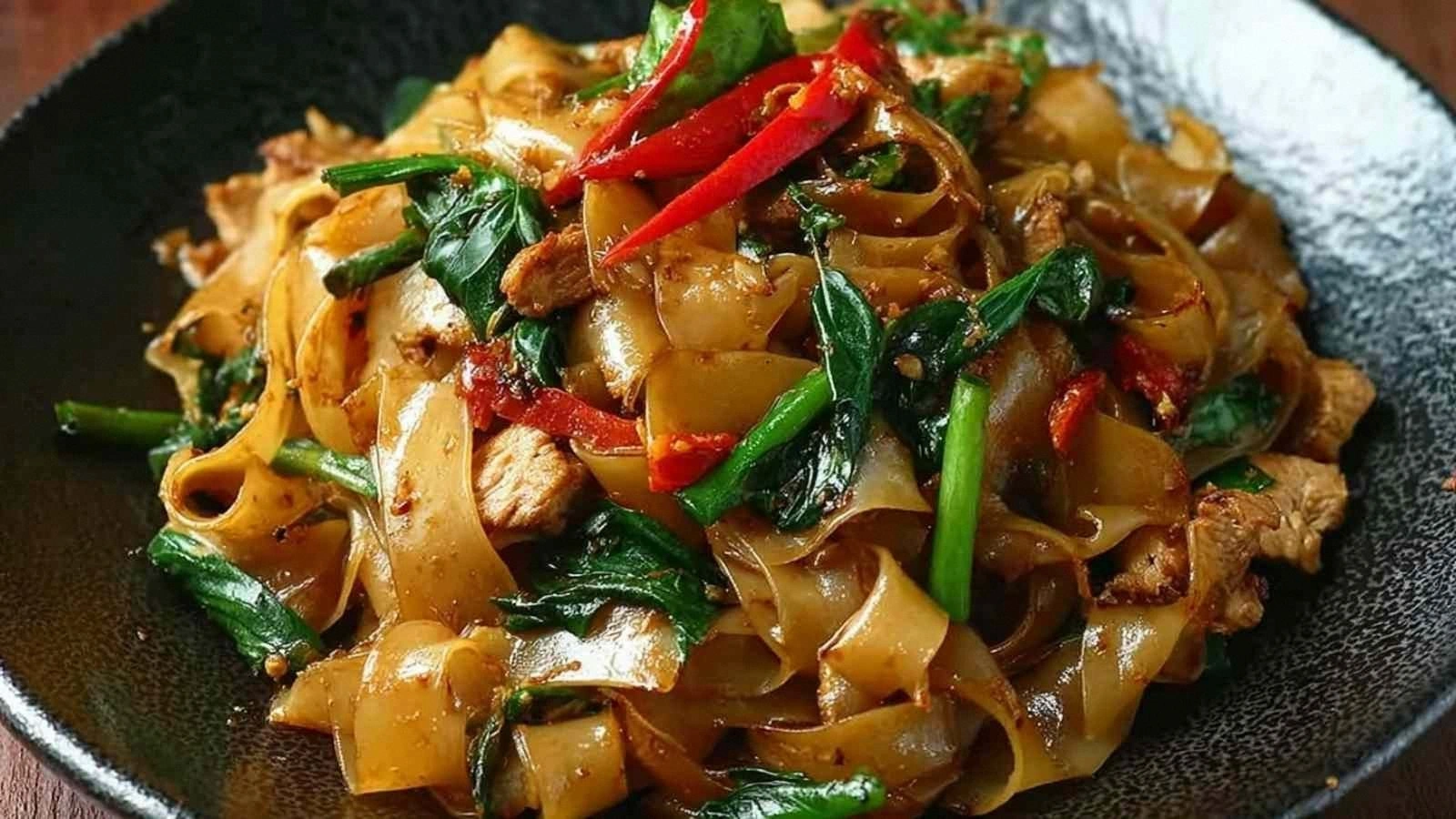
- Toss in the drained noodles, ensuring they’re evenly coated. Cook for an additional 2 minutes, stirring constantly, until the noodles absorb the sauce and the flavors meld together. The final dish should have a glossy, slightly sticky coating that clings to each strand.
- Remove from heat, sprinkle chopped cilantro, fresh Thai basil, and a drizzle of sesame oil. Serve immediately over a bed of jasmine rice or on its own for a low‑carb option. The dish should look vibrant, with bright veggies and a glossy sauce.
That's it — you did it. But hold on, I've got a few more tricks that'll take this to another level.
Insider Tricks for Flawless Results
The Temperature Rule Nobody Follows
High heat is the secret to a perfect stir‑fry. Keep the flame high enough that the oil shimmers but doesn’t smoke. If the heat is too low, the noodles will steam instead of sear, leading to a soggy texture. I keep a small flame under the pan, adjusting the burner as needed to maintain that sizzling rhythm.
Why Your Nose Knows Best
Before you even taste the dish, give it a sniff. A good stir‑fry should smell like caramelized garlic and sweet soy. If you notice a sharp, burnt odor, you’ve over‑cooked the garlic. Trust your nose; it’s the fastest way to catch mistakes before they ruin the dish.
The 5‑Minute Rest That Changes Everything
After you finish cooking, let the dish rest for five minutes with the lid on. This resting period allows the sauce to thicken and the flavors to meld. A friend once tried skipping this step, and the noodles were still watery and uncoated. The rest period is a small time investment that pays off in texture and taste.
Quick Garnish Swap
If you’re short on time, sprinkle toasted sesame seeds instead of fresh herbs. The seeds add a nutty crunch and a subtle aroma that complements the sauce. They’re a great option for a quick, satisfying finish.
Make‑Ahead Sauce
Prepare the sauce a day ahead and store it in an airtight container. When you’re ready to cook, simply reheat it in the pan for a minute before adding the noodles. This trick saves time on busy nights and ensures a consistent flavor profile.
Use a Non‑Stick Skillet for Easy Cleanup
A non‑stick skillet reduces the need for excess oil and makes cleanup a breeze. If you’re using a cast‑iron pan, make sure it’s well‑seasoned to prevent sticking. Either choice works, but a non‑stick pan is my go‑to for quick, clean cooking.
Creative Twists and Variations
This recipe is a playground. Here are some of my favorite ways to switch things up:
Spicy Sriracha Kick
Add a tablespoon of Sriracha to the sauce for an extra punch. The heat will mingle with the sweetness, creating a layered flavor profile that satisfies heat lovers.
Veggie‑Heavy Buddha Bowl
Omit the protein and serve the noodles over quinoa or rice. Add extra greens like spinach or kale, and top with a fried egg for protein. This version is perfect for a wholesome, plant‑based meal.
Asian Fusion Salad
Cook the noodles and let them cool, then toss them with a light vinaigrette, sliced cucumber, and shredded carrots. Serve chilled for a refreshing summer dish that still carries the Thai flair.
Breakfast‑Style Noodle Bowl
Replace the protein with scrambled eggs and add a splash of soy sauce to the sauce. This breakfast version is quick, filling, and surprisingly delicious.
Low‑Carb Keto Version
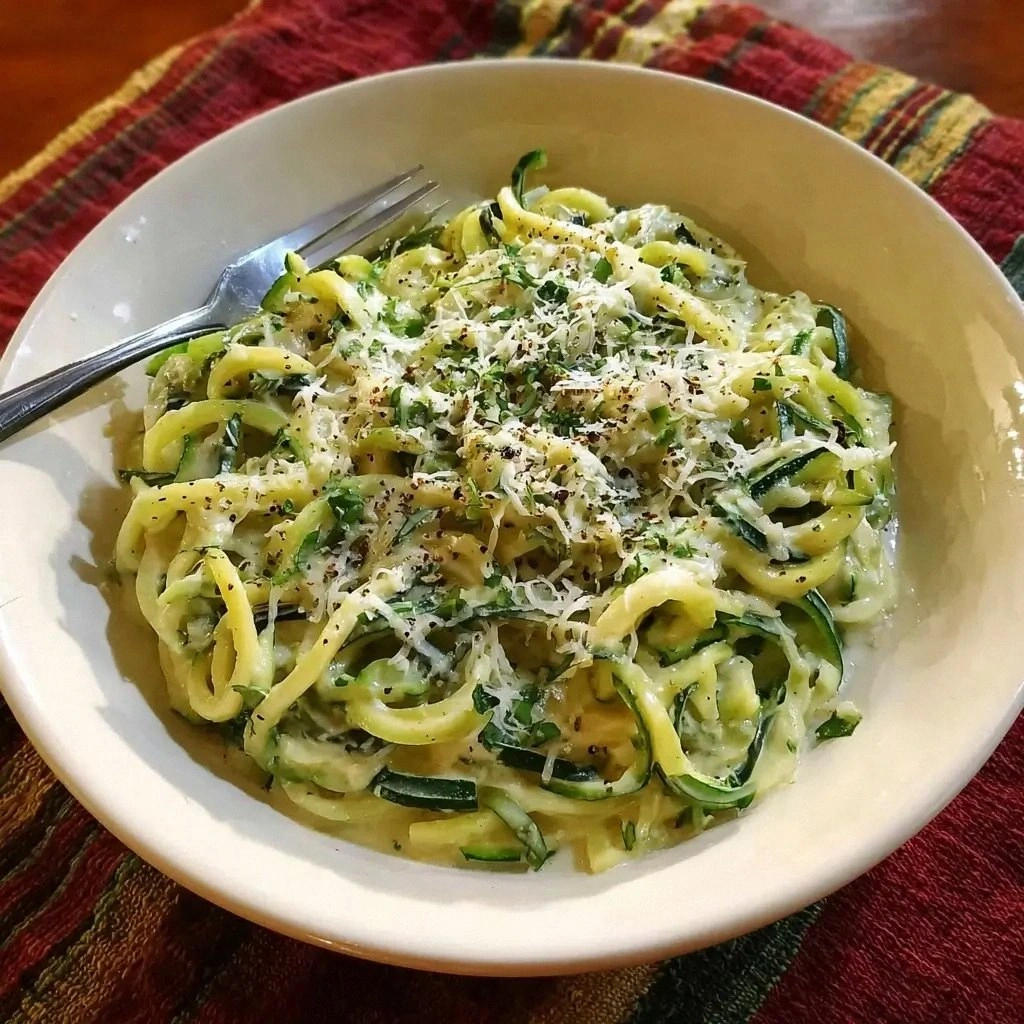
Swap the flat rice noodles for zucchini noodles or shirataki noodles. The sauce will cling to the noodles just the same, giving you a keto‑friendly alternative.
Sweet & Salty Fusion
Incorporate pineapple chunks into the stir‑fry for a tropical twist. The sweetness balances the savory sauce and adds a chewy texture that’s delightful.
Storing and Bringing It Back to Life
Fridge Storage
Store leftovers in an airtight container for up to 3 days. Keep the sauce separate if you plan to reheat, as the noodles can become soggy when combined with liquid for too long.
Freezer Friendly
Freeze the dish in a freezer‑safe container for up to 2 months. Thaw overnight in the fridge and reheat in a skillet with a splash of water to restore moisture.
Best Reheating Method
Reheat on medium heat, adding a tiny splash of water or broth to keep the noodles from drying out. Stir frequently until heated through. The dish should regain its glossy, slightly sticky coating.