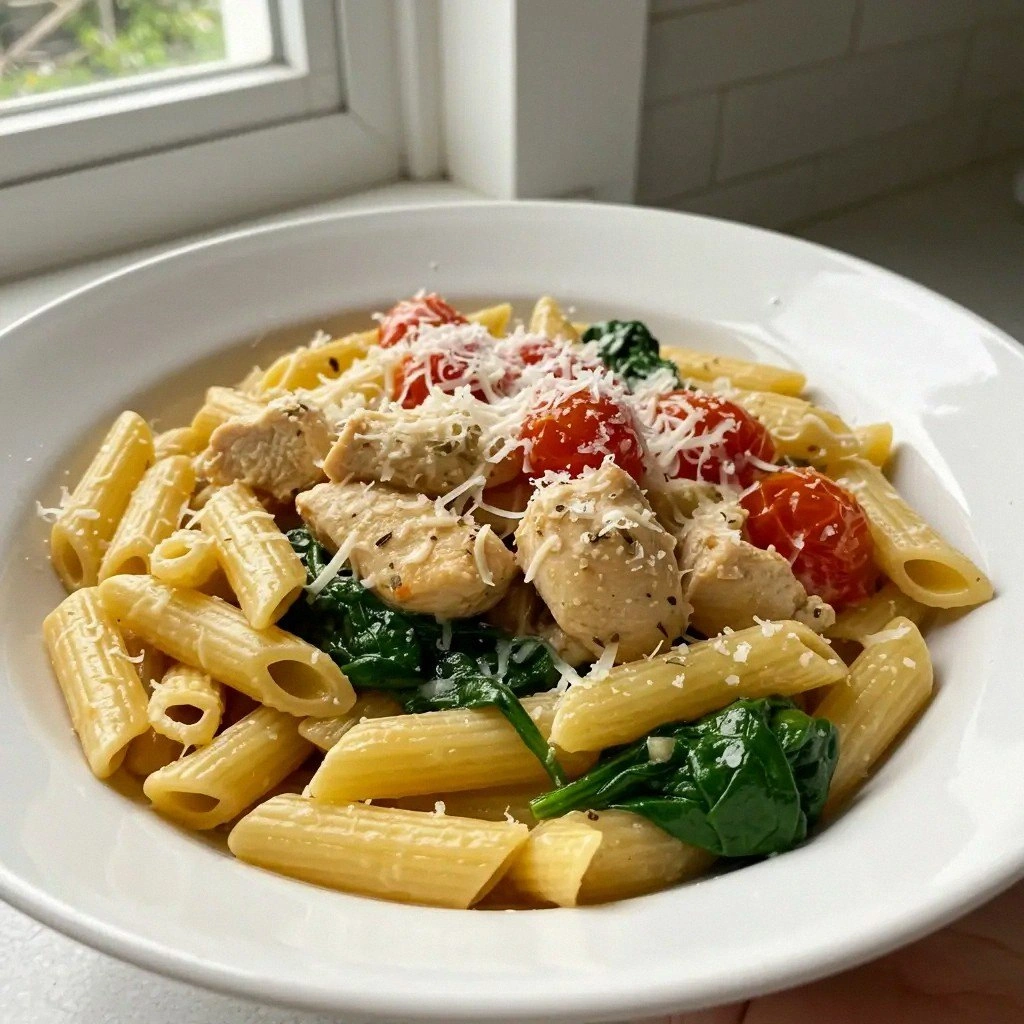
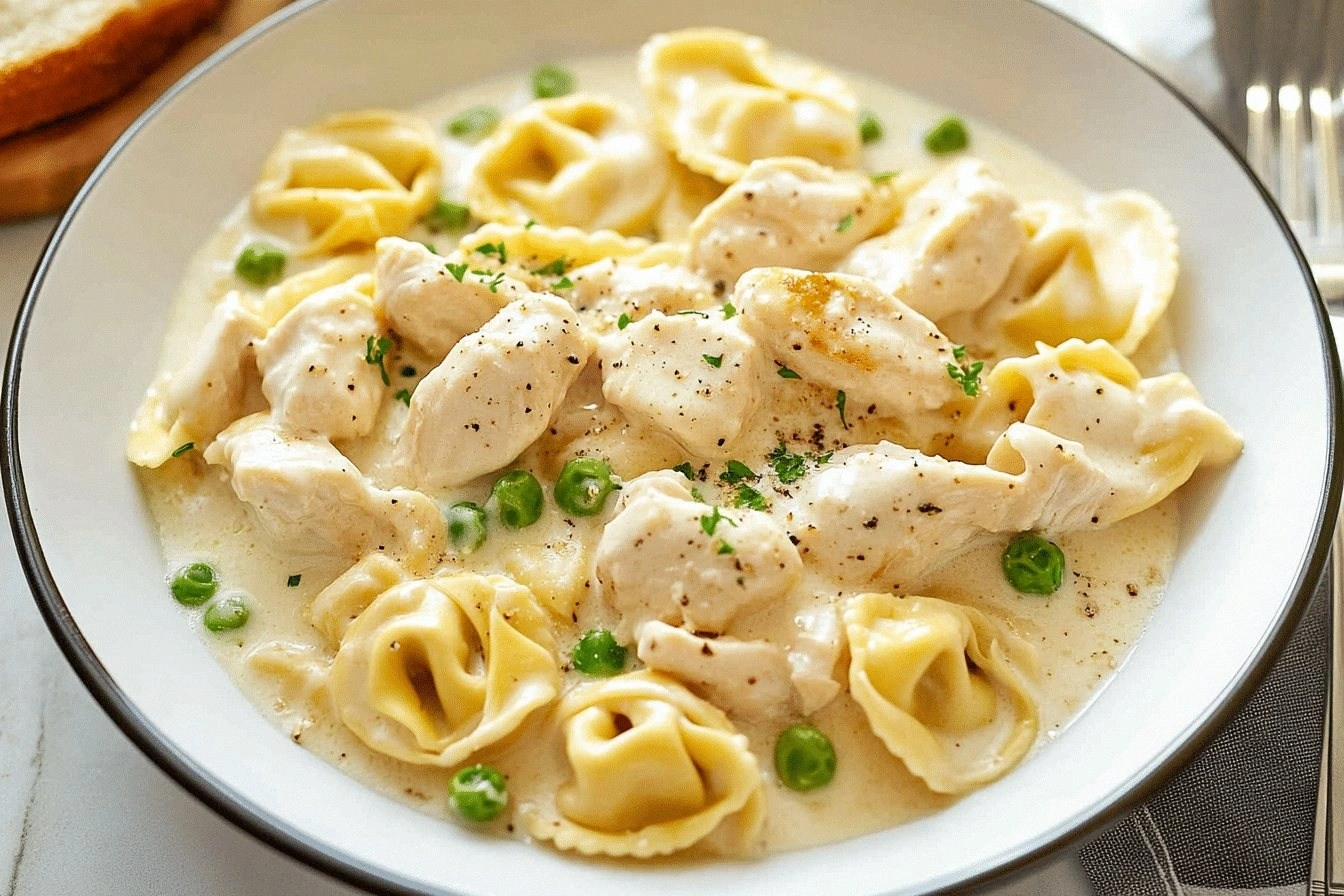
I was standing in my kitchen, staring at a box of cheese tortellini that had been sitting on my counter for a week, feeling a mix of culinary curiosity and guilt. My friend had dared me to turn that soggy pasta into something that would make her taste buds do a double tap, and I knew the stakes were high. I grabbed the chicken breasts, the heavy cream, and that jar of parmesan that had been whispering promises of decadence from the pantry shelf. The moment the garlic hit the hot pan, the kitchen filled with a warm, savory aroma that made the walls seem to hum with anticipation. It was a moment of triumph that felt like a small victory over culinary mediocrity, and I could already taste the silky sauce coating each tender morsel like velvet.
That evening, as the sauce simmered, I realized that this dish was more than just a dinner; it was a statement. I was telling the world that a simple combination of ingredients, when handled with confidence and a touch of flair, could elevate a humble pasta dish into a showstopper. I could see the steam swirling, the buttery sheen catching the light, and I knew this was the version that would stand out among all the other Alfredo recipes that promise fluffiness but deliver fluff. I dare you to taste this and not go back for seconds, because the richness of the sauce will have you craving more long after the last bite.
I’ll be honest—when I first tossed the cooked tortellini into the pan, I almost dropped the pot, but the moment I felt the sauce coat the pasta, everything felt perfectly aligned. The sauce didn’t just cling; it enveloped each cheese-filled pocket, turning every bite into a creamy, savory hug. Most recipes get this completely wrong by overcooking the pasta or using too much cream, but here the balance is razor-sharp. The sauce’s thickness is just enough to cling without being cloying, and the garlic’s warmth lingers, reminding you of a summer day in a kitchen full of laughter.
Picture yourself pulling this out of the oven, the whole kitchen smelling incredible, and the plate looking like a glossy masterpiece that invites you to dig in. The dish is so inviting that even the most seasoned pasta lovers will be tempted to devour it in one go. And if you’ve ever struggled with a creamy sauce that turns into a rubbery mess, you’re not alone—this is the fix you’ve been missing. Let me walk you through every single step, and by the end, you’ll wonder how you ever made it any other way.
What Makes This Version Stand Out
- Taste: The sauce delivers a layered flavor profile that starts with a subtle garlic whisper, deepens with a rich buttery base, and finishes with a sharp parmesan finish. The result is a dish that feels indulgent yet balanced, never overpowering the delicate cheese filling of the tortellini.
- Texture: The sauce coats each tortellini like a silky blanket, while the chicken stays juicy and tender. The careful timing of adding the cream keeps the sauce from separating, giving you a velvety mouthfeel that lingers on the palate.
- Simplicity: With only eight core ingredients, this recipe is a quick yet impressive dinner that anyone can master. No fancy techniques, just straightforward steps that let the flavors shine.
- Uniqueness: The combination of fresh parsley garnish and a slight pepper kick gives this Alfredo a fresh, bright contrast that sets it apart from the usual heavy, dairy-only versions.
- Crowd Reaction: Friends who try this dish often remark that it feels like a gourmet meal, even though it was made in under an hour. The creamy sauce and tender chicken make it a crowd-pleaser for family dinners or casual gatherings.
- Ingredient Quality: Using fresh, high-quality ingredients—especially the cheese-filled tortellini and freshly grated parmesan—ensures that each bite is packed with authentic flavor.
- Cooking Method: The step-by-step searing of the chicken before it meets the sauce locks in juices and creates a caramelized crust that adds depth without overwhelming the dish.
- Make-ahead Potential: While this dish is best served fresh, the sauce can be reheated without losing its silky texture if you’re short on time the next day.
Alright, let's break down exactly what goes into this masterpiece…
Inside the Ingredient List
The Flavor Base
Cheese tortellini is the star of this dish, offering pockets of cheese that melt into the sauce, creating pockets of flavor that burst with every bite. Choosing fresh tortellini over frozen gives you a softer texture and a fresher taste, but a good-quality frozen option works just as well if you’re short on time. Skipping the tortellini would leave the dish feeling thin, as the pasta is what carries the sauce and brings the dish together.
Heavy cream is the backbone of the sauce, providing that rich, velvety mouthfeel that defines an Alfredo. Using heavy cream instead of half-and-half or milk ensures the sauce stays thick and luxurious. If you prefer a lighter version, you can substitute with half-and-half, but the sauce will lose some of its decadent character.
Butter adds depth and a glossy sheen to the sauce, making it feel indulgent. Butter also helps the sauce emulsify with the cream, preventing separation. If you’re avoiding dairy, a splash of olive oil can replace butter, but the flavor profile will shift slightly.
Garlic is the aromatic backbone that gives the sauce its signature warmth. Minced garlic releases its oils quickly, ensuring that the flavor is present but not overpowering. Too much garlic can make the sauce taste harsh, so a few cloves are just enough to bring the dish together.
The Protein Powerhouse
Chicken breasts are chosen for their lean protein and ability to absorb the sauce. When seared correctly, they develop a caramelized crust that adds texture without drying out. If you prefer a different protein, you could swap chicken for shrimp or even bacon for a smoky twist.
Salt and pepper are the simple seasonings that bring everything together. Salt enhances the natural flavors of the ingredients, while pepper adds a subtle heat that balances the richness of the sauce. Skipping these would leave the dish flat and unremarkable.
The Unexpected Star
Fresh parsley is the finishing flourish that adds a splash of color and a bright, herbaceous note that cuts through the creaminess. It also provides a subtle freshness that lifts the entire dish. If you’re allergic or simply don’t have parsley on hand, a squeeze of lemon juice can offer a similar brightening effect.
The Final Flourish
Parmesan cheese is grated finely to ensure it melts smoothly into the sauce. It provides a nutty depth and a slightly salty finish that complements the richness of the cream and butter. If you’re looking for a different flavor profile, you could try Pecorino Romano for a sharper, saltier finish.
Everything's prepped? Good. Let's get into the real action…
The Method — Step by Step
- Begin by gathering all your ingredients. Dice the chicken breasts into bite‑sized strips, mince the garlic, and grate the parmesan. Measure out the heavy cream, butter, salt, pepper, and parsley. Having everything ready on the counter will keep the cooking flow smooth and prevent any last‑minute scrambling.
- Fill a large pot with water, add a generous pinch of salt, and bring it to a rolling boil. Drop in the cheese tortellini and cook according to the package instructions, usually about 3–4 minutes for fresh or 5–6 minutes for frozen. Stir occasionally to prevent sticking, and once they’re al dente, drain and set aside, reserving a cup of pasta water.
- Season the chicken strips with salt and pepper. In a large skillet over medium‑high heat, add a splash of olive oil or a small knob of butter. When the fat is shimmering, add the chicken and sear until golden on all sides, about 3–4 minutes. This step locks in juices and creates a flavorful crust that will enhance the overall dish.
- Remove the chicken from the skillet and set it aside on a plate. In the same skillet, reduce heat to medium and add the minced garlic. Sauté for 30 seconds until fragrant, being careful not to burn it; burnt garlic will taste bitter and ruin the sauce.
- Pour in the heavy cream, swirling the skillet to coat the garlic. Allow the cream to come to a gentle simmer, then lower the heat slightly. The sauce should thicken just enough to coat the back of a spoon. This is the moment where the cream starts to mingle with the garlic, creating a base that will carry the flavors of the dish.
- Add the butter to the skillet, stirring until it melts completely into the cream. The butter will give the sauce a glossy sheen and help it emulsify, preventing separation. If you notice the sauce thickening too quickly, add a splash of the reserved pasta water to loosen it back to the desired consistency.
- Introduce the grated parmesan cheese, stirring continuously to ensure it melts smoothly. The cheese will thicken the sauce further and give it that signature sharpness. Watch the sauce closely; if it starts to look too thick, add a little more pasta water or a splash of cream to maintain a silky texture.
- Return the seared chicken strips to the skillet, letting them warm through and soak up the sauce for about 2 minutes. This step ensures the chicken stays juicy and the flavors meld together. If you prefer a slightly firmer bite, you can reduce the simmer time to 1 minute.
- Fold in the cooked tortellini, tossing gently to coat each piece with the luscious sauce. Let the pasta sit in the sauce for 1–2 minutes, allowing the flavors to marry. The heat from the skillet will warm the tortellini just enough to keep it tender without overcooking.
- Finish the dish by sprinkling fresh parsley over the top, adding a burst of color and a bright herbal note that cuts through the richness. Plate the pasta immediately, ensuring each bowl is a visual feast. The aroma alone will have you salivating before you even take a bite.
That's it — you did it. But hold on, I've got a few more tricks that'll take this to another level…
Insider Tricks for Flawless Results
The Temperature Rule Nobody Follows
Many cooks think that high heat is the key to a good Alfredo, but it actually risks scorching the dairy. Keep the skillet on medium or medium‑low when adding the cream and parmesan; this gentle heat allows the flavors to meld without creating a lumpy sauce. A friend once tried a high‑heat approach and ended up with a rubbery, separated sauce that was a total disaster.
Why Your Nose Knows Best
Your sense of smell is the most reliable guide to seasoning. As the sauce simmers, pause and inhale. If you smell a hint of burnt garlic or a metallic tang, reduce the heat or add a splash of water. This quick sensory check prevents subtle mistakes from becoming major flavor blunders.
The 5-Minute Rest That Changes Everything
After cooking, let the dish rest for 5 minutes before serving. This brief pause allows the sauce to thicken slightly and the flavors to settle, giving you a more cohesive bite. I’ve seen people skip this step and end up with a sauce that feels too thin and watery.
The Secret to a Non-Glutinous Sauce
If you’re worried about the sauce becoming too thick, keep a tablespoon of pasta water at the ready. Adding a splash just before serving loosens the sauce without diluting the flavor. This trick is especially useful when you’re serving a large crowd and need to keep the dish consistent.
The Quick Fix for Overcooked Tortellini
Overcooked tortellini can become mushy and lose their shape. To rescue them, toss them in a quick blast of cold water right after draining, then pat dry before adding to the sauce. This stops the cooking process and preserves their bite.
The Freshness Boost
Finish the dish with a generous handful of fresh parsley. It not only adds color but also a bright herbal note that cuts through the richness. If you’re in a rush, a pinch of dried parsley works, but fresh is always preferable for flavor.
Creative Twists and Variations
Spinach & Mushroom Alfredo
Add a handful of fresh spinach and sliced mushrooms to the skillet along with the garlic. The spinach wilts beautifully, and the mushrooms bring a savory depth that pairs well with the creamy sauce. This variation is perfect for a vegetarian twist or for adding extra nutrients.
Sun-Dried Tomato Kick
Stir in finely chopped sun‑dried tomatoes before adding the heavy cream. The tomatoes lend a sweet, tangy burst that brightens the dish and adds a pop of color. It’s a great way to introduce Mediterranean flavors.
Smoky Bacon Bliss
Replace the chicken with crispy bacon strips. Cook the bacon until crisp, then crumble it into the sauce. The smoky flavor adds an indulgent twist that pairs wonderfully with the richness of the Alfredo.
Lemon‑Zest Freshness
Add a tablespoon of lemon zest and a splash of lemon juice at the end of cooking. The citrus notes cut through the creaminess, providing a bright, refreshing finish that lingers on the palate.
Herb‑Infused Alfredo
Swap the parsley for a blend of fresh basil, oregano, and thyme. This herb mix gives the dish a fragrant, aromatic profile that’s reminiscent of a summer garden. It’s a subtle change that elevates the flavor.
Sausage & Pepper Fusion
Use Italian sausage instead of chicken for a spicy, savory version. Cook the sausage until browned, then add it to the sauce. The peppery heat from the sausage complements the creamy base, creating a complex, satisfying dish.
Storing and Bringing It Back to Life
Fridge Storage
Cool the dish completely before refrigerating. Transfer it to an airtight container and store it for up to 2 days. The sauce will thicken slightly in the fridge, so add a splash of milk or cream when reheating to restore its silky texture.
Freezer Friendly
For longer storage, freeze the pasta and sauce separately. Place the cooked tortellini in a freezer bag and the sauce in a separate container. When ready to eat, reheat the sauce gently on the stove, then fold in the thawed tortellini to warm through.
Best Reheating Method
Reheat the dish over low heat, stirring frequently. Add a splash of water or milk to thin the sauce if it has thickened. Keep the heat low to avoid curdling and to preserve the sauce’s silky consistency.