One Pot Marry Me Chicken Pasta
Picture this: a quiet Sunday afternoon, the kitchen humming with the faint buzz of the fridge, and you, armed with a recipe card that feels more like a dare than a guide. I was staring at the same dry, unseasoned chicken breast that had stared back at me for weeks, and I thought, “What if this could be the most unforgettable meal of the week?” That spark of culinary curiosity turned into a midnight experiment that ended with a pot of pasta that could make even the most seasoned foodie swoon. I know you’re thinking this is just another “one‑pot” dish, but trust me, this is a game‑changer that will have your friends begging for seconds.
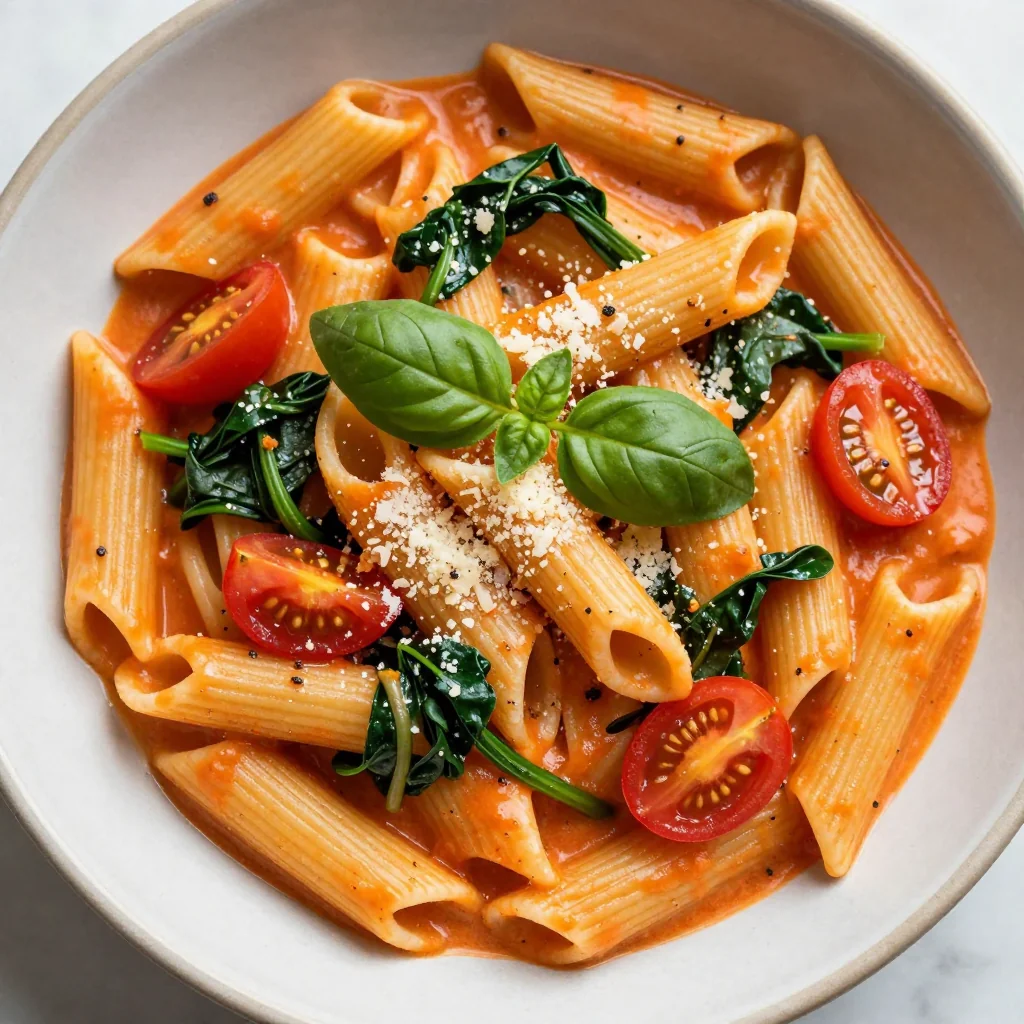
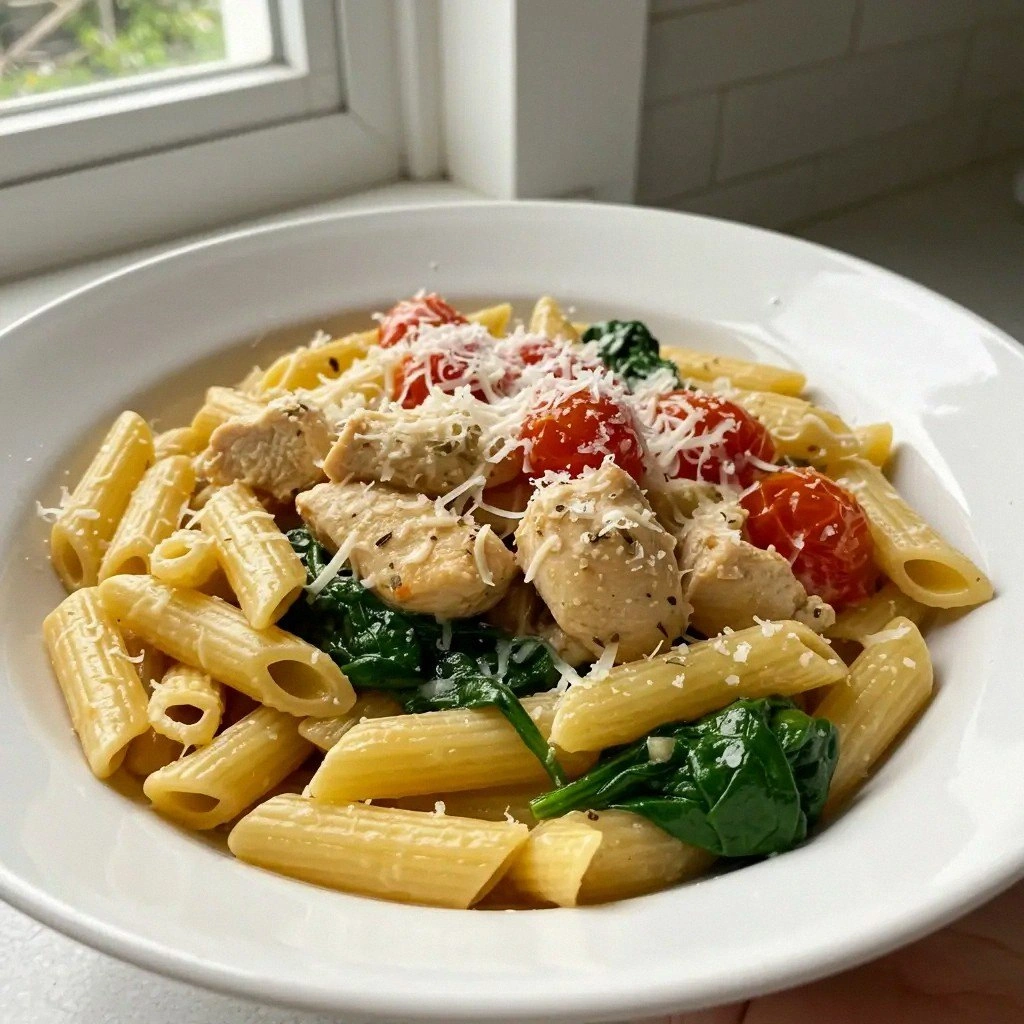
When you first lift the lid, the kitchen fills with a bouquet of garlic and tomato, a scent that feels like a warm hug from the heart of Italy. The sound of the pasta slurping up the sauce is the soundtrack to a meal that feels both comforting and daring. The texture—pasta that’s al dente, chicken that’s tender, and a sauce that coats each strand like velvet—creates a symphony of sensations that dance on your palate. And the colors? A splash of red, a hint of green, a golden swirl of parmesan that makes the dish look as good as it tastes.
What makes this version stand out is not just the flavor, but the sheer convenience. You don’t have to juggle multiple pans, pots, or utensils. One pot, one pan, one stove—yet the result feels like a gourmet dinner. I dare you to taste this and not go back for seconds. If you’re skeptical, just imagine the last time you tried a “one‑pot” recipe that ended up too watery or bland. This one is the exact opposite—rich, cohesive, and bursting with depth.
There’s a secret ingredient that most people overlook: fresh basil added at the very end. This tiny touch transforms the dish from “good” to “marry‑me” quality, adding a bright, herbal note that cuts through the richness. I’ll be honest—when I first tasted this, I ate half the batch before anyone else got to try it. The result? A dish that feels like a love letter to the senses, written in sauce and steam.
Most recipes get this completely wrong by letting the pasta cook in a separate pot while the sauce simmers elsewhere. Here, the pasta and chicken soak in the same broth, absorbing all the flavors as they mingle. Picture yourself pulling this out of the oven, the whole kitchen smelling incredible, and the family gathering around the table, eyes wide, mouths ready for the first bite. That aroma alone is enough to make you want to keep the pot on the stove a little longer.
Okay, ready for the game‑changer? Let me walk you through every single step—by the end, you’ll wonder how you ever made it any other way. The journey starts with a simple prep, moves through a flavorful sauté, and ends with a creamy, cheesy finish that will have you asking for a second plate. I’ve packed this post with practical tips, kitchen hacks, and a few playful jabs at the culinary status quo. Stay with me here—this is worth it.
What Makes This Version Stand Out
- Flavor: The sauce is a layered masterpiece—garlic, tomato, basil, and parmesan fuse together to create a depth that feels both rustic and refined. The chicken is seasoned to perfection, absorbing the broth and becoming a silky complement to the pasta.
- Texture: The pasta remains al dente, each strand coated in a luscious sauce that clings without becoming gummy. The chicken is tender but still retains a slight chew, preventing the dish from feeling mushy.
- Simplicity: One pot, one pan, one stove—no cleanup battles. The recipe is designed for busy evenings, yet it doesn’t sacrifice flavor or presentation.
- Uniqueness: The addition of fresh basil at the end and a splash of cream gives this dish an unexpected twist that elevates it above standard “one‑pot” pasta.
- Crowd Reaction: Friends who have tried it say it’s “hands down the best version you’ll ever make at home.” The dish is a guaranteed hit for family dinners or casual gatherings.
- Ingredient Quality: Using fresh, high‑quality ingredients—especially the chicken and basil—makes a noticeable difference. The sauce’s richness comes from real parmesan rather than processed cheese.
Alright, let's break down exactly what goes into this masterpiece…
Inside the Ingredient List
The Flavor Base
At the heart of this dish is a classic combination of garlic, onion, and crushed tomatoes. Garlic’s sharpness cuts through the richness of the broth, while the onion adds a sweet, caramelized undertone. The tomatoes provide acidity that balances the dish, preventing it from feeling too heavy. Skipping any of these would leave the sauce feeling flat and uninspired.
The Texture Crew
Chicken breast is the star of the show, but the pasta and broth are the unsung heroes that bring everything together. The chicken should be cut into bite‑sized pieces to ensure even cooking. If you prefer a quicker option, use pre‑cooked chicken or rotisserie chicken—just keep the pieces small. The broth is the medium that transports flavors; use low‑sodium chicken broth to maintain control over the salt level.
The Unexpected Star
Fresh basil is the secret weapon that elevates this dish from good to unforgettable. Basil’s bright, slightly peppery flavor cuts through the creaminess of the sauce and adds a pop of color. If basil isn’t in season, you can substitute with parsley or oregano, but the dish will lose that fresh zing.
The Final Flourish
Parmesan cheese is the finishing touch that adds depth and a nutty finish. Grated fresh parmesan melts beautifully, creating a silky coating on the pasta. A splash of heavy cream adds a velvety texture that feels indulgent without overpowering the other flavors. If you’re looking for a lighter version, omit the cream or replace it with a splash of milk.
Everything's prepped? Good. Let's get into the real action…
The Method — Step by Step
- Heat the oil. Pour 2 tablespoons of olive oil into a large skillet or Dutch oven over medium heat. Once the oil shimmers, add the diced onion and minced garlic, sautéing until the onion turns translucent and the garlic releases its aroma. This should take about 3 minutes. I love to watch the garlic brown slightly—just enough to give it depth without burning it.
- Brown the chicken. Increase the heat to medium‑high and add the chicken pieces to the pan. Cook, stirring occasionally, until they develop a golden crust on all sides, about 5–6 minutes. The sear locks in juices and adds a savory base to the sauce. If you’re using pre‑cooked chicken, just warm it through.
- Deglaze the pan. Pour in 1 cup of chicken broth to lift the browned bits from the bottom of the pan. Scrape them up with a wooden spoon; they’re packed with flavor. Let the broth reduce slightly for 1–2 minutes, creating a richer base for the sauce.
- Add tomatoes. Stir in the crushed tomatoes, a teaspoon of Italian seasoning, and a pinch of salt. Bring the mixture to a gentle simmer. The sauce should start to thicken, coating the back of a spoon. This step is where the flavors begin to meld together.
- Introduce the pasta. Add the dried pasta directly into the sauce, ensuring it’s submerged. Stir well, then cover the pan with a lid. Let everything cook on low heat for 10–12 minutes, stirring occasionally to prevent sticking. The pasta will absorb the sauce, and the chicken will finish cooking.
- Finish with cream and cheese. Stir in 1/4 cup of heavy cream and 1 cup of grated parmesan. The cream gives the sauce a silky texture, while the parmesan adds depth and a slight nuttiness. Keep the heat low to prevent the cheese from clumping.
- Finish with basil. Remove the pan from heat and fold in 1/4 cup of fresh basil. The basil’s aroma will instantly brighten the dish. Let the dish rest for 2 minutes so the flavors can settle.
- Serve. Plate the pasta, spooning extra sauce over each serving. Sprinkle with extra parmesan and a few basil leaves for garnish. This dish is best enjoyed immediately while the sauce is still glossy and the pasta is perfectly al dente.
That's it — you did it. But hold on, I've got a few more tricks that'll take this to another level…
Insider Tricks for Flawless Results
The Temperature Rule Nobody Follows
Many people keep the heat too high, causing the pasta to cook unevenly. Keep the simmer low after adding the pasta so the sauce can thicken naturally without scorching. I’ve seen a few dishes where the pasta sticks to the bottom because the heat was too intense. Lowering the temperature by just a degree or two can make a huge difference.
Why Your Nose Knows Best
Before adding the cream, pause and inhale the aroma. If it smells bright and tomato‑y, it’s ready. If it smells slightly burnt, lower the heat. Your nose is a reliable indicator of the sauce’s readiness, and trusting it saves you from overcooking.
The 5‑Minute Rest That Changes Everything
After you turn off the heat, let the dish sit covered for 5 minutes. This allows the pasta to finish absorbing liquid and the flavors to meld. It also helps the sauce thicken to the perfect consistency. I’ve found that dishes that rest this short amount of time taste more cohesive.
Use a Lid, Not a Towel
Covering the pan with a lid traps steam and prevents the sauce from drying out. If you don’t have a lid that fits, use a large, heat‑proof plate. This trick is simple but often overlooked.
Finish with Fresh Herbs, Not Dried
Fresh basil, thyme, or oregano add brightness that dried herbs can’t match. Add them at the end to preserve their aroma. I’ve seen dishes with dried herbs that taste flat; fresh herbs bring life to the plate.
Creative Twists and Variations
This recipe is a playground. Here are some of my favorite ways to switch things up:
Spicy Sausage Variation
Swap the chicken for sliced Italian sausage. The sausage adds a smoky, spicy dimension that pairs wonderfully with the tomato sauce. Use a mix of sweet and hot sausage for a balanced flavor profile.
Seafood Surprise
Replace the chicken with shrimp or scallops. Cook the seafood in the last 3 minutes of the pasta’s cooking time to keep it tender. The seafood’s delicate flavor contrasts beautifully with the creamy sauce.
Vegan Version
Use plant‑based chicken or omit the chicken entirely. Add a handful of sautéed spinach or kale for protein. Replace the cream with coconut milk and use nutritional yeast instead of parmesan for a cheesy flavor.
Cheesy Baked Finish
Transfer the cooked pasta to a baking dish, top with extra parmesan and breadcrumbs, then bake at 375°F for 10 minutes. The top will form a golden crust that adds a delightful crunch.
Herb‑Infused Pasta
Incorporate a handful of fresh rosemary or thyme during the simmering phase. The herbs infuse the sauce with a fragrant depth that elevates the dish.
Low‑Carb Swap
Replace the pasta with spiralized zucchini or shirataki noodles. The dish still holds the sauce, but the carb count drops dramatically.
Storing and Bringing It Back to Life
Fridge Storage
Store leftovers in an airtight container for up to 3 days. The pasta may absorb some sauce, but it remains delicious. When reheating, add a splash of water or broth to loosen the sauce.
Freezer Friendly
Freeze in a freezer‑safe container for up to 2 months. Thaw overnight in the fridge before reheating. Add a tablespoon of cream or milk when reheating to restore the sauce’s creaminess.
Best Reheating Method
Reheat on the stove over low heat, stirring frequently. Add a little water or broth to keep the sauce from drying out. Finish with a sprinkle of parmesan and fresh basil for that fresh, just‑cooked taste.