I remember the night my kitchen turned into a smoky battlefield. I had been trying to impress a friend with a fancy tomato soup, but the tomatoes I tossed into the pot were still green and the broth had a flat, watery taste that made me curse in frustration. I was about to give up when I remembered the bright red bell peppers I’d bought earlier that week—vibrant, almost glowing on the counter. I dared myself to roast those peppers, sprinkle a handful of spices, and let the kitchen fill with a scent that could make a cat stop in its tracks. That night, I discovered a flavor explosion that turned a dull soup into a silky, smoky, slightly spicy masterpiece that still makes my friends line up for seconds.
Picture this: the peppers are blistered to perfection, their skins charred like a fine art canvas. The moment they hit the pan, a hiss erupts, and the air fills with an aroma that tastes like summer sunsets and a whisper of paprika. You can hear the sizzle, feel the heat, and taste the subtle sweetness of caramelized onion and garlic. The broth absorbs that charred richness, turning into a velvety liquid that coats the spoon like silk. When you add a splash of cream or coconut milk, it smooths out the acidity and gives the soup a luxurious mouthfeel that feels like a warm hug on a chilly evening. It’s a dish that’s simple enough for a busy weeknight yet bold enough to impress at a dinner party.
What makes this version stand out from every other tomato soup recipe? First, it uses real roasted red bell peppers, not canned or frozen, giving it a depth of flavor that’s impossible to replicate. Second, the spice blend—smoked paprika, cumin, and a pinch of red chili flakes—adds a smoky heat that lingers without overwhelming. Third, the method of roasting and sautéing before simmering creates a layered texture that feels like a comforting hug. Fourth, the addition of toasted bread cubes on top offers a crunchy contrast that keeps the dish interesting. Fifth, the recipe is fully customizable: you can swap coconut milk for regular cream, or use a pinch of fresh basil for a bright finish. Finally, the dish is incredibly forgiving—you can adjust the heat, salt, or thickness to suit your taste without losing the soul of the recipe.
If you’ve ever struggled to get your tomato soup to taste like it deserves, you’re not alone. Most recipes get this completely wrong by using raw tomatoes or over-saucing, which results in a watery mess. I dare you to taste this and not go back for seconds. That’s because this is hands down the best version you’ll ever make at home. Picture yourself pulling this out of the oven, the whole kitchen smelling incredible, and your friends asking for the recipe. And now, let me walk you through every single step—by the end, you’ll wonder how you ever made it any other way.
What Makes This Version Stand Out
- Roasted Pepper: The charred skins add a smoky depth that canned tomatoes can never match. The roasting process caramelizes the natural sugars, creating a sweet undertone that balances the acidity of the tomatoes.
- Spice Blend: Smoked paprika, cumin, and a dash of red chili flakes weave a complex flavor profile. They give the soup a subtle heat that lingers without overwhelming the palate.
- Texture Contrast: Toasted bread cubes provide a satisfying crunch that contrasts with the silky broth. They also absorb excess liquid, keeping the soup from becoming too soupy.
- Versatile Finish: A splash of cream or coconut milk can be swapped based on dietary needs, and fresh basil adds a bright, herbal note that lifts the entire dish.
- Quick Yet Elegant: The recipe takes less than an hour from start to finish, yet it feels like a gourmet creation. It’s perfect for busy weeknights or when you need to impress guests on short notice.
- Make‑Ahead Friendly: This soup keeps well in the fridge for up to 4 days and freezes beautifully. Reheating is simple, and the flavors only deepen over time.
Alright, let's break down exactly what goes into this masterpiece…
Inside the Ingredient List
The Flavor Base
The foundation of this soup starts with a hearty blend of aromatics—onion, garlic, and the star of the show, the red bell peppers. Each ingredient plays a critical role: the onion provides a sweet backbone, the garlic adds depth and a subtle kick, while the peppers contribute a smoky sweetness that can’t be replicated with fresh tomatoes alone. Skipping any of these will leave the soup feeling thin and unremarkable. If you’re craving a different flavor profile, try adding a splash of tomato paste during the sauté for an extra layer of umami.
The Texture Crew
The texture of a soup is just as important as its flavor. Vegetable broth is the liquid backbone that carries the flavors, but it’s the toasted bread cubes that give the dish a satisfying bite. Toast the bread in a dry skillet until golden, then set aside. When you add them to the finished soup, they absorb excess liquid and add a subtle crunch. If you’re avoiding gluten, a crisp rice cracker works beautifully as a substitute.
The Unexpected Star
While the peppers and tomatoes are obvious heroes, the spices are the unsung champions that bring everything together. Smoked paprika imparts that deep, smoky flavor, cumin adds earthiness, and red chili flakes provide a gentle heat that lingers on the tongue. These spices are the secret sauce that turns a simple tomato soup into a culinary experience. If you’re a spice lover, feel free to double the chili flakes for a fiery twist.
The Final Flourish
Finishing touches can elevate a dish from good to unforgettable. A splash of cream or coconut milk softens the acidity and adds a silky mouthfeel. Fresh basil, chopped just before serving, offers a burst of green freshness that cuts through the richness. The toasted bread cubes, sprinkled on top, add a delightful crunch and a rustic look. Remember, each of these elements can be tweaked to suit your taste—whether you prefer a vegan version or a richer, dairy-based finish.
Everything's prepped? Good. Let's get into the real action…
The Method — Step by Step
- Prep the Peppers: Preheat your oven to 425°F (220°C). Slice the red bell peppers in half, remove the seeds, and place them skin-side up on a baking sheet lined with parchment. Roast for 20–25 minutes, or until the skins are blistered and charred. Let them cool slightly, then peel off the skins and chop the flesh into bite‑sized pieces. This step is the foundation of the soup’s smoky flavor—don’t skip it.
- Sauté Aromatics: In a large pot, heat 2 tablespoons of olive oil over medium heat. Add the diced onion and cook until translucent, about 5 minutes. Then add the minced garlic and sauté for another 1–2 minutes until fragrant. The onions should be golden and sweet, not browned. This creates the base flavor that will carry the rest of the ingredients.
- Add Spices: Stir in 2 teaspoons of smoked paprika, 1 teaspoon of cumin, and 1/2 teaspoon of red chili flakes. Cook for 30 seconds, letting the spices toast slightly. The aroma should be warm and inviting—this is the moment of truth. If the spices start to burn, reduce the heat immediately.
- Incorporate Roasted Peppers: Add the chopped roasted peppers to the pot, stirring to coat them in the spiced oil. Cook for 3–4 minutes, allowing the peppers to absorb the spices. The mixture should smell toasty and the peppers should be slightly softened.
- Introduce Tomatoes: Add the whole ripe tomatoes, crushing them gently with your hands or a spoon. The tomatoes will release their juices, creating a thick, aromatic base. Let the mixture simmer for 10 minutes, allowing the flavors to meld.
- Simmer with Broth: Pour in 4 cups of vegetable broth, bring the mixture to a boil, then reduce to a gentle simmer. Cover the pot and let it cook for 20 minutes, stirring occasionally. The broth should reduce slightly, concentrating the flavors.
- Blend to Smooth: Remove the pot from heat. Using an immersion blender, puree the soup until smooth. If you don’t have an immersion blender, carefully transfer the soup in batches to a countertop blender. The texture should be velvety, with no large chunks.
- Finish with Cream: Stir in 1/2 cup of cream or coconut milk, depending on your preference. This step adds richness and balances the acidity. Let the soup heat through, but do not let it boil again. Taste and adjust salt and pepper as needed.
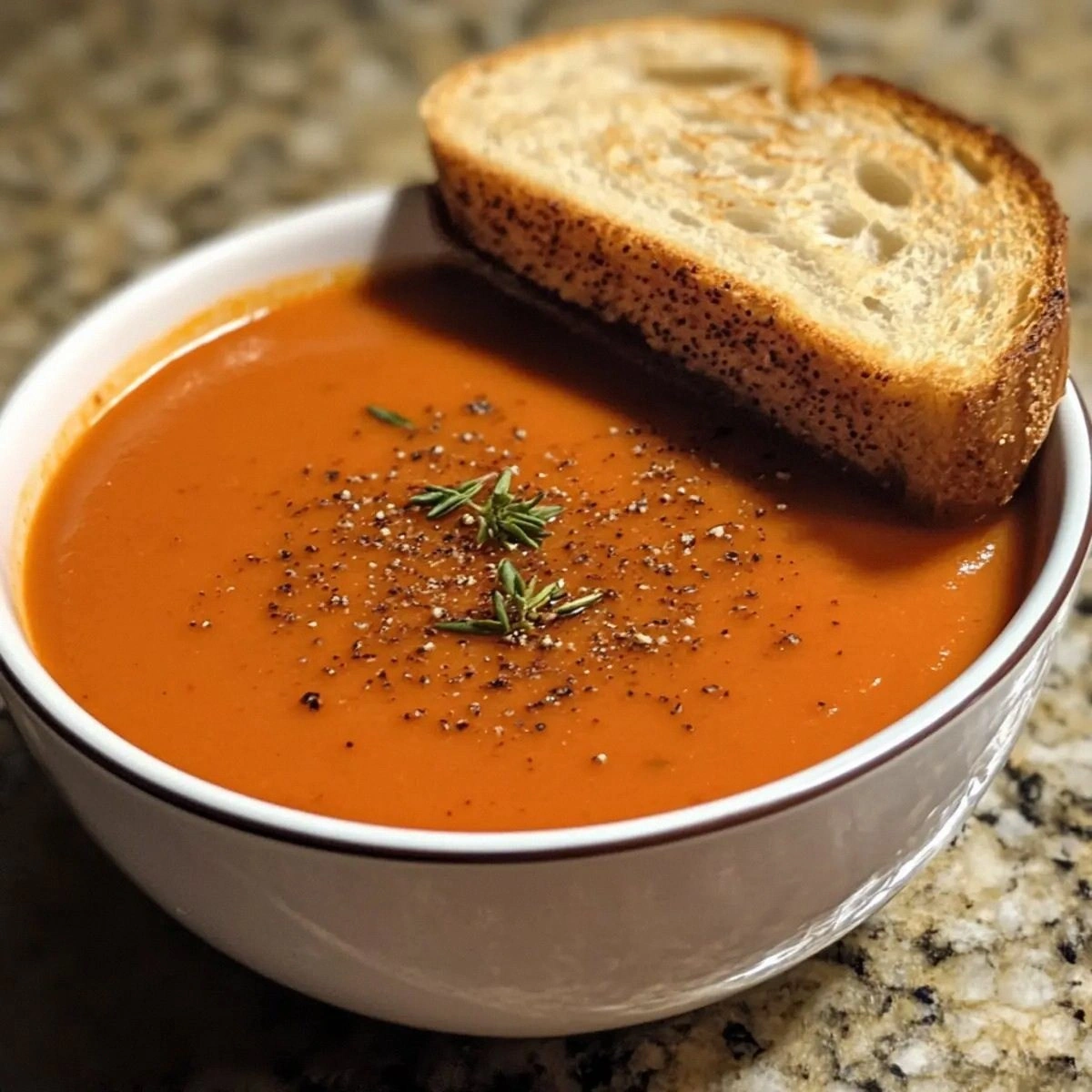
- Plate and Garnish: Ladle the soup into bowls. Sprinkle toasted bread cubes over the top, then drizzle a small amount of olive oil and scatter fresh basil leaves. Serve hot, and watch the steam rise like a fragrant cloud.
That's it— you did it. But hold on, I've got a few more tricks that'll take this to another level. These insider tips will help you fine-tune the soup to your exact taste and keep it fresh for days.
Insider Tricks for Flawless Results
The Temperature Rule Nobody Follows
Cooking the soup at the right temperature is crucial. Many people simmer too low, causing the broth to become watery. Instead, aim for a gentle boil during the initial simmer, then lower to a steady simmer. This allows the flavors to meld without diluting the richness. If you notice the soup is too thick, add a splash of broth or water to reach your desired consistency.
Why Your Nose Knows Best
Your sense of smell can guide you to the perfect seasoning. If the soup feels flat, add a pinch more smoked paprika or cumin. The aroma of spices intensifies the flavor profile. I’ve found that letting the spices sit in the oil for 30 seconds before adding the peppers unlocks a deeper, more complex taste.
The 5-Minute Rest That Changes Everything
After you remove the soup from the heat, let it rest for 5 minutes before blending. This pause allows the flavors to settle and the heat to distribute evenly. It also helps the soup thicken slightly, giving it a richer mouthfeel. Trust me, that extra minute makes a noticeable difference.
The Creamy Balance Act
Choosing between cream and coconut milk can alter the final profile. Cream gives a luxurious, dairy-rich finish, while coconut milk adds a subtle tropical note and keeps the dish vegan. If you’re watching calories, coconut milk is lighter, but the dairy cream will hold the soup together better when reheated.
The Toasted Bread Cube Trick
To maximize crunch, toast your bread cubes in a dry skillet over medium heat until golden. Then drizzle a tiny splash of olive oil and toss to coat. This step ensures the bread cubes stay crisp even after absorbing some of the soup’s liquid. It’s a simple trick that adds a delightful textural contrast.
Creative Twists and Variations
This recipe is a playground. Here are some of my favorite ways to switch things up:
Smoky Chipotle Twist
Swap the smoked paprika for chipotle powder and add a dash of adobo sauce. The result is a smoky, smoky, slightly sweet heat that pairs wonderfully with a dollop of sour cream.
Mediterranean Flair
Add a spoonful of sun‑dried tomato paste and finish with chopped Kalamata olives. The olives bring a briny depth that complements the sweet peppers.
Vegan Coconut Cream Version
Use coconut milk instead of cream and add a splash of nutritional yeast for a cheesy, umami kick. This version is dairy‑free and still incredibly rich.
Herb‑Infused Basil Boost
Increase the amount of fresh basil and add a handful of parsley. The green herbs give the soup a fresh, bright finish that cuts through the richness.
Crunchy Panko Crunch
Replace the toasted bread cubes with panko crumbs lightly toasted in a pan. The result is a lighter crunch that still adds texture without overwhelming the soup.
Storing and Bringing It Back to Life
Fridge Storage
Cool the soup completely before transferring it to an airtight container. Store in the fridge for up to 4 days. The flavors will deepen, giving you a richer taste if you let it sit overnight.
Freezer Friendly
Divide the soup into portion‑sized containers or freezer bags, leaving a little headspace. Freeze for up to 3 months. Thaw overnight in the fridge, then reheat on the stove with a splash of broth if needed.
Best Reheating Method
Reheat the soup gently over low heat, stirring frequently. Add a tiny splash of water or broth to loosen the consistency if it has thickened. A quick whisk will restore the silky texture. Avoid boiling, as it can separate the cream.