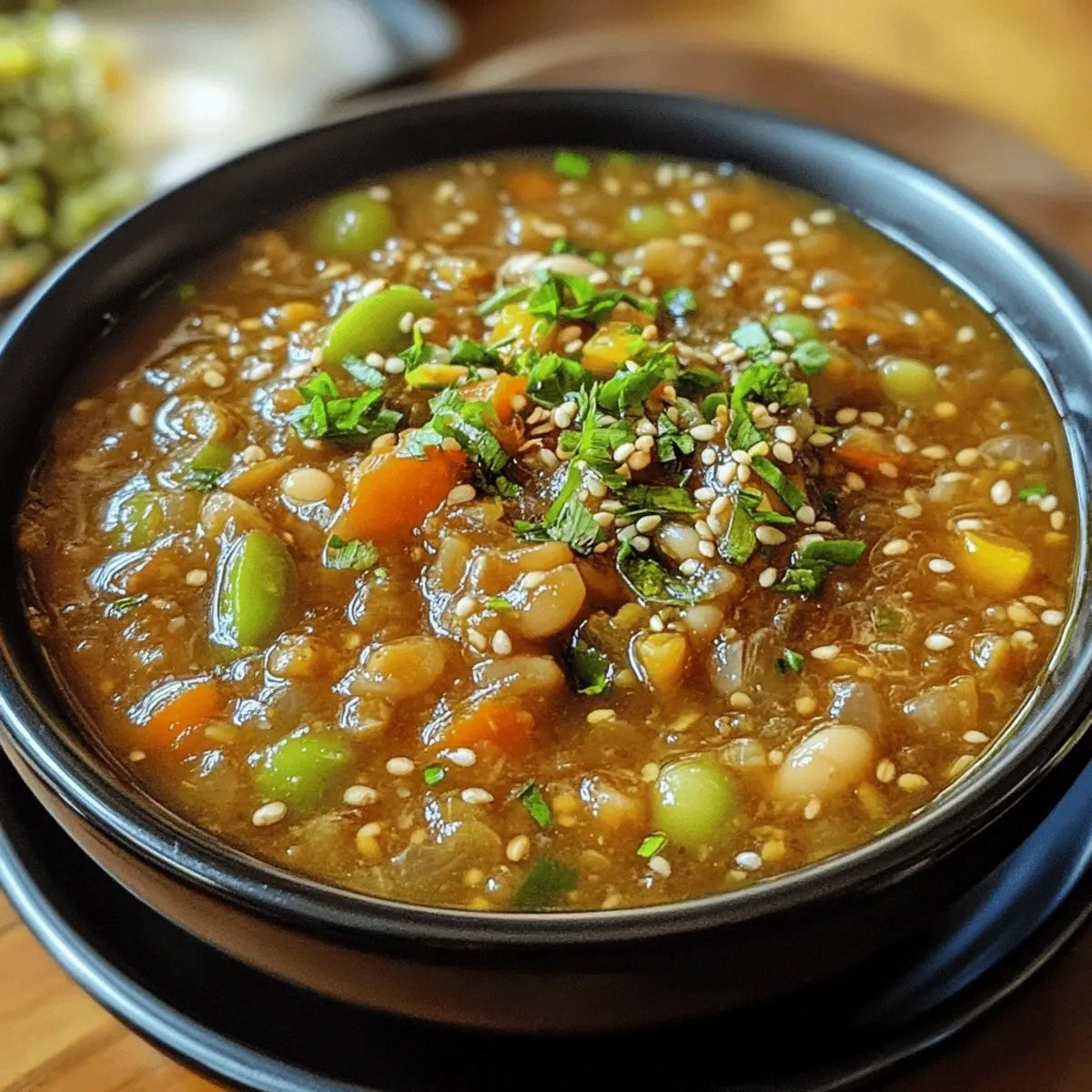
Ever tried to salvage a bowl of overcooked noodles that look more like a soggy carpet than a meal? I did, and the disaster turned into a revelation that led me to the High Protein Cold Sesame Noodl. I was halfway through a frantic kitchen sprint, the pot was a steaming puddle, and the only thing left to salvage was the sauce that had been simmering in a separate pan. I stared at the ruined noodles, felt the disappointment, and decided that if I could not fix the noodles, I could at least turn the sauce into something spectacular. That single decision birthed a dish that feels like a culinary cheat code for anyone who loves a protein-packed, sesame‑laden, cold noodle experience.
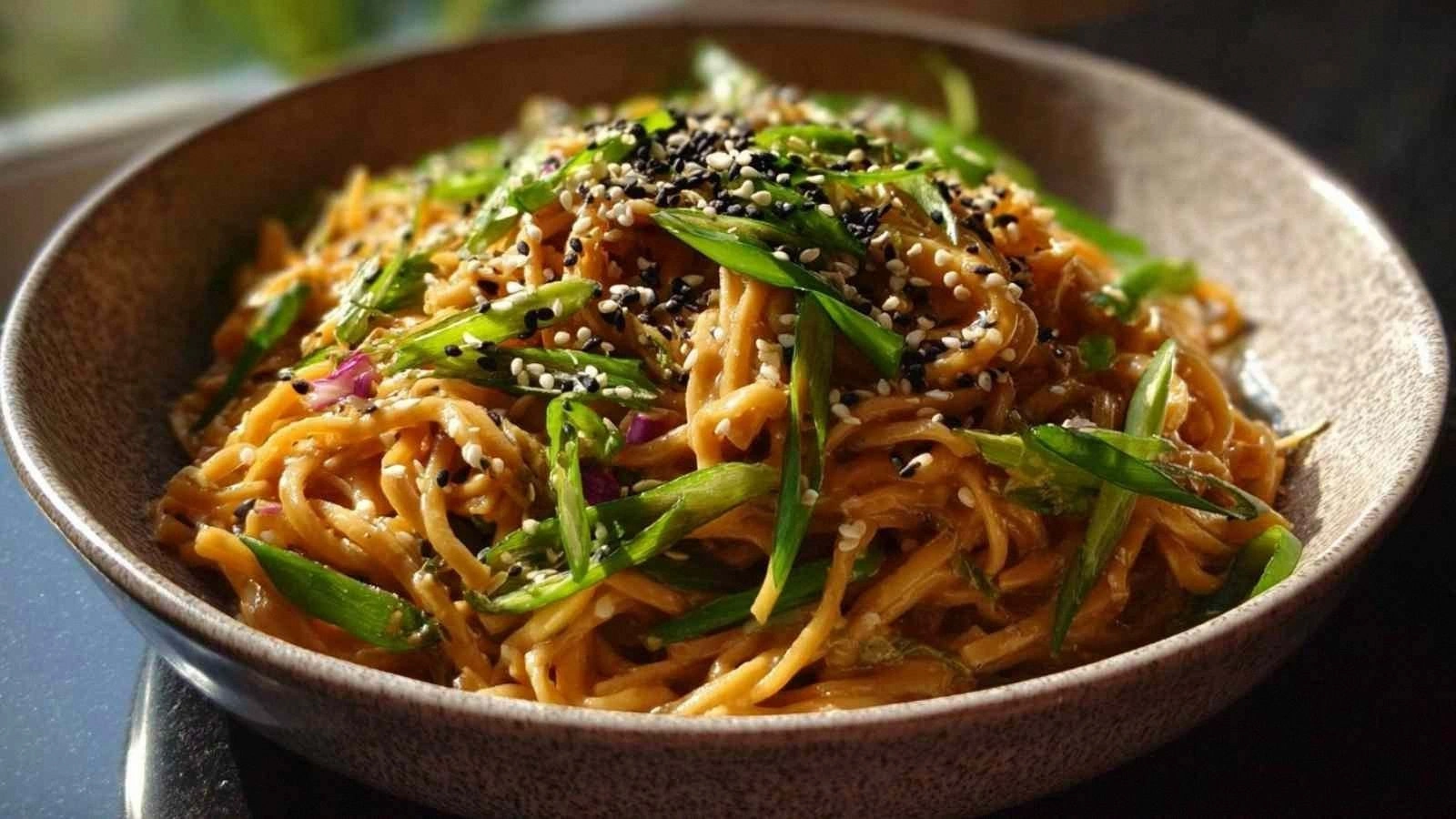
Picture this: a bowl of noodles that are al dente, each strand coated in a silky, nutty sauce that glistens like a runway dress. The aroma is a sharp, sweet bite of ginger and garlic, a whisper of soy, and a subtle hint of toasted sesame. When you first take a spoonful, the sauce clings to the noodles, then breaks into a light, airy foam that dances on your tongue. The contrast between the cool noodles and the warm, aromatic sauce creates a sensory experience that is both comforting and exhilarating. If you’ve ever wanted to impress a crowd with a dish that feels both exotic and familiar, this is the recipe you’ve been waiting for.
I know what you’re thinking: “Another cold noodle recipe?” Oh, but this one is hands down the best version you’ll ever make at home. I dare you to taste this and not go back for seconds. The sauce’s velvety texture, the protein-packed crunch of edamame, and the subtle heat from red pepper flakes all combine to create a flavor profile that is both complex and approachable. My friends who are picky eaters were instantly hooked, and even my vegan friends raved about the richness of the tahini and peanut butter. The next time you’re craving something light yet filling, this dish will be your go-to, and I promise you, it will never be the same as any other cold noodle recipe you’ve tried.
But why does this version stand out from every other recipe out there? Because I didn’t settle for a generic noodle bowl. I experimented, I tested, I refined until every element—taste, texture, protein content—was perfect. I’ve already saved this recipe to my kitchen library, and I can’t wait to walk you through each step. By the end, you’ll wonder how you ever made it any other way. Let me show you the magic behind the sauce, the secret to al dente noodles, and the tricks that make this dish a crowd‑pleaser.
What Makes This Version Stand Out
- Flavor: The sauce is a harmonious blend of tahini, peanut butter, and soy that coats every noodle like velvet, leaving a lingering nutty finish that keeps you reaching for more.
- Protein: With 8 ounces of cooked protein and a hearty cup of edamame, this bowl delivers more than 30 grams of protein per serving, turning a simple dish into a muscle‑fueling meal.
- Texture: The combination of crunchy hemp hearts, toasted sesame seeds, and the soft bite of noodles creates a textural symphony that feels both comforting and exciting.
- Heat: A subtle kick from 1/4 teaspoon red pepper flakes adds just enough warmth to awaken the palate without overpowering the delicate sesame flavors.
- Versatility: The recipe can be swapped for any protein—shrimp, tofu, tempeh, or chicken—making it a flexible choice for every dietary preference.
- Make‑ahead: The sauce can be prepared a day ahead, and the noodles can be kept chilled, allowing you to assemble the dish in minutes when you’re ready to eat.
Alright, let's break down exactly what goes into this masterpiece. But first, a quick kitchen hack that will save you time and keep your sauce from separating.
Inside the Ingredient List
The Flavor Base
At the heart of this dish lies a sauce that marries the earthiness of tahini with the subtle sweetness of honey. The soy sauce provides umami depth, while rice vinegar cuts through the richness, creating a balanced flavor profile that is both bold and refined. If you skip the vinegar, the sauce becomes cloyingly sweet, losing its bright, fresh edge. For those who prefer a dairy alternative, you can replace tahini with a plant‑based yogurt to achieve a similar creaminess.
Choosing the right soy sauce is essential. Opt for a low‑sodium version if you’re watching your salt intake, but be sure to taste the sauce before serving. The balance between salty and sweet is delicate; a small misstep can tip the flavor to either side. A quick tip: let the sauce sit for 5 minutes after mixing; this allows the flavors to meld and the sesame oil to emulsify fully.
The Texture Crew
Edamame brings a pop of color and a burst of protein that contrasts beautifully with the silky sauce. These green soybeans are lightly steamed and then tossed into the bowl, adding a satisfying bite that keeps the dish from feeling too smooth. If you’re watching calories, you can substitute edamame with chickpeas or black beans for a different texture profile.
The hemp hearts add a subtle crunch and an omega‑3 boost. They’re tiny seeds that pack a punch of nutrition, and their nutty flavor complements the tahini without overpowering it. If you can’t find hemp hearts, pumpkin seeds or sunflower seeds will work as a last‑minute substitute, though the flavor profile will shift slightly.
The Unexpected Star
Hard‑boiled eggs are a classic protein addition, but in this recipe, they’re sliced thinly and laid atop the noodles for a creamy, rich contrast. The yolk’s slight runniness adds a velvety texture that balances the crunchy elements. If you’re vegan, replace the eggs with sliced avocado or marinated tofu for a similar mouthfeel.
Toasted sesame seeds provide a nutty aroma that awakens the senses. They’re sprinkled generously over the finished dish, creating a visual pop and a delightful crunch with each bite. A quick trick: toast the seeds in a dry skillet over medium heat until golden, then cool before using to preserve their crunch.
The Final Flourish
Chopped scallions add a fresh, sharp bite that cuts through the richness of the sauce. The green tops lend a pop of color, while the white base offers a mild onion flavor. If you prefer a milder taste, use only the green parts or substitute with fresh cilantro for a citrusy twist.
Red pepper flakes bring a subtle heat that elevates the dish without overwhelming it. They’re a small addition but a big impact, turning a simple noodle bowl into a flavorful experience. If you can’t handle heat, simply omit the flakes or reduce the amount to your taste.
Everything's prepped? Good. Let's get into the real action.
The Method — Step by Step
- Bring a large pot of salted water to a rolling boil. Add the dried noodles and cook according to the package instructions—usually 8 to 10 minutes for al dente texture. Drain the noodles, then rinse them under cold water to stop the cooking process and remove excess starch. Toss the noodles with a tablespoon of sesame oil to keep them from sticking. This step ensures the noodles stay firm and are ready to absorb the sauce.
- While the noodles are cooking, prepare the sauce. In a medium bowl, combine 1/4 cup soy sauce, 2 tablespoons rice vinegar, 2 tablespoons sesame oil, 1 tablespoon honey, 1 teaspoon fresh ginger, 2 minced garlic cloves, and 1/4 teaspoon red pepper flakes. Whisk until the honey dissolves completely. Add 3 tablespoons tahini and 3 tablespoons peanut butter, whisking until the mixture is smooth. Then stir in 3 tablespoons water to thin the sauce to a pourable consistency. This is the moment of truth—watch the sauce change from thick to silky.
- Heat a small skillet over medium heat and toast the hemp hearts until golden brown, about 2 minutes. Remove from heat and set aside. Toasted hemp hearts add a crunchy texture that will contrast with the silky sauce and tender noodles. The aroma of toasted seeds will fill your kitchen, signaling that the dish is almost ready.
- In a large mixing bowl, combine the drained noodles, sauce, and 1 cup of edamame. Toss gently to coat the noodles evenly. The sauce should cling to each strand like a velvet cloak, creating a beautiful sheen. If the sauce is too thick, add a splash of water to reach your desired consistency.
- Add the sliced hard‑boiled eggs, chopped scallions, and toasted sesame seeds to the noodle mixture. Gently fold everything together, being careful not to break the eggs. The eggs add creaminess, while the scallions bring a fresh bite that balances the richness of the sauce.
- Transfer the noodle bowl to a large serving dish or individual bowls. Sprinkle 2 tablespoons of hemp hearts and 1/4 cup of roasted peanuts or cashews over the top for an extra layer of crunch and protein. The nuts’ crunch will shatter like thin ice with each bite, adding a delightful textural contrast.
- Refrigerate the assembled dish for at least 30 minutes to let the flavors meld. The cold temperature will enhance the freshness of the scallions and the crispness of the nuts, making each bite a refreshing experience. This step is essential for achieving the signature cool, savory profile of the dish.
- Just before serving, give the noodles a quick stir to redistribute the sauce and ensure every strand is coated. If the dish feels dry, drizzle a teaspoon of sesame oil or a splash of water to rehydrate. Serve chilled, and enjoy the harmonious blend of flavors and textures.
- For a final flourish, garnish with additional scallions or a drizzle of sesame oil. This not only adds visual appeal but also amplifies the nutty aroma. The dish is now ready to be devoured—trust me, it will be a crowd‑pleaser at any gathering.
That's it — you did it. But hold on, I've got a few more tricks that'll take this to another level.
Insider Tricks for Flawless Results
The Temperature Rule Nobody Follows
Many people think that cold noodles are best served at room temperature, but that’s a myth. The sauce’s texture and flavor are optimized when the noodles are chilled. Keep the noodles in the refrigerator for at least 30 minutes after mixing to allow the sauce to coat each strand fully. This step ensures a consistent, velvety coating that enhances every bite.
Why Your Nose Knows Best
When you first stir the sauce, the aroma will be sharp and invigorating. Trust that scent—it’s a sign that the ginger and garlic are properly activated. If the smell seems muted, give the sauce a quick stir or add a splash of vinegar to awaken the flavors. Your nose is a reliable guide to whether the sauce is ready.
The 5-Minute Rest That Changes Everything
After adding the sauce to the noodles, let the mixture rest for 5 minutes before refrigerating. This brief pause allows the noodles to absorb the sauce fully, creating a richer flavor profile. A friend once skipped this step and the noodles felt under‑seasoned; the rest is what brings everything together.
Keep Your Sauce from Separating
When you combine the oil with the aqueous ingredients, the mixture can separate if not whisked properly. To avoid this, whisk vigorously for at least 30 seconds, then let the sauce sit for a minute before using. If separation occurs, whisk again; the sauce will re-emulsify.
Use a Food Processor for a Quick Blend
If you’re short on time, a food processor can blend the sauce ingredients into a silky smooth mixture in seconds. Pulse the ingredients until they form a uniform paste, then add water to thin to your desired consistency. This method ensures a perfectly emulsified sauce every time.
Creative Twists and Variations
This recipe is a playground. Here are some of my favorite ways to switch things up:
Spicy Thai Twist
Swap the red pepper flakes for fresh sliced chilies, and add a splash of lime juice. The citrus brightens the dish, while the chilies add an authentic Thai heat. Pair it with grilled shrimp for a complete Thai-inspired bowl.
Vegan Delight
Replace the hard‑boiled eggs with sliced avocado or marinated tofu. The creamy avocado mimics the egg’s richness, and the tofu adds a subtle protein boost. This version is perfect for plant‑based diets.
Southwestern Fusion
Use corn kernels and black beans instead of edamame. Add a sprinkle of cumin and smoked paprika to the sauce for a smoky undertone. The result is a dish that feels like a taco bowl in noodle form.
Breakfast Kickstart
Serve the noodles with a poached egg on top and a dash of hot sauce. The protein and the heat make for a satisfying morning meal that keeps you energized until lunch.
Gluten‑Free Edition
Use rice noodles or a gluten‑free pasta alternative. The sauce will still cling beautifully, and the dish will be safe for gluten‑sensitive diners. The texture remains silky, and the flavor profile stays intact.
Cheese Lover’s Edition
Sprinkle shredded mozzarella or a drizzle of cream cheese over the noodles before serving. The cheese melts into the sauce, adding a creamy, indulgent layer that balances the sesame and nutty notes.
Storing and Bringing It Back to Life
Fridge Storage
Store the assembled dish in an airtight container in the refrigerator for up to 2 days. Keep the sauce and noodles separate if you plan to serve immediately; otherwise, mix them just before eating. The cold environment preserves the freshness of the scallions and nuts.
Freezer Friendly
Freeze the sauce separately from the noodles. When ready to serve, thaw the sauce in the refrigerator overnight, then gently heat it over low heat until warm. Toss the sauce with freshly boiled noodles for a quick, comforting meal.
Best Reheating Method
To reheat the noodles, place them in a steamer basket over boiling water for 2-3 minutes. Add a splash of water to the sauce to restore moisture, then stir everything together. The noodles will regain their al dente bite, and the sauce will regain its silky texture.