
Buttermilk Pancakes
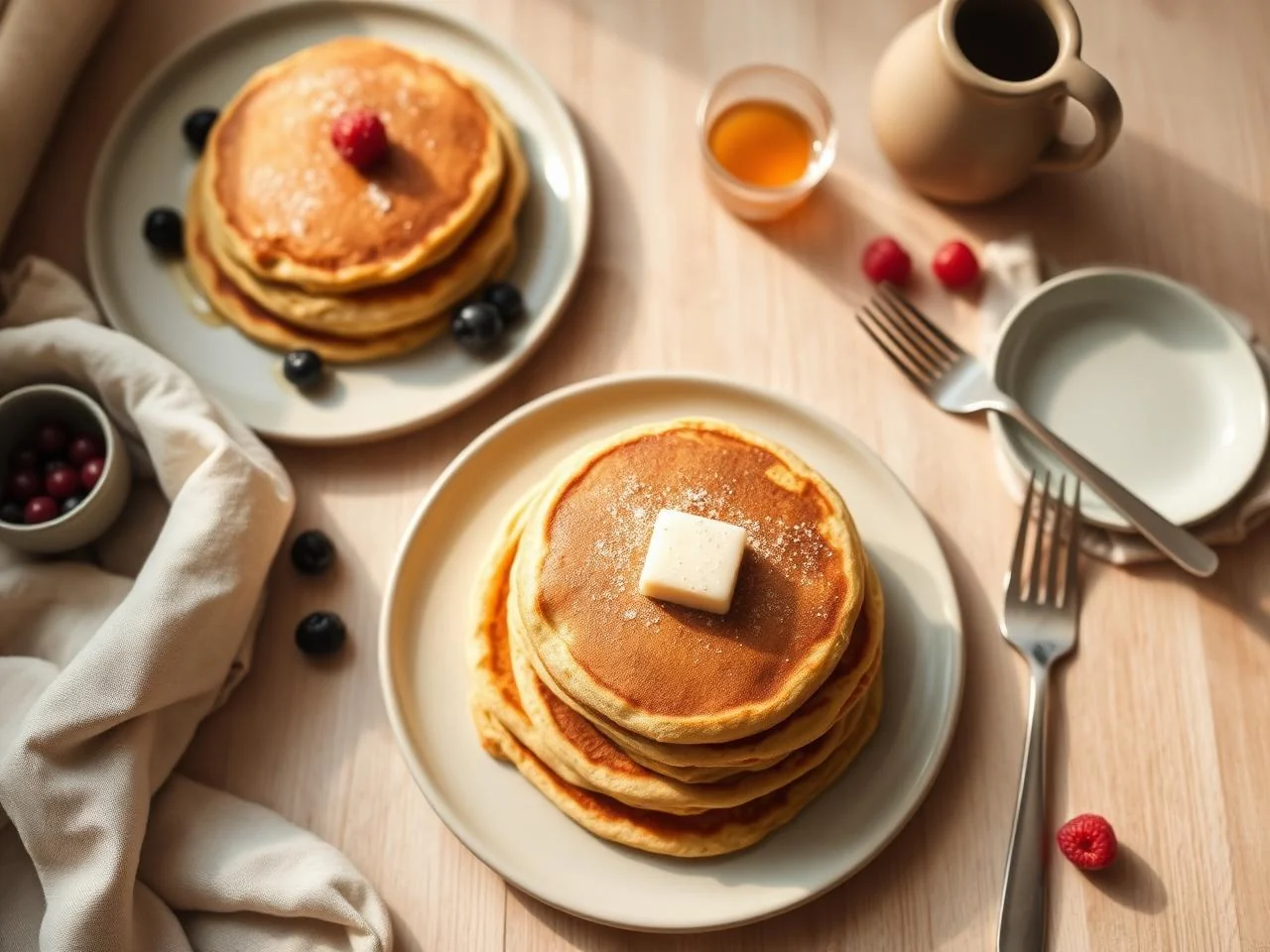
I still remember the first time I made buttermilk pancakes from scratch. It was a lazy Sunday morning, and I was determined to create the fluffiest, most tender pancakes I had ever tasted. After some trial and error, I finally found the perfect recipe, and it's been a staple in my household ever since.
There's something special about a warm, golden-brown pancake, fresh off the griddle, that just can't be beat. Whether you're a fan of classic buttermilk pancakes or like to mix things up with fun toppings and mix-ins, this recipe is the perfect starting point.
One of the things I love most about this recipe is its versatility. You can make it on a slow morning, when you have plenty of time to relax and enjoy the process, or on a busy weekday, when you need a quick and easy breakfast solution. Either way, the result is the same: delicious, tender pancakes that are sure to become a family favorite.
In this recipe, we'll cover the basics of making buttermilk pancakes from scratch, including the importance of using real buttermilk, the right type of flour, and the perfect cooking technique. We'll also explore some fun variations and substitutions, so you can make the recipe your own.
So, if you're ready to take your pancake game to the next level, let's get started! With this easy and delicious recipe, you'll be making fluffy, tender buttermilk pancakes like a pro in no time.
Why You’ll Love This Recipe
- Easy to make, even for beginners
- Perfect for slow mornings and quick weekday breakfasts
- Tender and fluffy texture, with a delicious buttermilk flavor
- Versatile recipe that can be customized with fun toppings and mix-ins
- Makes a great breakfast or brunch option for special occasions
- Can be made ahead and refrigerated or frozen for later use
Why This Recipe Works
The key to making great buttermilk pancakes is to use the right ingredients and to cook them at the right temperature. Buttermilk is essential, as it provides a tangy flavor and a tender texture. All-purpose flour is also a must, as it provides structure and texture to the pancakes.
Another important factor is the cooking technique. Cooking the pancakes on a griddle or skillet over medium heat allows for a nice, even browning and a tender interior. It's also important to not overmix the batter, as this can lead to tough, dense pancakes.
Finally, the resting time is crucial. Letting the batter rest for 10-15 minutes allows the flour to absorb the liquid ingredients and the baking powder to activate, resulting in a lighter, fluffier pancake.
By following these simple tips and techniques, you'll be able to make delicious, tender buttermilk pancakes that are sure to become a family favorite.
Ingredients You’ll Need
When it comes to making buttermilk pancakes, the ingredients are just as important as the technique. You'll need a few basic pantry staples, including all-purpose flour, granulated sugar, baking powder, and salt. You'll also need some buttermilk, large eggs, and melted butter.
One of the most important ingredients in this recipe is the buttermilk. If you don't have buttermilk on hand, you can make a substitute by mixing 1 cup of milk with 1 tablespoon of white vinegar or lemon juice. Let it sit for 5-10 minutes, until it thickens and curdles, before using it in the recipe.
- 1 1/2 cups all-purpose flourAll-purpose flour provides structure and texture to the pancakes. Make sure to use a high-quality flour that is fresh and has not been sitting on the shelf for too long.
- 3 1/2 teaspoons granulated sugarGranulated sugar adds a touch of sweetness to the pancakes. You can adjust the amount to your taste, depending on how sweet you like your pancakes.
- 2 teaspoons baking powderBaking powder is a leavening agent that helps the pancakes rise. Make sure to use a fresh batch, as old baking powder can lose its potency.
- 1/2 teaspoon saltSalt enhances the flavor of the pancakes and helps to balance out the sweetness. Use a high-quality salt, such as kosher or sea salt, for the best flavor.
- 1 cup buttermilkButtermilk is essential for the tender, tangy flavor of the pancakes. If you don't have buttermilk on hand, you can make a substitute by mixing 1 cup of milk with 1 tablespoon of white vinegar or lemon juice.
- 2 large eggsEggs add moisture, richness, and structure to the pancakes. Make sure to use fresh eggs for the best flavor and texture.
- 2 tablespoons melted butterMelted butter adds flavor and tenderness to the pancakes. You can also use other types of fat, such as oil or coconut oil, if you prefer.
- 1 teaspoon pure vanilla extractVanilla extract adds a touch of sweetness and flavor to the pancakes. Use a high-quality extract for the best flavor.
- 1/4 teaspoon ground cinnamonGround cinnamon adds a warm, spicy flavor to the pancakes. You can adjust the amount to your taste, depending on how much cinnamon you like.
- 1/4 teaspoon ground nutmegGround nutmeg adds a warm, slightly sweet flavor to the pancakes. Use a high-quality nutmeg for the best flavor.
Equipment You’ll Need
How to Make Buttermilk Pancakes
- 1In a large bowl, whisk together the flour, sugar, baking powder, and salt.
- 2In a separate bowl, whisk together the buttermilk, eggs, melted butter, vanilla extract, cinnamon, and nutmeg.
- 3Add the wet ingredients to the dry ingredients and stir until just combined. The batter should still be slightly lumpy.
- 4Let the batter rest for 10-15 minutes, until it has thickened and the flour has absorbed the liquid ingredients.
- 5Preheat a griddle or skillet over medium heat. Grease the griddle with a small amount of butter or oil.
- 6Using a 1/4 cup measuring cup, scoop the batter onto the griddle.
- 7Cook the pancakes for 2-3 minutes, until bubbles appear on the surface and the edges start to dry.
- 8Flip the pancakes and cook for another 1-2 minutes, until golden brown.
- 9Repeat with the remaining batter, until all the pancakes are cooked.
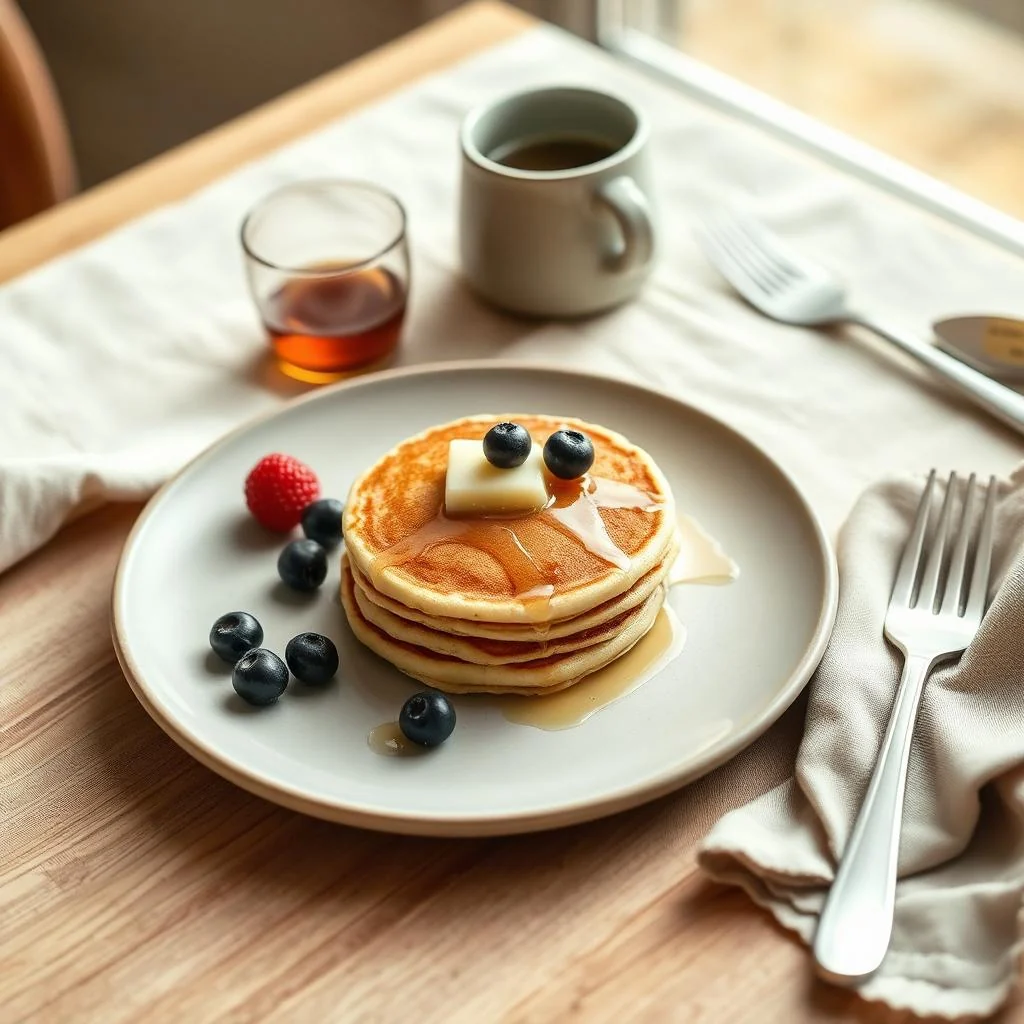
- 10Serve the pancakes hot, with your favorite toppings and mix-ins, such as maple syrup, fresh fruit, whipped cream, or powdered sugar.
Expert Tips
- Use a high-quality buttermilk for the best flavor and texture.
- Don't overmix the batter, as this can lead to tough, dense pancakes.
- Let the batter rest for the full 10-15 minutes, to allow the flour to absorb the liquid ingredients and the baking powder to activate.
- Use a thermometer to ensure the griddle is at the right temperature, between 375-400°F.
- Don't overcrowd the griddle, as this can lead to pancakes that are unevenly cooked.
- Experiment with different toppings and mix-ins to find your favorite combinations.
Common Mistakes to Avoid
- Overmixing the batter, leading to tough, dense pancakes.
- Not letting the batter rest for the full 10-15 minutes, resulting in pancakes that are not light and fluffy.
- Not using a thermometer to ensure the griddle is at the right temperature, leading to pancakes that are unevenly cooked.
- Overcrowding the griddle, resulting in pancakes that are not cooked evenly.
- Not using a high-quality buttermilk, leading to pancakes that lack flavor and texture.
Variations and Substitutions
- Add fresh or dried fruit, such as blueberries or cranberries, to the batter for added flavor and nutrition.
- Use different types of milk, such as almond or soy milk, for a non-dairy version.
- Add a sprinkle of cinnamon or nutmeg on top of the pancakes for extra flavor.
- Use different types of flour, such as whole wheat or oat flour, for a nutty flavor.
- Add a handful of chopped nuts or chocolate chips to the batter for added texture and flavor.
What to Serve With Buttermilk Pancakes
Serve the pancakes hot, with your favorite toppings and mix-ins, such as maple syrup, fresh fruit, whipped cream, or powdered sugar.
Some other ideas for serving the pancakes include:
Top with a dollop of whipped cream and a sprinkle of cinnamon or nutmeg.
Serve with a side of fresh fruit, such as strawberries or blueberries.
Drizzle with honey or maple syrup for a sweet and sticky topping.
Make-Ahead, Storage, Freezing and Reheating
The pancakes can be made ahead and stored in an airtight container in the refrigerator for up to 3 days.
To freeze the pancakes, place them in a single layer on a baking sheet and put them in the freezer until frozen solid. Then, transfer the frozen pancakes to a freezer-safe bag or container and store for up to 2 months.
To reheat the pancakes, simply microwave them for 20-30 seconds, or until warm and fluffy.
You can also toast the pancakes in a toaster or under the broiler for a crispy exterior and a warm interior.
Frequently Asked Questions
What is the best type of flour to use for buttermilk pancakes?
All-purpose flour is the best type of flour to use for buttermilk pancakes, as it provides structure and texture to the pancakes.
Can I use a non-dairy milk instead of buttermilk?
Yes, you can use a non-dairy milk, such as almond or soy milk, as a substitute for buttermilk. However, keep in mind that the flavor and texture may be slightly different.
How do I know when the pancakes are done?
The pancakes are done when they are golden brown and cooked through. You can check for doneness by inserting a toothpick into the center of a pancake. If it comes out clean, the pancake is done.
Can I make the pancakes ahead of time and store them in the refrigerator or freezer?
Yes, you can make the pancakes ahead of time and store them in an airtight container in the refrigerator for up to 3 days or freeze them for up to 2 months.
How do I reheat the pancakes?
You can reheat the pancakes by microwaving them for 20-30 seconds, or until warm and fluffy. You can also toast them in a toaster or under the broiler for a crispy exterior and a warm interior.
Can I add different toppings or mix-ins to the pancakes?
Yes, you can add different toppings or mix-ins to the pancakes, such as fresh fruit, whipped cream, or chocolate chips. Experiment with different combinations to find your favorite.
What is the best way to cook the pancakes?
The best way to cook the pancakes is on a griddle or skillet over medium heat. Use a thermometer to ensure the griddle is at the right temperature, between 375-400°F.
Can I use a different type of sugar instead of granulated sugar?
Yes, you can use a different type of sugar, such as brown sugar or honey, instead of granulated sugar. However, keep in mind that the flavor and texture may be slightly different.
Ingredients
- 1 1/2 cups all-purpose flour
- 3 1/2 teaspoons granulated sugar
- 2 teaspoons baking powder
- 1/2 teaspoon salt
- 1 cup buttermilk
- 2 large eggs
- 2 tablespoons melted butter
- 1 teaspoon pure vanilla extract
- 1/4 teaspoon ground cinnamon
- 1/4 teaspoon ground nutmeg
Instructions
- In a large bowl, whisk together the flour, sugar, baking powder, and salt.
- In a separate bowl, whisk together the buttermilk, eggs, melted butter, vanilla extract, cinnamon, and nutmeg.
- Add the wet ingredients to the dry ingredients and stir until just combined. The batter should still be slightly lumpy.
- Let the batter rest for 10-15 minutes, until it has thickened and the flour has absorbed the liquid ingredients.
- Preheat a griddle or skillet over medium heat. Grease the griddle with a small amount of butter or oil.
- Using a 1/4 cup measuring cup, scoop the batter onto the griddle.
- Cook the pancakes for 2-3 minutes, until bubbles appear on the surface and the edges start to dry.
- Flip the pancakes and cook for another 1-2 minutes, until golden brown.
- Repeat with the remaining batter, until all the pancakes are cooked.
- Serve the pancakes hot, with your favorite toppings and mix-ins, such as maple syrup, fresh fruit, whipped cream, or powdered sugar.